❓ What is a nail buffer block used for?
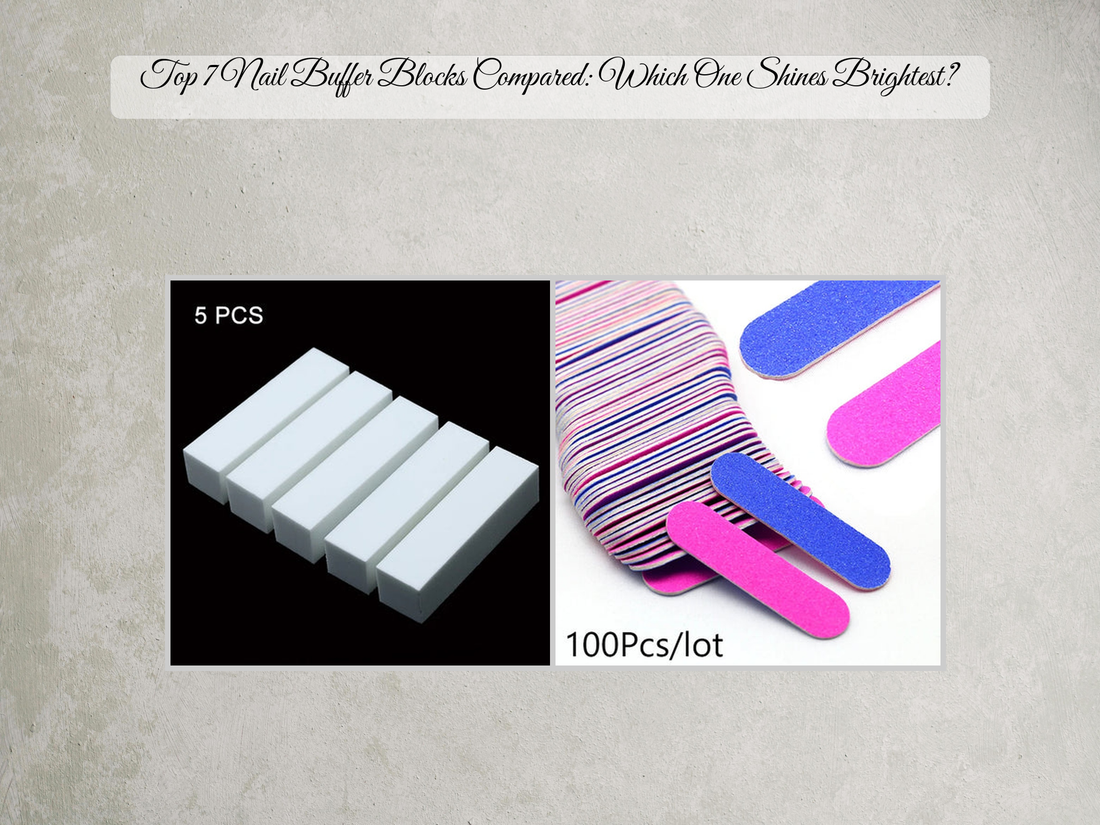
A nail buffer block is a multi-surfaced manicure tool used to smooth ridges, refine nail texture, and add natural shine without polish. Whether you use a 7 way buffer, 3 way block, or soft buffer sponge, the right nail buffer can improve nail appearance and help achieve salon-quality shine at home.
7 Best Nail Buffers for Smooth, Shiny Nails (Expert Comparison)
Not all nail buffers deliver the same shine or durability. Some are designed for quick polish preparation, while others gradually polish nails through multiple buffing stages. In this guide, we compare the most popular nail buffer blocks, glass buffers, and multi-step buffing systems to help you find the best option for your manicure routine.
⏱ 8 min read
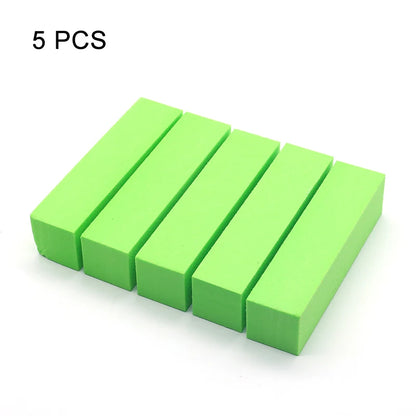
✅ Perfect for your daily routine — discover how this nail buffer block transforms your shine!
Quick Comparison: Best Nail Buffer Blocks at a Glance
If you want smooth, glossy nails without testing dozens of tools, this quick comparison table highlights the most popular nail buffers based on usability, number of surfaces, and durability.
| Nail Buffer | Type | Best For | Surfaces | Durability |
|---|---|---|---|---|
| Professional 4-Way Nail Buffing Block | Multi-step block | Overall nail care | 4 sides | Medium |
| 7 Way Nail Buffer | Multi-surface buffer | Complete manicure routine | 7 steps | Medium |
| Glass Nail Shine Buffer | Glass file/buffer | Long-lasting shine | Single surface | High |
| 3 Way Buffer Block | Basic buffer | Beginner nail care | 3 sides | Medium |
| Nail Buffer Sponge | Soft foam buffer | Natural nails | Multiple sides | Low |
| Pedicure Buffer Block | Foot buffer | Toenails and pedicures | 2–4 sides | High |
What Is a Nail Buffer Block and How Does It Work?
A nail buffer block is a manicure tool designed to smooth ridges, refine the nail surface, and create a natural shine without using nail polish. Most nail buffing blocks contain several surfaces with different grit levels that gradually polish the nail plate.
Buffers are commonly made from foam blocks, glass surfaces, or multi-step polishing systems such as 3 way or 7 way nail buffers. Each side of the buffer performs a specific step in the manicure process—from smoothing uneven nail texture to producing a glossy finish.
When used correctly, a high-quality nail shine buffer improves nail appearance, helps polish adhere more evenly, and creates a healthy natural glow.
7 Best Nail Buffers Reviewed
The best nail buffers combine effective grit levels with comfortable handling and consistent shine results. Below are the most common buffer types used in professional manicures and home nail care routines.
| Product | Type | Best For | CTA |
|---|---|---|---|
| KentDO™ Pink Nail Buffer Block | 4-way buffer block | Everyday natural shine | 👑 View best seller |
| Classic 7 Way Nail Buffer | 7 way nail buffer | Multi-step smoothing & shine | 💡 See price & colors |
| Salon Pro 3 Way Buffer Block | 3 way buffer block | Quick polish prep | 💡 See price & colors |
| Heavy-Duty Foot Buffer Block | Foot buffer block | Callus & heel smoothing | 💡 Shop body care tools |
| Soft Nail Buffer Sponge | Nail buffer sponge | Gentle finishing touch | 💡 See price & colors |
| Mini Travel Nail Buffer Block | Compact buffer block | On-the-go maintenance | 💡 Explore lifestyle tools |
| Eco-Friendly Bamboo Buffer | Eco nail buffer block | Sustainable nail care | 💡 See price & colors |
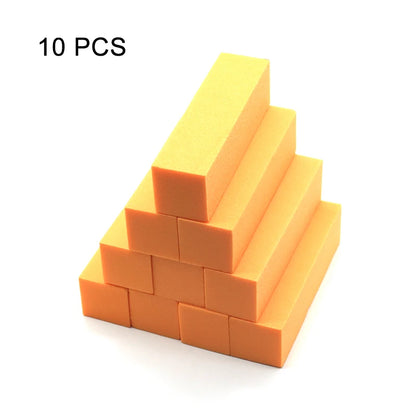
💡 See it in action — your nails deserve this pro-level shine!
Nail Buffer Types Explained (Block, Glass, Chamois & Multi-Way)
Nail buffers come in several formats, each designed to smooth nail ridges and create shine in different ways. Understanding these types helps you choose the best nail buffing block for your manicure routine.
3 Way Buffer Blocks
A 3 way buffer block usually includes surfaces for smoothing ridges, refining the nail plate, and adding shine. These buffers are beginner-friendly and commonly used for simple natural nail maintenance.
4 Way and 7 Way Nail Buffers
Multi-step buffers include several labeled surfaces used in sequence. A 7 way nail buffer adds additional polishing stages that gradually increase shine while minimizing nail damage.
Glass Nail Buffers
Glass nail buffers use ultra-fine etched surfaces instead of abrasive grit. They polish the nail plate gently and are known for producing a natural glossy finish while lasting longer than traditional foam buffer blocks.
Pedicure and Foot Buffer Blocks
Pedicure buffers are typically larger and slightly coarser so they can handle thicker toenails. Some foot buffer blocks are also designed to smooth surrounding skin during pedicures.
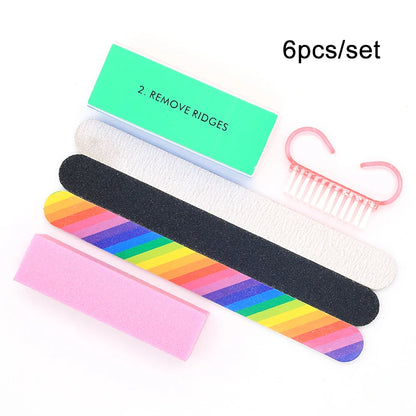
👉 Discover how this works — the secret to effortless shine at home.
How to Choose the Best Nail Buffer (Grit, Material, Nail Health)
The best nail buffer depends on your nail type, desired shine level, and how often you perform manicures. Paying attention to grit levels and buffer materials helps prevent nail damage while improving results.
Understanding Nail Buffer Grit Levels
Grit refers to how coarse or fine a buffer surface is. Lower grit levels help smooth ridges and uneven nail texture, while higher grit levels polish the nail plate to create shine. Most nail buffer blocks include several grit stages so you can gradually move from smoothing to polishing.
Choosing the Right Buffer for Natural vs Artificial Nails
Natural nails require gentler buffers with finer grit levels to prevent thinning. Acrylic or gel nails can tolerate slightly coarser surfaces because the artificial layer protects the natural nail plate underneath.
Durability and Hygiene Factors
Durable buffers maintain their polishing surfaces longer and are easier to keep clean. Washable glass buffers and high-density foam blocks are popular choices for people who regularly perform at-home manicures.
How to Buff Nails Safely Without Damaging Them
Buffing creates a polished appearance, but excessive buffing can weaken nails. Using proper technique helps maintain healthy nails while achieving a natural shine.
Proper Buffing Technique
- Start with clean, dry nails.
- Use the lowest grit surface first to smooth ridges.
- Buff in one direction instead of aggressive back-and-forth motions.
- Finish with the polishing surface to create shine.
How Often You Should Buff Nails
Most nail professionals recommend buffing natural nails once every two to three weeks. Over-buffing can remove protective layers of the nail plate and lead to peeling or thinning.
FAQ: Best Nail Buffer
How often should I use a nail buffer block?
Most nail experts recommend buffing natural nails every two to three weeks. Frequent buffing can thin the nail plate and make nails more prone to splitting.
Is a 7 way nail buffer better than a 3 way?
A 7 way nail buffer provides more polishing steps and typically creates a higher shine. However, a 3 way buffer block is often easier for beginners and works well for simple nail smoothing.
Can I use a foot buffer block on my nails?
Foot buffer blocks are usually coarser and designed for thicker toenails. While they can work in emergencies, they may be too abrasive for delicate fingernails.
Do nail buffers damage natural nails?
Nail buffers are safe when used occasionally and with gentle pressure. Over-buffing, however, can remove protective layers of the nail plate and cause thinning.
What grit nail buffer gives the best shine?
High-grit surfaces above 3000 grit are typically used for the final polishing stage. These ultra-fine surfaces create a glossy finish without scratching the nail surface.
Related Articles:
- Don’t Buy a Nail Buffer Block Until You Read This Review
- Nail Buffer Sponge Showdown: Which Feels Best on Your Nails?
- Why the 7 Way Nail Buffer is a Game-Changer for Beginners
- The Best Pedicure Buffers for Smooth Feet in Minutes
- 3 Way vs 4 Way Nail Buffer: What’s the Real Difference?
Pillar Articles: