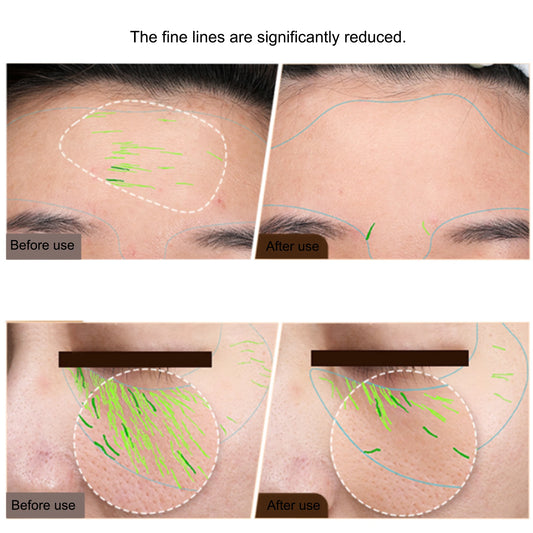
Does treatment for acne scars naturally work, and when does LED therapy help most?
Treatment for acne scars naturally can improve texture and color by supporting collagen and reducing inflammation; combining gentle topical ingredients with consistent LED therapy often gives the fastest visible smoothing for mild-to-moderate post-inflammatory scarring, especially when skin is calm and not actively inflamed.
⏱ 8 min readTreatment for Acne Scars Naturally: When Gentle Routines + LED Therapy Deliver Results
Tired of trying every cream with little change? If you want a clear, realistic path for treatment for acne scars naturally, this guide shows which habits, at-home tools, and timing give the best results—plus where a 7-color LED mask fits into your routine to support healing and texture smoothing.
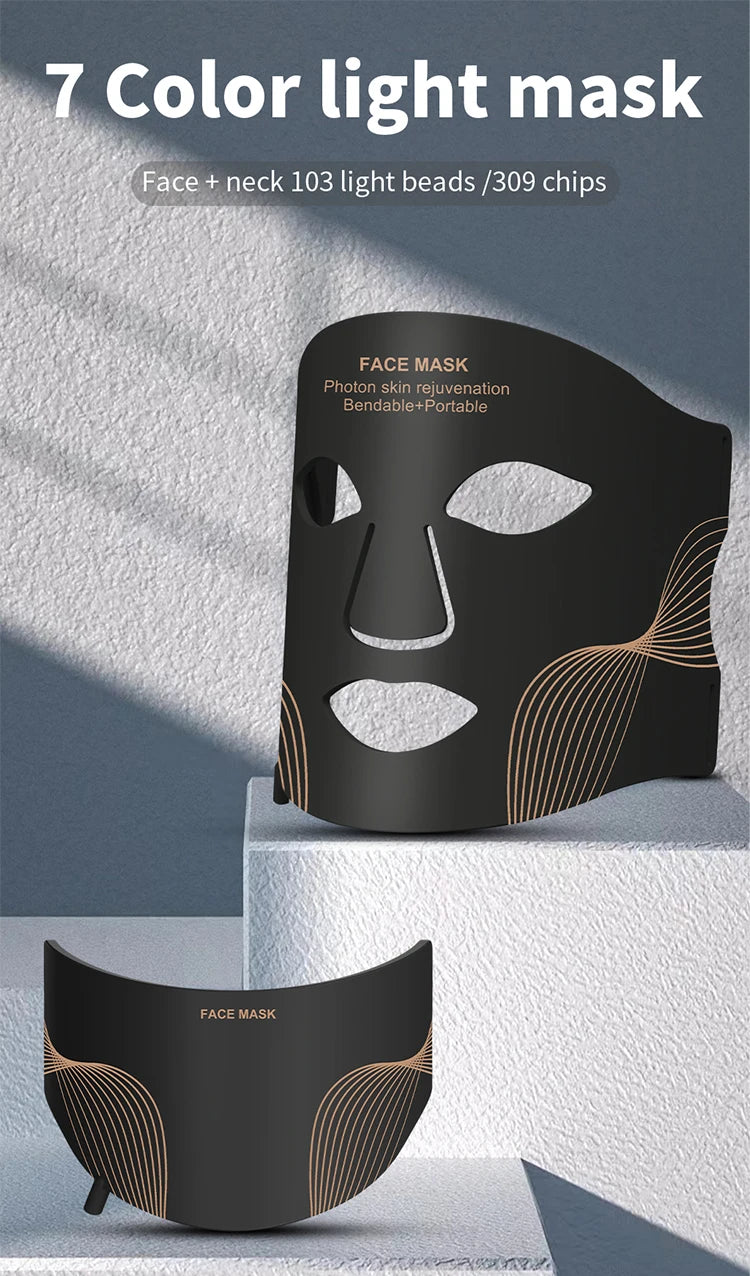
treatment for acne scars naturally - KentDO 💡 See it in action — consider the 7-color LED mask for collagen support.
Why start with natural, low-irritation approaches?
When active acne has calmed, the safest first move for treatment for acne scars naturally is to reduce inflammation, protect the skin barrier, and encourage gentle collagen repair. Harsh treatments can worsen texture; starting gentle keeps results steady and predictable.
Key benefits of a natural-first plan
- Lower risk of irritation or post-inflammatory hyperpigmentation
- Builds a healthy foundation so advanced therapies (like LED) work better
- Fits daily life—simple changes stack into visible improvement
Quick question: Which style suits you best? Read on to match a plan to your scar type.
How LED therapy helps collagen & fade scars
Short answer: LED phototherapy supports skin repair by stimulating cellular activity and collagen signaling without heat or abrasion, making it a strong complement to natural scar-reduction approaches for non-inflamed scarring.
When LED therapy is most effective
- After active breakouts have settled for at least 2–4 weeks.
- When used consistently (most at-home protocols use 3–5 sessions/week initially).
- As part of a low-irritant routine—LED works best on calm, hydrated skin.
Pair LED with gentle collagen-supporting products and sun protection for the best outcome. Try the 7-color LED mask as a multi-wavelength option: it lets you choose red for repair, near-infrared for deep support, or blue for occasional acne control. See product details.
Best treatment combos for specific scar types (benefit-first headings)
How to smooth shallow texture in minutes with topical + LED
Shallow, boxcar, or rolling scars often respond to routines that exfoliate lightly and encourage collagen. Start with a low-strength AHA once weekly, then use red LED 2–3 times a week to support repair.
- Use a gentle chemical exfoliant (5–10% AHA) — avoid scrubs.
- Follow with red LED therapy (10–15 minutes/session).
- Finish with a hydrating moisturizer and SPF each morning.
How to reduce discoloration faster with brightening + LED
PIH (post-inflammatory hyperpigmentation) is lighter with consistent sun protection, vitamin C serums, and LED supporting barrier repair. Use brightening actives carefully and prioritize barrier care.
How to treat stubborn, indented scars with a layered approach
Indented scars sometimes need resurfacing in clinic, but many people see improvement using dermal-stimulating home tools plus LED: microneedling (in-clinic or gentle rollers), then consistent red and NIR LED to support collagen remodeling.
| Scar type | Best natural/at-home combo | When to add in-clinic therapy |
|---|---|---|
| Shallow texture | Low-strength AHA + red LED + SPF | If no change after 3–4 months |
| PIH (discoloration) | Vit C or niacinamide + barrier repair + LED | Deep pigmentation or melasma concerns |
| Indented scars | Gentle needling + red/NIR LED | Severe tethering or rolling scars |
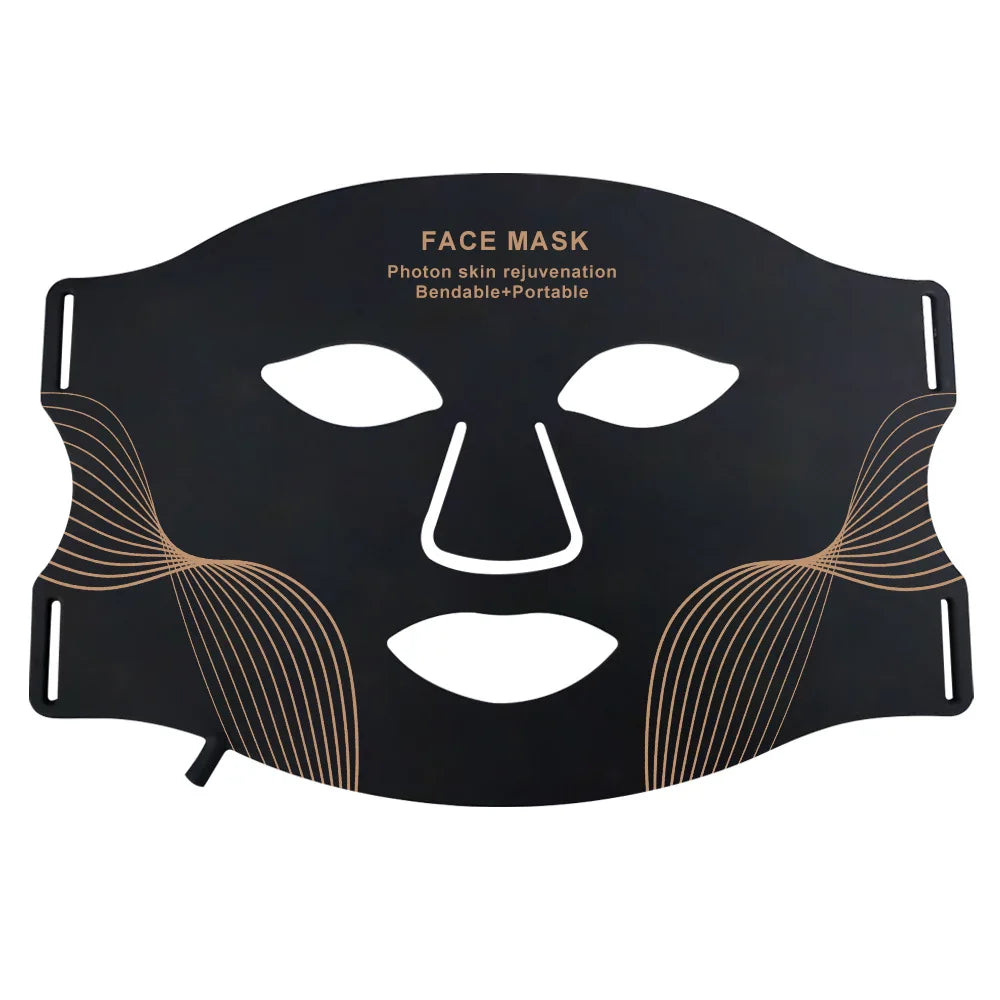
treatment for acne scars naturally - KentDO 💡 See how consistent sessions help build smoother texture.
Step-by-step at-home routine for steady scar improvement
- Cleanse with a gentle, pH-balanced cleanser—no stripping.
- Target discoloration or texture with chosen actives (vitamin C in AM, low-strength AHA/BHA 1–3x weekly at PM).
- Repair: apply a peptide or ceramide-rich moisturizer to support barrier recovery.
- LED session: use red or near-infrared 10–20 minutes on calm skin (3–5x/week initially).
- Protect with a broad-spectrum SPF every morning—this is non-negotiable for preventing PIH.
Use the product link for in-depth device info: KentDO 7-color LED face mask — include it as the repair step in your evening routine after cleansing and serums.
Simple weekly plan (beginner)
- Mon: Cleanse → serum → moisturizer → red LED (10 min)
- Tue: Cleanse → moisturizer → SPF (AM)/no LED (PM)
- Wed: Cleanse → AHA (PM, light) → red LED (PM)
- Thu: Repair focus, hydrating masks or barrier serums
- Fri: Red or NIR LED (15 min)
- Sat/Sun: Recovery, sun protection, gentle care
Compare: natural methods vs at-home LED vs in-clinic (benefits up front)
Natural home care
Low irritation, low cost, gradual results; best for PIH and shallow texture.
- ✅ Low risk
- ✅ Works long-term with consistency
- ❌ Slower for deep indents
At-home LED therapy
Boosts repair pathways and works well with natural topicals; safe for regular use when skin is calm.
- ✅ Non-ablative, painless
- ✅ Speeds collagen signaling
- ❌ Needs consistent schedule
In-clinic treatments
Fastest for deep or tethered scars (lasers, deep needling), but higher cost and downtime.
- ✅ Best for severe scarring
- ✅ Usually faster visible improvement
- ❌ Costs, recovery time
Real user stories & what to expect (trust-focused)
Many users report visible softening of texture after 8–12 weeks when combining gentle serums with regular red/NIR LED sessions and strict sun protection. Below are three anonymized experiences that reflect common journeys:
"After 10 weeks of gentle exfoliation and nightly red LED, my shallow boxcar scars seemed less noticeable — skin felt firmer. Consistency mattered." — L., 28
"I used vitamin C each morning and blue LED occasionally for breakouts. Over 3 months, the dark spots faded and my foundation sits smoother." — M., 34
"My deeper indents improved only slightly at home; I combined at-home LED with a single in-clinic microneedling session and saw the biggest shift." — A., 40
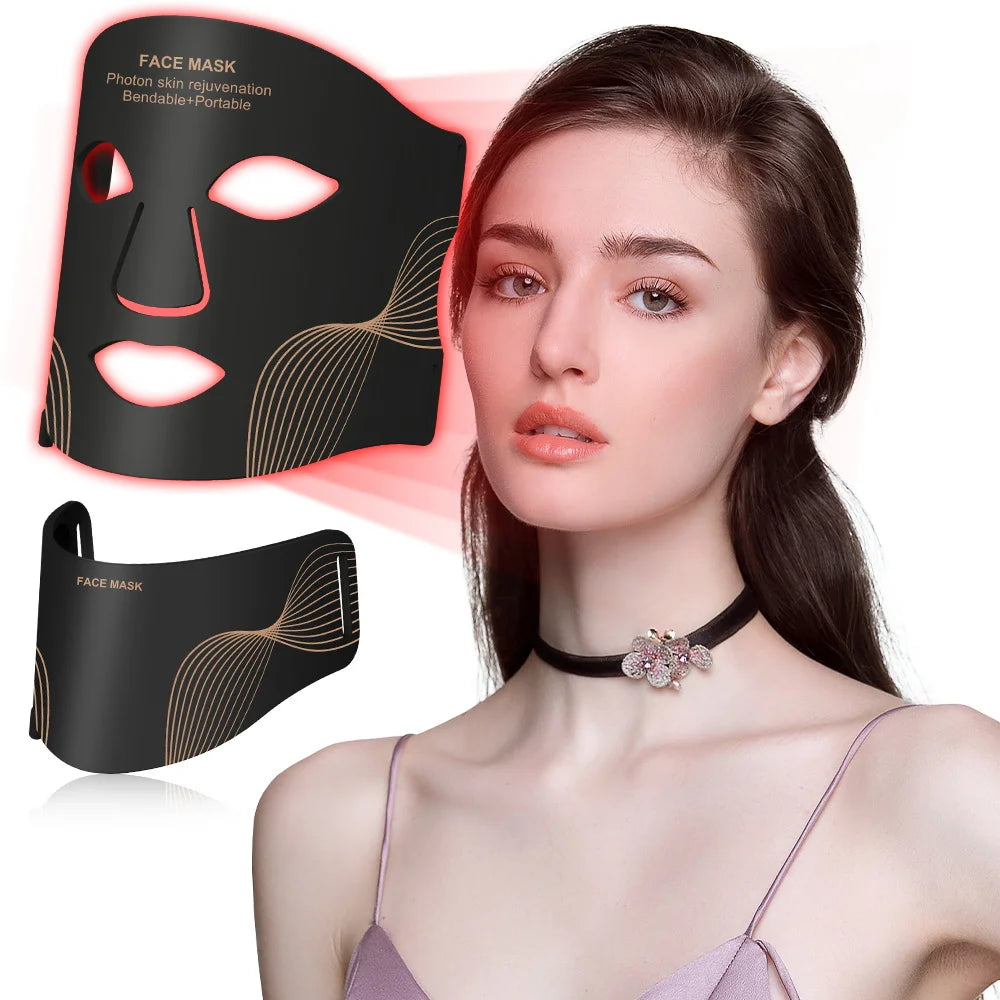
treatment for acne scars naturally - KentDO 💡 Final steps to integrate LED into your routine — consider adding the 7-color mask.
Mini-FAQ
Can treatment for acne scars naturally remove deep indentations?
Natural and at-home methods help improve texture and color, but deep indented scars often need in-clinic resurfacing for major change. Combining home LED and topical support can still create meaningful softening and prepare skin for clinical treatments if desired.
How long before I see results using LED for scar care?
Many users notice subtle improvements in tone and texture within 6–12 weeks of consistent use (3–5 sessions weekly to start), but full remodeling can take several months. Pairing LED with barrier repair and sun protection shortens the timeline.
Is it safe to use LED if I still get occasional breakouts?
LED is generally safe, but avoid intense sessions directly on actively inflamed, open lesions. Blue light can be used selectively for acne control; red/NIR is better once inflammation has settled. Consult a clinician if you're unsure.
Related collections you might explore for tools and devices: Skin and Beauty Care Devices, Body Care and Health Devices, Beauty & Self-Care Blog, Hair, Skin & Nai Blog.
Explore More:
- LED Mask for Wrinkles Review: Which Models Actually Smooth Fine Lines?
- LED Mask for Skin Care Roundup: Which Ones Boost Glow the Best?
Pillar Article: Not Found
Explore More: