
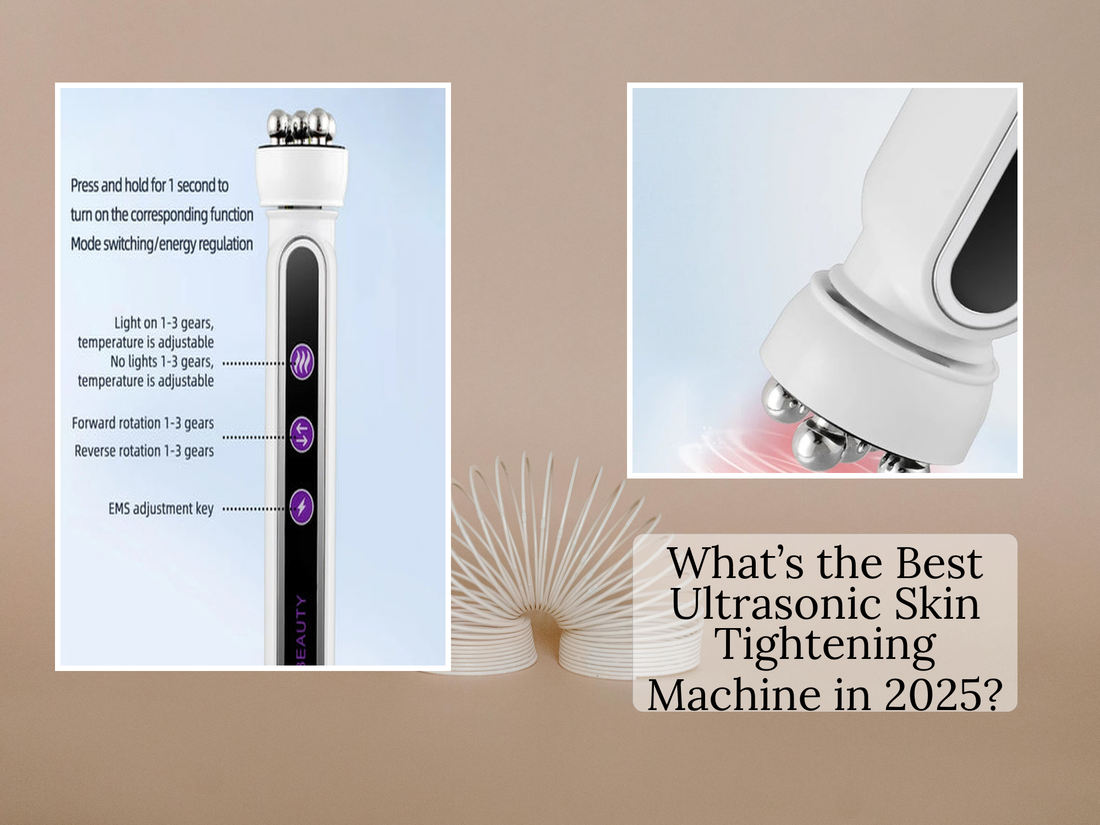
What’s the Best Ultrasound Skin Tightening Machine in 2026?
Looking for the best ultrasonic skin tightening machine to firm your face, improve skin elasticity, and reduce the appearance of fine lines? Modern skin tightening technology allows users to stimulate collagen production and support firmer-looking skin without invasive procedures. Today's ultrasonic facial devices often combine ultrasound, radiofrequency (RF), electrical muscle stimulation (EMS), and LED light therapy to deliver comprehensive at-home rejuvenation treatments. In this guide, you'll learn how ultrasound skin tightening works, how it compares with HIFU and RF technologies, and which devices are best suited for home users and professionals in 2026.
⏱ 8 min read

Discover the ultrasonic skin tightening machine trusted by beauty lovers — see it in action
Explore the KentDO 3-in-1 RF EMS Face Roller
Quick Comparison: Best Ultrasound Skin Tightening Machines (2026)
Comparing treatment depth, target users, certifications, and price range can help you identify the best ultrasound skin tightening machine for your needs.
- Best Ultrasound Skin Tightening Home Device: Designed for maintenance treatments and mild skin laxity.
- Best Ultrasound Device for Skin Lifting Professionals: High-energy systems with multiple treatment depths and advanced customization.
- Best Ultrasound System for Advanced Skin Firming: Suitable for deeper collagen stimulation and facial contouring.
- Best Ultrasound Facial Device for Skin Rejuvenation: Focused on wrinkles, texture improvement, and anti-aging treatments.
- Best Ultrasound System for Skin Contouring Clinics: Multi-cartridge platforms supporting face and body applications.
When evaluating machines, pay attention to treatment depth options, cartridge availability, safety certifications, operating costs, and whether the system is intended for professional or consumer use.
What Is an Ultrasound Skin Tightening Machine?
An ultrasound skin tightening machine uses focused sound-wave energy to stimulate collagen production beneath the skin's surface. Unlike many surface-focused treatments, ultrasound can deliver thermal energy deeper into tissue layers where collagen remodeling occurs.
How Ultrasound Technology Tightens Skin
Ultrasonic skin tightening devices generate controlled heat inside targeted tissue layers. This thermal response encourages existing collagen fibers to contract while stimulating fibroblasts to create new collagen and elastin over time.
Which Skin Layers Ultrasound Targets (Including SMAS)
Advanced systems can target multiple tissue depths depending on cartridge selection:
- 1.5 mm: Fine lines and superficial skin rejuvenation
- 3.0 mm: Dermal collagen stimulation and skin firming
- 4.5 mm: SMAS layer tightening and facial lifting support
The ability to reach deeper structural layers distinguishes ultrasound technology from many topical anti-aging treatments.
How Ultrasound Skin Tightening Works
Ultrasound Energy and Collagen Remodeling
Ultrasound skin tightening devices deliver focused acoustic energy beneath the skin surface. This controlled thermal effect stimulates fibroblasts to produce new collagen and elastin, helping improve firmness and elasticity over time.
Why SMAS Targeting Matters
Professional ultrasound systems can reach the superficial musculoaponeurotic system (SMAS), a structural layer commonly addressed during surgical facelifts. Treating this layer helps create visible lifting and contouring effects without invasive procedures.
Why Results Continue Improving After Treatment
Collagen remodeling occurs gradually. Most users notice initial tightening within weeks, while optimal results typically develop over two to six months as new collagen fibers mature.
Does Ultrasound Skin Tightening Work?
Clinical Evidence Behind Ultrasound Skin Lifting
Clinical studies suggest focused ultrasound treatments can improve skin laxity, stimulate collagen production, and provide measurable lifting effects in appropriately selected patients.
Expected Results and Treatment Timeline
Some tightening may appear immediately after treatment, but the most noticeable improvements generally emerge within 8 to 12 weeks.
- Early tightening: 1–2 weeks
- Visible improvement: 6–12 weeks
- Peak collagen remodeling: 3–6 months
How Long Results Typically Last
Depending on age, lifestyle, and skin condition, results often remain visible for 12 to 18 months following treatment.
Factors That Influence Treatment Success
- Age and collagen reserves
- Degree of skin laxity
- Treatment depth selection
- Energy delivery settings
- Post-treatment skincare habits
Ultrasound vs HIFU vs RF Skin Tightening
Understanding the Technology Differences
Ultrasound and HIFU use acoustic energy to generate heat beneath the skin, while radiofrequency (RF) relies on electrical energy to heat tissue.
Treatment Depth Comparison
- RF: Typically superficial to mid-dermis.
- Ultrasound: Mid-to-deep dermal layers.
- HIFU: Deep dermis and SMAS layer.
Comfort Levels and Downtime
Most treatments require little to no downtime, although deeper HIFU treatments may produce greater temporary discomfort than RF or consumer ultrasound devices.
Which Technology Produces Better Lifting Results
For significant lifting and contouring, HIFU and professional ultrasound systems generally outperform traditional RF devices. RF remains highly effective for improving texture and mild skin laxity.
Best Use Cases for Each Technology
- RF: Fine lines, texture concerns, and skin maintenance.
- Ultrasound: Mild-to-moderate skin laxity and collagen stimulation.
- HIFU: Advanced lifting and contouring goals.
Professional vs At-Home Ultrasound Skin Tightening Devices
Energy Output Differences
Professional ultrasound skin tightening machines deliver significantly higher energy levels than consumer devices, enabling deeper treatment penetration and stronger lifting effects.
Safety and Regulatory Considerations
At-home devices prioritize safety through lower output levels, while professional systems often require operator training, treatment protocols, and specialized cartridges.
Expected Results Comparison
Home-use devices are best suited for maintenance and mild concerns, whereas professional systems can address moderate skin laxity and contouring goals more aggressively.
Which Users Benefit Most from Each Option
- Home users seeking preventative care.
- Clinics offering non-invasive lifting treatments.
- Med spas expanding anti-aging service menus.
- Professionals treating advanced skin laxity.
Best Ultrasound Skin Tightening Machines in 2026
Below is a comparison of several well-known skin tightening systems currently discussed by skincare professionals and consumers.
| Device | Key Technologies | Best For | User Type |
|---|---|---|---|
| KentDO 3-in-1 RF EMS Face Roller | RF, EMS, Ultrasonic, LED | Skin firming, facial lifting, maintenance treatments | Home Use |
| NuFACE Trinity+ | Microcurrent | Facial toning and contouring | Home Use |
| ZIIP HALO | Microcurrent + Nanocurrent | Anti-aging routines | Home Use |
| Ultraformer III | HIFU | Professional lifting treatments | Clinic |
| Ultherapy | Focused Ultrasound | Advanced skin tightening | Clinic |
Best Ultrasound Skin Tightening for Home Use
For users seeking consistent maintenance treatments, multifunction devices that combine ultrasound, RF, EMS, and LED technologies often provide the greatest versatility and long-term value.
Best Ultrasound Facial Machine for Beginners
Beginners typically benefit from lower-energy devices with preset treatment modes, built-in safety controls, and easy-to-follow treatment protocols.
Best Ultrasound Device for Skin Lifting Professionals
Professional clinics often rely on HIFU and focused ultrasound platforms capable of targeting multiple tissue depths, including the SMAS layer.
Best Ultrasound System for Advanced Skin Firming
Multi-depth systems with interchangeable cartridges allow practitioners to customize treatments based on facial anatomy and treatment goals.
Best Ultrasound Machine for Body Contouring
Body contouring applications generally require deeper treatment cartridges and higher energy delivery than facial rejuvenation treatments.
Best Ultrasound Facial Device for Anti-Aging Treatments
Devices that combine collagen stimulation technologies with LED and RF treatments can support comprehensive anti-aging routines and ongoing maintenance.
Try the KentDO ultrasonic skin tightening machine now

Tackle sagging and fine lines with this all-in-one skin tightening tool
Ultrasound Treatment Depth Chart (Face vs Body)
Common Ultrasound Cartridge Depths Explained
- 1.5 mm: Fine lines and superficial rejuvenation.
- 3.0 mm: Dermal collagen stimulation.
- 4.5 mm: SMAS targeting and lifting.
- 6.0 mm+: Body contouring applications.
Face Treatment Depth Recommendations
Most facial lifting procedures combine multiple cartridge depths to address different tissue layers simultaneously and create more balanced results.
Body Treatment Depth Recommendations
Body treatments often utilize deeper cartridges designed to target thicker tissue structures and broader treatment zones.
Which Depth Targets Wrinkles, Sagging, or Fat
- Wrinkles and texture concerns: 1.5 mm
- Skin firmness and elasticity: 3.0 mm
- Jawline lifting and contouring: 4.5 mm
- Body contouring and tissue tightening: 6.0 mm+
Before and After Results: What to Expect
Immediate Results vs Long-Term Results
Some patients notice subtle tightening immediately after treatment, but collagen regeneration produces the most significant improvements over subsequent months.
Typical Improvements by Treatment Area
- Brow lifting
- Jawline definition
- Neck tightening
- Cheek contour enhancement
- Reduction of mild skin laxity
Realistic Expectations for Skin Laxity
Ultrasound treatments can improve mild to moderate laxity but are not intended to replicate surgical facelift outcomes. Expectations should be aligned with the treatment intensity and technology being used.
How to Choose the Best Ultrasound Skin Tightening Device
Frequency and Energy Levels
Higher-quality systems provide adjustable energy settings and multiple treatment protocols to accommodate different skin concerns.
Treatment Depth and Cartridges
Look for machines supporting multiple cartridge depths for greater treatment versatility and customization.
Professional vs At-Home Devices
Select a system appropriate for your intended treatment goals, budget, and experience level.
Safety Certifications to Look For
Verify regulatory compliance, safety testing, manufacturer quality standards, and documented product support.
Consumable Costs and Maintenance
Evaluate cartridge replacement expenses, service requirements, warranty coverage, and long-term ownership costs.
Manufacturer Support and Training
Professional buyers should prioritize technical support, operator education, software updates, and responsive customer service.
Safety, Risks, and Who Should Avoid Ultrasound Treatments
Common Side Effects
Temporary redness, tenderness, swelling, and mild sensitivity are among the most commonly reported side effects.
Contraindications and Skin Conditions
Active infections, open wounds, severe inflammatory skin conditions, and certain medical implants may limit treatment suitability.
Who Should Avoid Ultrasound Treatments
- Pregnant individuals
- People with active infections
- Patients with implanted electronic devices
- Individuals with significant skin damage in treatment areas
Safe Treatment Practices
Always follow manufacturer guidelines, recommended energy settings, and professional treatment protocols. Consult a qualified healthcare provider if you have medical concerns before treatment.
Key Benefits of Using an Ultrasound Skin Tightening Machine
Non-Invasive Skin Lifting
Ultrasound treatments can improve skin firmness without incisions, injections, or extended recovery periods.
Collagen Stimulation Benefits
New collagen formation supports long-term improvements in elasticity, firmness, and overall skin texture.
Facial Contouring Improvements
Many users experience improved jawline definition, cheek support, and more refined facial contours.
Long-Term Skin Firming Advantages
Results often continue developing for several months following treatment as collagen remodeling progresses.
See why this is the best skin tightening device of 2026

Your anti-aging routine just got easier with this top-rated skin tightening tool
Frequently Asked Questions
How often should I use an ultrasonic skin tightening machine?
Usage frequency depends on device power, treatment area, and manufacturer recommendations. Most at-home devices are used several times per week, while professional treatments are spaced further apart.
Can ultrasound skin tightening replace facelifts?
No. Ultrasound treatments can provide noticeable lifting and collagen stimulation but do not match surgical facelift outcomes.
Is it safe for mature or sensitive skin?
Many devices are suitable for mature skin, although users with sensitive skin should start with lower settings and perform a patch test when appropriate.
What is the best ultrasound skin tightening device for home use?
The ideal choice depends on treatment goals, safety features, technology combinations, and budget. Multifunction devices often provide greater versatility.
How much does a professional ultrasound skin tightening machine cost?
Pricing varies significantly based on technology, treatment depths, cartridge systems, certifications, and manufacturer support. Professional systems typically cost substantially more than consumer devices.
Does ultrasound skin tightening hurt?
Most users report mild discomfort rather than significant pain. Higher-energy professional treatments may feel more intense than home-use devices.
How long do results last?
Results commonly remain visible for 12–18 months, although individual outcomes vary based on age, skin quality, lifestyle, and maintenance treatments.
Pillar Article: Ice Roller for Face Showdown: Best Picks Ranked by Results
Other Related Articles:
- Microcurrent vs EMS: What’s Better for Skin Tightening?
- The Hidden Difference Between EMS Face Masks vs Rollers
- Face Lifting Devices Reviewed: Which One Fits Your Goals?
- Do Microcurrent Facial Devices Really Work? We Tested 7
Explore More:













