What Not to Put in a Skincare Fridge (And Why It Matters)
Skincare fridges have exploded in popularity—but not everything belongs inside them. In fact, storing the wrong products in cold temperatures can damage formulas, reduce effectiveness, and even ruin your skincare entirely.
This guide breaks down exactly what not to put in a skincare fridge, backed by ingredient science. You’ll also learn why certain products react poorly to cold, what happens if you refrigerate them anyway, and how to use a beauty fridge correctly.
⏱ 6 min read
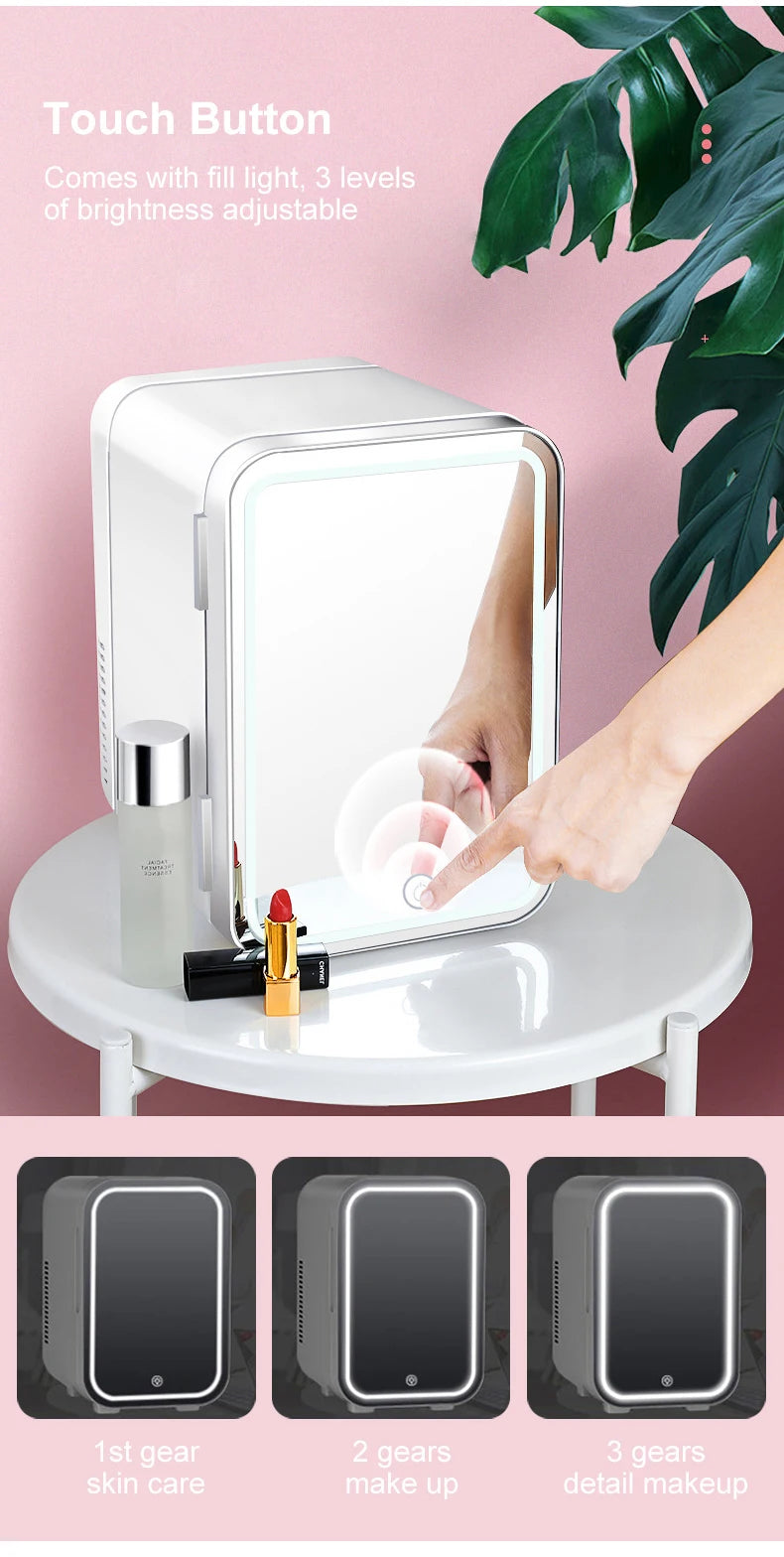
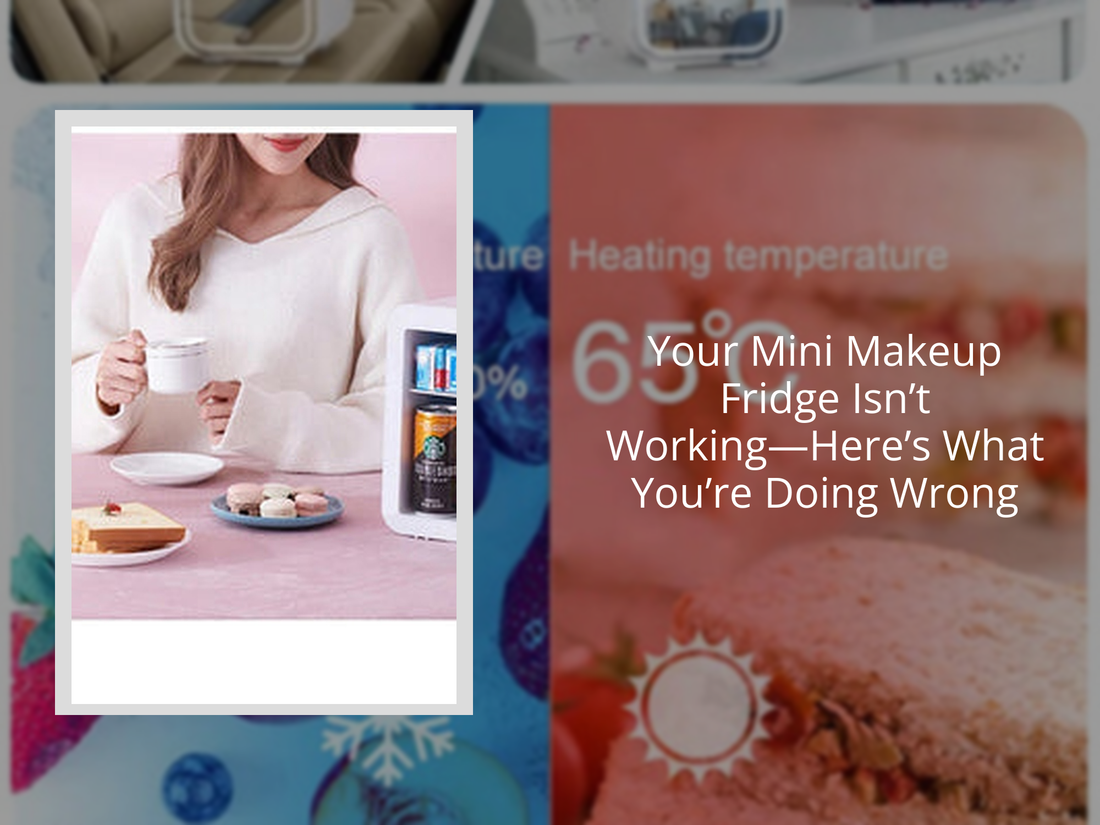
💡 See the KentDO mini makeup fridge with mirror in action — a skincare essential done right.
Why Skincare Fridges Became Popular
Beauty fridges gained popularity through social media routines and influencer skincare setups, often marketed as tools to extend shelf life or enhance results. While cooling certain products feels refreshing, the idea that colder is always better is misleading.
The “Cooling = Better” Myth Explained
Most skincare products are formulated to remain stable at room temperature. Refrigeration can actually disrupt delicate formulations—especially emulsions, oils, and active ingredients—leading to reduced performance rather than improved results.
How Cold Temperatures Affect Skincare Formulas
To understand what not to refrigerate, it helps to know how low temperatures interact with different skincare formulations.
Emulsions Can Separate
Creams and lotions are emulsions—blends of oil and water stabilized by emulsifiers. Cold temperatures can destabilize this balance, causing separation, clumping, or a grainy texture.
Oils Can Solidify or Crystallize
Natural oils often contain fatty acids that harden when chilled. This can clog droppers, alter texture, and make application uneven.
Active Ingredients May Degrade or Become Ineffective
While heat is usually more damaging, extreme cold can still affect how active ingredients absorb or perform—especially if products are repeatedly exposed to temperature changes.
Preservatives Can Become Less Effective
Preservative systems are designed for specific temperature ranges. Refrigeration may reduce their ability to maintain stability once the product returns to room temperature.
What Not to Put in a Skincare Fridge
Here are the most common product types that should not be stored in a skincare fridge—and why.
Oil-Based Products (Face Oils, Balms)
Facial oils and cleansing balms can thicken or solidify in cold temperatures, making them harder to use and less effective.
Clay Masks and Mud Treatments
Clay-based products can harden or dry out faster when exposed to cold, reducing spreadability and performance.
Thick Creams and Emulsions
Moisturizers may separate or become grainy due to disrupted emulsions, especially with repeated cooling and warming cycles.
Retinoids and Prescription Treatments
Retinoids are sensitive to environmental conditions. Unless specifically stated on the packaging, refrigeration can destabilize their formulation.
Certain Serums (Vitamin C, Peptides)
Some vitamin C formulas benefit from stable storage, but others can crystallize. Peptide serums may also lose effectiveness depending on formulation.
What Happens If You Refrigerate These Products Anyway?
If you store the wrong skincare products in a fridge, you may notice:
- Changes in texture (grainy, separated, hardened)
- Reduced absorption into the skin
- Weakened effectiveness of active ingredients
- Difficulty dispensing the product
In many cases, the damage is irreversible—even after returning the product to room temperature.
What You Can Store in a Skincare Fridge (Safe List)
Not everything is off-limits. Some products actually benefit from cooling.
Products That Benefit from Cooling
- Sheet masks (enhanced soothing effect)
- Eye creams (reduce puffiness)
- Aloe gels and calming treatments
- Facial mists for a refreshing boost
These products are typically water-based and less sensitive to temperature shifts.
Signs Your Skincare Has Been Damaged by Cold
Not sure if your product has been affected? Look for these warning signs:
- Separation of liquid and oil layers
- Grainy or uneven texture
- Unusual smell or color change
- Product no longer absorbs properly
If you notice any of these, it’s best to stop using the product.
Why Your Mini Makeup Fridge Isn’t Cooling Properly
A beauty fridge should maintain a consistent cool range. If it’s not, user habits are often the cause.
- Overstuffing limits airflow
- Blocked vents reduce cooling efficiency
- Poor placement near heat sources
- Lack of regular cleaning and maintenance
How to Fix Your Mini Makeup Fridge (Step-by-Step)
- Unplug & Reset: Turn off for 30 minutes.
- Declutter: Remove excess items.
- Check Air Vents: Clean gently.
- Avoid Heat: Keep away from sunlight.
- Test Temperature: Aim for ~45°F (7°C).
- Clean Seals: Ensure tight closure.
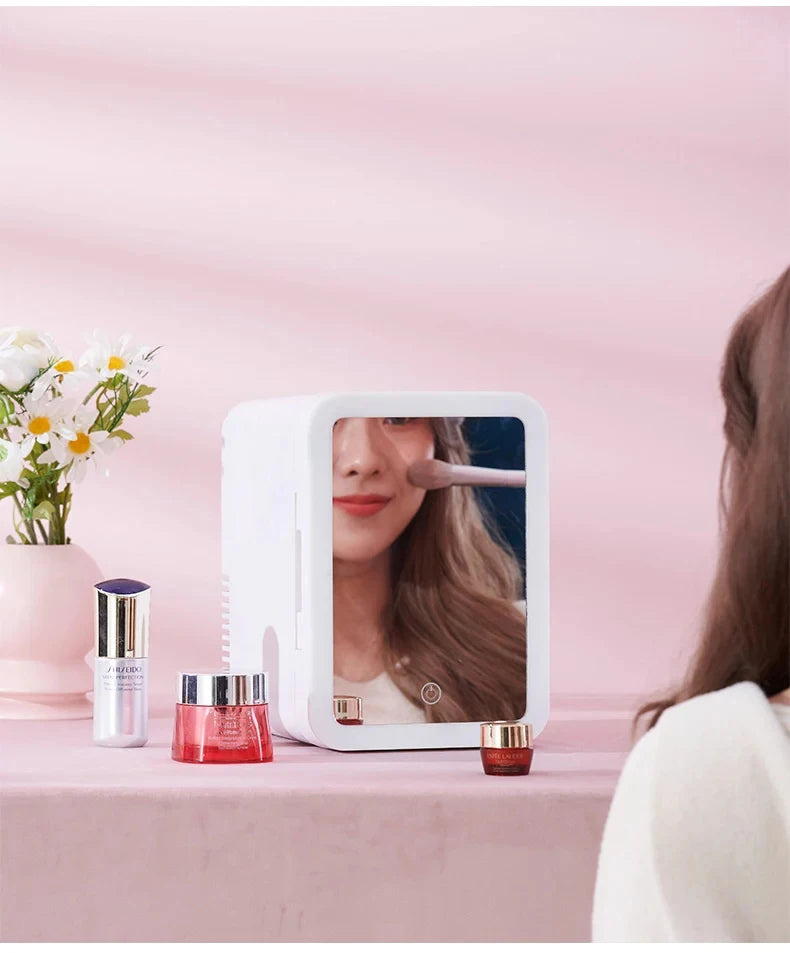
💡 This beauty mini fridge can preserve anti-aging tools, masks, and serums — effortlessly.
Common Skincare Fridge Mistakes (That Ruin Products)
Overloading the Fridge
Packing too many items blocks airflow, causing uneven cooling.
Incorrect Temperature Settings
Beauty fridges should stay between 10–15°C (50–59°F). Too cold can damage formulas.
Storing the Wrong Product Types
Putting oils, creams, and sensitive actives in the fridge is one of the most common mistakes.
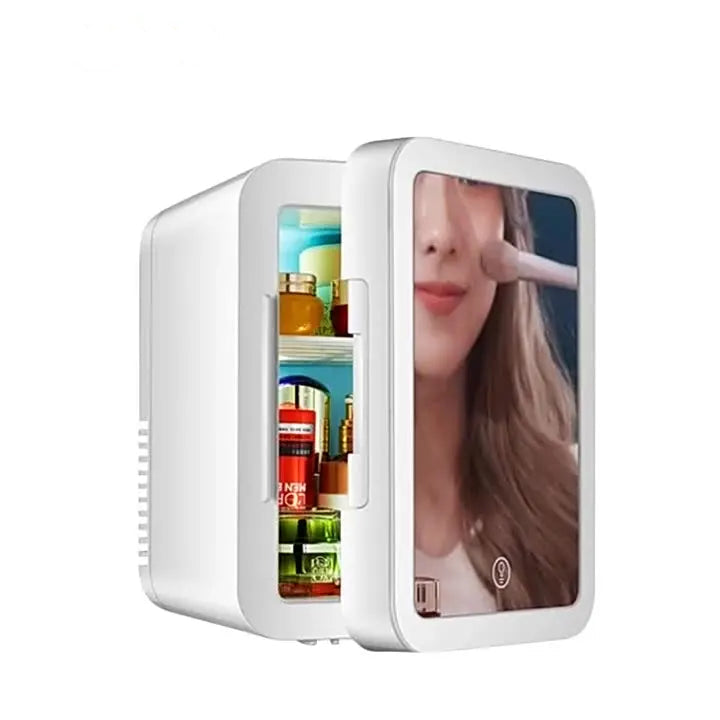
💡 A makeup fridge with mirror that works as hard as your skincare routine.
Best Practices for Using a Beauty Fridge Safely
- Keep temperature consistent (avoid frequent opening)
- Only store products that benefit from cooling
- Do not mix skincare with food or drinks
- Clean regularly to prevent contamination
- Always follow product storage instructions
Skincare Fridge FAQs
- Can you put all skincare in the fridge?
- No. Oils, creams, and some actives can degrade or change texture in cold temperatures.
- Why is my skincare fridge not cooling?
- Common causes include overloading, blocked vents, poor placement, or lack of maintenance.
- What temperature should a beauty fridge be?
- Ideally between 10–15°C (50–59°F) to avoid damaging skincare formulas.
- What skincare benefits from refrigeration?
- Sheet masks, eye creams, aloe gels, and facial mists benefit most from cooling.
For more beauty device tips and product care guides, visit our curated categories:
Pillar Article: How to Use a Car Mini Fridge Like a Pro (Even on Short Trips)
Other Related Articles:
- How Does a Mini Fridge for the Car Work? A Quick Beginner’s Guide
- Can You Put All Skincare in a Mini Fridge? How to Store It Right
- The Right Way to Use a Portable Car Freezer Without Draining Your Battery
- Step-by-Step: Set Up Your Mini Car Refrigerator in Under 10 Minutes
Explore More: