

Benefits of Full Body Massage: Science-Backed Guide to Recovery, Pain Relief & Total Relaxation (2026)
After long workdays, intense workouts, or chronic stress, your body doesn’t just feel tired—it accumulates tension deep within muscles, joints, and even your nervous system. This is where full body massage becomes more than a luxury. It’s a powerful, science-backed recovery tool that supports circulation, reduces pain, and helps your body reset.
Today, you don’t need a spa appointment to experience these benefits. With modern at-home tools and techniques, you can create a personalized recovery routine that fits your lifestyle. Many people now combine massage routines with tools from the Body Care and Health Devices collection to build consistent, effective wellness habits at home.
This guide breaks down the real benefits of full body massage, how it works inside your body, and how to apply it safely using modern devices.
What Is Full Body Massage? (Quick Definition & How It Works)
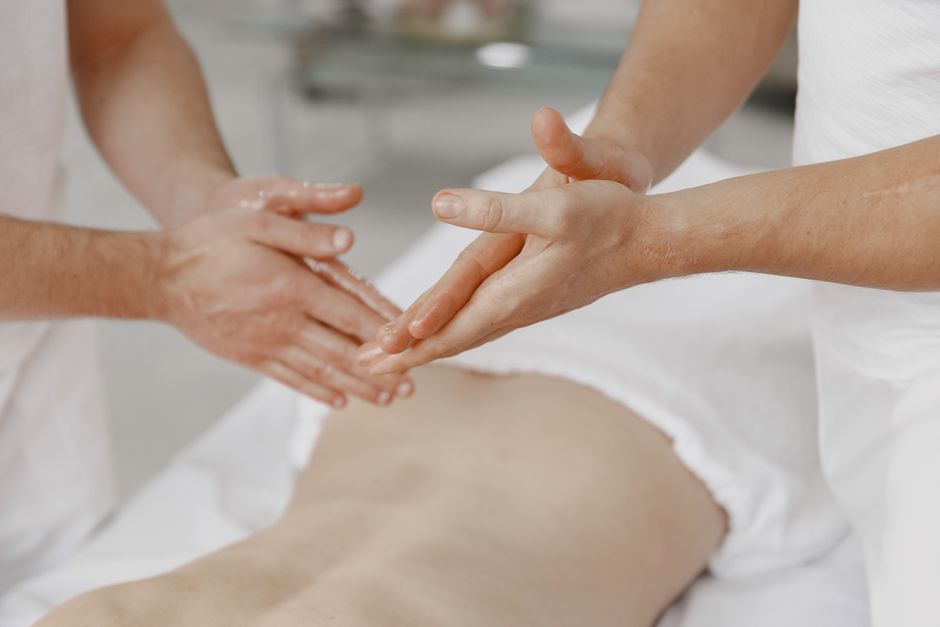
Full body massage is a therapeutic technique that involves applying pressure, vibration, compression, or heat across multiple muscle groups to improve circulation, release tension, and stimulate recovery processes.
How massage affects the body
Massage works through several physiological pathways:
- Muscle tissue stimulation – reduces tightness and improves flexibility
- Blood circulation boost – delivers oxygen and nutrients faster
- Lymphatic drainage – helps remove metabolic waste
- Nervous system regulation – lowers cortisol (stress hormone)
Modern at-home massage technologies
Today’s massage devices replicate professional techniques using:
- Percussion therapy (deep tissue impact)
- Vibration therapy (light relaxation)
- Compression (for circulation and swelling)
- Infrared heat (for muscle relaxation)
Many beginners start by exploring tools in the Warmth & Heat Therapy collection to experience how heat enhances relaxation.
Top Benefits of Full Body Massage (Backed by Science)
1. Faster Muscle Recovery
Massage helps reduce lactic acid buildup and improves oxygen delivery to muscle tissues. This speeds up recovery after exercise and reduces soreness.
Best for: athletes, gym beginners, active lifestyles
2. Reduced Chronic Pain
Regular massage can significantly reduce lower back pain, neck stiffness, and joint discomfort by loosening tight muscles and improving alignment.
Best for: office workers, people with posture issues
3. Improved Blood Circulation
Massage stimulates blood flow, which helps deliver nutrients and remove toxins. This is especially important for people who sit for long hours.
4. Stress & Anxiety Relief
Massage activates the parasympathetic nervous system, helping your body shift into a relaxed state. This lowers stress hormones and improves mental clarity.
Pairing massage routines with calming tools from the Wellness & Relaxation collection can further enhance this effect.
5. Better Sleep Quality
By reducing muscle tension and calming the nervous system, massage improves sleep cycles and helps you fall asleep faster.
6. Enhanced Flexibility & Mobility
Massage stretches muscle fibers and reduces stiffness, improving range of motion over time.
Benefit → Mechanism → Device Type → Usage Guide

| Benefit | How It Works | Best Device Type | Usage |
| Muscle recovery | Increases blood flow | Percussion massager | 10–15 min post-workout |
| Pain relief | Relaxes tight muscles | Deep kneading / heat | Daily short sessions |
| Stress reduction | Lowers cortisol | Vibration / heat | Evening routine |
| Circulation | Stimulates blood flow | Compression / heat | 15–20 min sessions |
Types of Full Body Massage Devices Explained

Percussion Massagers
These deliver rapid pulses deep into muscle tissue. Ideal for breaking up knots and deep tension.
Vibration Massagers
Provide gentle stimulation for relaxation and stress relief. Best for beginners.
Compression Devices
Often used for legs and circulation. They apply rhythmic pressure to improve blood flow.
Infrared Heat Massagers
Use heat to relax muscles and improve circulation. Great for chronic stiffness.
For those exploring comfort-focused tools, the Foot & Body Comfort collection offers supportive options.
Real-Life Use Cases: Who Benefits Most?

Office Workers
Long sitting hours lead to neck and back pain. Massage helps restore posture balance.
Athletes & Fitness Beginners
Speeds up recovery and reduces soreness after workouts.
Elderly Individuals
Improves circulation and joint flexibility, reducing stiffness.
People with Chronic Pain
Helps manage conditions like lower back pain and muscle tension.
Example: At-Home Massage for Neck & Shoulder Relief

A common entry point for full body massage is targeting the neck and shoulders—where most tension accumulates.
KentDO™ Neck & Shoulder Massager – Hot Compress Relief

This type of device combines deep kneading and heat therapy to simulate professional massage techniques, making it ideal for daily stress relief and muscle relaxation.
Pros and Cons of Full Body Massage Devices

| Pros | Cons |
| Convenient home use | Initial cost |
| Saves time vs spa visits | Learning curve |
| Customizable intensity | May not replace professional therapy |
| Multiple health benefits | Requires proper usage |
How to Choose the Right Full Body Massager

1. Identify Your Pain Type
Choose based on whether you need deep tissue relief, relaxation, or circulation improvement.
2. Check Intensity Levels
Beginners should start with adjustable, low-intensity settings.
3. Look for Heat Function
Heat enhances muscle relaxation and improves results.
4. Consider Portability
Lightweight devices are ideal for travel and daily use.
5. Noise Level
Quieter devices are better for home relaxation.
You can explore different categories in the Lifestyle collection for complementary wellness tools.
How to Use Full Body Massage Devices Safely

Recommended Duration
10–20 minutes per session is ideal for most users.
Pressure Zones
Avoid sensitive areas like joints, spine, and injured tissues.
Frequency
Daily use is safe when using moderate intensity.
Who Should Avoid Massage Devices
- People with severe injuries
- Pregnant individuals (consult doctor)
- Those with certain medical conditions
Common Mistakes to Avoid

Using Too Much Pressure
More pressure does not mean better results—it can cause soreness.
Overusing High Intensity
Always start low and increase gradually.
Ignoring Recovery Timing
Massage works best when combined with rest and hydration.
Advanced Example: Deep Tissue + Heat Therapy Combination
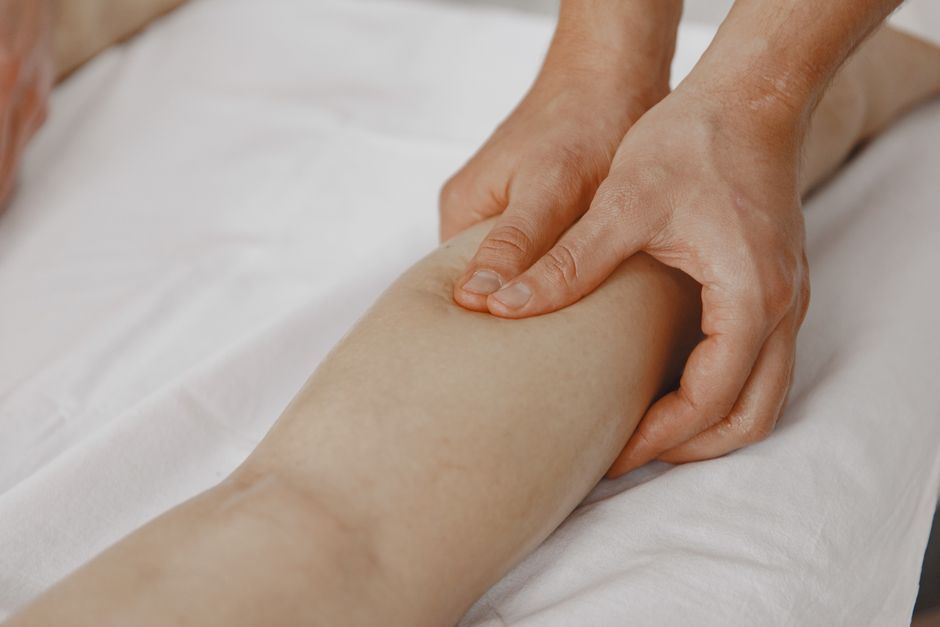
For users seeking deeper muscle relief, combining massage with heat and suction-based therapy can be highly effective.
KentDO™ Smart Electric Cupping Device – Heat & Massage Relief

This approach combines traditional cupping therapy with modern heat and massage functions to stimulate circulation and release deep muscle tension.
Comparison: Massage Devices vs Traditional Methods

| Method | Convenience | Effectiveness | Cost |
| Professional massage | Low | High | High |
| Massage devices | High | Medium–High | Medium |
| Manual stretching | High | Medium | Low |
How to Create a Spa Experience at Home

You can turn your home into a relaxation space by combining massage with:
- Soft lighting
- Calming music
- Aromatherapy
- Comfort tools from the Skin and Beauty Care Devices collection
FAQ: Full Body Massage Benefits
Does full body massage help chronic pain?
Yes, it reduces muscle tension and improves circulation, which helps manage chronic pain.
How often should I use a massager?
Most people benefit from daily 10–20 minute sessions.
Are massage devices safe for beginners?
Yes, as long as you start with low intensity and follow safety guidelines.
Can massage improve circulation?
Absolutely. It stimulates blood flow and supports overall cardiovascular health.
Do heated massagers work better?
Heat enhances muscle relaxation and improves effectiveness.
Conclusion: Choosing the Right Massage Approach
The real value of full body massage comes from consistency, not complexity. Whether you’re targeting muscle recovery, stress relief, or chronic pain, the key is matching the right technique to your needs.
Start simple. Focus on your most common pain areas. Use safe, short sessions. Over time, your body adapts—and the benefits compound.
Explore tools, build a routine, and treat recovery as part of your daily lifestyle—not just an occasional fix.
Pillar Article: Home Massage Equipment: Complete 2026 Buyer’s Guide for Stress Relief & Muscle Recovery













