

10 Best Battery Powered Heated Socks for Hiking, Camping & Winter 2026
Freezing feet can turn an incredible winter hike, camping trip, or ski weekend into an uncomfortable experience within minutes. Whether you spend long hours outdoors, commute through snow, work in cold weather, or struggle with poor circulation, battery powered heated socks have become one of the most effective ways to maintain warmth and comfort during winter 2026.
Modern heated socks now combine lightweight heating elements, moisture-wicking fabrics, adjustable temperature settings, and safer battery systems designed for outdoor performance. Many hikers and winter travelers also combine them with accessories from the Warmth & Heat Therapy collection to build a complete cold-weather comfort system.
In this guide, we tested leading heated sock categories for hiking, camping, winter travel, circulation support, and all-day cold exposure. We also cover battery life, layering systems, circulation tips, maintenance, and alternatives that help keep feet warm during long winter adventures.
Why Battery Powered Heated Socks Matter in Winter 2026

Cold feet affect more than comfort. Reduced warmth can decrease mobility, create numbness, increase fatigue during hikes, and make winter camping significantly more difficult. Heated socks help maintain consistent warmth around the toes and forefoot, which are usually the first areas affected by cold exposure.
Outdoor enthusiasts increasingly rely on heated socks for winter trekking, snowshoeing, hunting, skiing, cycling, and cold-weather commuting because they provide active heat rather than passive insulation alone.
How Heated Socks Generate Warmth
Most battery powered heated socks use thin carbon fiber or conductive heating wires integrated into the toe box and forefoot sections. These heating zones are powered by compact rechargeable batteries or removable AA battery packs attached near the calf area.
The best heated socks typically offer:
- Three adjustable heat levels
- Toe-focused warming zones
- Moisture-wicking insulation
- Breathable stretch fabric
- Washable battery-removal designs
- Low-profile battery placement
Modern designs also improve heat distribution so warmth feels more natural and less concentrated compared to older electric sock designs.
Who Benefits Most From Heated Socks
Heated socks are especially helpful for:
- Winter hikers and backpackers
- Cold-weather campers
- Skiers and snowboarders
- Hunters and ice fishers
- Retail workers standing outdoors
- Winter cyclists
- Travelers visiting cold climates
- People experiencing mild circulation-related cold feet
Many users also combine heated socks with products from the Foot & Body Comfort collection for recovery after long outdoor sessions.
Battery Powered Heated Socks vs Disposable Foot Warmers
Disposable foot warmers are inexpensive and lightweight, but they provide less temperature control and usually lose effectiveness after several hours. Heated socks offer reusable warmth, adjustable settings, and better heat consistency for extended outdoor activities.
| Feature | Heated Socks | Disposable Warmers |
| Reusable | Yes | No |
| Adjustable Heat | Yes | No |
| Runtime Control | Variable | Fixed |
| Long-Term Cost | Lower over time | Higher with repeated use |
| Comfort During Hiking | Better mobility | Can bunch inside boots |
How We Tested the Best Heated Socks for Winter Use
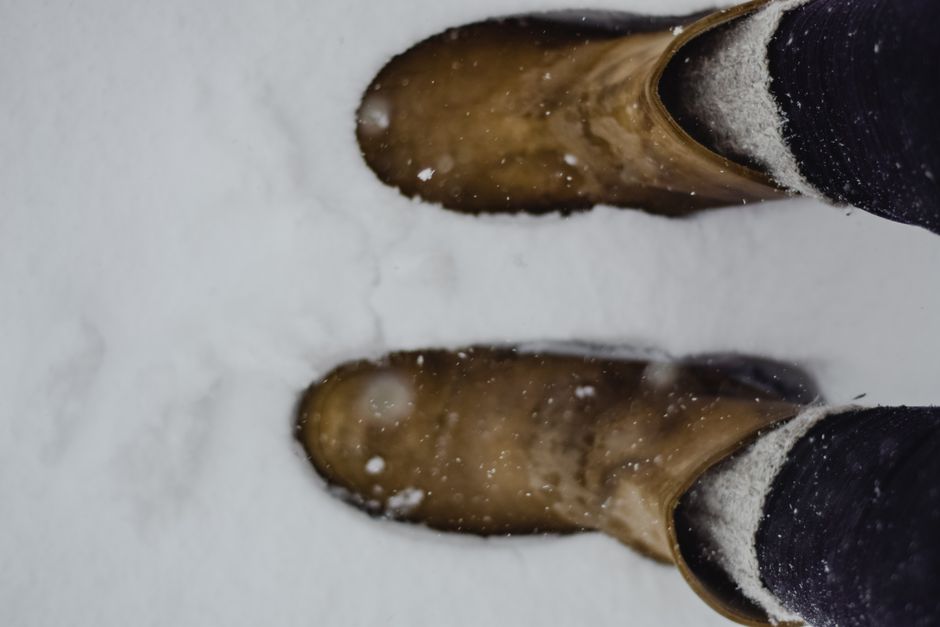
Our evaluation focused on real-world winter conditions rather than controlled indoor testing alone. We analyzed warmth retention, comfort, moisture control, battery performance, layering compatibility, and long-term durability.
Cold Weather Testing Conditions
Testing included:
- Snow hiking in sub-freezing temperatures
- Wind exposure during camping
- Long periods of inactivity outdoors
- Winter commuting and urban walking
- Ski boot compatibility checks
We also evaluated how quickly feet became cold once heating modes were reduced or turned off.
Battery Runtime & Charging Evaluation
Battery performance remains one of the biggest differences between heated sock categories. Runtime varied significantly depending on heat setting.
| Heat Mode | Typical Runtime | Best Use |
| Low | 6–10 hours | Camping & long hikes |
| Medium | 4–6 hours | General winter use |
| High | 2–4 hours | Extreme cold exposure |
Comfort, Thickness & Boot Compatibility
Overly thick heated socks can restrict circulation when combined with tight hiking boots. The best designs balance insulation with flexibility and breathability.
We prioritized socks that:
- Fit comfortably inside winter boots
- Reduced sweating during movement
- Prevented toe pressure
- Maintained flexibility during hikes
Durability & Washing Tests
Durability testing included repeated washing cycles, battery removal inspections, stitching analysis, and long-term heating consistency checks.
Washable designs with removable battery systems performed best during repeated winter use.
Quick Comparison Table: Best Battery Powered Heated Socks for Winter 2026

| Category | Best For | Key Advantage | Ideal Use |
| Best Overall | Balanced winter use | Reliable warmth + comfort | Daily outdoor wear |
| Best for Hiking | Trail movement | Moisture control | Snow hiking |
| Best for Camping | Long cold exposure | Extended runtime | Overnight camping |
| Best for Poor Circulation | Cold-sensitive feet | Gentle warmth support | Daily winter comfort |
| Best Budget Option | Casual winter users | Affordable warmth | Commuting |
Many winter travelers also browse the Wellness & Relaxation collection to combine warmth products with recovery and relaxation tools.
10 Best Battery Powered Heated Socks for Hiking, Camping & Winter Travel
Best Overall Heated Socks
The best overall heated socks combine balanced insulation, reliable heating coverage, flexible fabric, and manageable battery weight. Outdoor users generally benefit most from socks that provide moderate heat for longer durations rather than extremely high temperatures with short runtimes.
A good example is the Heated Socks for Cold Feet – Battery-Powered Winter Warmth.

These socks focus warmth around the toe area while maintaining breathable insulation suitable for hiking, camping, and winter commuting. The three heat settings make them adaptable for changing weather conditions throughout the day.
Best Heated Socks for Winter Hiking
Winter hiking requires socks that control sweat while maintaining warmth. Excess moisture becomes dangerous in freezing temperatures because damp socks accelerate heat loss once movement slows down.
The best hiking-focused heated socks feature:
- Moisture-wicking inner layers
- Flexible toe zones
- Thin heating wires
- Stable battery placement
- Breathable calf sections
Layering also matters. Many hikers combine heated socks with lightweight wool outer socks and insulated boots for better warmth retention.
Best Heated Socks for Camping Trips
Camping requires long-duration warmth rather than short bursts of intense heat. Low and medium heat modes often work best because they extend battery life overnight.
Campers should prioritize:
- Long runtime batteries
- Comfort during inactivity
- Easy battery replacement
- Soft inner fabric
- Washable construction
Some campers also use insulated foot warmers inside sleeping bags to reduce battery drain overnight.
Best Heated Socks for Poor Foot Circulation
People with cold-sensitive feet often benefit from gentle continuous warmth rather than excessive heat. Heated socks may help improve comfort during winter walks, desk work, or long outdoor exposure.
However, overly tight boots can reduce circulation regardless of sock quality. Proper footwear fit remains essential for maintaining warmth.
Supportive recovery products from the Body Care and Health Devices collection are also popular among users managing foot fatigue and circulation discomfort.
Best Lightweight Heated Socks
Lightweight heated socks work best for active movement, especially hiking and skiing. Thin-profile designs reduce pressure points inside boots and improve mobility on uneven terrain.
Look for:
- Low-bulk batteries
- Stretch compression zones
- Minimal seam construction
- Quick-drying fabric
Best Heavy-Duty Heated Socks for Extreme Cold
Hunters, snowmobilers, and winter workers exposed to severe cold often need maximum insulation and stronger heating capacity.
Heavy-duty models typically offer:
- Thicker insulation
- Extended toe heating coverage
- Larger battery packs
- Wind-resistant fabric blends
- Higher maximum temperatures
The tradeoff is increased bulk and reduced flexibility during long hikes.
Best Heated Socks for Skiing & Snowboarding
Ski boot compatibility is critical. Thick socks inside tight ski boots can reduce circulation and actually make feet colder over time.
The best skiing heated socks prioritize:
- Thin compression-style fit
- Flexible ankle movement
- Even toe heating
- Minimal battery interference
Best USB Rechargeable Heated Socks
USB rechargeable systems simplify travel and reduce disposable battery waste. Travelers often prefer rechargeable heated socks because they can be powered from portable battery banks during extended trips.
Rechargeable systems also tend to offer more consistent voltage output and smoother heat regulation.
Best Compression Heated Socks
Compression heated socks combine warmth with mild support around the calf and ankle. These designs may improve comfort during long flights, standing work shifts, or cold-weather walking.
Compression should feel supportive rather than restrictive. Overly aggressive compression can reduce comfort during long hikes.
Best Budget Heated Socks
Budget heated socks can still perform well for casual winter use, commuting, and short outdoor activities. The biggest compromises usually involve battery longevity, insulation quality, and heating consistency.
For occasional use, simpler heated sock systems often provide enough warmth without requiring premium outdoor-grade materials.
How to Choose the Right Heated Socks for Your Activity

The best heated socks depend heavily on your environment, activity level, and circulation needs.
Best Heated Socks for Hiking
Hikers should prioritize moisture control and flexibility. Excess sweat becomes problematic during long climbs and changing temperatures.
Look for:
- Breathable fabric blends
- Arch support
- Thin toe seams
- Stable battery placement
- Quick-drying materials
Best Heated Socks for Camping & Hunting
Camping and hunting involve long periods of reduced movement, which increases cold sensitivity. Longer battery runtime becomes more important than lightweight design.
Layering systems are especially useful in these situations. Many outdoor enthusiasts pair heated socks with accessories from the Foot & Body Comfort collection for additional recovery and warmth support.
Best Heated Socks for Winter Work Conditions
Outdoor workers need durable socks capable of handling repeated daily use. Comfort inside steel-toe boots and waterproof footwear also becomes important.
Workers often benefit from:
- Reinforced heel sections
- Sweat-resistant fabric
- Long runtime batteries
- Stable heat output
- Machine-washable construction
Choosing Heated Socks for Poor Circulation
People with circulation-related cold feet should prioritize moderate warmth, non-restrictive fit, and breathable fabric.
Gentle heat combined with regular foot movement, stretching, hydration, and proper footwear often improves winter comfort more effectively than heat alone.
Battery Life, Charging Speed & Heat Settings Explained
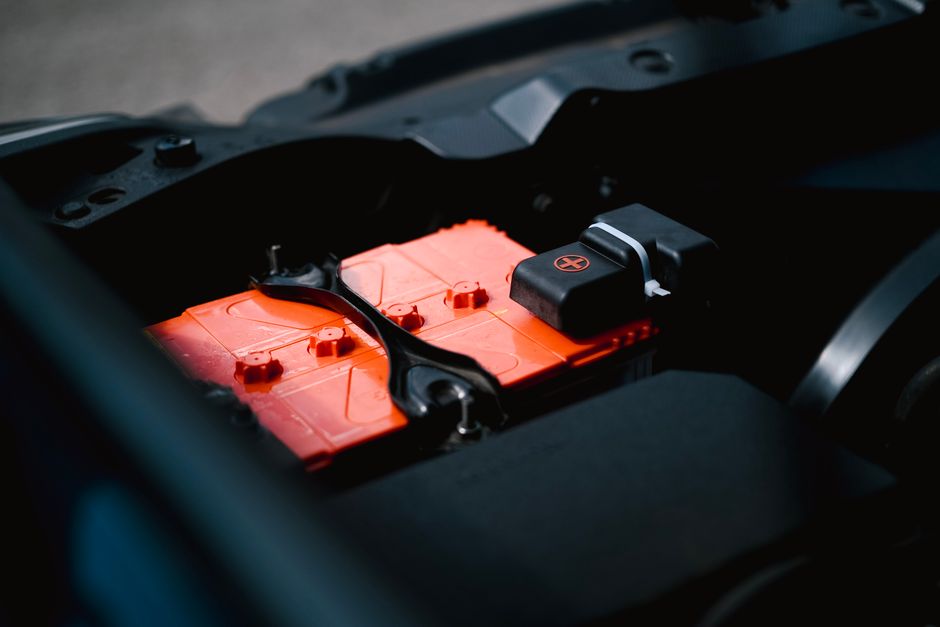
How Long Heated Socks Stay Warm
Battery runtime depends on:
- Battery size
- Outside temperature
- Heat setting
- Activity level
- Wind exposure
Most modern heated socks remain warm for 3–10 hours depending on usage conditions.
Fast Charging vs Long Runtime Batteries
Fast-charging batteries are convenient for travel and day hikes, but larger batteries typically provide longer runtimes during overnight camping or extended outdoor work shifts.
Some users carry backup battery packs during multi-day trips to avoid losing warmth unexpectedly.
Low vs Medium vs High Heat Modes
High heat modes are useful during initial warm-up or severe cold exposure, but medium and low settings usually provide better long-term comfort and battery efficiency.
| Heat Mode | Best Situation |
| Low | Long hikes and camping |
| Medium | General winter use |
| High | Extreme cold or inactive exposure |
Sock Layering Systems for Winter Hiking & Outdoor Survival
Even the best heated socks perform better when combined with an effective winter layering system.
Base Layers, Heated Socks & Outer Wool Layers
A proper winter foot layering system often includes:
- Moisture-wicking liner sock
- Heated sock layer
- Loose insulating outer sock
- Insulated winter boot
This setup improves warmth retention while reducing sweat buildup inside boots.
Avoiding Tight Boots That Restrict Circulation
One of the most common mistakes is wearing boots that compress the toes once thicker winter socks are added. Reduced circulation frequently causes colder feet even when heated socks are active.
Winter boots should leave enough room for slight toe movement while maintaining ankle stability.
Best Insoles & Foot Warmers to Combine With Heated Socks
Heated insoles, thermal footbeds, and insulated boot liners can extend warmth duration while reducing energy consumption from heated socks.
Travelers also explore the Lifestyle collection for portable winter comfort accessories during long trips.
Alternatives to Heated Socks for Cold Feet
Heated socks are effective, but they are not the only solution for cold feet during winter.
Best Heated Foot Warmers for Camping
Electric foot warmers work especially well inside tents, cabins, offices, and indoor recovery spaces after cold exposure.
The Electric Heated Foot Warmer with 9-Level Temperature Control is one example designed for recovery and indoor warmth support.

Its adjustable heat settings and soft insulation make it useful after long hikes, camping trips, or extended cold-weather exposure.
USB Electric Foot Warmers for Travel
USB-powered warmers are lightweight and convenient for office use, flights, train travel, and hotel stays. They generally produce less heat than larger plug-in systems but remain portable and easy to recharge.
Electric Shoe Dryers for Hiking Boots
Wet boots dramatically reduce warmth retention. Electric boot dryers help eliminate moisture buildup after snow hikes and rainy winter conditions.
Dry boots also reduce odor, improve comfort, and extend the life of insulated footwear.
Compression Socks for Poor Circulation
Compression socks provide support and mild circulation assistance but do not generate heat. Some users layer lightweight compression socks beneath heated systems for added comfort.
Thermal Leg Warmers for Winter Cycling
Winter cyclists often lose heat through exposed calves and ankles. Thermal leg warmers help maintain overall lower-body warmth and reduce cold airflow around sock openings.
How to Wash and Maintain Heated Socks Safely
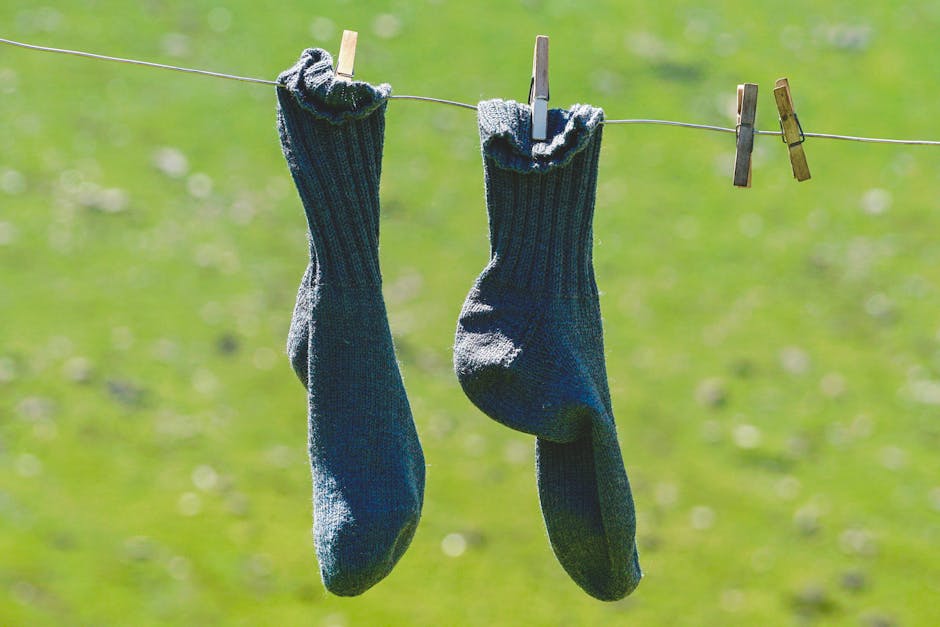
Removing Batteries Before Washing
Always remove battery packs before washing heated socks. Washing connected battery systems can damage internal wiring and create safety risks.
Machine Washing vs Hand Washing
Many heated socks are machine washable on gentle cycles once batteries are removed, but hand washing typically extends fabric lifespan and preserves heating elements longer.
Using mesh laundry bags also helps protect wiring during machine washing.
Drying & Storage Best Practices
Allow heated socks to air dry fully before reconnecting batteries. Avoid high-heat dryers because excessive temperatures can damage conductive wiring.
During off-season storage:
- Remove batteries
- Store in dry environments
- Avoid folding tightly over heating zones
- Inspect wiring periodically
Common Heated Sock Buying Mistakes
Choosing Socks That Are Too Thick
Thicker is not always warmer. Excessively bulky socks can reduce circulation inside boots and trap sweat during movement.
Ignoring Battery Placement Comfort
Awkward battery placement can interfere with hiking gait, ski boots, or sitting comfort during long travel days.
Low-profile battery positioning usually provides the best balance between stability and mobility.
Buying Based Only on Maximum Heat
Many buyers focus only on peak temperature, but runtime consistency, moisture management, and comfort are usually more important for real-world outdoor use.
Exploring the Skincare & Hydration collection can also help winter hikers manage cracked heels and dry skin caused by cold-weather exposure.
Frequently Asked Questions
How long do battery powered heated socks stay warm?
Most heated socks stay warm for 3–10 hours depending on battery capacity, outside temperature, and selected heat mode.
Are heated socks safe for poor circulation in feet?
Many people with cold-sensitive feet use heated socks for comfort, but proper fit and moderate heat settings are important. Tight footwear should always be avoided.
What are the best battery powered heated socks for hiking?
The best hiking heated socks balance warmth, moisture control, flexibility, and long battery runtime without adding excessive bulk inside boots.
How do you wash heated socks with batteries?
Remove battery packs before washing. Most heated socks can then be hand-washed or machine-washed on gentle settings.
Do heated socks work better than foot warmers for camping trips?
Heated socks provide adjustable active warmth and better mobility, while disposable warmers are simpler and lighter for short-term use.
Can heated socks be worn inside ski boots?
Yes, but thinner heated sock designs usually work best because tight ski boots can restrict circulation.
Are heated socks safe for overnight camping use?
Many campers use low heat settings safely during overnight trips, but batteries should always be monitored and used according to manufacturer instructions.
Do heated socks help with foot pain after long hikes?
Warmth may improve comfort and reduce stiffness after long hikes, especially during cold weather recovery periods.
What temperature should heated socks be used at?
Low and medium settings are usually best for prolonged use, while high heat settings work better for severe cold exposure.
Can you wear heated socks with compression socks?
Some users layer lightweight compression socks beneath heated socks, but fit should remain comfortable and non-restrictive.
Conclusion
The best battery powered heated socks for winter 2026 depend on your environment, activity level, circulation needs, and preferred battery runtime. Hikers usually prioritize breathability and mobility, while campers and winter workers often need extended warmth and stronger insulation.
Rather than relying on a single product, experienced outdoor users often build a complete winter warmth system that includes proper layering, insulated boots, moisture management, recovery tools, and circulation-friendly footwear choices.
For more cold-weather comfort ideas, explore the Warmth & Heat Therapy and Wellness & Relaxation collections for additional winter recovery and foot care solutions.
Pillar Article: Daily Feet Care Routine: Complete Guide for Healthy, Pain-Free Feet













