

Best Facial Cleansing Brushes for Every Skin Type in 2026
At-home skincare devices have become a major part of modern beauty routines in 2026. From silicone cleansing brushes to sonic facial massagers and beginner-friendly exfoliation tools, more people are turning to skincare technology to improve cleansing results, reduce clogged pores, and support healthier-looking skin. But with so many options available, choosing the right facial cleansing brush can feel overwhelming — especially for beginners with sensitive, acne-prone, oily, dry, or mature skin.
The best facial cleansing brush is not necessarily the strongest or most expensive device. The safest and most effective option depends on your skin barrier health, exfoliation tolerance, cleansing goals, and how consistently you maintain proper skincare habits. Over-cleansing, aggressive scrubbing, and poor hygiene can easily turn a helpful device into a source of irritation.
This dermatologist-informed guide explains how facial cleansing brushes work, how to choose the right device for your skin type, how often to use exfoliating tools safely, and which cleansing technologies are best for beginners. You will also learn how silicone brushes compare with rotating cleansing devices, how to avoid damaging your skin barrier, and how to integrate cleansing tools into a healthy skincare routine.
Many skincare beginners also combine cleansing devices with collections like Skin and Beauty Care Devices and Skincare & Hydration to build a more balanced at-home skincare routine.
Why Facial Cleansing Brushes Became Essential in Modern Skincare

Facial cleansing brushes evolved from simple manual brushes into advanced silicone devices with sonic vibration, pressure control, waterproof designs, and skin-friendly cleansing modes. These tools help remove excess oil, sunscreen residue, makeup buildup, dead skin cells, and environmental debris more effectively than hands alone.
As skincare routines became more focused on prevention, hydration, and skin barrier support, cleansing devices also shifted toward gentler technologies. Silicone cleansing brushes are now especially popular because they are easier to sanitize and generally safer for beginners than harsh rotating bristle systems.

What Facial Cleansing Brushes Actually Do
Facial cleansing brushes support skincare routines in several ways:
- Remove excess oil and debris from pores
- Improve makeup and sunscreen removal
- Provide mild physical exfoliation
- Enhance circulation through massage stimulation
- Help skincare products absorb more evenly
- Reduce buildup that contributes to blackheads and congestion
Sonic cleansing devices use vibration technology to loosen dirt and oil while minimizing aggressive friction. Silicone devices are particularly useful because they resist bacterial buildup better than traditional nylon bristles.
Who Should Use a Facial Cleansing Device
Most skin types can benefit from facial cleansing brushes when they are used correctly. People with oily or combination skin often use cleansing devices to manage pore congestion and excess sebum. Sensitive skin users may prefer ultra-soft silicone brushes with low-intensity settings.
Individuals with mature skin frequently combine cleansing tools with anti-aging skincare products because gentle exfoliation can improve the appearance of dullness and uneven texture. Dry skin users benefit from careful cleansing routines that remove debris without stripping moisture.
Those exploring advanced beauty tools often expand into collections like Body Care and Health Devices and Wellness & Relaxation as part of broader self-care routines.
When Cleansing Brushes Can Harm Your Skin Barrier
Over-exfoliation is one of the most common mistakes beginners make with beauty devices. Excessive cleansing frequency, strong pressure, or combining cleansing brushes with aggressive acids can damage the skin barrier.
Signs of barrier damage include:
- Persistent redness
- Tightness after cleansing
- Burning when applying skincare products
- Flaking or peeling skin
- Increased breakouts
- Heightened sensitivity
The goal of a cleansing brush is to support skin health — not scrub the skin aggressively. Gentle, consistent routines are far more effective than harsh exfoliation.
How to Choose the Best Facial Cleansing Brush for Your Skin Type

Choosing the right cleansing brush depends on skin sensitivity, oil production, acne concerns, and exfoliation tolerance. Beginners should prioritize gentle silicone surfaces, adjustable intensity settings, waterproof construction, and hygienic materials.
| Skin Type | Recommended Device Type | Ideal Usage Frequency |
| Sensitive Skin | Soft silicone sonic brush | 2–4 times weekly |
| Acne-Prone Skin | Antibacterial silicone brush | Once daily or every other day |
| Oily Skin | Deep pore sonic cleansing device | Once daily |
| Dry Skin | Gentle low-frequency cleansing brush | 2–3 times weekly |
| Mature Skin | Massage-enhanced sonic device | 3–5 times weekly |
A beginner-friendly example is the KentDO™ 3D Silicone Facial Cleansing Brush for Deep Pore Care, which uses soft silicone surfaces designed for gentle cleansing and daily skincare support.

Readers looking for broader skincare technology options often explore the Skin and Beauty Care Devices collection for complementary cleansing and hydration tools.
Best Cleansing Brushes for Sensitive Skin
Sensitive skin requires low-friction cleansing methods that minimize irritation. Silicone cleansing brushes are generally safer than rotating nylon bristle systems because they create less mechanical abrasion.
Look for:
- Ultra-soft silicone textures
- Low vibration intensity settings
- Short cleansing cycles
- Pressure-sensitive designs
- Hypoallergenic materials
Beginners with rosacea-prone or reactive skin should avoid harsh exfoliating brush heads and aggressive scrubs.
Best Facial Brushes for Acne-Prone Skin
Acne-prone skin benefits from consistent cleansing but can worsen when over-exfoliated. Silicone brushes are often preferred because they resist bacterial buildup more effectively than traditional bristle heads.
Acne-safe cleansing routines should focus on:
- Gentle pore cleansing
- Oil removal without stripping moisture
- Regular brush sanitation
- Minimal friction
- Non-comedogenic cleansers
Avoid using cleansing brushes over active inflamed cystic acne lesions, as friction can worsen irritation.
Best Devices for Oily and Combination Skin
Oily skin types often prefer sonic vibration devices because they help loosen excess oil and reduce congestion around the nose, chin, and forehead. Deep pore cleansing routines can improve the appearance of blackheads and texture irregularities.
However, overly aggressive cleansing may trigger rebound oil production. The best strategy is consistent but gentle cleansing rather than intense exfoliation.
Best Cleansing Brushes for Dry or Dehydrated Skin
Dry skin users should prioritize hydration protection. Over-cleansing is especially common among beginners trying to achieve smoother skin quickly.
Hydration-safe cleansing practices include:
- Using cream cleansers
- Limiting exfoliation frequency
- Avoiding hot water
- Applying moisturizer immediately after cleansing
- Using low-intensity brush settings
Combining cleansing routines with products from the Skincare & Hydration collection can help maintain moisture balance.
Best Facial Cleansing Tools for Mature Skin and Anti-Aging
Mature skin often benefits from gentle exfoliation because cell turnover naturally slows with age. Sonic facial cleansing devices with massage features may help improve circulation and skincare absorption while supporting smoother skin texture.
Beginners should focus on consistency rather than aggressive anti-aging treatments. Gentle cleansing, hydration, sunscreen, and proper barrier support remain the foundation of healthy skin aging.
Silicone vs Rotating Facial Brushes: Which Is Safer and More Effective?

One of the biggest debates in skincare technology is whether silicone cleansing brushes outperform rotating bristle systems. The answer depends largely on skin sensitivity and cleansing goals.

| Feature | Silicone Brushes | Rotating Brushes |
| Gentleness | High | Moderate |
| Hygiene | Excellent | Requires brush head replacement |
| Exfoliation Intensity | Mild to moderate | Moderate to strong |
| Beginner Friendly | Very high | Moderate |
| Acne Compatibility | Generally safer | Can irritate inflamed acne |
Benefits of Silicone Facial Cleansing Brushes
Silicone cleansing brushes dominate beginner skincare routines because they are softer, easier to clean, and more hygienic. Their flexible surfaces create gentle exfoliation while reducing the risk of microscopic skin tears.
Modern silicone brushes often include:
- Sonic vibration technology
- Waterproof construction
- Rechargeable batteries
- Massage functions
- Pressure-sensitive controls
Benefits of Rotating Facial Brushes
Rotating cleansing brushes can provide stronger exfoliation and deeper cleansing sensations. Some users with oily or congested skin enjoy the polishing effect these devices create.
However, aggressive rotation can irritate sensitive skin and worsen inflammation when overused. Brush heads also require consistent replacement to maintain hygiene.
Which Device Type Is Better for Beginners?
For most beginners, silicone cleansing devices are the safest starting point. They are easier to sanitize, gentler on the skin barrier, and less likely to cause over-exfoliation.
The KentDO™ Electric Silicone Facial Brush – Deep Pore Cleansing & Massage is an example of a beginner-friendly silicone device with adjustable cleansing modes and waterproof construction.

Understanding Exfoliation: Physical vs Chemical Exfoliation

Exfoliation helps remove dead skin cells and improve skin texture, but excessive exfoliation can compromise the skin barrier. Cleansing brushes provide physical exfoliation, while acids like AHAs and BHAs provide chemical exfoliation.

How Facial Cleansing Brushes Affect Exfoliation
Cleansing brushes mechanically loosen dead skin cells through friction and vibration. Gentle silicone brushes create milder exfoliation than rotating bristle systems.
Proper exfoliation can:
- Improve smoothness
- Reduce dullness
- Support skincare absorption
- Help unclog pores
- Enhance skin texture
However, exfoliation should never leave the skin raw or painfully tight.
When to Avoid Combining Acids With Cleansing Devices
Many beginners accidentally over-exfoliate by combining cleansing brushes with retinol, AHAs, BHAs, scrubs, and exfoliating toners simultaneously.
Reduce cleansing device usage if you are using:
- Retinol
- Glycolic acid
- Salicylic acid
- Lactic acid
- Physical facial scrubs
Skin barrier protection should always take priority over aggressive resurfacing.
Signs You Are Over-Exfoliating Your Skin
Common warning signs include:
- Burning sensations
- Persistent redness
- Sudden breakouts
- Excessive dryness
- Flaking patches
- Skin sensitivity
If these symptoms appear, reduce exfoliation frequency and focus on hydration and barrier repair.
How Often Should You Use a Facial Cleansing Brush?

The ideal cleansing frequency depends on skin type, climate, exfoliation tolerance, and the type of device being used.
Daily Use Recommendations by Skin Type
| Skin Type | Recommended Frequency |
| Sensitive Skin | 2–4 times weekly |
| Dry Skin | 2–3 times weekly |
| Normal Skin | Once daily |
| Oily Skin | Once daily |
| Mature Skin | 3–5 times weekly |
Morning vs Evening Cleansing Routines
Most people benefit more from cleansing devices during evening routines because this is when sunscreen, makeup, sweat, and environmental pollutants accumulate on the skin.
Morning cleansing can often remain gentle and minimal, especially for sensitive or dry skin types.
How Seasonal Changes Affect Cleansing Frequency
Winter weather and dry indoor heating can weaken the skin barrier, making aggressive cleansing more irritating. Summer humidity and sunscreen buildup may increase cleansing needs slightly.
Adjust your routine gradually based on how your skin responds rather than following rigid schedules.
Step-by-Step Beginner Routine for Facial Cleansing Devices

Beginners should start slowly and focus on technique rather than intensity. Consistent gentle routines deliver better long-term results than aggressive exfoliation sessions.

Preparing Your Skin Before Cleansing
Always remove makeup and sunscreen before using a cleansing device. This prevents debris from being pushed deeper into pores.
Choose gentle cleansers without harsh scrubbing particles or excessive fragrance.
How to Use a Cleansing Brush Correctly
- Wet your face with lukewarm water
- Apply cleanser to damp skin
- Use gentle circular motions
- Avoid pressing aggressively
- Cleanse for 30–60 seconds maximum
- Rinse thoroughly
- Pat skin dry
- Apply hydrating skincare immediately afterward
The KentDO™ Sonic Facial Cleansing Brush demonstrates how modern sonic vibration technology can support gentle daily cleansing without relying on aggressive scrubbing.
Many users also pair cleansing routines with products from the Wellness & Relaxation collection to support stress reduction and self-care habits.
Post-Cleansing Skincare Layering Guide
After cleansing, apply hydrating and barrier-supporting skincare while the skin remains slightly damp.
A simple beginner layering routine:
- Hydrating toner or mist
- Hyaluronic acid serum
- Moisturizer
- Barrier cream if needed
- Sunscreen during daytime
Combining Cleansing Devices With LED Skincare Devices
Advanced skincare users sometimes combine cleansing devices with LED light therapy, hydration tools, or facial massage systems. Beginners should introduce only one new device at a time to monitor skin reactions carefully.
Common Facial Cleansing Brush Mistakes That Damage Skin

Even high-quality skincare tools can create problems when used incorrectly. Most irritation comes from user habits rather than the devices themselves.

Using Too Much Pressure
Pressing harder does not improve cleansing results. Excessive force creates micro-irritation and inflammation that weaken the skin barrier over time.
Overusing Exfoliating Attachments
Strong exfoliating heads should be used cautiously, especially by beginners. Daily aggressive exfoliation often leads to redness, sensitivity, and compromised skin texture.
Failing to Clean and Replace Brush Heads
Dirty cleansing devices can harbor bacteria, oil residue, and product buildup. Silicone brushes are easier to maintain, but they still require regular cleaning.
Sanitize devices regularly with gentle soap and allow them to dry fully between uses.
Mixing Too Many Active Ingredients
Using exfoliating acids, retinol, vitamin C, and cleansing brushes simultaneously can overwhelm the skin barrier. Introduce active ingredients gradually and reduce exfoliation frequency when irritation appears.
Can Home Microdermabrasion Machines Help With Acne Scars?
Microdermabrasion machines are different from cleansing brushes. While cleansing brushes focus primarily on removing dirt and oil, microdermabrasion systems target deeper exfoliation and skin resurfacing.

Difference Between Cleansing Brushes and Microdermabrasion Machines
| Feature | Cleansing Brushes | Microdermabrasion Devices |
| Main Purpose | Daily cleansing | Skin resurfacing |
| Exfoliation Intensity | Low to moderate | Moderate to strong |
| Frequency | Several times weekly | 1–2 times monthly |
| Beginner Friendliness | High | Moderate |
Best Practices for Acne Scar Treatment at Home
Home microdermabrasion should be approached cautiously. Beginners should avoid aggressive suction settings and excessive treatment frequency.
Supportive habits include:
- Consistent sunscreen use
- Hydration-focused skincare
- Gradual exfoliation
- Barrier repair routines
- Patch testing new treatments
Those interested in expanding their skincare device routines often explore Body Care and Health Devices and Beauty & Self-Care Blog for additional skincare education.
Who Should Avoid At-Home Microdermabrasion
People with active rosacea, inflamed acne, eczema, severe sensitivity, or damaged skin barriers should avoid aggressive exfoliating treatments until the skin stabilizes.
Travel, Cleaning, and Maintenance Tips for Facial Cleansing Devices
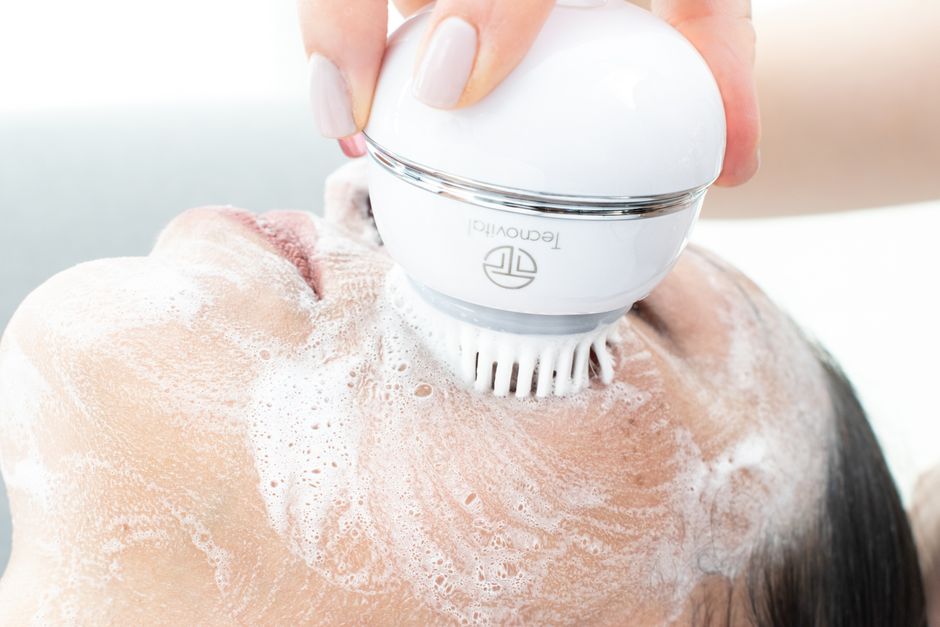
Maintenance is critical for both device performance and skin safety. Clean tools reduce bacterial buildup and extend device lifespan.

How to Sanitize Silicone and Rotating Brushes
Silicone brushes should be rinsed thoroughly after each use and cleaned weekly with gentle soap. Rotating brush heads require more careful sanitation because moisture can remain trapped in dense bristles.
Always allow devices to air dry completely.
When to Replace Brush Heads
Rotating brush heads usually require replacement every two to three months depending on usage frequency. Silicone devices generally last longer because they do not rely on detachable bristle heads.
Best Travel-Friendly Cleansing Devices
Travel-friendly devices should prioritize:
- USB-C charging
- Compact size
- Long battery life
- Waterproof construction
- Protective carrying cases
Many skincare travelers also organize routines with accessories from the Gifts & Accessories and Lifestyle collections.
Best Facial Cleansing Brush Features to Look for in 2026
Modern skincare devices increasingly focus on safety, personalization, and convenience rather than aggressive exfoliation alone.

Smart Sensors and Pressure Detection
Pressure sensors help beginners avoid excessive force that can irritate the skin barrier. These systems improve safety and encourage gentler cleansing habits.
Waterproof and USB-C Rechargeable Designs
Rechargeable waterproof devices are now standard in premium skincare technology. Waterproof construction improves hygiene and makes devices easier to clean.
AI Skin Analysis and App Integration
Some advanced beauty tools now include skin tracking, cleansing reminders, and personalized skincare recommendations through connected apps. While these features are not essential for beginners, they reflect the growing personalization trend in skincare technology.
Frequently Asked Questions
What is the best facial cleansing brush for beginners?
Most beginners benefit from soft silicone cleansing brushes because they are gentler, easier to sanitize, and less likely to cause over-exfoliation than rotating bristle systems.
How often should you use a facial cleansing brush on sensitive skin?
Sensitive skin users should typically start with two to four sessions weekly using low-intensity settings and gentle pressure.
Are silicone facial cleansing brushes better than rotating brushes?
Silicone brushes are generally safer for sensitive skin and beginners because they create less friction and resist bacterial buildup more effectively.
Can home microdermabrasion machines help with acne scars?
They may improve texture gradually for some users, but results vary. Beginners should use conservative settings and prioritize skin barrier protection.
How do you prevent skin irritation from beauty tools?
Use gentle pressure, avoid over-exfoliation, sanitize devices regularly, and avoid combining too many active ingredients simultaneously.
Can facial cleansing brushes help with blackheads and clogged pores?
Consistent cleansing may reduce oil buildup and improve pore congestion, especially when paired with non-comedogenic skincare products.
Should you use a facial cleansing brush every day?
Not always. Oily skin may tolerate daily use, while sensitive or dry skin often benefits from less frequent cleansing.
What skincare products should you avoid after exfoliating?
Strong acids, retinol, and harsh scrubs should be limited immediately after intensive exfoliation sessions to avoid irritation.
Are cleansing brushes safe for rosacea-prone skin?
Some silicone devices may be tolerated with gentle settings, but aggressive exfoliation can worsen rosacea symptoms. Patch testing is important.
What is the difference between ultrasonic face scrubbers and cleansing brushes?
Ultrasonic scrubbers use vibration and metal spatula technology to loosen debris, while cleansing brushes rely on silicone or bristle surfaces for mechanical cleansing.
Conclusion
The best facial cleansing brush in 2026 depends on your skin type, exfoliation tolerance, skincare goals, and daily habits. Sensitive skin often responds best to soft silicone cleansing devices, while oily or congested skin may benefit from deeper sonic cleansing routines.
Healthy skin comes from consistency, gentle technique, proper hygiene, and barrier protection — not aggressive exfoliation. Beginners should start slowly, monitor skin reactions carefully, and prioritize hydration and sunscreen alongside cleansing routines.
Readers interested in building a complete skincare technology routine can explore additional options through the Skin and Beauty Care Devices collection and continue learning through the Body & Face Blog.
Pillar Article: Facial Beauty Tool Beginner Guide: Safe At-Home Skincare Device Routines for Every Skin Type













