

Best Fingernail Grooming Kit for Beginners (Tools, Hygiene & Tips)
At-home nail care has become part of many people’s self-care routines, especially as more beginners look for salon-quality results without frequent salon visits. A good fingernail grooming kit can help maintain healthy nails, improve hygiene, reduce nail splitting, and make regular maintenance easier and safer. However, many beginners accidentally damage their nails through aggressive filing, over-buffing, improper sanitation, or using low-quality tools.
This guide explains how to build a beginner-friendly fingernail grooming kit, how to use each tool safely, how to maintain proper nail hygiene, and how to choose the right tools for different nail types. Whether you want to learn safe trimming techniques, improve brittle nails, or create a professional-looking manicure at home, this complete guide covers every essential step.
Many beginners also combine nail tools with broader self-care routines through the Skin and Beauty Care Devices collection and the Nail Care Devices collection for long-term nail maintenance and hygiene support.
What Is a Fingernail Grooming Kit and Why Does It Matter?

A fingernail grooming kit is a collection of manicure and nail-care tools designed to help clean, trim, shape, buff, and maintain healthy fingernails and cuticles. A well-organized kit improves hygiene, prevents nail damage, and allows users to perform safe at-home manicures and pedicures.
What a Complete Beginner Nail Care Kit Includes
A complete beginner kit usually contains:
- Nail clippers
- Nail files or emery boards
- Nail buffers
- Cuticle pushers
- Cuticle nippers
- Small manicure scissors
- Cuticle oil
- Alcohol sanitizer
- Storage case
Many people also add portable electric nail tools from the Body Care and Health Devices collection for easier trimming and polishing.
Difference Between Basic Kits and Professional Manicure Sets
Basic kits focus on essential maintenance and usually contain fewer tools. Professional manicure sets often include specialized shaping tools, multiple file grits, electric grooming devices, UV sterilizers, and polishing systems.
Beginners usually benefit more from simple kits because they reduce the risk of overusing advanced tools. Professional kits can become overwhelming if users do not understand proper nail care techniques.
Why Poor Nail Grooming Habits Damage Nails Over Time
Incorrect grooming habits can weaken the nail plate and surrounding skin. Common damaging behaviors include:
- Cutting nails too short
- Filing aggressively back and forth
- Using dull clippers
- Skipping sanitation
- Over-buffing natural nails
- Cutting cuticles too deeply
Over time, these habits may contribute to splitting, peeling, thinning, and sensitivity.
Essential Tools Every Fingernail Grooming Kit Should Have

The best beginner nail grooming kits prioritize safety, hygiene, comfort, and ease of use. Understanding how each tool works helps prevent accidental damage and improves long-term nail health.
Nail Clippers: Straight Edge vs Curved Edge Designs
Straight-edge clippers work well for thick nails and help reduce uneven cutting. Curved-edge clippers are better for shaping natural fingernails with smoother edges.
For beginners, ergonomic stainless steel clippers provide better control and cleaner cuts than low-cost plastic alternatives.
Some users prefer electric trimming systems because they reduce sharp cutting pressure. The Electric Nail Clipper with LED Light for Safe, Easy Care is one example of a beginner-friendly electric device designed for smoother trimming visibility.

Nail Files and Emery Boards: Which Grit Is Best?
Nail file grit affects how aggressively the file shapes nails.
| Grit Range | Best Use |
| 80–100 | Artificial nails only |
| 180 | General shaping |
| 240 | Natural nails |
| 400+ | Gentle smoothing and finishing |
Natural nails usually respond best to finer grits because coarse files may create micro-tears that lead to splitting.
Why Nail Buffers Should Be Used Carefully
Buffers smooth ridges and create shine, but overuse can thin the nail plate. Beginners should limit buffing to once every few weeks and avoid applying excessive pressure.
Soft multi-sided buffers are typically safer than coarse polishing blocks.
Cuticle Pushers and Cuticle Nippers Explained
Cuticle pushers gently move excess skin away from the nail plate. Cuticle nippers remove dead skin carefully.
Beginners should never cut living cuticle tissue because this increases infection risk. Wooden or silicone pushers are usually gentler for sensitive cuticles.
Benefits of Stainless Steel Manicure Tools
Stainless steel tools are preferred because they:
- Resist rust
- Maintain sharper edges longer
- Are easier to sanitize
- Provide more consistent cutting performance
- Offer better long-term durability
High-quality stainless steel also reduces accidental tearing during trimming.
Should Beginners Use Electric Nail Trimmers?
Electric nail trimmers can simplify grooming for beginners, seniors, and users with thick nails or limited grip strength. Many modern devices include safety guards, LED lighting, and gentle filing systems.
However, beginners should start with low-speed settings and avoid prolonged pressure on one area of the nail.
The Nail Care Devices collection includes beginner-friendly electric grooming tools that focus on safer trimming and smoother shaping.
How to Build the Right Nail Grooming Kit for Your Nail Type

Different nail conditions require different tools and routines. Choosing the wrong tools can worsen peeling, cracking, or sensitivity.
Best Tools for Brittle or Peeling Nails
Brittle nails benefit from gentle care routines focused on hydration and low-pressure shaping.
- Fine-grit nail files
- Hydrating cuticle oil
- Glass nail files
- Soft buffers
- Rounded-edge clippers
Avoid coarse metal files and excessive buffing because these can weaken fragile nails further.
Many users combine gentle nail care with hydration products from the Skincare & Hydration collection.
Recommended Kits for Thick Nails
Thick nails require stronger clipping tools and reinforced stainless steel components. Heavy-duty clippers with wider jaws reduce cracking and uneven cutting.
Electric trimmers can also help gradually smooth thick nails without excessive pressure.
Safe Grooming for Sensitive Cuticles
Sensitive cuticles require:
- Alcohol-free hydration products
- Soft silicone pushers
- Minimal trimming
- Warm water soaking before grooming
Avoid sharp nippers unless removing obvious dead skin.
How to Care for Ridged Nails
Ridged nails should be buffed minimally using ultra-soft buffers. Over-buffing can thin already delicate nails.
Hydration and consistent cuticle care usually improve appearance more effectively than aggressive smoothing.
Travel-Friendly Nail Grooming Kits
Travel kits should be compact, hygienic, and easy to organize.
- Protective carrying case
- Compact clipper
- Mini file
- Portable electric trimmer
- Travel sanitizer spray
Portable wellness tools from the Lifestyle collection and Gifts & Accessories collection are often useful additions for travel-friendly grooming setups.
Step-by-Step Beginner Fingernail Grooming Routine

A structured nail care routine reduces mistakes and helps maintain healthier nails over time.
Step 1: Wash and Soften Nails Properly
Wash hands thoroughly using warm water and mild soap. Soaking nails for several minutes softens the nail plate and cuticles, making trimming safer and easier.
Dry nails completely before clipping because excess moisture can increase splitting during cutting.
Step 2: Trim Nails Safely Without Splitting
Use clean, sharp clippers and trim gradually in small sections rather than making one deep cut.
- Avoid cutting too close to the skin
- Do not round corners excessively
- Trim straight across first
- Finish shaping gently with a file
Electric trimmers may help users who struggle with sharp clipping pressure or uneven edges.
Step 3: File in the Correct Direction
File nails in one direction instead of sawing back and forth. This reduces edge fraying and minimizes peeling.
Gentle shaping motions create smoother edges and reduce future breakage.
Step 4: Push Back Cuticles Gently
After softening the cuticles, use a gentle pusher to move excess skin away from the nail plate.
Never force the cuticles aggressively because this may cause inflammation or damage.
Step 5: Buff and Hydrate Nails
Buff lightly only if needed to smooth ridges or add shine. Finish with cuticle oil and moisturizer to support flexibility and reduce dryness.
Hydration-focused routines from the Hair, Skin & Nai Blog often include additional strategies for improving nail strength naturally.
Step 6: Sanitize and Store Tools Correctly
Clean tools immediately after use with alcohol sanitizer and dry them thoroughly before storage.
Store tools in a dry case to reduce moisture exposure and prevent rust formation.
How to Sanitize Nail Grooming Tools Safely at Home
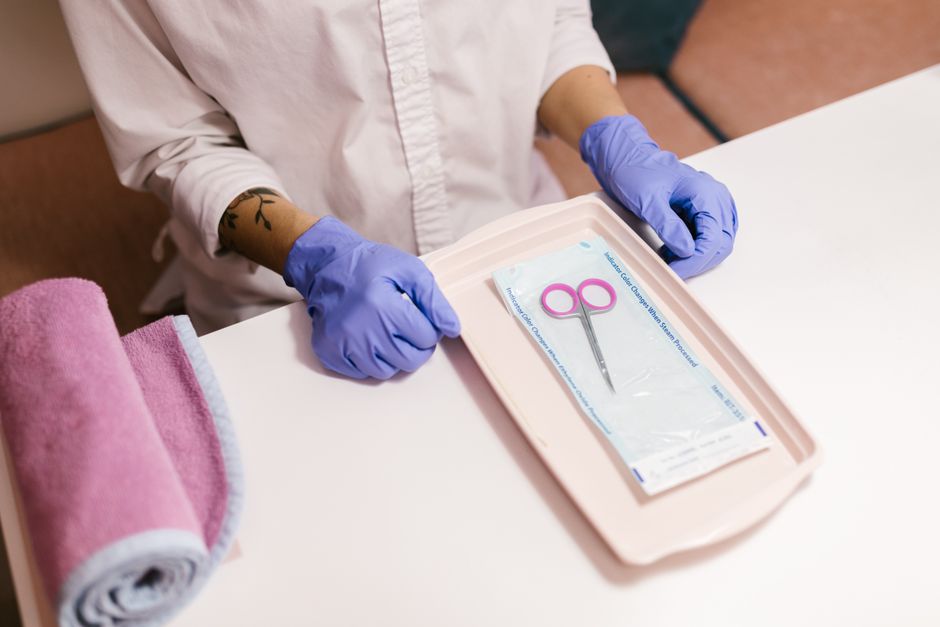
Proper sanitation reduces bacteria buildup and lowers infection risk. Clean tools perform better and last longer when maintained consistently.
Using Isopropyl Alcohol Sanitizer Correctly
Wipe tools thoroughly with 70% isopropyl alcohol after each use.
- Remove visible debris first
- Allow alcohol to remain briefly on surfaces
- Dry tools completely afterward
- Store only after full drying
Alcohol cleaning is effective for most at-home manicure tools.
When to Use a UV Sterilizer
UV sterilizers provide additional sanitation support for users who frequently perform manicures or share tools within a household.
Some advanced electric grooming devices include built-in sanitation features. The KentDO™ Electric Automatic Nail Clipper includes UV sterilization and enclosed debris collection designed to improve hygiene during trimming.

How Often Nail Tools Should Be Cleaned
Tools should be cleaned after every use. Files and buffers should also be replaced regularly because porous surfaces can trap debris and bacteria.
| Tool | Cleaning Frequency |
| Clippers | After every use |
| Cuticle pushers | After every use |
| Buffers | Weekly replacement check |
| Emery boards | Replace when worn |
| Electric attachments | After each session |
Signs Your Nail Tools Need Replacement
Replace tools if you notice:
- Rust spots
- Dull cutting edges
- Loose hinges
- Cracked handles
- Worn buffer surfaces
- Splintered emery boards
Old or damaged tools can tear nails instead of cutting cleanly.
Common Beginner Nail Grooming Mistakes to Avoid

Many nail problems result from avoidable mistakes rather than poor nail genetics.
Over-Filing Thin Nails
Excessive filing weakens nail edges and contributes to splitting. Thin nails should only be filed gently using fine-grit files.
Short filing sessions are safer than aggressive reshaping.
Sharing Unsanitized Tools
Sharing tools without proper cleaning increases contamination risk. Every user should sanitize shared tools before and after use.
This is especially important for cuticle tools and electric attachments.
Using Cheap Low-Quality Clippers
Poor-quality clippers often create jagged edges, uneven pressure, and nail tearing.
Investing in durable stainless steel tools typically provides safer and smoother results over time.
Cutting Cuticles Too Aggressively
Living cuticle tissue protects the nail matrix from bacteria. Cutting too deeply may increase irritation, redness, and infection risk.
Beginners should focus on moisturizing and gently pushing back cuticles instead.
Using Electric Nail Devices Incorrectly
Electric devices can become harmful if users apply excessive pressure or use coarse attachments improperly.
- Start with low speeds
- Keep the tool moving
- Avoid prolonged contact in one spot
- Use beginner-friendly attachments
Educational nail-care tutorials from the Beauty & Self-Care Blog can help beginners improve safe grooming techniques.
Electric Nail Trimmers vs Traditional Manicure Tools
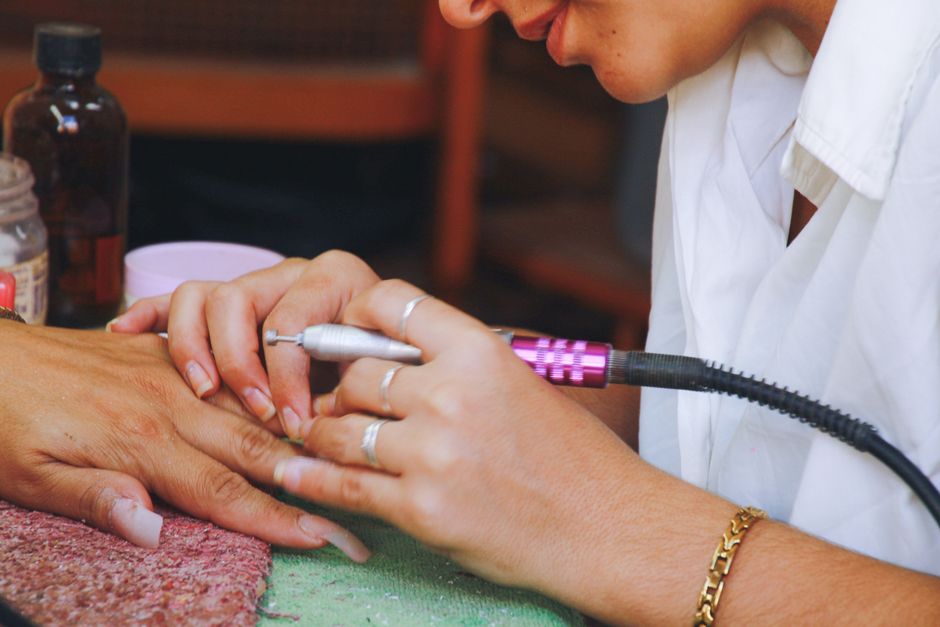
Both electric and manual tools have advantages depending on user needs, nail conditions, and grooming goals.
Advantages of Electric Nail Trimmers
Electric nail trimmers offer:
- Faster trimming
- Smoother finishing
- Less manual pressure
- Improved visibility with LED lights
- Accessibility for seniors
- Helpful support for thick nails
Some devices also include polishing and debris collection systems that simplify cleanup.
When Manual Nail Tools Are Better
Traditional tools still provide:
- Better precision for detailed shaping
- Lower maintenance requirements
- Quiet operation
- Greater portability
- Lower learning curve
Manual files and clippers also work well for quick touch-ups.
Safety Features Beginners Should Look For
Important beginner-friendly safety features include:
- LED lighting
- Low-speed settings
- Protective guards
- Enclosed trimming systems
- Quiet motors
- Dust collection systems
These features improve control and reduce accidental cuts.
Best Hybrid Grooming Kit Setup
A balanced beginner setup often combines:
- Manual stainless steel clippers
- Fine-grit glass file
- Soft buffer
- Electric trimmer for finishing
- Cuticle oil
- Alcohol sanitizer
Many users combine nail tools with relaxation-focused routines from the Wellness & Relaxation collection to create a complete self-care experience.
Recommended Maintenance Schedule for Nail Grooming Tools
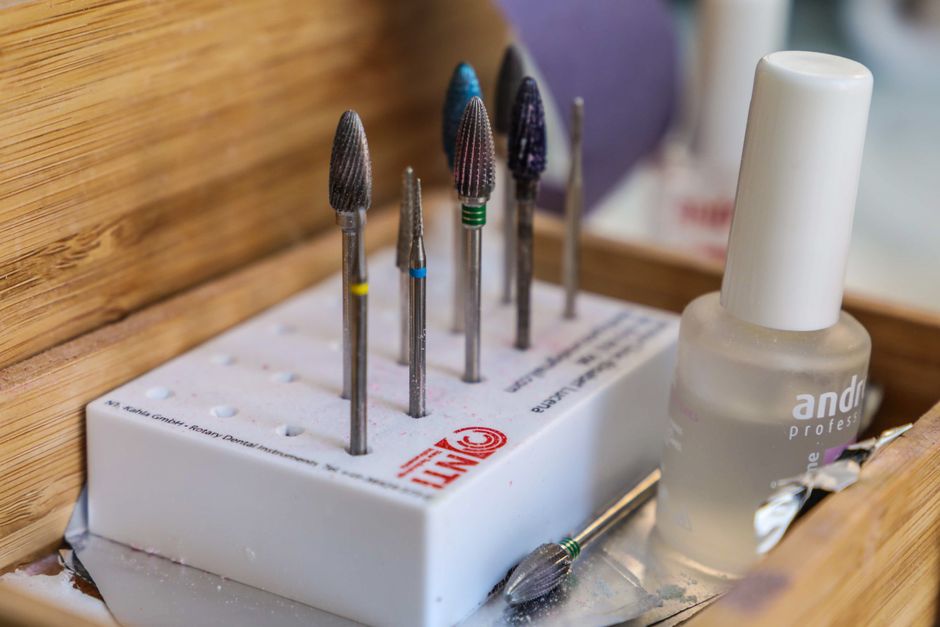
Routine maintenance improves both hygiene and tool lifespan.
Daily, Weekly, and Monthly Nail Care Tasks
| Schedule | Recommended Tasks |
| Daily | Hydrate cuticles and inspect nails |
| Weekly | Trim, file, sanitize tools |
| Monthly | Replace worn files and deep-clean kit |
Consistency matters more than aggressive grooming.
When to Replace Nail Files and Emery Boards
Replace files when surfaces become smooth, cracked, or uneven.
Worn files require more pressure and may damage nail edges.
How to Keep Stainless Steel Tools Rust-Free
To prevent rust:
- Dry tools immediately after cleaning
- Store in low-humidity environments
- Avoid soaking tools excessively
- Use protective storage cases
Moisture management significantly extends tool lifespan.
How to Choose the Best Beginner Manicure Set
Choosing the right beginner manicure set depends on nail type, comfort level, portability needs, and grooming goals.
Features Worth Paying For
Quality features often include:
- Stainless steel construction
- Ergonomic handles
- Protective carrying case
- Multiple file options
- Easy sanitation surfaces
- Quiet electric operation
Durability usually matters more than the total number of tools.
What to Avoid in Cheap Nail Kits
Avoid kits containing:
- Weak plastic tools
- Loose hinges
- Very coarse files
- Rust-prone metals
- Sharp unfinished edges
- Unstable electric motors
Low-quality kits often increase the likelihood of uneven trimming and nail splitting.
Best Starter Kit Configurations
A simple starter setup should include:
- One quality clipper
- One gentle file
- One cuticle pusher
- One soft buffer
- Hydrating cuticle oil
- Alcohol sanitizer
Beginners rarely need oversized professional kits immediately.
Minimalist vs Full Professional Kits
| Minimalist Kit | Professional Kit |
| Basic maintenance | Advanced shaping options |
| Lower cost | More attachments |
| Beginner-friendly | Steeper learning curve |
| Easy storage | Higher maintenance |
Most beginners benefit from starting small and expanding their kit gradually as their skills improve.
“Healthy nails come from consistency, gentle handling, and proper sanitation more than expensive products. A simple, well-maintained grooming kit often performs better than oversized professional sets used incorrectly.”
Frequently Asked Questions
What should be included in a fingernail grooming kit for beginners?
A beginner kit should include nail clippers, a fine-grit file, a soft buffer, cuticle pusher, cuticle oil, alcohol sanitizer, and a protective storage case.
How do you sanitize fingernail grooming tools safely at home?
Clean visible debris first, then wipe tools using 70% isopropyl alcohol. Dry thoroughly before storage.
What is the best nail hygiene routine for beginners?
Wash hands regularly, keep nails dry and clean, sanitize tools after each use, moisturize cuticles daily, and avoid over-filing.
How do I choose the right nail care tools for my nail type?
Brittle nails need gentle files and hydration, while thick nails benefit from reinforced clippers and gradual shaping tools.
How often should I maintain or replace nail grooming tools?
Sanitize tools after every use and replace worn files, dull clippers, or rusted tools immediately.
Are electric nail trimmers safe for beginners?
Yes, many beginner-friendly electric trimmers include LED lighting, protective guards, and low-speed settings for safer trimming.
What is the best nail file grit for natural nails?
Most natural nails respond best to 180–240 grit files because they shape gently without excessive abrasion.
How can I prevent brittle nails from splitting?
Use fine-grit files, moisturize daily, avoid harsh chemicals, and file in one direction instead of sawing back and forth.
Can stainless steel manicure tools rust over time?
Yes, stainless steel can rust if stored wet or exposed to excessive moisture repeatedly.
Should you cut or push back cuticles?
Most beginners should gently push back cuticles rather than cutting them to reduce irritation and infection risk.
Conclusion
A well-designed fingernail grooming kit supports healthier nails, safer trimming, improved hygiene, and more consistent at-home nail care results. Beginners do not need overly complex professional setups to achieve salon-style maintenance. In most cases, a small collection of high-quality tools, proper sanitation habits, and gentle grooming techniques provides the best long-term results.
As your nail care routine develops, you can gradually explore more advanced tools through the Nail Care Devices collection and additional wellness-focused resources from the Body & Face Blog.
Pillar Article: Brittle Nail Care: Beginner-Friendly Routines, Safe Grooming Tips & Tool Guide













