Best Back Massager for Lower Back Pain: Complete 2026 Buying Guide
Lower back pain has become one of the most common daily health complaints in modern life. Long hours at desks, poor ergonomic posture, extended driving, repetitive lifting, and reduced physical activity all contribute to muscle tightness and spinal discomfort. At the same time, home recovery technology has evolved rapidly, giving consumers access to heated massage cushions, percussion devices, lumbar stretchers, compression wraps, and portable recovery tools that were once limited to professional therapy clinics.
The challenge is figuring out which type of back massager actually matches your pain pattern. Some people need gentle heat therapy for stiffness and circulation support, while others benefit more from deep percussion massage for muscle knots and post-workout recovery. Understanding these differences is essential before investing in a recovery device.
Many readers exploring home recovery solutions also browse broader wellness collections such as Body Care and Health Devices and Wellness & Relaxation to build a more complete at-home comfort setup.
Why Lower Back Pain Has Become So Common in 2026
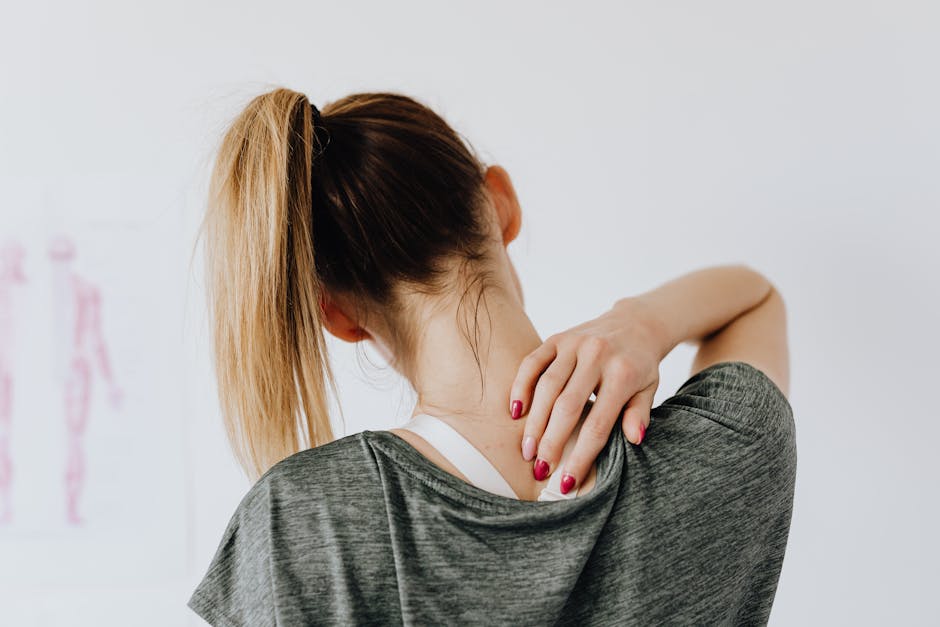
Modern lifestyle habits have dramatically increased the prevalence of lower back pain. Remote work, prolonged sitting, reduced mobility, and constant screen use place significant stress on the lumbar spine and surrounding muscles. Even younger adults now report recurring stiffness, posture fatigue, and tension-related discomfort.
Sedentary Work and Ergonomic Sitting Posture Problems
Sitting for extended periods weakens core muscles and shortens hip flexors, which places additional pressure on the lumbar spine. Many office chairs still fail to provide proper lumbar support, especially during long work sessions. Over time, this creates muscular imbalances that contribute to stiffness and soreness.
Improving posture ergonomics alongside massage therapy often produces better long-term outcomes than relying on one recovery method alone. Users frequently combine lumbar relief devices with supportive accessories from the Lifestyle collection to improve comfort throughout the workday.
Muscle Tension vs Nerve-Related Pain
Not all back pain feels the same. Muscle tension usually appears as stiffness, soreness, tightness, or fatigue across the lower back. Nerve-related pain may include tingling, burning sensations, or pain radiating down the legs, often associated with sciatica.
Massage devices primarily help muscular tension and circulation-related discomfort. Individuals with severe nerve symptoms should consult healthcare professionals before starting aggressive percussion or stretching routines.
How Circulation Improvement Affects Recovery
Healthy circulation plays a major role in muscle recovery. Heat therapy and massage stimulation encourage blood flow, which can help reduce stiffness and support tissue relaxation after prolonged sitting or physical exertion.
Heated massagers are especially popular among office workers and seniors because warmth often helps tight muscles relax more comfortably than intense pressure alone.
When Lumbar Support Alone Is Not Enough
Ergonomic chairs and lumbar pillows improve posture support, but they do not actively target muscle tension. Many users discover that posture correction needs to be combined with stretching, mobility exercises, and massage therapy to address ongoing discomfort effectively.
What Is the Best Back Massager for Lower Back Pain?
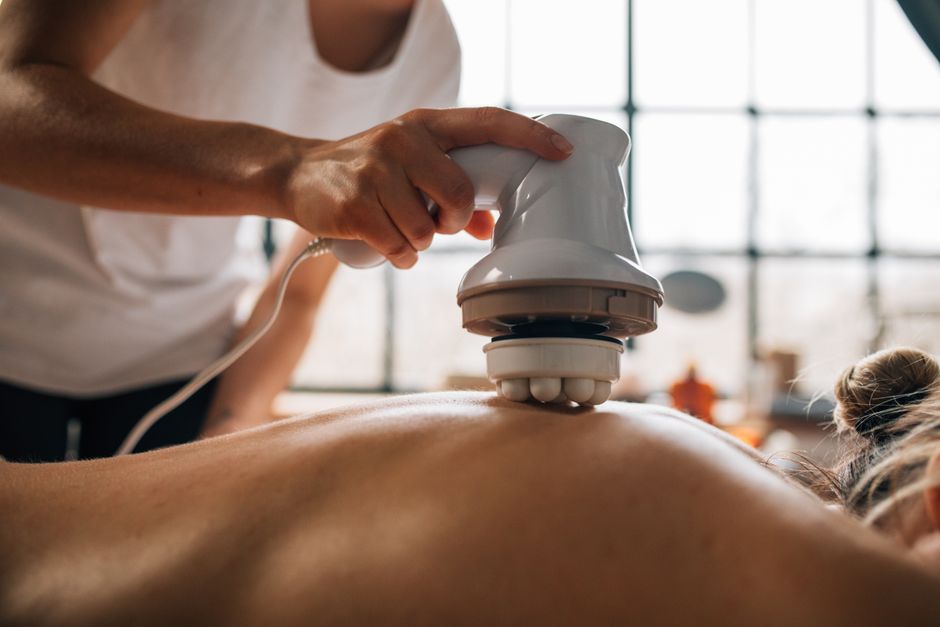
The best back massager for lower back pain depends on the source of discomfort, your lifestyle, and your recovery goals. Heated shiatsu cushions are often preferred for daily tension relief and relaxation, while percussion devices work better for deep muscle recovery and athletic soreness. Portable cordless massagers are ideal for office workers and travelers, while lumbar stretchers may help users focused on posture correction and spinal decompression.
| Massager Type | Best For | Main Benefit | Intensity Level |
| Heated Shiatsu Cushion | Daily muscle tension | Heat + kneading relaxation | Moderate |
| Percussion Massage Gun | Deep tissue recovery | Muscle knot release | High |
| Lumbar Stretcher | Posture correction | Spinal decompression | Gentle |
| Cordless Portable Massager | Office and travel use | Convenience and portability | Moderate |
| Heating Therapy Pad | Chronic stiffness | Circulation support | Low |
Best Overall for Daily Muscle Tension
Heated shiatsu-style massagers remain one of the most versatile options because they combine warmth with rotating massage nodes. These devices are often suitable for users dealing with general tension from work, commuting, or inactivity.
Best Heated Option for Lumbar Stiffness
Heat-based systems are particularly helpful for morning stiffness and cold-weather discomfort. Gentle heat can encourage muscle relaxation without the aggressive intensity of percussion devices.
For readers exploring broader warming recovery solutions, the Warmth & Heat Therapy collection includes additional comfort-focused devices designed for daily relaxation routines.
Best Percussion Device for Deep Tissue Relief
Percussion massage devices target deeper muscle layers using rapid vibrations and pulses. Athletes and gym users often prefer these tools because they help loosen muscle knots and support post-workout recovery.
Best Cordless Back Massager for Office Workers
Portable cordless models work well for users who need flexibility during travel or long office hours. Battery-powered devices eliminate cable restrictions and allow quick recovery sessions throughout the day.
Best Lumbar Stretch Device for Posture Correction
Lumbar stretchers focus less on massage and more on spinal positioning. These tools gently encourage decompression and posture alignment, which may reduce tension caused by prolonged sitting.
How to Choose the Right Back Massager Based on Your Pain Type

Selecting the correct device starts with identifying your primary pain trigger. Different technologies support different recovery needs, and choosing the wrong category often leads to disappointing results.
Best Devices for Sciatica and Radiating Pain
Users experiencing radiating discomfort often benefit from gentler therapies first. Heated massage cushions and mild vibration systems may help surrounding muscles relax without overstimulating sensitive nerve pathways.
Avoid excessive percussion intensity directly over painful nerve areas unless advised by a medical professional.
Best Options for Muscle Knots and Myofascial Release
Muscle knots typically respond well to percussion devices and deep tissue massage systems. These tools deliver concentrated pressure that may help release tension after repetitive strain or intense physical activity.
Some users also combine massage recovery with stretching routines and mobility tools available in the Foot & Body Comfort collection.
Best Solutions for Sedentary Office Pain
Office-related pain is commonly caused by static posture and circulation reduction. Heated massage cushions and lumbar support systems are usually more comfortable for daily use than aggressive percussion therapy.
Best Recovery Tools for Athletes and Gym Users
Athletes often require stronger muscle stimulation after training. Percussion massagers help target large muscle groups, while compression systems may support circulation and reduce recovery fatigue.
Best Heated Therapy Devices for Chronic Lumbar Stiffness
Chronic stiffness usually responds best to consistent low-intensity heat therapy. Many users prefer sessions lasting 15 to 20 minutes during evenings or after work to encourage relaxation before sleep.
Heat Therapy vs Percussion Massage: Which Works Better?

Heat therapy and percussion massage target recovery differently. Heat focuses on relaxation and circulation support, while percussion aims to stimulate deeper tissue activity and muscle release.
| Feature | Heat Therapy | Percussion Massage |
| Primary Goal | Relaxation | Deep tissue stimulation |
| Best For | Stiffness and tension | Muscle knots and recovery |
| Intensity | Gentle | Strong |
| Ideal Users | Office workers, seniors | Athletes, active users |
| Session Length | 15–30 minutes | 5–15 minutes |
How Infrared Heat Therapy Relaxes Tight Muscles
Infrared and heated massage systems help loosen tight tissue by encouraging blood flow and warmth penetration. Many users find heat particularly soothing during colder months or after sedentary workdays.
How Percussion Massage Targets Deep Tissue
Percussion devices rapidly pulse against muscles to increase stimulation and reduce tightness. They are effective for recovery after exercise but may feel too intense for sensitive users.
When to Combine Both Therapies
Some recovery routines combine gentle heat before massage and stretching afterward. This layered approach may help muscles relax more efficiently while improving mobility.
Which Therapy Is Better for Daily Recovery?
For daily use, heated systems are often easier to tolerate consistently. Percussion devices tend to work better for occasional intensive recovery sessions.
Types of Back Massagers Explained
Understanding the differences between massager categories helps users avoid purchasing devices that do not match their goals.
Shiatsu Massage Cushions
Shiatsu cushions simulate kneading motions using rotating massage nodes. Many include adjustable heat functions and are designed for chairs, couches, or office seating.
Massage Guns and Percussion Devices
Percussion massagers use rapid vibrations to target muscle tension. They often include interchangeable heads for different muscle groups and recovery intensities.
One example of a portable recovery device is the Cordless Percussion Massage Gun.

Devices like these are commonly used after workouts or prolonged sitting because they allow targeted pressure across the lower back and larger muscle areas.
Lumbar Stretchers and Spinal Alignment Tools
Lumbar stretchers are designed to encourage gentle spinal extension. They are frequently used alongside posture correction routines and mobility exercises.
Heating Pad Therapy Systems
Heating pads focus on warmth and comfort rather than pressure intensity. They are popular among users seeking gentle recovery sessions before sleep.
Air Compression Back Wraps
Compression wraps use air chambers to apply rhythmic pressure around the lumbar area. These systems are designed to support circulation and relaxation.
Full Chair Massagers for Home Use
Full chair systems provide multi-zone massage experiences but typically require larger budgets and dedicated space.
Do Heated Back Massagers Help Relieve Lower Back Tension?

Heated back massagers may help reduce lower back tension by encouraging circulation, relaxing tight muscles, and improving comfort during recovery sessions. Heat therapy is especially useful for users experiencing stiffness caused by prolonged sitting, mild overuse, or cold environments.
Benefits of Heating Pad Therapy for Muscle Relaxation
Warmth often creates a calming effect that helps muscles loosen gradually. This may improve flexibility and reduce discomfort associated with tension buildup.
Who Should Avoid Excessive Heat Therapy
Users with reduced heat sensitivity, certain circulatory conditions, or acute injuries should consult healthcare professionals before using intense heat therapy. Heat should never feel painful or cause skin irritation.
Ideal Temperature and Session Length
Most users benefit from moderate heat sessions lasting around 15 to 20 minutes. Overuse may increase skin sensitivity or discomfort.
Lumbar Stretchers vs Massage Pads: Key Differences

Lumbar stretchers and massage pads serve different recovery purposes. Stretchers focus on posture alignment and spinal decompression, while massage pads target muscular tension and relaxation.
| Feature | Lumbar Stretcher | Massage Pad |
| Main Goal | Posture support | Muscle relaxation |
| Movement | Static stretching | Dynamic massage |
| Best For | Desk posture issues | Muscle tension |
| Heat Function | Rare | Common |
| Intensity | Gentle | Moderate |
How Lumbar Stretchers Improve Spinal Alignment
Stretchers encourage spinal extension that may temporarily reduce compression caused by slouching and prolonged sitting.
How Massage Pads Target Muscle Tension
Massage pads use vibration, rolling, or kneading functions to stimulate muscles and support relaxation.
Which Device Is Better for Posture Correction?
Users focused primarily on posture often benefit more from stretchers combined with ergonomic improvements and mobility exercises.
Can a Cordless Back Massager Help With Muscle Tightness and Posture Pain?
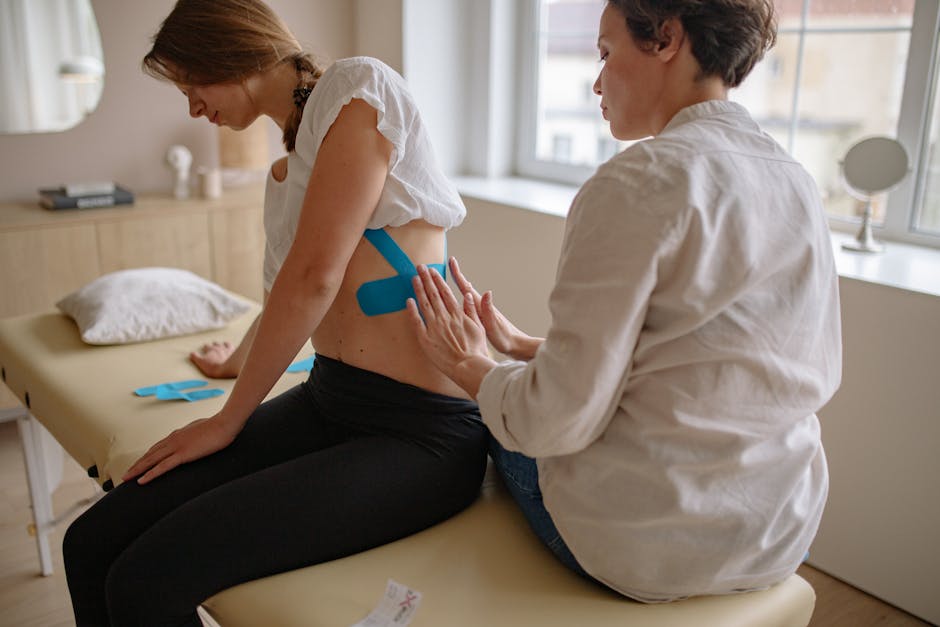
Cordless back massagers can help reduce muscle tightness and posture-related discomfort by providing convenient recovery sessions throughout the day. Their portability makes them especially useful for office workers, travelers, and users who prefer flexible recovery routines.
Benefits of Portable Recovery Devices
Portable devices are easy to use during breaks, after commuting, or while traveling. Convenience often increases consistency, which is important for long-term recovery habits.
Best Use Cases for Travel and Office Workers
Compact massage tools fit easily into office drawers, backpacks, or luggage. Many users appreciate having quick access to muscle relief during long workdays.
Readers interested in portable wellness accessories often explore the Gifts & Accessories collection for travel-friendly comfort products.
Battery Life, Noise Levels, and Ergonomics
Battery life varies significantly between devices. Quiet operation is important for shared workspaces, while ergonomic handles improve usability during self-treatment sessions.
Another example of a convenience-focused recovery device is the Portable Heated Back Massager.

Portable heated systems are popular among users who want flexible daily recovery without bulky equipment.
How to Use a Back Massager Safely for Daily Lower Back Relief

Using a back massager correctly is essential for preventing irritation and maximizing recovery benefits. Overuse or excessive intensity may increase discomfort instead of improving it.
Recommended Recovery Schedule for Beginners
Beginners should start with short sessions lasting 10 to 15 minutes at low intensity. Gradually increasing duration allows muscles to adapt more comfortably.
How Often Should You Use a Back Massager?
Most users tolerate daily low-intensity heat therapy well, while percussion devices are often better used several times weekly depending on muscle soreness levels.
Signs You Are Overusing Massage Therapy
Persistent soreness, bruising, irritation, or increased sensitivity may indicate excessive use. Recovery sessions should feel supportive rather than painful.
Contraindications and When to Consult a Doctor
Individuals with severe injuries, unexplained numbness, acute inflammation, or chronic medical conditions should consult healthcare professionals before beginning new massage routines.
Stretching and Posture Habits That Improve Massager Results
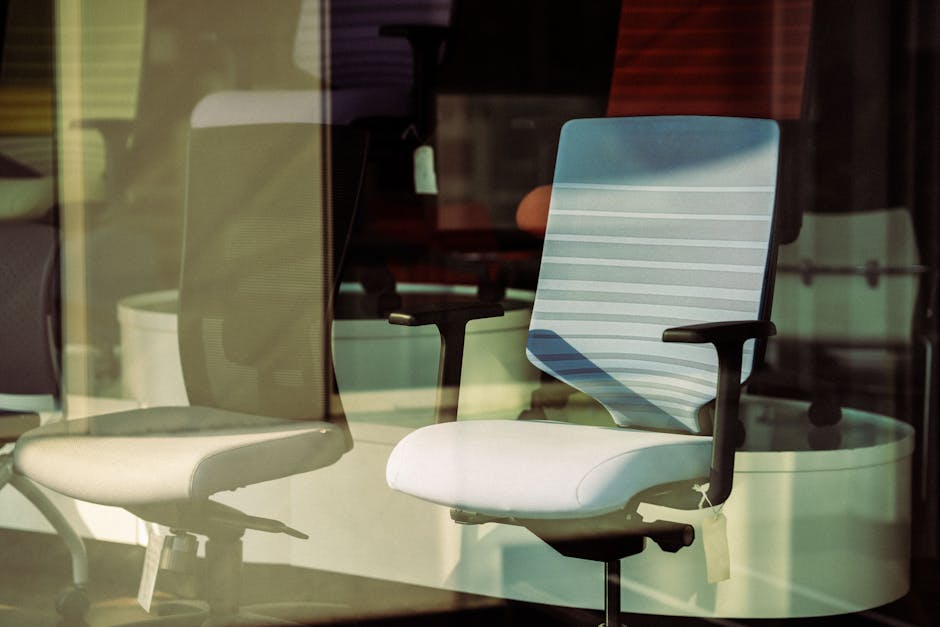
Massage devices work best when combined with healthy movement habits and ergonomic improvements.
Simple Mobility Exercises for Lumbar Relief
Gentle mobility exercises such as pelvic tilts, hip stretches, and walking breaks may help reduce stiffness associated with prolonged sitting.
Desk Setup Adjustments for Ergonomic Sitting Posture
Monitor height, keyboard positioning, and chair support all influence lumbar stress. Small ergonomic adjustments can significantly improve comfort over time.
Sleep Position and Lumbar Support Tips
Side sleeping with knee support or back sleeping with lumbar cushioning may help reduce overnight strain.
Additional recovery and self-care guidance can be found in the Body & Face Blog and Beauty & Self-Care Blog.
Back Massager Maintenance and Long-Term Care

Regular maintenance helps extend the lifespan of massage devices and improves hygiene.
Cleaning and Storage Best Practices
Wipe surfaces regularly using manufacturer-approved cleaning methods and store devices in dry environments away from excessive heat or moisture.
When to Replace Massage Heads or Pads
Replace worn attachments or damaged pads when they lose effectiveness or show visible wear.
Battery and Heat System Longevity Tips
Avoid leaving cordless devices permanently plugged in and allow heated systems to cool properly after use.
Best Back Massagers for Different User Profiles

The ideal recovery device varies depending on lifestyle, comfort preferences, and activity level.
Best for Office Workers
Heated massage cushions and lumbar support systems are often the most comfortable options for desk-related tension.
Best for Seniors With Lumbar Stiffness
Gentle heat therapy and low-intensity massage functions are typically easier for seniors to tolerate than aggressive percussion systems.
Best for Athletes and Recovery
Percussion devices and compression systems support post-workout recovery and muscle stimulation.
Best Budget-Friendly Option
Simple heating pads and vibration cushions provide affordable entry points into home recovery therapy.
Best Premium Full-Body System
Advanced massage chairs and integrated recovery systems deliver broader coverage but require greater investment and dedicated space.
Frequently Asked Questions
What is the best back massager for lower back pain?
The best option depends on your pain source. Heated shiatsu cushions work well for daily tension, while percussion devices are better for deep muscle recovery.
Do heated back massagers help relieve lower back tension?
Yes, heat therapy may help relax muscles, improve circulation, and reduce stiffness associated with prolonged sitting or mild tension.
What is the difference between a lumbar stretcher and a massage pad?
Lumbar stretchers focus on posture and spinal alignment, while massage pads target muscular tension through vibration or kneading functions.
Can a cordless back massager help with muscle tightness and posture pain?
Portable cordless massagers are convenient for daily recovery and may help reduce posture-related tension caused by long workdays.
How often should you use a back massager for daily lower back relief?
Most users benefit from short daily sessions using moderate intensity. Percussion devices may require less frequent use depending on sensitivity.
Are percussion massagers safe for sciatica?
Users with sciatica should avoid aggressive pressure directly over painful nerve areas and consult professionals if symptoms are severe.
Can massage therapy improve circulation in the lower back?
Massage and heat therapy may encourage blood flow and support muscle recovery in the lumbar region.
What type of back massager is best for office workers?
Heated massage cushions and ergonomic lumbar support systems are popular among office workers seeking daily comfort.
Do lumbar support devices replace massage therapy?
No. Lumbar support improves posture but does not directly address muscle tension or recovery needs.
Should you use heat before or after a back massage session?
Many users prefer gentle heat before massage sessions to help muscles relax more comfortably.
Conclusion
The best back massager for lower back pain depends on your lifestyle, muscle tension patterns, recovery goals, and comfort preferences. Heated massage systems are ideal for relaxation and circulation support, while percussion devices work better for deep muscle recovery and athletic soreness. Lumbar stretchers and posture-focused tools may help users dealing with prolonged sitting and ergonomic strain.
Long-term relief usually comes from combining massage therapy with stretching, posture correction, mobility exercises, and healthier recovery habits. Building a complete home wellness setup often involves exploring supportive categories like Body Care and Health Devices, Foot & Body Comfort, and Wellness & Relaxation to create a more balanced approach to daily recovery.
Pillar Article: How to Choose the Best Home Massage System for Stress Relief, Recovery & Daily Comfort