

Best Shoes for Standing All Day: Complete Survival Guide for Long Shifts
Standing for 8 to 12 hours every day can quietly destroy your feet, knees, hips, and lower back. Nurses rushing between hospital rooms, retail employees standing on concrete floors, restaurant servers walking nonstop, warehouse workers lifting heavy loads, and teachers pacing classrooms all experience the same problem: chronic foot fatigue that gets worse over time.
The right shoes can reduce pain dramatically, but footwear alone is not enough. Real long-shift comfort comes from combining supportive shoes, proper insoles, circulation support, recovery habits, and daily foot care routines.
This guide covers everything you need to know about choosing the best shoes for standing all day, preventing plantar fasciitis, improving foot circulation naturally, reducing swelling, and building a complete recovery system for healthier feet.
If you spend long hours on your feet, exploring supportive recovery tools in the Foot & Body Comfort collection can help you build a more comfortable daily routine.
Why Standing All Day Destroys Your Feet, Knees, and Lower Back

Standing for prolonged periods creates constant pressure on the plantar fascia, heel pad, arches, ankle joints, calf muscles, and lower back. Unlike walking, where pressure shifts continuously, standing locks muscles into static positions that reduce circulation and increase fatigue.
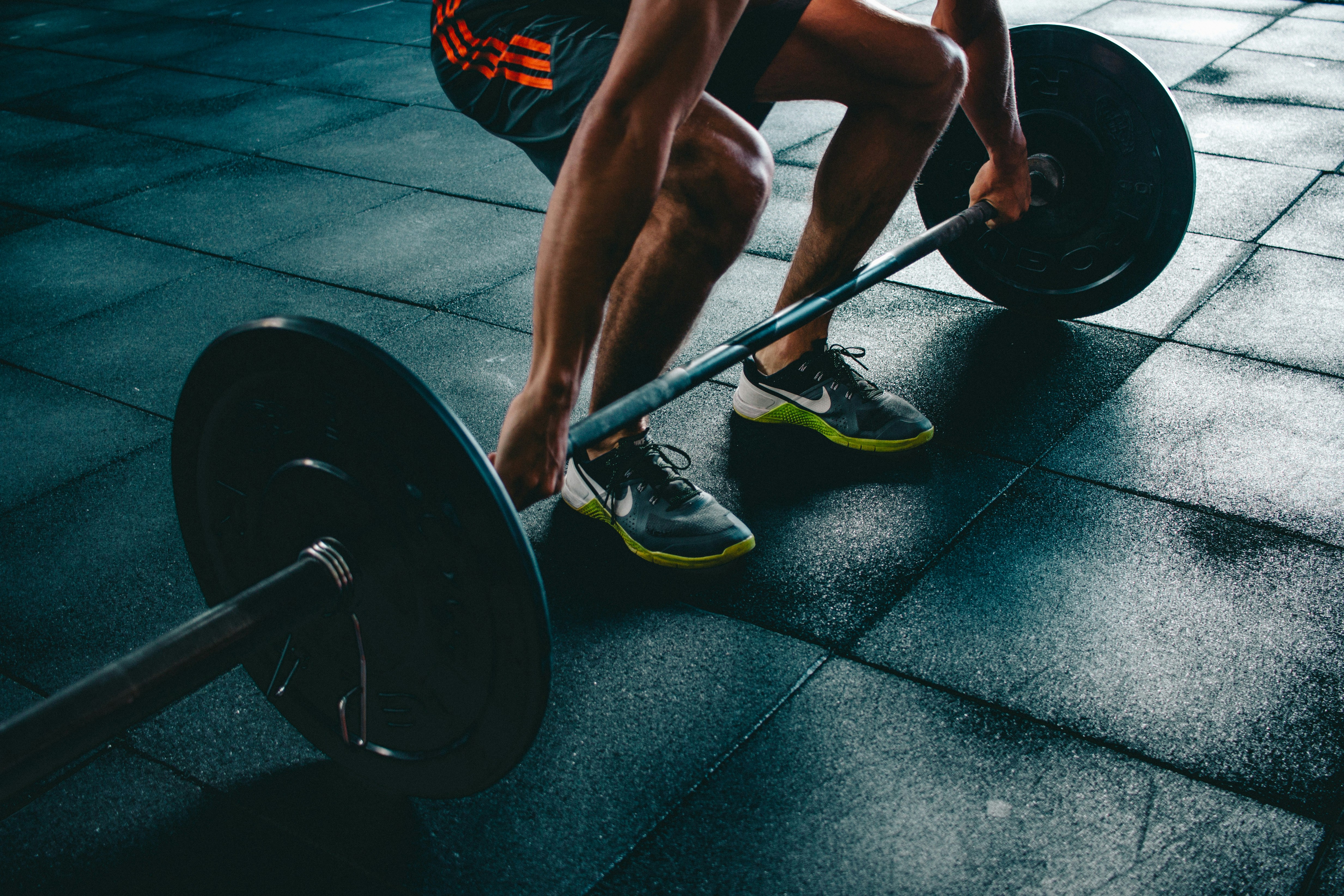
What Happens to Your Feet During a 10 to 12 Hour Shift
During extended standing shifts, the muscles in your feet work continuously to stabilize your posture. Blood flow slows, fluid pools in the lower legs, and tissue inflammation increases. Over time, this causes:
- Heel pain and arch strain
- Swollen feet and ankles
- Tight calf muscles
- Burning foot pain
- Reduced circulation
- Plantar fascia irritation
- Toe numbness and tingling
Hard surfaces like concrete and tile floors increase impact stress significantly. Workers in warehouses, hospitals, restaurants, and retail stores often develop chronic foot discomfort because their shoes cannot absorb repeated micro-impact throughout the day.
Common Standing-Related Problems: Heel Pain, Swelling, and Poor Foot Circulation
One of the most common complaints among people who stand all day is plantar fasciitis. This condition develops when the connective tissue along the bottom of the foot becomes inflamed due to repetitive stress.
Another major issue is poor circulation. Long periods of standing reduce venous return, allowing blood and fluid to pool in the feet and lower legs. Signs of poor circulation in feet may include:
- Cold feet
- Swelling
- Numbness
- Tingling sensations
- Muscle cramps
- Skin discoloration
- Persistent fatigue in the feet
Many workers also experience Achilles tendon tightness, bunions, collapsed arches, and knee pain due to inadequate footwear support.
Why Cheap Shoes Make Standing Fatigue Worse
Low-quality shoes compress quickly under body weight and lose cushioning within a few months. Once midsoles flatten, impact forces transfer directly into the heel and joints.
Cheap shoes often lack:
- Arch stabilization
- Heel cushioning
- Shock absorption
- Slip resistance
- Proper toe box width
- Durable support structures
Many workers unknowingly wear worn-out shoes long after the support has disappeared. Replacing standing shoes regularly is one of the simplest ways to reduce chronic foot pain.
How to Choose the Best Shoes for Standing All Day

The best standing shoes are designed to distribute pressure evenly, absorb impact, stabilize the arches, and reduce fatigue over long shifts. Instead of focusing only on brand names, evaluate shoes using functional comfort criteria.
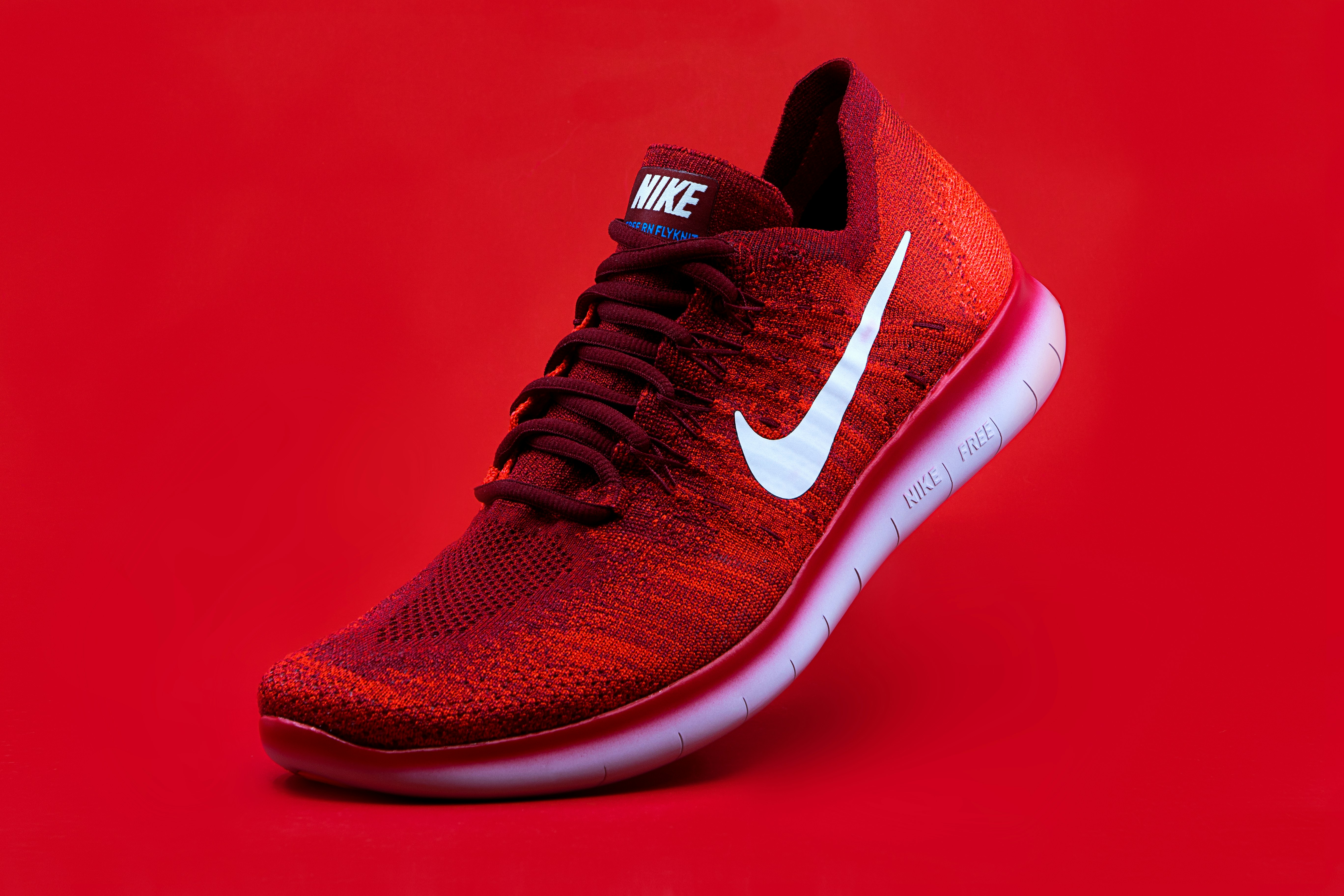
The 7 Most Important Features in Long-Shift Work Shoes
- Arch Support: Prevents arch collapse and reduces plantar fascia stress.
- Heel Cushioning: Minimizes impact forces on hard surfaces.
- Shock Absorption: Protects knees and lower back during repetitive standing.
- Wide Toe Box: Allows toes to spread naturally and reduces pressure.
- Slip Resistance: Essential for healthcare, restaurant, and warehouse workers.
- Breathability: Reduces moisture buildup and friction.
- Weight: Lightweight shoes reduce energy expenditure during long shifts.
Many workers also combine supportive shoes with products from the Warmth & Heat Therapy collection to help manage soreness and circulation after work.
Best Shoe Materials for Standing Long Hours
EVA foam midsoles remain one of the best choices for prolonged standing because they balance cushioning and stability. Memory foam may feel soft initially but often compresses too quickly for demanding shifts.
Mesh uppers improve airflow and reduce overheating, while leather offers better durability for industrial environments. Slip-resistant rubber outsoles are especially important for restaurant kitchens and hospital floors.
How Often You Should Replace Standing Shoes
Most standing shoes should be replaced every 6 to 12 months depending on workload, body weight, and flooring conditions.
Signs your shoes need replacement include:
- Flattened midsoles
- Uneven outsole wear
- Heel pain returning
- Reduced cushioning
- Visible creasing
- Increased foot fatigue
Signs Your Work Shoes Are Causing Foot Pain
Your shoes may be contributing to pain if you experience:
- Morning heel pain
- Toe numbness
- Hot spots or blisters
- Lower back soreness
- Ankle instability
- Swollen feet after work
Recovery tools can also help reduce strain after long shifts. One example is the KentDO™ Electric Foot Massager with Heat for Pain Relief.

The combination of heat and vibration may help reduce stiffness and improve circulation after physically demanding shifts.
Best Shoes for Standing All Day by Occupation

Different occupations place unique demands on the feet. Nurses need cushioning and fluid movement, warehouse workers need stability and protection, and restaurant staff need slip-resistant traction.

Best Nursing Shoes for Hospital Shifts
Nurses often walk several miles per shift while standing on hard hospital floors. Shoes for nurses should prioritize lightweight cushioning, rocker soles, breathable uppers, and shock absorption.
Features nurses should prioritize:
- Excellent arch support
- Easy-to-clean materials
- Heel stabilization
- Wide forefoot design
- Non-slip outsole
Best Shoes for Retail Workers and Cashiers
Retail workers often remain stationary for long periods, which increases swelling and circulation issues. Shoes with thick midsoles and supportive insoles help reduce pressure buildup.
Compression socks for poor circulation can also improve comfort during long cashier shifts.
Best Work Boots for Warehouse and Construction Jobs
Warehouse workers require durable work boots with reinforced toe protection and aggressive shock absorption. Concrete floors dramatically increase impact stress, making supportive insoles essential.
Workers in industrial environments often benefit from exploring ergonomic recovery solutions inside the Body Care and Health Devices collection.
Best Restaurant Shoes for Servers and Kitchen Staff
Restaurant staff need slip-resistant shoes with strong traction and lightweight cushioning. Kitchen floors become hazardous when wet or greasy, making outsole grip a top priority.
Breathable shoes are also important because hot kitchens increase sweating and friction.
Best Shoes for Teachers and Standing Desk Workers
Teachers and office workers using standing desks benefit from supportive shoes that balance posture and pressure distribution. Standing mats can further reduce fatigue in office settings.
Best Shoes Based on Foot Type and Pain Condition

Foot shape matters just as much as occupation. Choosing shoes based on your arch type and pain condition helps reduce chronic stress and improve long-term comfort.

Best Shoes for Plantar Fasciitis and Heel Pain
Plantar fasciitis shoes should include:
- Firm arch support
- Deep heel cushioning
- Stable heel counters
- Rocker sole technology
- Shock-absorbing midsoles
Walking barefoot on hard floors often worsens plantar fascia irritation.
Best Shoes for Flat Feet and Fallen Arches
Flat-footed individuals tend to overpronate, meaning the ankles roll inward excessively. Stability shoes with medial support structures help improve alignment and reduce knee strain.
Best Shoes for High Arches
High arches place excess pressure on the heel and forefoot. Cushioned shoes with flexible midsoles help distribute impact more evenly.
Best Shoes for Wide Feet and Swelling
Wide toe boxes reduce compression and improve comfort during swelling episodes. Swelling commonly increases after long hours of standing, especially in hot environments.
Quick Decision Tree: Which Standing Shoes Are Right for You?
| Problem | Recommended Shoe Type |
| Plantar fasciitis | Stability shoe with strong arch support |
| Flat feet | Motion-control shoe |
| High arches | Cushioned neutral shoe |
| Swelling | Wide toe box shoe |
| Warehouse work | Shock-absorbing work boot |
| Restaurant work | Slip-resistant lightweight shoe |
Are Orthotic Insoles Worth It for Standing All Day?
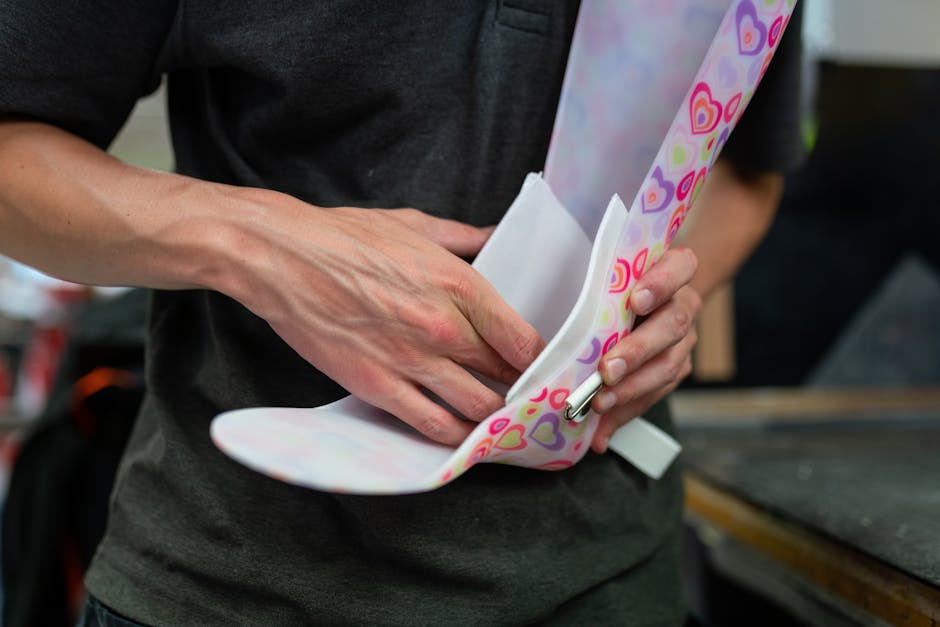
Orthotic insoles can significantly improve comfort by redistributing pressure, stabilizing the arch, and reducing fatigue.
How Orthotic Insoles Reduce Foot Fatigue
Supportive insoles help align the feet more efficiently, reducing strain on muscles and connective tissues. Proper support may also improve posture and reduce lower back pain.
Best Insoles for Work Boots and Hard Floors
Workers standing on concrete floors often benefit from thicker insoles with heel cushioning and structured arch support.
Many people combine supportive insoles with foot recovery routines found in the Body & Face Blog for long-term pain management strategies.
Gel vs Foam vs Custom Orthotics
| Type | Best For | Pros | Cons |
| Gel Insoles | Heel cushioning | Soft impact absorption | May flatten quickly |
| Foam Insoles | Daily standing comfort | Lightweight and affordable | Moderate durability |
| Custom Orthotics | Medical conditions | Precise correction | Expensive |
When Insoles Can Actually Make Foot Pain Worse
Overly rigid insoles or incorrect arch height may create pressure points and increase discomfort. Insoles should match your foot type rather than follow generic recommendations.
The Complete Foot Recovery Routine After Long Shifts

Recovery matters just as much as footwear. Without proper recovery habits, inflammation accumulates and increases injury risk over time.
How to Relieve Foot Pain After Standing All Day
- Elevate your feet for 15 to 20 minutes
- Stretch calves and plantar fascia
- Use cold therapy for inflammation
- Massage sore arches and heels
- Wear recovery sandals indoors
- Hydrate properly
- Avoid walking barefoot on tile floors
Best Foot Massage Rollers and Recovery Devices
Massage tools help stimulate circulation, relax tight muscles, and reduce tension after physically demanding shifts.
The KentDO™ Plantar Foot Massager Pad for Deep Muscle Relief is one example of a compact recovery device designed for tired feet.

Portable massage tools can be useful for retail workers, nurses, and warehouse employees who experience chronic arch fatigue.
Do Compression Socks Help with Foot Circulation and Fatigue?
Compression socks help improve venous return and reduce swelling by applying graduated pressure to the legs. Many healthcare workers and travelers use compression socks for poor circulation and muscle fatigue.
Benefits may include:
- Reduced swelling
- Better circulation
- Less calf fatigue
- Improved comfort during long shifts
- Reduced risk of varicose veins
Recovery Foot Soaks, Stretching, and Nightly Mobility Routines
Warm foot soaks combined with calf stretches and toe mobility exercises can improve flexibility and reduce tension.
Many people also explore self-care recovery routines inside the Wellness & Relaxation collection for additional comfort strategies.
The Ultimate Standing-All-Day Survival System

Long-shift comfort comes from combining multiple supportive strategies rather than relying on a single product.
Best Setup for Nurses Working 12-Hour Shifts
- Cushioned nursing shoes
- Compression socks
- Arch-support insoles
- Nightly calf stretching
- Post-shift massage recovery
Best Setup for Warehouse and Factory Workers
- Shock-absorbing work boots
- Heavy-duty orthotic insoles
- Moisture-wicking socks
- Anti-fatigue floor mats
- Evening recovery routines
Best Setup for Retail Workers and Servers
- Slip-resistant shoes
- Wide toe box design
- Compression socks
- Foot elevation after work
- Massage and circulation support
Budget vs Premium Standing-All-Day Systems
| Budget System | Premium System |
| Basic cushioned shoes | Advanced stability footwear |
| Foam insoles | Custom orthotics |
| Basic compression socks | Medical-grade compression wear |
| Simple stretching routine | Full recovery and massage system |
Additional recovery and self-care tools are available through the Lifestyle collection for building healthier long-term routines.
Mistakes That Make Foot Pain Worse During Long Shifts

Wearing Running Shoes That Lack Work Support
Some running shoes prioritize lightweight speed rather than long-term standing support. Soft running shoes may feel comfortable initially but often lack the stability needed for prolonged standing.
Ignoring Early Signs of Plantar Fasciitis
Morning heel pain and tight arches are warning signs that should not be ignored. Early intervention is far easier than treating chronic inflammation later.
Standing on Hard Floors Without Recovery Time
Continuous standing without stretching or recovery increases cumulative stress on the joints and connective tissues.
Using Worn-Out Insoles Too Long
Flattened insoles lose their ability to distribute pressure effectively. Replacing insoles every few months can dramatically improve comfort.
Internal Foot Care Resources for Long-Term Relief

Best Insoles for Foot Pain Relief
Supportive insoles can improve comfort during long work shifts while helping stabilize posture and reduce arch fatigue.
Daily Foot Care Routine for Beginners
Daily stretching, moisturizing, circulation support, and proper footwear maintenance all contribute to healthier feet over time.
You can explore more wellness-focused self-care guidance in the Beauty & Self-Care Blog.
How to Prevent Dry Cracked Feet
Dry cracked heels are often caused by pressure, friction, dehydration, and neglected skin care. Moisturizing daily and exfoliating gently can help maintain healthy skin.
Products inside the Skincare & Hydration collection may support healthier foot skin during colder months.
Morning Foot Recovery Habits Before Work
Simple morning habits can prepare your feet for demanding shifts:
- Calf stretches
- Toe mobility drills
- Hydration
- Compression socks
- Supportive footwear checks
- Short mobility warmups
Frequently Asked Questions
What are the best shoes for standing all day at work?
The best shoes for standing all day include strong arch support, heel cushioning, shock absorption, breathable uppers, and slip-resistant outsoles. The ideal shoe depends on your occupation, foot type, and flooring conditions.
How do I relieve foot pain after standing all day?
Elevating your feet, stretching calves, using massage tools, wearing compression socks, and applying heat or cold therapy can help reduce pain and swelling.
Are orthotic insoles worth it for work shoes?
Yes, orthotic insoles can improve pressure distribution, reduce fatigue, and provide additional arch support for prolonged standing.
What shoes help with plantar fasciitis and long shifts?
Stability shoes with strong arch support, deep heel cushioning, and rocker sole designs are often recommended for plantar fasciitis.
Do compression socks help with foot circulation and fatigue?
Compression socks may improve circulation, reduce swelling, and decrease muscle fatigue during long shifts.
How often should you replace shoes for standing all day?
Most standing shoes should be replaced every 6 to 12 months depending on wear patterns and work intensity.
Are running shoes good for standing at work?
Some running shoes work well for standing, but many lack the stability and durability required for prolonged stationary shifts.
What causes heel pain after long shifts?
Heel pain commonly develops from plantar fasciitis, poor arch support, repetitive impact stress, and worn-out footwear.
Do work boots need separate insoles for comfort?
Many work boots benefit from aftermarket insoles because factory inserts often provide limited long-term support.
Can standing all day permanently damage your feet?
Prolonged standing may contribute to chronic pain conditions, circulation problems, plantar fasciitis, and joint stress if proper footwear and recovery habits are ignored.
Conclusion
The best shoes for standing all day are only one part of a larger comfort system. Long-term relief comes from combining supportive footwear, orthotic support, circulation management, recovery routines, stretching, and consistent foot care habits.
Whether you work in healthcare, retail, hospitality, education, or industrial environments, protecting your feet now can reduce chronic pain later. Small daily improvements in footwear, recovery, and circulation support often create major long-term benefits for comfort, mobility, and overall health.
For more recovery-focused wellness ideas and supportive self-care tools, browse the Foot & Body Comfort collection and the Wellness & Relaxation collection.
Pillar Article: Daily Feet Care Routine: Complete Guide for Healthy, Pain-Free Feet













