Buffing Blocks for Nails: Complete Beginner Guide to Shaping, Shine & Nail Health
Many beginners accidentally damage their nails by over-buffing, using the wrong grit level, or filing in harsh back-and-forth motions. The result is often peeling, thinning, splitting, or sensitive nails that lose their natural strength. Buffing blocks for nails are designed to make at-home nail care easier, safer, and more beginner-friendly when used correctly. They help smooth uneven nail surfaces, reduce ridges, improve shine, and create a salon-style finish without requiring advanced manicure skills.
Whether you are building your first home manicure kit or trying to repair brittle nails after years of aggressive filing, understanding how buffing blocks work can dramatically improve your nail health routine. Many people also combine nail care tools with products from the Nail Care Devices collection to create a complete at-home grooming setup.
What Are Buffing Blocks for Nails?

Buffing blocks are multi-sided nail tools designed to smooth, refine, and polish the nail surface. Unlike traditional nail files that focus mainly on shaping the edge of the nail, buffing blocks work across the top surface of the nail plate to reduce ridges and create a healthier-looking shine.
Most beginner-friendly buffer blocks include several grit levels ranging from coarse to ultra-fine. Each side serves a different purpose, including shaping, smoothing, refining, and polishing.
How a Nail Buffer Block Works
A nail buffer uses mild abrasion to gently remove uneven texture from the nail surface. As the grit becomes finer, the nail surface reflects light more evenly, creating a smooth and glossy appearance.
The process works similarly to sanding wood or polishing glass. Coarser surfaces remove texture, while finer surfaces create smoothness and shine. Proper technique matters because too much abrasion can thin the protective keratin layers of the nail plate.
Different Types of Nail Buffers Beginners Should Know
- Four-way buffer blocks with labeled grit sides
- Sponge-style flexible buffers for sensitive nails
- Mini travel-sized buffers for touch-ups
- Salon-grade buffer blocks with multiple grit combinations
- Shine buffers designed specifically for polishing natural nails
Beginners often benefit most from soft sponge-style buffers because they apply less pressure to the nail surface and reduce the risk of over-buffing.
Buffing Blocks vs Nail Files
| Tool | Main Purpose | Best For |
| Nail File | Shape nail edges | Changing nail length and shape |
| Buffing Block | Smooth nail surface | Shine, ridge reduction, polishing |
| Glass File | Gentle shaping | Brittle or peeling nails |
| Electric Drill | Fast material removal | Advanced manicure work |
For beginners, manual files and soft buffers are safer than electric nail drills because they provide better pressure control.
Understanding Nail Structure Before You Buff

Healthy buffing starts with understanding how nails are built. Nails are not solid pieces of material. They are made from layered keratin cells that can weaken if repeatedly filed or buffed too aggressively.
Many nail care routines also work better when paired with hydration support from the Skin and Beauty Care Devices collection and moisturizing habits that reduce brittleness.
Keratin Nail Structure Explained
The nail plate consists of compressed keratin layers that protect the sensitive nail bed underneath. These layers naturally contain small ridges and imperfections, which become more noticeable with dryness, aging, or repeated chemical exposure.
Buffing removes microscopic amounts of these layers to improve smoothness. However, excessive buffing strips away protective structure and weakens the nail.
Why Nail Plate Layers Matter During Buffing
Every time you buff your nails, you remove a small portion of the outer keratin layer. Gentle buffing occasionally is usually safe, but frequent polishing with coarse grit can make nails thin and fragile.
Thin nails tend to:
- Peel more easily
- Split at the edges
- Develop sensitivity
- Bend excessively
- Break under pressure
Signs You Are Over-Buffing Your Nails
- Heat or burning sensation while buffing
- Redness around the nail bed
- Paper-thin nail edges
- Increased peeling
- Pain during pressure
- Excessive flexibility
- White patches appearing on nails
“Healthy shine should come from refinement, not aggressive abrasion. Most natural nails only need very light buffing every few weeks.”
Nail File Grit Chart: Choosing the Right Grit for Beginners
Choosing the correct grit level is one of the most important parts of safe nail care. Many beginners accidentally purchase overly coarse files designed for acrylic nails instead of natural nail maintenance.
| Grit Range | Texture | Best Use |
| 80-100 | Very coarse | Acrylic removal only |
| 100-180 | Coarse | Artificial nail shaping |
| 180-240 | Medium | Natural nail shaping |
| 240-400 | Fine | Gentle smoothing |
| 400-3000 | Ultra-fine | Buffing and shine polishing |
What Nail Grit Numbers Mean
Lower numbers indicate rougher surfaces. Higher numbers indicate smoother surfaces. A 100-grit file removes material quickly, while a 3000-grit surface creates gentle shine.
Natural nails generally perform best with higher grit levels because they minimize splitting and peeling.
Best Grit Levels for Natural Nails
For most beginners:
- 180-240 grit works well for shaping
- 240-400 grit is ideal for smoothing
- 1000+ grit is safest for polishing shine
A beginner-friendly option many people use for light smoothing and polishing is the KentDO™ Mini Nail Buffing & Sanding Blocks Set.

Many beginners also explore broader manicure essentials inside the Nail Care Devices collection when building a complete at-home setup.
When to Use a Glass Nail File Instead
Glass nail files are excellent for brittle, thin, or peeling nails because they create a smoother edge with less tearing. Unlike rough emery boards, glass files seal the keratin edge more gently.
They are particularly useful if your nails:
- Split easily
- Peel after filing
- Feel thin after buffing
- Break near the corners
Beginner Grit Mistakes That Cause Splitting
- Using acrylic-grade coarse grit on natural nails
- Buffing too frequently
- Applying heavy downward pressure
- Using back-and-forth sawing motions
- Skipping hydration after filing
How to Use Buffing Blocks for Nails Step by Step

Learning the correct order of nail care steps prevents damage and improves long-term nail appearance.
Step 1: Clean and Prep Your Nails
- Wash hands thoroughly
- Remove old nail polish
- Trim nails evenly
- Push back cuticles gently
- Dry nails completely
Never buff wet nails because moisture softens the keratin layers and increases the risk of peeling.
Step 2: Shape Nails Evenly Before Buffing
Always shape nails before polishing the surface. Filing after buffing can roughen the edges again and reduce the smooth finish.
Use gentle one-direction strokes from the outer corner toward the center.
Step 3: Smooth the Nail Surface Gently
Use the finer side of the buffer block with very light pressure. Move across the nail surface in short controlled strokes.
Most nails only require 4-6 passes per area.
Step 4: Buff for Natural Shine
Use the ultra-fine polishing side to create shine. The goal is to refine the surface rather than remove material.
Avoid rapid aggressive motions that create heat. If your nails feel warm, reduce pressure immediately.
Step 5: Finish With Cuticle Care and Hydration
Apply cuticle oil or moisturizing cream after buffing to restore flexibility and hydration. Healthy moisture balance helps prevent cracking and splitting.
Many people pair their manicure routine with hydration-focused products from the Skincare & Hydration collection for better long-term nail health.
How to Shape Nails Evenly at Home Without Splitting

Uneven shaping is one of the most common beginner frustrations. Correct technique matters more than expensive tools.
Best Nail Shapes for Beginners
| Nail Shape | Difficulty | Best For |
| Round | Easy | Weak or short nails |
| Squoval | Easy | Most beginners |
| Oval | Medium | Longer nails |
| Almond | Advanced | Strong natural nails |
Correct Filing Direction to Prevent Peeling
Sawing back and forth weakens the nail edge and creates tiny fractures. Instead:
- File from side to center
- Use light pressure
- Maintain one direction
- Reduce speed on corners
How to Keep Nail Length Symmetrical
Compare nails frequently during shaping instead of waiting until the end. Looking at both hands side-by-side helps identify uneven corners before they become noticeable.
How Brittle Nails Should Be Shaped Differently
Brittle nails benefit from:
- Shorter nail lengths
- Rounded corners
- Glass files
- Fine grit surfaces
- Minimal buffing frequency
Supportive self-care routines from the Wellness & Relaxation collection may also help people maintain consistent grooming habits and reduce stress-related nail picking.
Natural Nail Shine Techniques Without Damaging Nails

Healthy shine should enhance natural nail texture without thinning the nail plate.
How Often You Should Buff Nails
Most natural nails only need buffing once every 2-4 weeks. Thin or brittle nails may require even less frequent polishing.
The Gentle Pressure Rule for Buffing
Imagine polishing delicate glass rather than scrubbing a hard surface. Light contact is enough to smooth and refine the nail.
Best Oils and Creams After Buffing
- Jojoba oil
- Vitamin E oil
- Cuticle creams
- Keratin repair treatments
- Rich hand moisturizers
How to Create Shine Without Excessive Abrasion
Instead of repeated buffing, focus on:
- Hydration
- Protective gloves during cleaning
- Balanced nutrition
- Gentle shaping
- Fine-grit polishing only
Some beginners prefer soft four-sided polishing tools like the KentDO™ Pink Nail Buffer Block – Pro Manicure & Pedicure Tool because the multiple surfaces help organize each stage of the manicure process.

Buffing Blocks for Brittle, Thin, or Peeling Nails
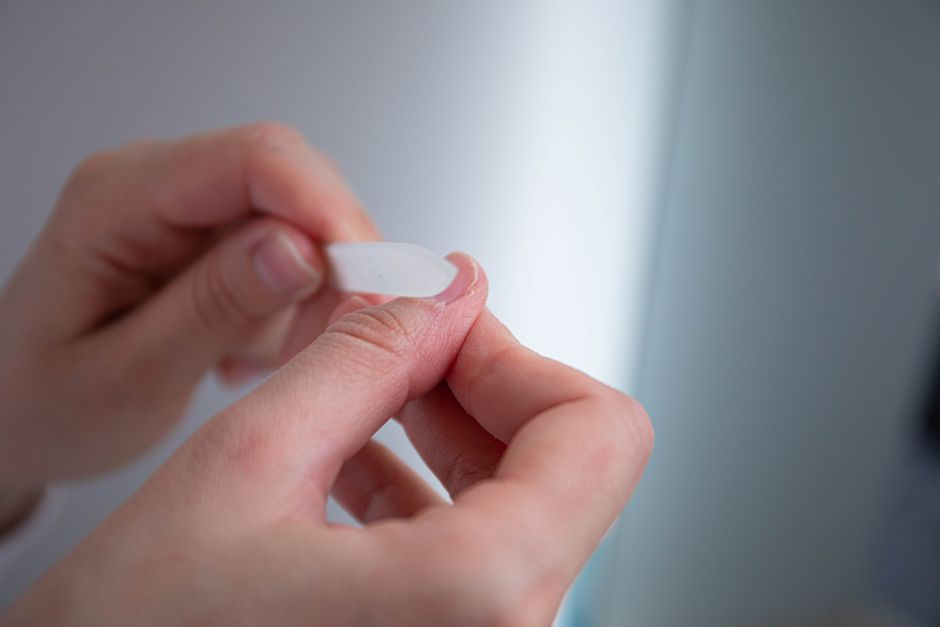
Weak nails require modified techniques to prevent additional stress on the nail plate.
When You Should Avoid Buffing Completely
Avoid buffing if your nails are:
- Painfully thin
- Cracked deeply
- Infected
- Bleeding near the cuticle
- Peeling severely
Safe Buffing Routine for Weak Nails
- Use ultra-fine grit only
- Limit buffing frequency
- Apply oil before and after
- Keep nails short
- Avoid aggressive shine polishing
Best Tools for Fragile Nail Types
Fragile nails generally respond best to:
- Glass nail files
- Soft sponge buffers
- Hydrating oils
- Cuticle creams
- Fine grit polishing blocks
Many people also explore recovery-focused beauty routines from the Hair, Skin & Nai Blog for additional nail wellness guidance.
How to Repair Nails After Over-Buffing
Recovery may take several weeks because nails grow slowly. During recovery:
- Stop buffing temporarily
- Use strengthening treatments carefully
- Apply moisturizer multiple times daily
- Wear gloves during cleaning
- Reduce acetone exposure
Nail Hygiene Practices and Buffer Sanitation
Sanitation is an important but often overlooked part of home manicure safety.
How Often Buffing Blocks Should Be Replaced
Replace buffer blocks when:
- The surface becomes smooth
- The grit wears unevenly
- The block develops cracks
- The buffer absorbs moisture
- Discoloration appears
How to Clean Nail Tools Safely
- Wash reusable tools with soap and warm water
- Disinfect with alcohol solution
- Allow tools to dry completely
- Store in a clean dry container
Never store damp nail tools in sealed containers because trapped moisture can encourage bacterial growth.
Can You Share Nail Buffers?
Sharing buffers is not recommended. Buffing blocks can collect skin particles, oils, and microorganisms. Personal-use tools are safer and more hygienic.
Many people organize manicure tools alongside wellness accessories from the Lifestyle collection to maintain cleaner self-care routines at home.
Home Manicure Workflow: Where Buffing Fits In

Understanding the correct order of manicure steps improves results and minimizes nail damage.
Ideal Order of Nail Care Steps
- Remove old polish
- Trim nails
- Shape edges
- Buff gently
- Clean dust away
- Apply cuticle oil
- Moisturize hands
- Apply polish if desired
Essential Home Manicure Kit for Beginners
- Nail clippers
- Glass file
- Fine-grit buffer block
- Cuticle pusher
- Cuticle oil
- Hand cream
- Nail brush
Beginners often build their first complete setup through the Nail Care Devices collection because it helps centralize manicure essentials in one place.
Manual Buffing vs Electric Nail Drill Tools
| Feature | Manual Buffer | Electric Nail Drill |
| Beginner Safety | High | Medium-Low |
| Control | Easy | Requires practice |
| Speed | Moderate | Fast |
| Over-Buffing Risk | Lower | Higher |
Mistakes Beginners Make During Home Manicures
- Using coarse grit on natural nails
- Buffing weekly
- Skipping hydration
- Cutting cuticles aggressively
- Using excessive pressure
- Filing in both directions
Best Buffing Blocks and Nail Tools for Beginners
The best beginner tools prioritize control, softness, and nail protection over aggressive abrasion.
What to Look for in a Beginner Nail Buffer
- Clearly labeled grit sides
- Soft flexible foam core
- Fine-grit polishing surfaces
- Comfortable grip
- Gentle texture for natural nails
Recommended Buffer Types for Different Nail Conditions
| Nail Condition | Recommended Tool |
| Brittle Nails | Glass file + soft buffer |
| Ridge-Prone Nails | Fine multi-step buffer |
| Thick Nails | Medium grit shaping file |
| Sensitive Nails | Ultra-fine polishing block |
Starter Nail Care Kit Checklist
- Fine grit nail file
- Multi-sided buffer block
- Cuticle oil
- Nail brush
- Hydrating cream
- Storage pouch
- Alcohol sanitizer
People interested in expanding their beauty routines often combine manicure tools with products from the Skin and Beauty Care Devices collection for a more complete self-care setup.
Frequently Asked Questions
How do you use buffing blocks for nails step by step?
Start by cleaning and drying the nails. Shape the edges first using a fine-grit file. Then use the smoothing side of the buffer with gentle pressure before finishing with the polishing side for shine. Apply cuticle oil afterward.
What grit level should beginners use for nail buffing?
Beginners should generally use fine grit levels above 240 for smoothing and 1000+ grit for polishing natural nails safely.
Can buffing blocks damage your nails if used too often?
Yes. Excessive buffing can thin the nail plate, increase sensitivity, and cause peeling or splitting.
What is the difference between a nail file and a buffing block?
Nail files shape the edge of the nail, while buffing blocks smooth and polish the nail surface.
How do you shape nails evenly at home without splitting?
Use light one-direction filing strokes, avoid sawing motions, and compare both hands frequently during shaping.
How often should you buff natural nails?
Most natural nails only need buffing once every 2-4 weeks.
Are glass nail files better for brittle nails?
Yes. Glass files create smoother edges with less tearing and are often safer for fragile nails.
Can you buff nails without making them thin?
Yes, if you use fine grit surfaces, minimal pressure, and avoid excessive frequency.
Should you buff nails before or after filing?
Always file and shape the nails first before buffing the nail surface.
What is a four-way buffer block used for?
A four-way buffer block typically includes separate sides for shaping, smoothing, refining, and polishing the nail surface.
Conclusion
Healthy nail buffing is not about creating extreme shine through aggressive abrasion. The safest and most effective approach focuses on gentle technique, proper grit selection, hydration, and consistency. Beginners usually achieve better long-term results by using fine-grit buffers carefully and limiting buffing frequency.
Whether you are shaping natural nails, repairing brittle edges, or building a simple home manicure routine, the goal should always be nail health first. Exploring beginner-friendly essentials inside the Nail Care Devices collection and educational resources from the Beauty & Self-Care Blog can help you continue improving your at-home nail care routine safely.
Pillar Article: Brittle Nail Care: Beginner-Friendly Routines, Safe Grooming Tips & Tool Guide