

Deep Hydration Skincare: The Complete Beginner Device Routine Guide
Deep hydration skincare has become one of the most important topics in modern beauty routines because many people unknowingly damage their skin barrier through over-exfoliation, harsh cleansers, environmental stress, and improper beauty device use. Dry indoor air, pollution, UV exposure, and aggressive skincare trends can all increase dehydration and irritation, leaving skin tight, flaky, inflamed, or unusually oily.
For beginners, hydration-focused beauty devices can help support moisture retention, improve skincare absorption, and create a healthier skin barrier when used correctly. The key is understanding which tools are beginner-friendly, how often to use them, and how to avoid common mistakes that lead to sensitivity.
Many users exploring hydration routines also browse curated collections like Skin and Beauty Care Devices and Skincare & Hydration to build gentle at-home skincare setups that prioritize barrier repair instead of aggressive exfoliation.
Why Skin Hydration Matters More Than Most Beginners Realize

Healthy skin depends on water balance. Even oily skin can become dehydrated when the moisture barrier becomes compromised. Hydration helps maintain elasticity, smooth texture, comfort, and resilience against irritation. When hydration levels drop, skin may look dull, rough, inflamed, or prematurely aged.
What Is the Skin Moisture Barrier?
The skin moisture barrier, often called the skin barrier, is the outermost protective layer of the skin. It helps retain moisture while protecting against pollutants, bacteria, and environmental irritants. A healthy barrier keeps skin balanced, soft, and calm.
When the barrier weakens, water escapes more easily, causing dryness, irritation, redness, and sensitivity. This process is known as transepidermal water loss. Many beginners mistakenly over-exfoliate or overuse harsh devices, which can worsen this issue.
Hydration-focused beauty devices aim to support the barrier by improving product absorption, encouraging circulation, and reducing unnecessary friction during skincare routines.
Dehydrated Skin vs Dry Skin: Key Differences
| Dehydrated Skin | Dry Skin |
| Lacks water | Lacks oil |
| Can affect any skin type | Usually a skin type |
| Often feels tight and dull | Often feels rough and flaky |
| May appear oily and irritated | Usually consistently dry |
| Improves with hydration support | Improves with richer moisturizers and oils |
Understanding the difference helps beginners choose better devices and routines. Dehydrated skin benefits from gentle hydration tools, while dry skin may require both hydration and stronger moisture sealing ingredients.
How Transepidermal Water Loss Affects Skin Health
Transepidermal water loss occurs when water evaporates from the skin faster than the barrier can retain it. Excessive cleansing, strong acids, overuse of cleansing brushes, and hot water exposure can all increase moisture loss.
Common signs include:
- Tightness after cleansing
- Flaky patches
- Redness and irritation
- Increased oil production
- Sensitivity to skincare products
- Rough texture
- Makeup applying unevenly
Hydration devices work best when paired with barrier-supportive ingredients like ceramides, glycerin, hyaluronic acid, and panthenol.
Signs Your Skin Barrier Needs Hydration Support
Your skin may need hydration support if you experience:
- Persistent dryness despite moisturizer use
- Sudden sensitivity
- Burning after applying skincare
- Inflammation around the nose or cheeks
- Dullness and uneven texture
- Frequent breakouts caused by irritation
- Tightness after cleansing
Beginners should focus on gentle hydration before introducing aggressive anti-aging or exfoliation devices.
How Hydration-Focused Beauty Devices Actually Work

Modern skincare devices use different technologies to support hydration, circulation, product penetration, and skin comfort. The safest beginner devices focus on gentle support instead of intense resurfacing.
Nano Mist Sprayers for Surface Hydration
Nano mist devices create ultra-fine water particles that help refresh dehydrated skin throughout the day. They are especially useful in dry climates, offices with air conditioning, or during travel.
Benefits include:
- Quick hydration refresh
- Reduced tightness
- Improved comfort during flights
- Better layering support between skincare steps
- Portable daily hydration
Many beginners pair hydration mists with routines from the Skincare & Hydration collection because barrier-supportive products work best when hydration is maintained consistently.
LED Light Therapy Masks and Barrier Recovery
LED therapy masks use different wavelengths of light to support skin goals. Red light is often used to calm inflammation and support recovery. Beginners with sensitive or dehydrated skin usually tolerate red light better than aggressive resurfacing treatments.
Potential benefits include:
- Reduced visible redness
- Support for post-breakout recovery
- Improved comfort for irritated skin
- Support for collagen maintenance
- Better overall skin calmness
LED masks are not instant-fix devices. Most users need several weeks of consistent use before noticing meaningful improvements.
Microcurrent Devices and Skin Circulation
Microcurrent devices use low-level electrical currents to stimulate facial muscles temporarily. Although they are commonly associated with firming and lifting, some users also report improved circulation and better skincare absorption.
Beginners should:
- Use conductive gel properly
- Start with low settings
- Avoid daily overuse
- Skip treatment on irritated skin
- Avoid combining with strong acids
Microcurrent tools are best introduced slowly into hydration routines rather than replacing foundational skincare.
Ultrasonic Skin Scrubbers for Gentle Product Penetration
Ultrasonic scrubbers use high-frequency vibrations to help loosen debris and support gentle exfoliation. They can help remove excess oil and dead skin buildup without the harsh abrasion associated with physical scrubs.
However, beginners often misuse these tools by applying too much pressure or using them too frequently.
Safe beginner tips include:
- Use only 1–2 times weekly
- Keep skin damp during treatment
- Do not scrape aggressively
- Avoid active breakouts
- Follow immediately with hydration
Radiofrequency Facial Devices: When Beginners Should Wait
Radiofrequency devices use thermal energy to support collagen stimulation and skin tightening. While these devices can be effective for advanced users, beginners should usually avoid starting with radiofrequency treatments.
Reasons beginners should wait include:
- Higher irritation risk
- Potential overheating from incorrect use
- Complicated treatment protocols
- Greater sensitivity concerns
- Need for careful frequency management
It is safer to build a strong hydration-focused routine first before considering advanced technologies.
One beginner-friendly example of hydration support is the KentDO™ Professional Facial Steamer – Deep Pore Cleansing & Hydration.

This type of device uses nano-ion steam to soften buildup and support hydration before skincare application. Beginners should still limit steaming sessions to a few times per week to avoid excessive heat exposure.
The Best Hydration Devices for Every Skin Type
Choosing the right device depends heavily on skin type, sensitivity level, and hydration goals. The best beginner tools are usually gentle, consistent, and easy to integrate into daily routines.
Best Devices for Dry and Flaky Skin
Dry skin benefits most from devices that reduce tightness and improve moisture retention. Good beginner options include:
- Nano mist sprayers
- Facial steamers
- Red LED masks
- Cooling hydration devices
- Gentle silicone cleansing brushes
Dry skin users should avoid aggressive exfoliation and focus on layering hydration properly.
Best Devices for Sensitive Skin Routines
Sensitive skin requires conservative routines. The safest beginner devices are:
- Low-intensity LED masks
- Silicone cleansing brushes
- Cooling facial rollers
- Hydration misters
- Low-frequency microcurrent tools
Patch testing remains essential. Sensitive users should never introduce multiple devices at once.
Best Hydration Tools for Oily or Acne-Prone Skin
Oily skin still needs hydration. In fact, dehydration can worsen oil production.
Helpful beginner devices include:
- Ultrasonic skin scrubbers
- Gentle cleansing brushes
- Blue and red LED therapy
- Oil-free hydration misters
- Cooling pore-support devices
Heavy steaming and aggressive extraction should be minimized to prevent inflammation.
Combination Skin: Mixing Hydration and Oil Control
Combination skin often needs multiple strategies. Beginners can alternate hydration and oil-control treatments depending on facial zones.
Examples include:
- Hydration on cheeks and jawline
- Gentle exfoliation only in oily areas
- Reduced device frequency around sensitive zones
- Layering lightweight serums under hydration devices
Many users exploring customized routines also browse the Skin and Beauty Care Devices collection to compare hydration-supportive tools designed for different skin needs.
Explore more beginner-friendly skincare devices
How to Build a Beginner-Friendly Hydration Device Routine

Successful hydration routines focus on consistency instead of intensity. Beginners often see better results from gentle daily support than from aggressive weekly treatments.
Step 1: Start With a Gentle Facial Cleansing Brush
Choose a soft silicone cleansing brush instead of harsh spinning bristle devices. Silicone tools are easier to clean and typically less abrasive.
Best practices include:
- Use lukewarm water only
- Limit cleansing sessions to 60 seconds
- Avoid scrubbing aggressively
- Clean the device after every use
- Use fragrance-free cleansers
Step 2: Apply Hydrating Ingredients Like Hyaluronic Acid
Hydration devices work best when paired with water-attracting ingredients.
Beginner-friendly ingredients include:
- Hyaluronic acid
- Glycerin
- Ceramides
- Panthenol
- Beta-glucan
- Aloe vera
Apply hydrating serums immediately after cleansing while skin remains slightly damp.
Step 3: Use Hydration Devices in the Correct Order
- Cleanse skin gently
- Apply hydration serum
- Use hydration-support device
- Seal moisture with moisturizer
- Apply sunscreen during daytime
Incorrect sequencing can reduce effectiveness and increase irritation.
Step 4: Lock In Moisture Without Triggering Irritation
After using hydration devices, finish with a moisturizer that supports the skin barrier. Beginners should prioritize simple formulas instead of combining multiple strong actives.
Helpful ingredients include:
- Ceramides
- Squalane
- Colloidal oatmeal
- Shea butter
- Niacinamide
Sample Morning Hydration Device Routine
- Gentle cleanse
- Hydrating toner
- Hyaluronic acid serum
- LED mask or hydration mist
- Moisturizer
- SPF 30 or higher
Sample Nighttime Barrier Repair Routine
- Remove makeup gently
- Use cleansing brush lightly
- Apply soothing serum
- Use hydration-support device
- Apply barrier cream
- Use sleeping mask if needed
Many beginners also combine skincare routines with wellness-focused recovery habits found in the Wellness & Relaxation collection to reduce stress-related skin irritation.
Explore hydration-focused skincare essentials
How Often Should You Use Hydrating Facial Devices?

Consistency matters more than frequency. Overusing beauty devices is one of the fastest ways to damage the skin barrier.
Daily vs Weekly Device Usage Guidelines
| Device Type | Recommended Beginner Frequency |
| Hydration mist device | Daily |
| Silicone cleansing brush | 3–5 times weekly |
| LED mask | 3–4 times weekly |
| Ultrasonic scrubber | 1–2 times weekly |
| Microcurrent device | 2–3 times weekly |
| Facial steaming | 1–3 times weekly |
Signs You Are Overusing Skincare Devices
- Persistent redness
- Burning sensations
- Flaking
- Breakouts from irritation
- Tightness that worsens after treatments
- Increased sensitivity to products
- Dry patches around cheeks or nose
If these symptoms appear, reduce frequency immediately and focus on barrier recovery.
Safe Usage Frequency for Sensitive Skin
Sensitive skin users should:
- Introduce one device at a time
- Limit exfoliation tools
- Use low settings initially
- Avoid combining strong actives
- Take recovery days between sessions
Common Mistakes That Damage the Skin Barrier

Many skincare problems are caused by excessive treatment rather than lack of treatment.
Over-Exfoliating With Cleansing Devices
Daily aggressive exfoliation can strip protective oils and weaken the skin barrier. Beginners often assume more exfoliation equals cleaner skin, but excessive friction creates inflammation and dehydration.
Warning signs include:
- Shiny but tight skin
- Red patches
- Sudden breakouts
- Burning during moisturizer application
Using Strong Acids With Device Treatments
Combining strong acids with device treatments increases irritation risk significantly.
Use caution with:
- High-strength glycolic acid
- Strong salicylic acid formulas
- Retinoids
- Benzoyl peroxide
- Peeling solutions
Beginners should separate active exfoliation nights from device nights whenever possible.
Skipping Hydration After Device Sessions
Devices alone do not replace moisturizer. After treatment, the skin barrier may temporarily become more vulnerable to water loss.
Always follow with:
- Hydrating serum
- Barrier cream
- Light occlusive moisturizer
- SPF during daytime
Ignoring Device Hygiene and Maintenance
Dirty beauty devices can spread bacteria and worsen irritation or breakouts.
Best hygiene practices include:
- Cleaning after every use
- Replacing brush heads regularly
- Drying tools completely
- Storing devices away from moisture
- Using alcohol wipes where manufacturer-approved
Storage accessories from the Gifts & Accessories collection can help organize skincare devices safely during travel or daily use.
Beginner Device Safety and Anti-Irritation Protocols

Safe skincare routines focus on gradual progress. Beginners should prioritize comfort and barrier health over fast results.
Patch Testing Before Using New Devices
Always patch test new devices or skincare pairings on a small area before full-face application.
Monitor for:
- Redness
- Burning
- Swelling
- Rash formation
- Excessive dryness
When to Stop Using a Device Immediately
Stop use immediately if you experience:
- Persistent burning
- Skin peeling
- Swelling
- Pain
- Heat damage
- Sudden widespread irritation
Seek professional advice if symptoms worsen.
Safe Pairings With Dermatologist Recommended Skincare
Hydration devices work best alongside simple barrier-supportive routines.
Safe beginner pairings include:
- Ceramide moisturizers
- Gentle cleansers
- Fragrance-free serums
- Niacinamide in low concentrations
- Hydrating essences
Hydration Ingredients Beginners Should Prioritize
| Ingredient | Primary Benefit |
| Hyaluronic Acid | Water retention |
| Ceramides | Barrier repair |
| Glycerin | Moisture attraction |
| Panthenol | Soothing support |
| Squalane | Moisture sealing |
| Beta-Glucan | Calming irritation |
Educational skincare resources in the Beauty & Self-Care Blog can also help beginners understand ingredient compatibility and routine building.
See beginner-safe skincare tools
Device Cleaning, Storage, and Travel Maintenance Guide
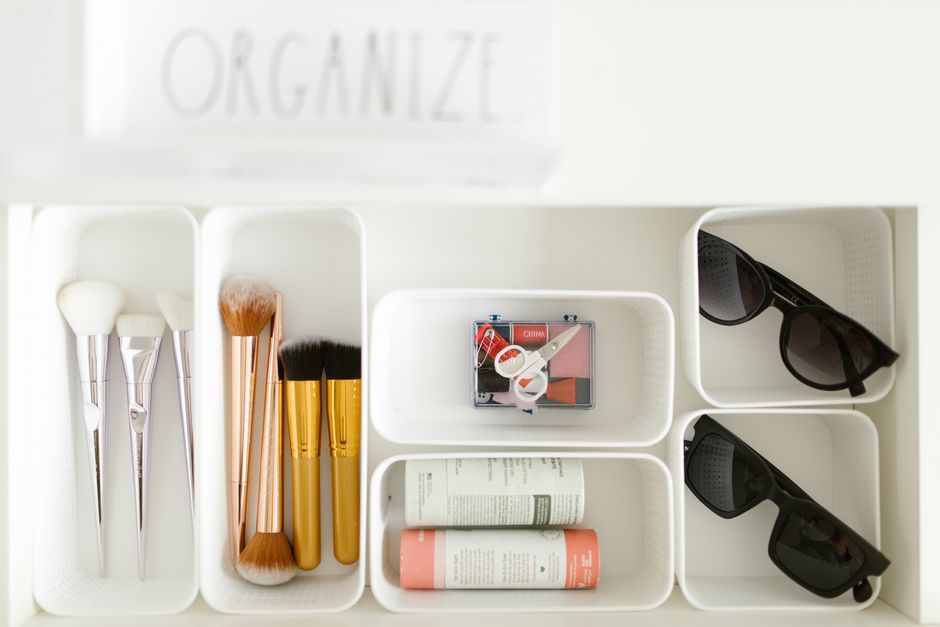
Proper maintenance extends device lifespan and helps reduce bacteria buildup.
How to Clean Beauty Devices Safely
- Unplug the device completely
- Wipe surfaces with approved disinfectant
- Remove residue carefully
- Allow tools to dry fully
- Store in clean containers
Avoid soaking electrical devices unless specifically designed for waterproof use.
Travel Storage Tips for At-Home Beauty Devices
Travel exposes devices to dirt, pressure damage, and moisture. Proper storage matters.
Helpful travel tips include:
- Use padded cases
- Separate cords carefully
- Store devices dry
- Carry backup brush heads
- Avoid extreme heat exposure
Frequent travelers often combine skincare storage solutions with organizers from the Lifestyle collection to simplify routines on the go.
When to Replace Attachments and Brushes
Replace brush heads and attachments regularly to maintain hygiene and effectiveness.
| Accessory | Replacement Frequency |
| Brush heads | Every 2–3 months |
| Silicone cleansing pads | When damaged |
| Microcurrent conductive pads | As recommended |
| Filters and reservoirs | Based on manufacturer guidance |
Some beginners exploring advanced hydration support also consider devices like the KentDO™ Electroporation Facial Device for Firming & Cooling for improved serum penetration and cooling hydration support.

Comparing Popular Hydration Skincare Devices for Beginners
Each hydration-focused beauty device serves different goals. Beginners should choose devices based on skin sensitivity, hydration needs, and routine complexity.
Nano Mist Sprayer vs LED Mask
| Feature | Nano Mist Sprayer | LED Mask |
| Main Goal | Hydration refresh | Inflammation support |
| Beginner Friendly | Very high | High |
| Travel Friendly | Excellent | Moderate |
| Best For | Dehydration | Sensitivity and redness |
Facial Cleansing Brush vs Ultrasonic Skin Scrubber
| Feature | Cleansing Brush | Ultrasonic Scrubber |
| Purpose | Daily cleansing | Weekly exfoliation |
| Skin Sensitivity Risk | Low to moderate | Moderate |
| Frequency | Several times weekly | 1–2 times weekly |
| Best For | Routine cleansing | Oil and debris removal |
Microcurrent Device vs Radiofrequency Device
| Feature | Microcurrent | Radiofrequency |
| Intensity | Moderate | Higher |
| Beginner Safety | Good | Lower |
| Main Goal | Muscle stimulation | Thermal collagen support |
| Risk of Irritation | Lower | Higher |
Which Device Delivers the Best Beginner Value?
For most beginners, the best starting devices are:
- Silicone cleansing brushes
- Nano mist sprayers
- Hydration-focused LED masks
- Cooling facial massagers
These devices offer gentle support while minimizing barrier disruption.
Explore hydration-support collections for beginners
Who Should Avoid Certain Hydration Devices?

Not every beauty device is suitable for every person. Certain conditions require additional caution.
Pregnancy, Medical Conditions, and Device Restrictions
Pregnant users and individuals with medical devices or chronic conditions should consult healthcare professionals before using:
- Microcurrent devices
- Radiofrequency devices
- EMS tools
- Intense light-based devices
People with eczema, rosacea, severe acne, or highly reactive skin should also approach exfoliation tools conservatively.
When to Consult a Dermatologist
Consult a dermatologist if you experience:
- Persistent inflammation
- Unexplained irritation
- Painful breakouts
- Barrier damage lasting several weeks
- Allergic reactions
- Worsening sensitivity after device use
Professional guidance is especially important before beginning advanced anti-aging device treatments.
Frequently Asked Questions
How to use facial hydration devices safely for beginners?
Start slowly, use devices on clean skin, follow manufacturer guidelines, avoid overuse, and always apply barrier-supportive skincare afterward.
What are the best beauty devices for improving skin moisture barrier?
Gentle LED masks, nano mist sprayers, silicone cleansing brushes, and hydration-support facial steamers are among the safest beginner-friendly options.
How often should you use hydrating facial devices in a routine?
Most hydration devices can be used several times weekly, while exfoliation-focused tools should be limited to once or twice weekly.
Which skincare devices are best for sensitive or dry skin types?
Sensitive and dry skin generally respond best to low-irritation devices like silicone cleansing brushes, hydration misters, cooling rollers, and red LED masks.
How do you prevent irritation when using beauty tools at home?
Avoid aggressive exfoliation, use gentle settings, patch test devices, maintain hydration, and avoid combining multiple strong actives simultaneously.
Can hydration skincare devices replace moisturizer?
No. Hydration devices support skincare routines but do not replace moisturizers or barrier-repair ingredients.
Are LED masks safe for sensitive skin?
Many red LED masks are considered gentle for sensitive skin when used properly and consistently.
What ingredients work best with hydration devices?
Hyaluronic acid, glycerin, ceramides, panthenol, beta-glucan, and soothing barrier-support ingredients work especially well.
Should beginners use radiofrequency devices?
Most beginners should start with gentler hydration-focused tools before progressing to radiofrequency technology.
How long does it take to improve dehydrated skin with beauty devices?
Many users notice comfort improvements within a few weeks, while long-term barrier recovery may take several months of consistent care.
Conclusion
Deep hydration skincare starts with protecting the skin barrier rather than aggressively treating the skin. Beginners often achieve better long-term results by choosing gentle hydration-supportive devices, maintaining consistent routines, and avoiding over-exfoliation.
The safest approach is gradual progression. Start with beginner-friendly tools, introduce new devices slowly, prioritize hydration ingredients, and focus on recovery whenever irritation appears.
Whether building a simple cleansing routine or exploring advanced hydration technologies, long-term skin health depends on consistency, barrier support, and smart device habits rather than chasing overly aggressive treatments.
Explore beginner-friendly skincare device collections
Pillar Article: Facial Beauty Tool Beginner Guide: Safe At-Home Skincare Device Routines for Every Skin Type













