

Electric Nail Trimmer for Adults: Complete Safety & Buying Guide
More adults are switching to electric nail grooming tools because traditional nail clippers often create uneven cuts, cracked edges, and accidental skin injuries. Thick toenails, brittle nails, aging hands, dry cuticles, and reduced grip strength can turn basic grooming into a frustrating experience. Modern electric nail trimmers aim to make at-home nail care safer, smoother, and more hygienic by combining controlled trimming, polishing, dust collection, and beginner-friendly safety systems.
Unlike aggressive salon drilling systems, today’s electric nail trimmers are designed for everyday home grooming. Many devices now include LED lighting, enclosed blades, adjustable speeds, debris collection systems, and quieter motors that help beginners feel more confident during trimming sessions. Combined with a healthy nail routine and proper hygiene practices, these tools can support long-term nail maintenance without requiring professional salon visits every week.
For readers building a complete grooming setup, exploring the Nail Care Devices collection can help organize tools for trimming, filing, polishing, and maintenance. Many users also combine nail routines with products from the Skin and Beauty Care Devices collection to support healthier cuticles and hand care.
Why More Adults Are Switching to Electric Nail Trimmers in 2026

Electric nail grooming devices have evolved far beyond novelty gadgets. In 2026, they are increasingly viewed as practical hygiene tools that reduce accidental cuts, improve trimming consistency, and simplify at-home manicures and pedicures. Adults dealing with thick toenails, fragile nails, or reduced hand mobility often find electric systems easier to control than traditional clippers.
The rise of at-home salon-quality nail grooming
Modern consumers are prioritizing self-care routines that save time while maintaining professional-looking results. At-home grooming systems now include electric trimmers, polishing tools, portable dust collectors, mini LED lamps, and gentle buffing devices. This shift is partly driven by convenience and partly by hygiene awareness.
Many beginners now build complete routines using curated categories like the Body Care and Health Devices collection and the Lifestyle collection to support long-term grooming habits instead of relying solely on salon appointments.
Why traditional nail clippers fail for sensitive or thick nails
Standard nail clippers can place excessive pressure on the nail plate. This often causes splitting, cracking, or jagged edges, especially in brittle or aging nails. Thick toenails also require more force, increasing the likelihood of slipping or trimming too deeply.
Manual clipping becomes even harder for users with arthritis, weak grip strength, or vision challenges. Electric trimmers reduce this pressure by using gradual filing or enclosed rotary systems that shape the nail more evenly.
How electric grooming tools reduce trimming anxiety for beginners
Fear of over-cutting is one of the biggest reasons adults avoid regular nail maintenance. Electric systems help beginners work more slowly and carefully. Features such as LED lighting, low-noise motors, pressure-sensitive trimming, and enclosed blade designs improve visibility and reduce the chance of painful mistakes.
For adults new to nail maintenance, educational resources inside the Beauty & Self-Care Blog and Hair, Skin & Nail Blog can help establish safe long-term grooming habits.
What Is an Electric Nail Trimmer?
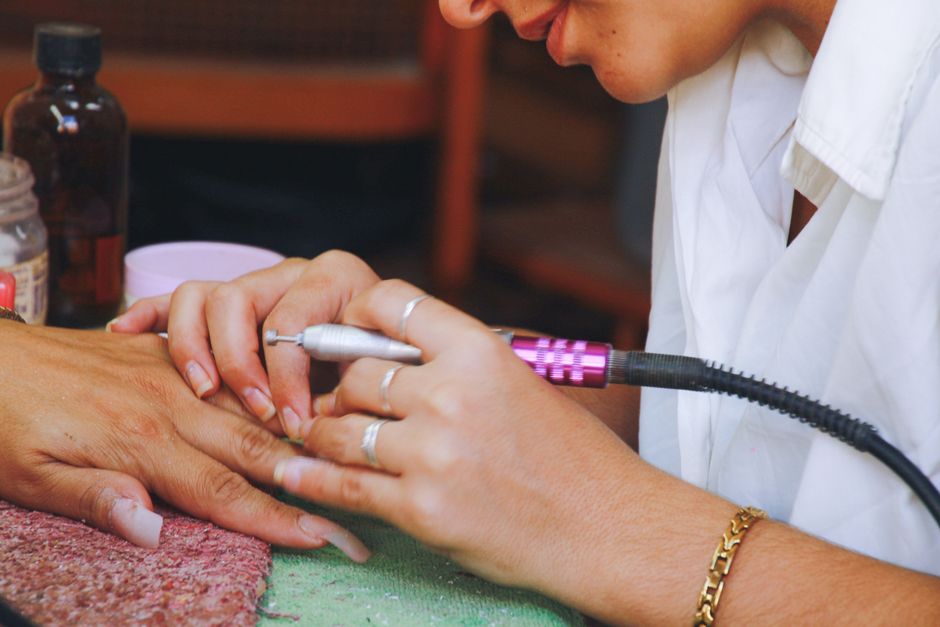
An electric nail trimmer is a powered grooming device that trims, files, buffs, or smooths nails using rotating, vibrating, or enclosed blade systems. Unlike traditional clippers that rely on pressure-based cutting, electric nail trimmers gradually shape the nail with more controlled motion.
How electric nail trimmers work
Most electric nail trimmers use one of three systems:
- Rotary grinding heads that gently file the nail edge
- Enclosed cutting blades that trim while containing debris
- Hybrid trimming and polishing systems that smooth rough edges simultaneously
The goal is controlled shaping rather than forceful clipping. This helps reduce nail splitting and improves edge consistency.
Electric nail trimmer vs automatic nail clipper
These terms are often used interchangeably, but they can describe slightly different devices. Automatic nail clippers typically use enclosed cutting systems that clip and collect debris. Electric nail trimmers may focus more heavily on grinding, filing, or polishing.
| Feature | Electric Nail Trimmer | Automatic Nail Clipper |
| Main Function | Filing and shaping | Automated clipping |
| Best For | Brittle or sensitive nails | Quick trimming |
| Risk of Splitting | Lower | Moderate |
| Noise Level | Usually low | Varies |
| Debris Control | Sometimes included | Often built-in |
Electric nail trimmer vs electric nail drill
Electric nail drills are more powerful and are typically used for acrylic nails, gel polish removal, or intensive salon shaping. Nail trimmers are gentler and safer for beginners.
Nail drills usually operate at higher RPM levels and require more experience to avoid damaging the nail bed. Most adults performing routine grooming at home do not need professional-grade drilling systems.
Who should use electric nail grooming devices
Electric nail grooming devices are particularly helpful for:
- Adults with brittle nails
- People with thick toenails
- Seniors with reduced grip strength
- Beginners nervous about cutting too deeply
- Users seeking cleaner, less messy grooming
- Travelers wanting compact manicure tools
How to Use an Electric Nail Trimmer Safely at Home

Safe trimming is more important than fast trimming. Proper preparation, speed control, nail positioning, and hygiene reduce the risk of irritation and over-filing.
Step-by-step beginner-safe trimming workflow
- Wash and dry your hands thoroughly
- Inspect nails for cracks, lifting, or sensitivity
- Use warm water for 3 to 5 minutes if nails are very thick
- Select the lowest speed setting
- Trim gradually from the outer edge inward
- Use light pressure only
- Stop frequently to inspect nail shape
- Finish with gentle buffing if needed
- Apply cuticle oil or hand cream afterward
Beginners often benefit from enclosed safety systems with visibility lighting. One example is the Electric Nail Clipper with LED Light for Safe, Easy Care.

The enclosed design and LED lighting can help reduce trimming anxiety for adults who struggle with visibility or uneven clipping. Readers building a beginner setup may also explore the Foot & Body Comfort collection for home grooming support tools.
How to prepare nails before trimming
Dry nails are more likely to crack under pressure. If nails are unusually thick or rigid, soaking them briefly in warm water can soften the surface enough for smoother shaping. However, overly wet nails may become too flexible, increasing the risk of uneven filing.
Before trimming:
- Remove old polish completely
- Wash away dirt and oil
- Disinfect grooming tools
- Inspect for fungal symptoms or inflammation
- Separate damaged nails from healthy ones during trimming
Safe pressure, angle, and speed settings
The safest technique is to let the device do the work. Pressing too hard increases friction and heat buildup, which may weaken the nail plate.
General beginner recommendations:
- Start at low speed
- Use short trimming passes
- Maintain a shallow angle
- Never stay in one spot too long
- Avoid aggressive sidewall filing
Mistakes that damage nails or cuticles
Many nail problems come from overuse rather than tool defects. Common mistakes include:
- Using maximum speed immediately
- Filing deeply into side edges
- Over-buffing for shine
- Skipping cleaning and sanitization
- Using damaged grinding heads
- Trimming inflamed or infected nails
When to stop trimming immediately
Stop using the device if you notice:
- Heat buildup
- Sharp pain
- Bleeding
- Visible thinning
- Burning sensation
- Nail separation
- Sudden redness around cuticles
If irritation persists, consult a dermatologist or podiatrist before continuing electric grooming.
Choosing the Right Device for Your Nail Condition

The safest electric nail trimmer depends heavily on nail thickness, sensitivity level, cuticle health, and overall nail condition. Choosing the wrong tool can increase cracking, peeling, or irritation.
Best device types for brittle nails
Brittle nails require gentle shaping rather than aggressive clipping. Devices with low-speed filing systems and soft grinding surfaces are usually safer than forceful rotary drills.
Helpful features include:
- Low RPM settings
- Rounded filing heads
- Quiet motors
- LED lighting
- Dust collection
- Soft edge polishing
Hydration is also essential. Combining nail maintenance with products from the Skincare & Hydration collection may help reduce dryness around cuticles and nail folds.
Safe options for thick or hard nails
Thick toenails require stronger motors and controlled shaping power. However, high RPM alone does not guarantee safety. Devices should still offer gradual filing instead of harsh cutting.
Adults with thick nails should look for:
- Variable speed controls
- Wider trimming heads
- Debris collection systems
- Rechargeable battery systems
- Stable ergonomic grip designs
Electric grooming for sensitive nails and aging hands
Seniors and adults with arthritis often benefit from lightweight trimmers that minimize gripping pressure. Devices with larger buttons, soft-touch finishes, and quiet operation improve comfort.
LED lighting is especially important because visibility issues increase accidental trimming injuries.
Devices to avoid for damaged nail beds
If the nail bed is already inflamed, lifting, or severely damaged, avoid aggressive drills and coarse grinding attachments. Strong friction may worsen irritation and increase bacterial exposure.
People with recurring infections or unexplained nail discoloration should seek professional evaluation before starting electric grooming routines.
How LED nail lights improve trimming precision
Built-in LED lights improve visibility around corners and cuticle edges, especially during nighttime grooming or low-light conditions. Better visibility reduces accidental over-filing and helps beginners maintain more symmetrical nail shapes.
Modern systems that combine trimming, polishing, and debris control can simplify routines for adults who want cleaner home grooming workflows.
Electric Nail Trimmer vs Nail Drill vs Nail File

Many beginners buy the wrong grooming tool because they confuse trimmers, drills, and files. Each tool serves a different purpose, and understanding the differences prevents unnecessary nail damage.
When an electric trimmer is enough
For everyday maintenance, an electric trimmer is usually sufficient. It handles:
- Basic nail shortening
- Smoothing edges
- Routine grooming
- Minor shaping
- Light buffing
Most adults who maintain natural nails do not need salon-grade drilling systems.
When a nail drill makes sense
Nail drills are useful for:
- Gel polish removal
- Acrylic shaping
- Heavy callus smoothing
- Professional salon work
However, improper drill use can thin natural nails quickly. Beginners should avoid high-speed drill systems until they understand pressure control and safe filing angles.
Manual nail files vs electric filing systems
| Feature | Manual Nail File | Electric Filing System |
| Learning Curve | Low | Moderate |
| Precision | Moderate | High |
| Speed | Slow | Fast |
| Risk of Over-Filing | Lower | Higher if misused |
| Best For | Light maintenance | Routine grooming systems |
Decision tree: which tool should you buy?
Choose an electric trimmer if you:
- Want beginner-friendly grooming
- Have brittle or sensitive nails
- Prefer low-maintenance routines
- Need safer trimming visibility
Choose an electric drill if you:
- Work with acrylic nails
- Need gel removal power
- Already understand RPM control
Choose manual files if you:
- Only shape nails occasionally
- Prefer complete manual control
- Have extremely fragile nails
The Safest Features to Look for in 2026

Modern nail devices increasingly focus on safety engineering rather than raw motor power. The safest systems are designed to reduce accidental cuts, minimize airborne debris, and improve user control.
LED lighting systems for visibility
LED lighting remains one of the most valuable beginner safety features. Good visibility reduces trimming mistakes and helps users maintain even nail edges.
Adults with thick nails or reduced vision often find LED-assisted trimming significantly easier than using traditional clippers alone.
Low-noise motors for beginner control
Loud motors can increase anxiety and reduce precision. Quiet devices encourage slower, steadier movements and help beginners maintain better control.
Lower noise levels also improve comfort for seniors and sensitive users.
Dust collection systems and hygiene benefits
Nail dust contains tiny keratin particles that can spread around grooming spaces. Dust collection systems improve cleanliness and reduce airborne debris during filing and polishing.
Devices that combine trimming, polishing, and dust collection can simplify hygiene routines for busy households.
One example is the Electric Nail Clipper with Polisher & LED Dust Collector.

Its compact design and integrated dust collection system can support cleaner grooming sessions for adults who regularly file or polish their nails.
Variable speed controls and pressure sensors
Variable speed settings allow users to adapt trimming intensity based on nail thickness and sensitivity. Beginners should always start with the lowest setting.
Advanced systems may also include pressure-sensitive controls that reduce friction when excessive force is applied.
Travel-safe and rechargeable designs
Portable grooming devices are becoming increasingly popular for travel, office use, and minimal-space storage. USB-C charging, enclosed heads, and compact carrying cases improve convenience while reducing contamination exposure during transport.
Travelers often pair grooming devices with essentials from the Gifts & Accessories collection for organized self-care kits.
How to Clean an Electric Nail Trimmer and Nail Dust Collector

Cleaning is one of the most overlooked aspects of nail health. Poorly maintained grooming tools may harbor bacteria, fungi, skin oils, and nail debris.
Why nail hygiene matters for infection prevention
Nail tools repeatedly contact skin, nail folds, and microscopic nail particles. Without proper cleaning, debris can accumulate inside grinding heads, collection chambers, and filters.
Clean tools reduce contamination risks and help maintain device performance.
How often to clean grooming devices
Light users should clean tools after every session. Shared household devices require even stricter maintenance.
Recommended schedule:
- Surface wipe after every use
- Grinding head cleaning weekly
- Filter cleaning every 1 to 2 weeks
- Deep sanitization monthly
Safe cleaning materials and sanitizing methods
Safe cleaning supplies include:
- 70% isopropyl alcohol
- Soft microfiber cloths
- Small detailing brushes
- Disposable cotton swabs
- Mild soap and warm water for detachable components
Never immerse electrical components in water unless specifically approved by the manufacturer.
How to clean nail dust collector filters
Dust collectors should be emptied regularly to maintain airflow and hygiene. Remove filters carefully to avoid redistributing particles into the air.
- Power off the device
- Remove collection chamber
- Discard accumulated debris
- Use a dry brush to loosen trapped dust
- Wipe filter housing gently
- Allow components to dry fully before reassembly
Storage mistakes that increase bacteria buildup
Avoid storing devices in humid bathrooms without ventilation. Moisture promotes microbial growth and may damage internal components.
Safer storage habits include:
- Keeping tools in dry containers
- Separating clean and used attachments
- Avoiding sealed damp bags
- Disinfecting travel cases regularly
Preventing Nail Damage, Irritation, and Infection
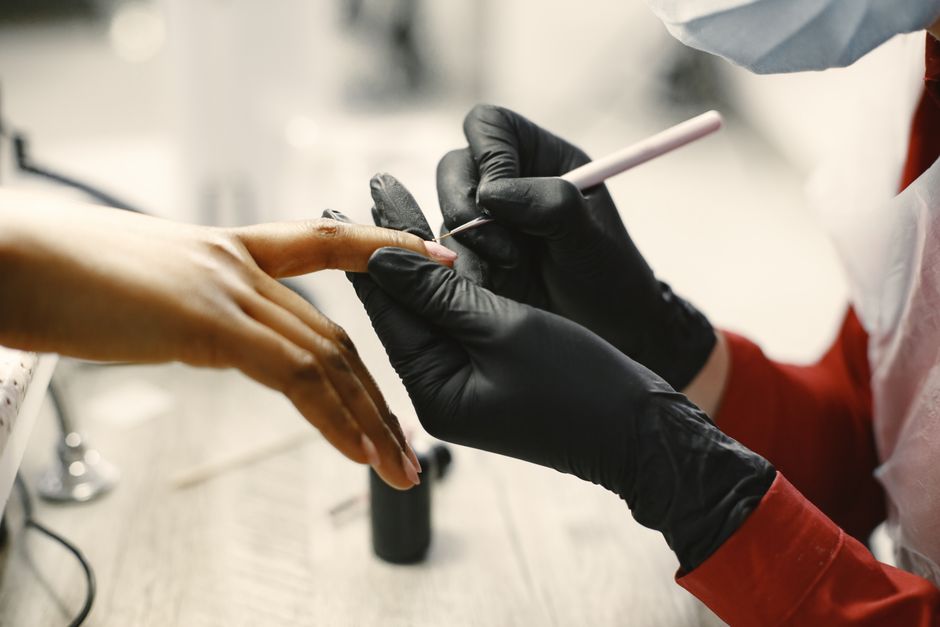
Healthy nail care focuses on preservation, not excessive shaping. Over-grooming is one of the most common causes of nail weakness.
How over-filing weakens nails
Repeated filing removes protective nail layers and may create thinning, peeling, or increased flexibility. Thin nails crack more easily and become vulnerable to environmental stress.
Electric devices should never be used continuously on the same area.
Signs of nail stress and sensitivity
Watch for:
- Peeling edges
- Persistent roughness
- Heat sensitivity
- Nail transparency
- Redness around cuticles
- White stress spots
Reducing trimming frequency and improving hydration can help restore nail resilience.
Basic nail fungus prevention practices
Good hygiene significantly reduces fungal exposure risks.
- Never share trimming heads
- Disinfect devices regularly
- Keep feet dry
- Replace worn filing attachments
- Allow shoes to ventilate
- Trim nails straight across
Users interested in broader wellness maintenance often combine grooming routines with items from the Wellness & Relaxation collection.
Safe cuticle care during electric grooming
Cuticles protect the nail matrix from environmental exposure. Aggressive trimming or drilling around cuticles may increase irritation and infection risks.
Safer alternatives include:
- Softening cuticles with warm water
- Using gentle cuticle pushers
- Applying nourishing oils
- Avoiding deep cutting
When to see a dermatologist or podiatrist
Seek professional evaluation if you notice:
- Persistent thickening
- Yellow discoloration
- Nail lifting
- Painful swelling
- Bleeding beneath nails
- Repeated infections
Electric grooming should not replace medical treatment for serious nail conditions.
Building a Complete Home Manicure System

A successful home manicure system is built around consistency, cleanliness, and gentle maintenance rather than aggressive cosmetic shaping.
The ideal beginner nail care setup
A simple beginner setup may include:
- Electric nail trimmer
- Soft nail file
- Buffing block
- Cuticle oil
- Hand moisturizer
- Alcohol wipes
- Dust cleaning brush
- Storage case
Readers looking to expand self-care systems beyond nail grooming can explore the Hair Care and Styling Devices collection and the Oral Care Devices collection for complementary routines.
Recommended grooming order for salon-like results
- Wash and dry hands
- Trim length carefully
- Shape edges evenly
- Buff lightly if desired
- Clean nail dust
- Apply hydration products
- Disinfect tools before storage
How often adults should trim and file nails
Fingernails usually require maintenance every 1 to 2 weeks, while toenails often grow more slowly. Excessive trimming increases stress on the nail plate.
Consistency matters more than frequency. Gentle maintenance prevents the need for aggressive reshaping later.
Weekly maintenance routine for healthy nails
| Day | Recommended Action |
| Monday | Hydrate cuticles |
| Wednesday | Inspect nail edges |
| Friday | Light filing if needed |
| Weekend | Deep clean grooming tools |
Best Electric Nail Trimmer Features by User Type

The best electric nail trimmer depends less on branding and more on matching device features to personal grooming needs.
Best for beginners
Beginners benefit most from:
- Enclosed trimming heads
- LED lighting
- Low-speed settings
- Quiet operation
- Compact ergonomic designs
Best for brittle nails
Brittle nails respond best to gradual shaping systems rather than forceful clipping. Fine-grit filing attachments and controlled pressure reduce splitting risks.
Best for thick nails
Thick nails often require:
- Stronger motors
- Variable speeds
- Wider filing surfaces
- Stable grip designs
Users should still prioritize controlled shaping over aggressive removal.
Best for travel and portability
Travel-friendly devices should include:
- Rechargeable batteries
- Protective covers
- Compact dimensions
- Quiet operation
- Integrated debris control
Best for hygiene-focused users
Hygiene-focused users should prioritize:
- Dust collection systems
- Washable components
- Easy-clean chambers
- UV sterilization support
- Detachable filing heads
Educational maintenance routines inside the Body & Face Blog can also support long-term grooming hygiene awareness.
Frequently Asked Questions
How do you use an electric nail trimmer safely at home?
Start with clean, dry nails and use the lowest speed setting. Apply light pressure, trim gradually, and stop frequently to inspect nail shape. Avoid aggressive filing near cuticles.
What is the best electric nail trimmer for adults with brittle nails?
Devices with low-speed settings, fine filing surfaces, and enclosed safety systems are usually best for brittle nails because they reduce splitting and pressure-related cracking.
How do you clean an electric nail trimmer and nail dust collector?
Wipe surfaces after every use, empty debris chambers regularly, clean filters gently with a dry brush, and disinfect detachable parts using alcohol-based sanitizers.
Are automatic nail clippers with LED lights safer for beginners?
Yes. LED lighting improves visibility and helps reduce accidental over-cutting, especially for adults with thick nails or reduced eyesight.
What is the difference between an electric nail trimmer and a nail drill?
Electric nail trimmers are designed for gentle everyday maintenance, while nail drills are stronger salon-style tools often used for acrylic shaping and gel polish removal.
Can electric nail trimmers damage nails?
Improper use can damage nails through excessive heat, pressure, or over-filing. Using low speeds and gentle techniques greatly reduces this risk.
How often should adults trim their nails?
Most adults trim fingernails every 1 to 2 weeks and toenails every 3 to 6 weeks depending on growth rate and activity level.
Are electric nail trimmers safe for seniors?
Many electric trimmers are designed specifically for seniors and users with reduced grip strength. Quiet motors, larger buttons, and LED lighting improve safety and comfort.
What speed setting is safest for beginners?
The lowest speed setting is safest for beginners because it improves control and reduces heat buildup during filing.
How do you prevent nail fungus when using nail grooming tools?
Disinfect tools regularly, avoid sharing attachments, keep nails dry, and clean dust collection systems frequently to reduce fungal exposure risks.
Conclusion
Safe nail grooming is not about achieving perfect salon aesthetics every day. The healthiest routines focus on controlled trimming, consistent maintenance, proper hygiene, and choosing tools that match your nail condition. Electric nail trimmers can make home grooming easier for adults dealing with brittle nails, thick toenails, sensitive cuticles, or beginner anxiety, but technique still matters more than speed or power.
By prioritizing visibility, gentle pressure, regular sanitization, and hydration, adults can build long-term grooming habits that support stronger, cleaner, and healthier nails over time. Exploring supportive categories like the Nail Care Devices collection and the Beauty & Self-Care Blog can help create a more complete and sustainable at-home nail care system.
Pillar Article: Brittle Nail Care: Beginner-Friendly Routines, Safe Grooming Tips & Tool Guide













