

Facial Beauty Tool Beginner Guide: Build a Safe At-Home Skincare Routine
At-home beauty devices have become one of the biggest skincare trends because they allow beginners to support cleansing, hydration, lifting, and relaxation without scheduling expensive spa appointments. Still, many first-time users worry about irritation, over-exfoliation, or buying the wrong device for their skin type. The key to success is building a simple facial daily routine that introduces beauty tools gradually while protecting the skin barrier. This guide explains how to start using beauty devices safely, which tools work best for different skin concerns, and how to create a beginner-friendly skincare routine that delivers visible results over time.
Why Facial Beauty Tools Are Becoming Essential in Modern Skincare

Modern skincare routines now go beyond creams and serums alone. Beauty devices help improve product absorption, stimulate circulation, support facial massage, and provide deeper cleansing compared to manual skincare methods. For beginners, choosing the right tools can simplify a skincare routine while targeting concerns such as puffiness, dehydration, acne, or dullness.
Many people exploring at-home skincare also browse curated collections like Skin and Beauty Care Devices to understand which devices fit different routines and skin goals.
How Beauty Devices Support Better Skincare Results
Different devices serve different purposes. Facial cleansing brushes remove dirt and oil buildup more effectively than hands alone, while ultrasonic scrubbers loosen dead skin cells and congestion from pores. EMS and RF tools help support skin firmness and facial contouring by stimulating muscles and improving circulation.
Cooling tools such as jade rollers and ice globes may temporarily reduce puffiness and help skincare products absorb more evenly. Hydration devices support moisture retention, which is especially useful for dry or compromised skin barriers.
When paired with calming ingredients like hyaluronic acid or niacinamide, beauty tools can become part of a consistent facial daily routine focused on long-term skin maintenance instead of quick fixes.
What Beginners Should Realistically Expect From At-Home Devices
Beginners often expect instant transformations, but skincare devices work best through consistency. Cleansing tools may improve skin smoothness within a few uses, while anti-aging devices such as RF or LED therapy may require several weeks of regular use before noticeable improvements appear.
Results also depend on skin type, hydration levels, sleep habits, and product compatibility. Overusing devices does not speed up progress. In fact, using aggressive exfoliation tools too frequently can damage the skin barrier and trigger irritation.
Consistency, patience, and gentle progression are the safest ways to start using facial beauty devices at home.
How To Choose the Right Facial Beauty Tool for Your Skin Type

The best beauty device for beginners depends on skin sensitivity, hydration level, oil production, and long-term skincare goals. Matching the wrong device to the wrong skin type is one of the most common beginner mistakes.
KentDO™ RF Skin Tightening Device with EMS Lifting Therapy
For beginners interested in anti-aging skincare tools, RF and EMS technology can support facial toning while remaining beginner-friendly when used gradually. Devices like this are often integrated into routines focused on lifting, hydration, and skin rejuvenation.
Best Beauty Devices for Sensitive Skin
Sensitive skin benefits from low-irritation tools that focus on soothing rather than aggressive exfoliation. Silicone cleansing brushes are gentler than traditional rotating bristle brushes because they reduce friction while still helping remove excess oil and sunscreen residue.
Jade rollers, cooling globes, and LED light therapy masks are also suitable for beginners with reactive skin. Red LED therapy may help calm visible redness, while facial massage tools encourage circulation without harsh exfoliation.
Those building calming routines often explore Skincare & Hydration collections for hydration-focused skincare pairings that support sensitive skin recovery.
Best Facial Tools for Acne-Prone and Oily Skin
Oily skin often responds well to deep pore cleansing devices and ultrasonic scrubbers because they help remove excess sebum and debris from congested areas. Silicone cleansing brushes can also support acne-prone skin because they are easier to sanitize than traditional bristle brushes.
Blue LED light therapy is commonly used to support acne management routines, while oil-free hydration products help maintain balance after cleansing.
Beginners should avoid using multiple exfoliation tools together. Combining scrubs, acids, and aggressive cleansing devices in the same session may increase inflammation and trigger breakouts.
Best Beginner Devices for Anti-Aging and Firming
Anti-aging skincare devices often focus on circulation, collagen support, and muscle stimulation. Beginners usually start with LED masks, microcurrent tools, or RF devices because they are less invasive than professional procedures.
EMS massagers help stimulate facial muscles while RF technology gently heats deeper skin layers to support firmness and elasticity. These tools are most effective when combined with hydration-focused skincare.
Users researching anti-aging routines often browse Warmth & Heat Therapy collections because heat-based skincare tools are commonly paired with lifting and circulation-focused routines.
Best Beauty Tools for Puffiness and Dehydrated Skin
Cooling facial rollers, ice globes, and lymphatic massage tools are among the easiest beauty devices for beginners. These tools help temporarily reduce facial puffiness and encourage circulation after long workdays or poor sleep.
Hydration-focused facial devices can also support dry skin by improving serum absorption and moisture retention. Pairing these tools with hydrating skincare ingredients often produces better results than using devices alone.
Quick Comparison Table: Which Device Is Right for You?
| Device Type | Best For | Beginner Difficulty | Recommended Frequency |
| Silicone Cleansing Brush | Oily and sensitive skin | Easy | Daily or every other day |
| Ultrasonic Skin Scrubber | Congested pores | Moderate | 1-2 times weekly |
| LED Therapy Mask | Acne and anti-aging | Easy | 3-5 times weekly |
| RF Skin Tightening Device | Firming and lifting | Moderate | 2-4 times weekly |
| Jade Roller or Gua Sha | Puffiness and circulation | Easy | Daily |
Beginner-Friendly Facial Beauty Tools Explained

Understanding how each device works helps beginners build safer skincare routines and avoid overuse. Most successful skincare routines use only one or two devices consistently instead of constantly switching tools.
Facial Cleansing Brush vs Silicone Cleansing Brush
Traditional cleansing brushes use rotating bristles to exfoliate the skin surface, while silicone cleansing brushes rely on flexible silicone touchpoints to loosen debris. Silicone models are typically better for sensitive skin because they are gentler and easier to disinfect.
For oily skin, cleansing brushes may improve pore cleanliness and help reduce excess shine. However, beginners should avoid scrubbing aggressively or cleansing multiple times daily.
How an Ultrasonic Skin Scrubber Works
Ultrasonic scrubbers use high-frequency vibrations to loosen dead skin cells and remove congestion from pores. These tools are especially popular among people with oily or combination skin.
To use an ultrasonic face scrubber safely, skin should remain damp throughout the session. Moving the device slowly without applying pressure helps reduce irritation risk.
Beginners should start once weekly before increasing frequency.
What To Know Before Using a Microdermabrasion Device
Microdermabrasion devices physically exfoliate the skin by suctioning away dead skin cells. While these tools may improve texture and acne scar appearance over time, they can also damage the skin barrier if overused.
Beginners should avoid combining microdermabrasion with retinoids, exfoliating acids, or harsh scrubs on the same day. Sensitive skin users may need longer recovery periods between sessions.
LED Light Therapy Mask Benefits for Beginners
LED therapy masks use different light wavelengths for different skincare goals. Red light is commonly associated with anti-aging support and circulation, while blue light is frequently used in acne-control routines.
LED devices are considered beginner-friendly because they are non-invasive and generally comfortable to use. Consistency matters more than intensity, so shorter sessions several times weekly are often more effective than infrequent long treatments.
Jade Roller and Gua Sha Tool Basics
Jade rollers and gua sha tools focus on facial massage and lymphatic drainage. These tools are commonly used to reduce temporary puffiness and support relaxation.
For beginners, applying facial oil before massage helps prevent tugging. Gentle upward strokes are preferred over aggressive scraping motions.
Radio Frequency Facial Devices for Skin Tightening
Radio frequency facial tools use controlled heat to support collagen production and skin firmness. Beginners should start at the lowest setting and follow device instructions carefully.
Individuals with very sensitive skin or certain medical conditions should consult a dermatologist before using advanced RF technology.
Many users exploring facial toning devices also visit Body Care and Health Devices collections for complementary wellness tools that support recovery and circulation.
The Correct Order To Use Facial Beauty Tools in Your Skincare Routine
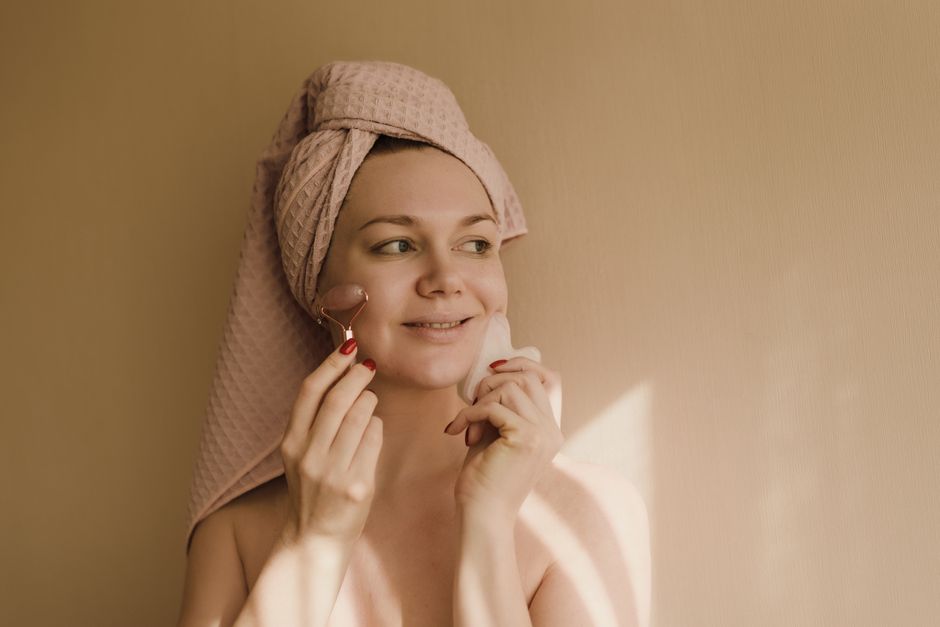
The order of skincare products and devices affects both safety and effectiveness. Beginners should focus on gentle layering rather than using multiple treatments simultaneously.
Morning Routine Using Facial Beauty Devices
- Cleanse using a gentle facial cleanser.
- Use a silicone cleansing brush if desired.
- Apply hydrating toner or essence.
- Use cooling massage tools to reduce puffiness.
- Apply serum and moisturizer.
- Finish with sunscreen.
Morning routines should prioritize hydration, barrier protection, and circulation support instead of aggressive exfoliation.
Nighttime Device Routine for Recovery and Repair
- Remove makeup and sunscreen thoroughly.
- Cleanse skin gently.
- Use LED therapy, RF devices, or ultrasonic scrubbers if scheduled.
- Apply hydrating serum.
- Seal with moisturizer or sleeping cream.
Nighttime is often better for advanced beauty devices because the skin has time to recover during sleep.
Skincare Ingredients That Pair Well With Beauty Devices
- Hyaluronic acid for hydration support
- Niacinamide for calming and oil balance
- Ceramides for skin barrier repair
- Peptides for anti-aging routines
- Aloe vera for soothing sensitive skin
Ingredients Beginners Should Avoid Combining With Certain Devices
- Retinoids immediately after microdermabrasion
- Strong acids after deep exfoliation
- Benzoyl peroxide with irritated skin
- Physical scrubs alongside ultrasonic exfoliation
Overlapping aggressive treatments is one of the most common causes of irritation among beginners.
Safe Usage Guidelines Every Beginner Should Follow
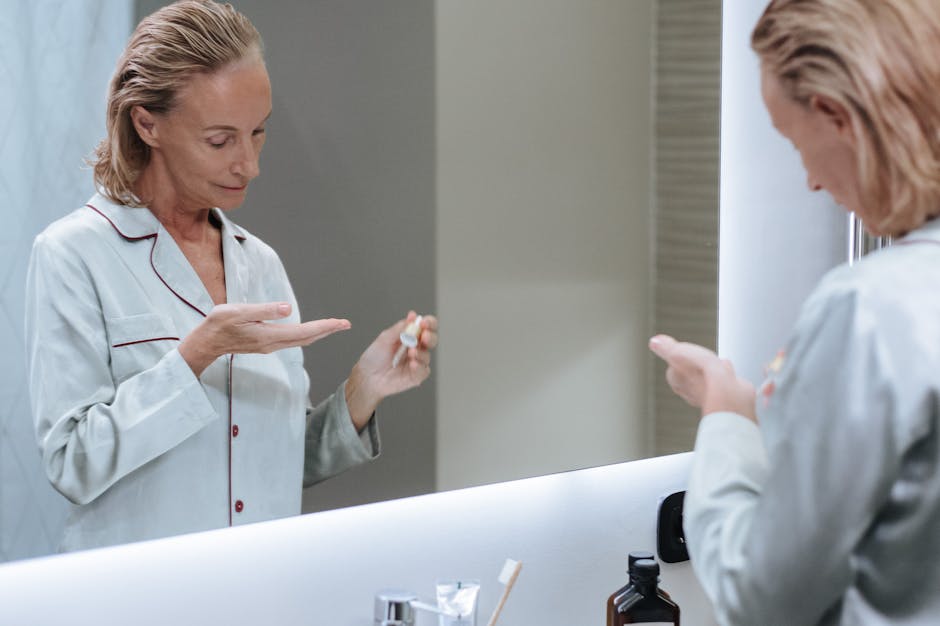
Safety matters more than intensity when building a skincare device routine. Slow progression helps reduce irritation and allows users to identify which tools actually benefit their skin.
How Often Beginners Should Use Beauty Devices
| Device | Recommended Beginner Frequency |
| Silicone cleansing brush | Daily or every other day |
| LED therapy mask | 3-5 times weekly |
| RF or EMS device | 2-4 times weekly |
| Ultrasonic scrubber | 1-2 times weekly |
| Microdermabrasion tool | Every 2-4 weeks |
Signs You Are Overusing Facial Beauty Tools
- Persistent redness
- Burning sensation
- Excessive dryness
- Flaking skin
- Increased sensitivity
- Breakouts caused by irritation
If these symptoms appear, reducing device frequency and focusing on hydration may help restore balance.
Patch Testing and Skin Barrier Protection Tips
Before introducing a new device, test it on a small area for several days. Beginners should also avoid stacking multiple active ingredients and exfoliation treatments simultaneously.
Hydration-focused routines with ceramides and soothing moisturizers help maintain barrier health while adjusting to new devices.
Who Should Avoid Certain Facial Beauty Devices
People with severe rosacea, compromised skin barriers, active skin infections, or extremely inflamed acne may need professional guidance before using advanced skincare devices.
Pregnant individuals should also consult healthcare providers before using certain RF or microcurrent devices.
Step-by-Step Beginner Facial Device Routines by Skin Concern
Building a routine around specific skincare goals helps beginners avoid unnecessary products and complicated treatment schedules.
KentDO™ LED V-Face Massager – Lift, Slim & Rejuvenate Skin
LED facial massage tools are often used in beginner-friendly anti-aging and relaxation routines because they combine massage, heat, and light therapy into a simplified at-home treatment approach.
Sensitive Skin Routine Using Gentle Beauty Tools
- Use gentle cream cleanser.
- Apply hydrating toner.
- Massage with jade roller or cooling globe.
- Apply ceramide moisturizer.
- Use calming LED therapy 2-3 times weekly.
This routine focuses on barrier support rather than exfoliation.
Beginner Acne-Control Routine
- Cleanse with gentle foaming cleanser.
- Use silicone cleansing brush every other day.
- Apply niacinamide serum.
- Use blue LED therapy.
- Finish with oil-free moisturizer.
People building acne-focused skincare routines often explore educational resources from the Beauty & Self-Care Blog for skincare maintenance tips and routine planning ideas.
Anti-Aging Beginner Device Routine
- Cleanse skin thoroughly.
- Apply conductive hydration serum.
- Use RF or EMS device for several minutes.
- Follow with peptide moisturizer.
- Use sunscreen consistently the next morning.
Consistency is especially important in anti-aging routines because collagen-supporting treatments typically require several weeks for visible improvement.
Routine for Puffy and Tired-Looking Skin
- Apply chilled hydrating serum.
- Use cooling facial roller or ice globe.
- Massage upward along jawline and cheeks.
- Finish with lightweight moisturizer.
Relaxation-focused routines may also include products from Wellness & Relaxation collections to support recovery and stress reduction.
How To Clean and Maintain Facial Beauty Devices Safely

Device hygiene is one of the most overlooked parts of skincare. Dirty tools can transfer bacteria, oil, and dead skin back onto the face, increasing the risk of irritation and breakouts.
How To Disinfect Facial Beauty Tools Correctly
- Wash silicone devices with gentle soap and warm water.
- Wipe metal surfaces using alcohol-based disinfectant wipes.
- Dry devices completely before storage.
- Never submerge non-waterproof electronics.
Cleaning devices immediately after use prevents product buildup and bacterial growth.
How Often To Replace Attachments and Accessories
Brush heads and removable accessories should be replaced regularly according to manufacturer recommendations. Worn-out attachments can harbor bacteria and reduce device effectiveness.
Travel-friendly storage solutions from Gifts & Accessories collections can help beginners organize skincare tools hygienically while traveling.
Storage Tips To Prevent Bacteria and Device Damage
- Store devices in dry environments.
- Avoid sealing damp tools inside drawers.
- Keep charging cables organized.
- Use protective pouches during travel.
Proper storage helps extend device lifespan while reducing contamination risk.
Common Beginner Mistakes That Can Damage Your Skin

Most skincare device problems happen because beginners use tools too aggressively or combine too many treatments simultaneously.
Using Devices Too Frequently
More treatments do not always produce better results. Overusing cleansing brushes, exfoliation tools, or RF devices may weaken the skin barrier and trigger sensitivity.
Skipping Hydration and Barrier Support
Hydration is essential when introducing beauty devices. Beginners who focus only on exfoliation often develop dryness and irritation over time.
Choosing Aggressive Devices Too Early
Starting with simple tools such as silicone cleansing brushes or cooling rollers is safer than jumping directly into aggressive exfoliation devices.
Ignoring Device Hygiene
Dirty tools may spread bacteria and worsen breakouts. Consistent cleaning habits are just as important as the skincare routine itself.
Frequently Asked Questions About Facial Beauty Tools for Beginners
What is the best facial beauty tool for beginners?
Silicone cleansing brushes, jade rollers, and LED therapy masks are among the easiest and safest beginner-friendly beauty tools.
How often should beginners use beauty devices at home?
Frequency depends on the device. Cleansing brushes may be used daily, while exfoliation devices should typically be limited to weekly use.
How do you use beauty devices safely on sensitive skin?
Start slowly, patch test new tools, use low settings, and focus on hydration and barrier repair products.
What skincare routine order should I follow with facial beauty tools?
Most routines follow this order: cleanse, use device, apply serum, moisturize, and finish with sunscreen in the morning.
How do you clean and maintain facial beauty devices safely?
Wash removable parts regularly, disinfect surfaces, dry devices thoroughly, and store them in clean environments.
Can beginners use LED light therapy masks every day?
Some LED devices are safe for frequent use, but beginners should still follow manufacturer recommendations and monitor skin sensitivity.
Are facial cleansing brushes safe for acne-prone skin?
Yes, especially silicone cleansing brushes, which are easier to sanitize and gentler than traditional rotating bristle models.
What skincare ingredients work best with beauty devices?
Hyaluronic acid, niacinamide, ceramides, peptides, and calming moisturizers pair well with most beginner skincare devices.
Can overusing beauty devices damage the skin barrier?
Yes. Excessive exfoliation and aggressive treatment schedules may cause redness, dryness, and irritation.
Which facial beauty tools give the fastest visible results?
Cooling rollers and cleansing brushes often produce the quickest temporary improvements in puffiness and skin smoothness, while anti-aging tools require more consistent use.
Conclusion
Building a safe facial daily routine with beauty devices does not require complicated treatments or expensive spa procedures. Beginners achieve the best results by starting slowly, choosing devices that match their skin type, maintaining proper hygiene, and prioritizing hydration and skin barrier protection. Whether your goal is clearer pores, firmer skin, reduced puffiness, or better product absorption, consistency matters more than intensity.
For additional skincare inspiration and beginner-friendly routine ideas, many users continue exploring resources inside the Body & Face Blog and related beauty device collections designed for at-home self-care routines.
Pillar Article: Facial Beauty Tool Beginner Guide: Safe At-Home Skincare Device Routines for Every Skin Type













