Foot Care Devices: The Ultimate 2026 Guide for Home, Travel & Cracked Heels
Foot discomfort is one of the most overlooked daily struggles—until it starts affecting how you walk, sleep, or even enjoy simple activities like hiking or standing for long hours. From cracked heels after travel to sore feet after a long work shift, modern lifestyles constantly put pressure on foot health.
This is where foot care devices have completely changed personal wellness routines. What once required expensive salon visits can now be handled at home with portable, USB-powered, and beginner-friendly tools designed for exfoliation, hydration support, massage, and recovery.
In this guide, you’ll learn how different foot care devices work, how to choose the right one for your condition, and how to build a simple routine that keeps your feet soft, pain-free, and healthy all year round.
What Are Foot Care Devices? Types, Functions & How They Work
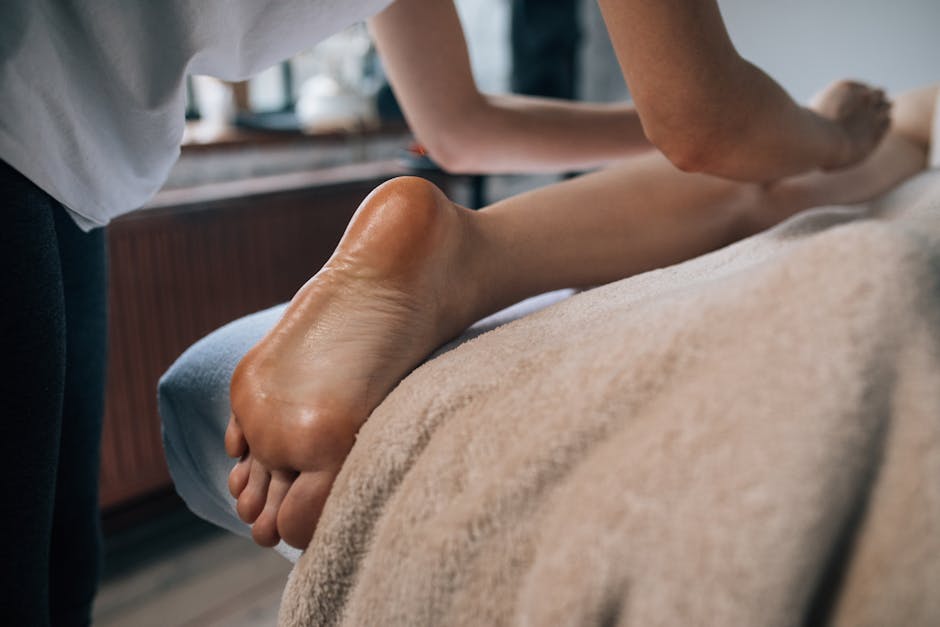
Foot care devices are specialized tools designed to treat common foot problems such as dryness, calluses, cracked heels, fatigue, and poor circulation. They combine mechanical exfoliation, vibration, heat, or soaking functions to improve skin health and comfort.
Core categories of modern foot care tools
Modern foot care systems generally fall into a few essential categories:
- Electric callus removers – Motorized rollers that gently grind away dead skin and thick calluses.
- Foot files and rasps – Manual tools for controlled exfoliation and smoothing rough skin.
- Foot spa machines – Soaking systems that soften skin and improve relaxation.
- Heated foot devices – Tools that improve warmth and circulation, especially in cold climates.
- Massage and reflexology tools – Devices that stimulate pressure points to reduce fatigue.
These tools are often combined in routines depending on lifestyle needs such as hiking recovery, long standing hours, or winter dryness.
How foot care devices improve cracked heel treatment and dry feet remedies
Cracked heels form when the skin loses moisture and becomes thick and rigid. Foot care devices help by:
- Removing dead skin layers safely
- Improving blood circulation to support skin repair
- Preparing skin for moisturizers and healing creams
- Reducing pressure points that worsen cracking
When used correctly, they create a cycle of exfoliation + hydration + protection that significantly improves foot appearance and comfort over time.
Explore more foot wellness solutions in our Foot & Body Comfort collection and Skincare & Hydration collection for complete care routines.
Condition-Based Selection: Choosing the Right Foot Care Device for Your Needs
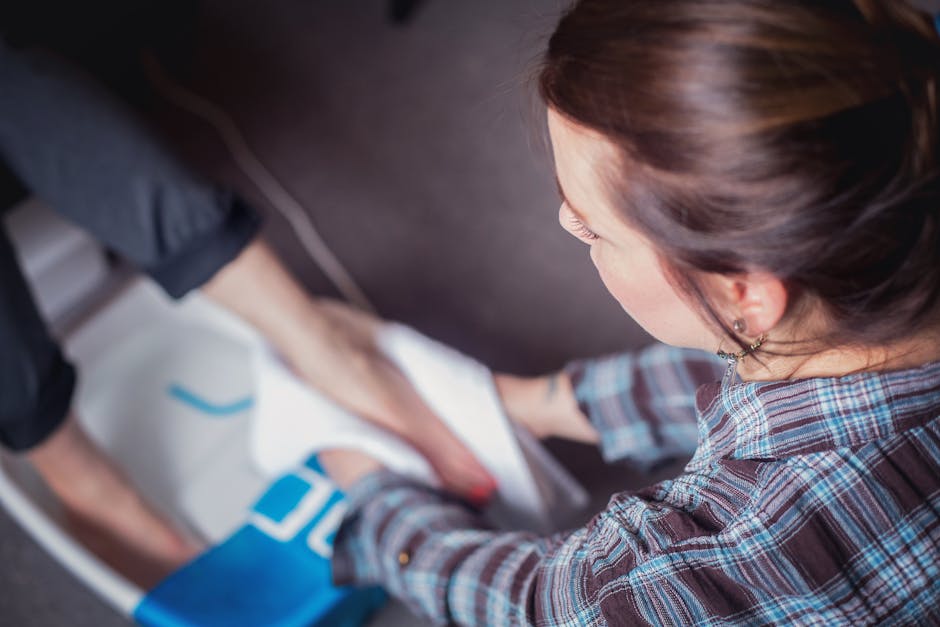
Not all foot problems require the same solution. Choosing the right device depends on your skin condition, lifestyle, and sensitivity level.
Cracked heels and deep callus buildup
For thick, hardened skin, stronger exfoliation tools are needed. Electric callus removers are especially effective because they provide consistent abrasion without manual pressure.
Hydration should always follow exfoliation to prevent further dryness.
Dry feet and sensitive skin
If your skin is sensitive, manual foot files or low-speed electric devices are safer. The goal is gentle smoothing rather than aggressive removal.
Combining light exfoliation with rich moisturizers produces the best results for long-term softness.
Travel, hiking, and outdoor recovery needs
For travelers and hikers, portability becomes the key factor. Compact USB rechargeable tools allow quick recovery after long walking days or outdoor adventures.
These devices are ideal for maintaining hygiene and comfort while away from home, especially when paired with travel-friendly wellness gear from our Lifestyle collection and Wellness & Relaxation collection.
Electric Callus Remover: Complete Guide to Safe and Effective Use

Electric callus removers are among the most popular modern foot care devices because they deliver salon-like results at home in just minutes. They are designed to safely remove dead skin layers using rotating sanding heads.
Step-by-step usage tutorial for beginners
Using an electric callus remover correctly ensures both safety and effectiveness:
- Start with clean, dry feet (no soaking required for most devices).
- Select a low speed setting for first-time use.
- Gently glide the device across thick or rough skin areas.
- Avoid staying in one spot for too long.
- Finish with moisturizer or foot cream.
Common mistakes to avoid when using electric callus remover
- Applying too much pressure, which can irritate skin
- Using on wet feet unless the device specifically allows it
- Over-exfoliating in a single session
- Skipping hydration after treatment
Proper use leads to smoother heels, reduced cracking, and improved comfort during walking.
Recommended product example
One highly effective tool for at-home use is the KentDO Electric Foot File, designed for adjustable exfoliation and long-lasting performance.

Check latest price of Electric Foot File Pro
This type of device is ideal for users dealing with stubborn calluses and dry heel buildup, especially when paired with hydration routines from the Skin & Beauty Care Devices collection.
Foot File vs Electric Callus Remover: Which One Should You Choose?
Both tools aim to improve foot smoothness, but they serve different user needs.
Pros and cons of foot file tools
- Pros: Affordable, simple, no power required, good control
- Cons: Requires manual effort, slower results, less effective on thick calluses
When electric tools are better for cracked heel treatment
Electric devices are more effective for users with hardened skin or limited time. They provide consistent exfoliation and reduce physical effort, making them ideal for weekly maintenance routines.
Foot Spa Machines: Deep Hydration, Relaxation & Circulation Benefits
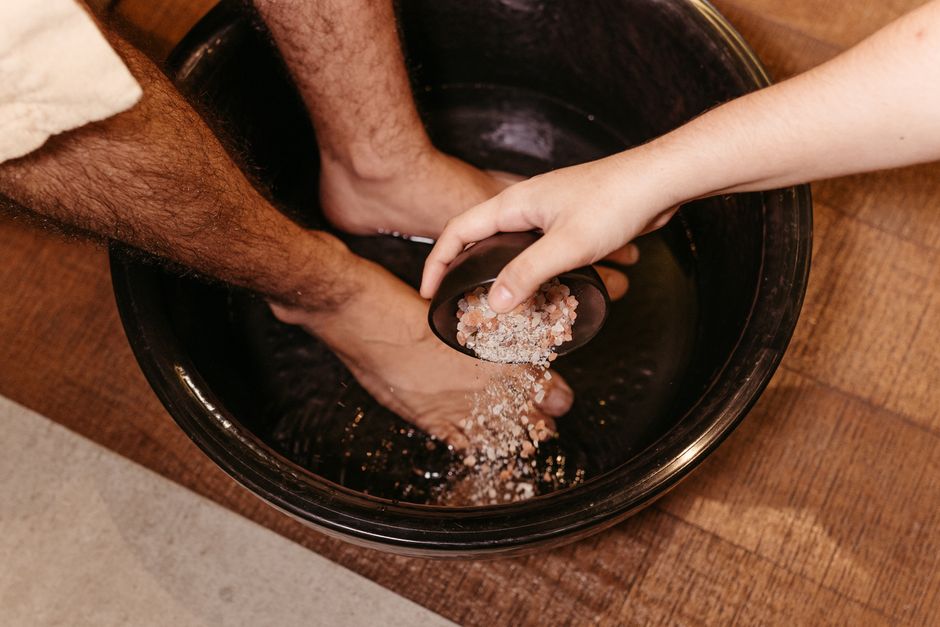
Foot spa machines are designed to soften skin through warm water soaking while promoting relaxation and circulation. They are especially useful after long workdays or physical activity.
These devices prepare the skin for exfoliation by loosening dead skin layers, making other foot care devices more effective.
How foot spa machines support dry feet remedies
Soaking feet helps restore moisture balance, reduces stiffness, and improves comfort. When combined with exfoliation and moisturizing, results become significantly more noticeable.
Portable Foot Care Devices for Travel, Hiking & Outdoor Recovery
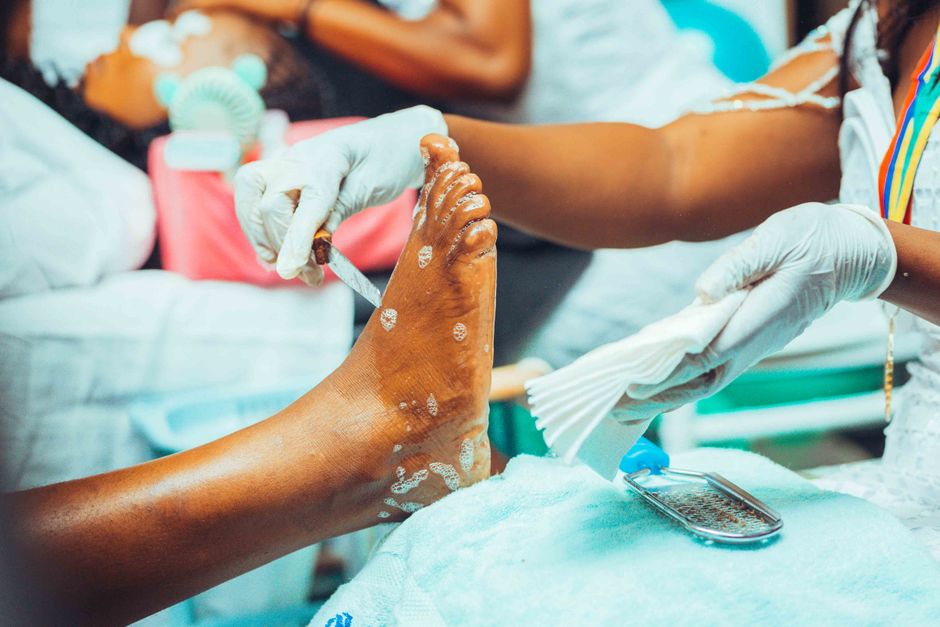
Outdoor lifestyles require compact and efficient solutions. Portable foot care devices help maintain hygiene and comfort during travel, camping, and hiking trips.
USB rechargeable pedicure tools for on-the-go care
USB-powered devices are ideal for travelers because they eliminate the need for bulky charging setups and allow quick maintenance anywhere.
These tools are especially useful after long hikes or extended walking days when feet become swollen, dry, or tired.
Post-hiking foot recovery workflow
A simple recovery routine includes:
- Cleaning and drying feet thoroughly
- Using a gentle exfoliation tool if needed
- Applying moisturizer to restore hydration
- Elevating feet to reduce swelling
For outdoor enthusiasts, pairing recovery tools with items from the Body Care and Health Devices collection enhances overall comfort during trips.
How to Build a Complete At-Home Foot Care Routine
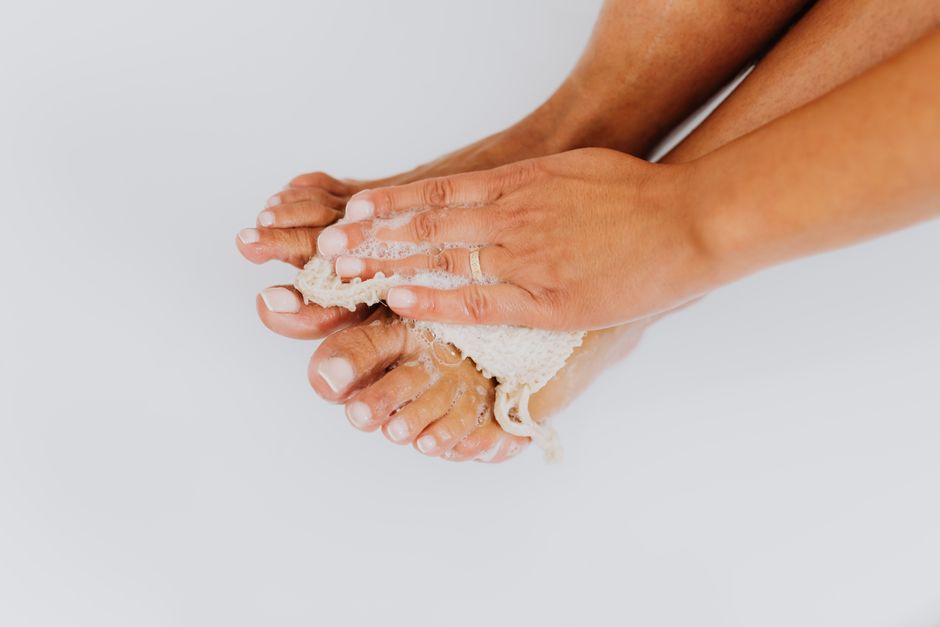
A consistent routine is more important than occasional treatments. Combining devices with hydration and maintenance ensures long-term foot health.
Daily routine for maintenance and prevention
- Wash and dry feet thoroughly
- Apply lightweight moisturizer
- Check for dryness or irritation
Weekly deep care routine for cracked heels
- Use exfoliation device to remove dead skin
- Soak feet in warm water if needed
- Apply rich foot cream or balm
- Wear breathable socks overnight
Device Hygiene, Cleaning & Maintenance Checklist

Proper cleaning ensures safety, performance, and device longevity.
- Remove debris after each use
- Disinfect roller heads or sanding parts
- Store in dry environments
- Charge rechargeable devices regularly
Maintaining hygiene is especially important for shared or frequent-use devices to prevent skin irritation or infections.
How to Choose the Best Foot Care Device (Buyer’s Framework 2026)

Selecting the right device depends on four main factors: skin condition, usage frequency, portability, and comfort level.
- Power: Higher power for thick calluses
- Portability: USB rechargeable for travel
- Safety: Adjustable speed for sensitive skin
- Durability: Quality materials for long-term use
For beginners, starting with versatile tools like electric foot files helps build confidence before upgrading to more advanced systems.
Common Mistakes When Using Foot Care Devices

- Over-exfoliating skin too frequently
- Skipping moisturization after treatment
- Using incorrect speed settings
- Ignoring device cleaning routines
A balanced approach ensures safe and effective long-term results.
Frequently Asked Questions
What are the best foot care devices for cracked heels?
Electric callus removers combined with moisturizing routines work best for cracked heels.
How do you use an electric callus remover safely?
Use low speed, apply gentle pressure, and avoid prolonged use on one area.
What foot care tools are best for travel or hiking?
USB rechargeable and compact pedicure tools are ideal for portability and convenience.
How often should you use foot care devices at home?
1–2 times per week for exfoliation, with daily hydration.
What is the difference between a foot spa machine and a callus remover?
Foot spa machines soften and relax feet, while callus removers exfoliate dead skin.
Final Thoughts
Foot care devices are most effective when used as part of a complete routine that includes exfoliation, hydration, and maintenance. The right combination depends on your lifestyle—whether you’re a traveler, athlete, or someone who spends long hours standing.
By choosing tools that match your needs and using them consistently, you can maintain smooth, comfortable, and healthy feet throughout the year.
Pillar Article: Daily Feet Care Routine: Complete Guide for Healthy, Pain-Free Feet