

Best Handheld Percussive Massage Device for Muscle Recovery and Pain Relief
Muscle soreness after workouts, long hours at a desk, or repetitive physical activity can quickly build up into stiffness, fatigue, and reduced mobility. Many people experience this as delayed onset muscle soreness (DOMS), tight shoulders, or lower back tension that affects daily comfort and performance. In recent years, handheld percussive massage devices have become one of the most practical at-home recovery tools, offering deep tissue stimulation that helps support muscle relaxation, circulation, and faster recovery.
Unlike traditional massage techniques that rely on manual pressure alone, percussive devices use rapid, targeted pulses to penetrate deeper muscle layers. This makes them especially useful for athletes, office workers, and anyone looking to manage everyday muscle stress. To understand how these tools fit into a modern recovery routine, it’s important to explore how they work, what benefits they offer, and how to choose the right one for your needs.
What Is a Handheld Percussive Massage Device?

A handheld percussive massage device is a motor-powered tool designed to deliver rapid bursts of pressure into muscle tissue. These pulses stimulate blood flow, help loosen tight fascia, and support muscle recovery after physical exertion. They are commonly used in sports therapy, fitness recovery routines, and general wellness practices.
Core Definition and How It Differs from Traditional Massage
Traditional massage relies on sustained manual pressure and kneading techniques performed by a therapist. In contrast, percussive devices automate this process using high-speed vibrations or tapping motions. This allows for consistent intensity and deeper muscle penetration without requiring external assistance.
This makes them especially useful for self-care routines at home or on the go, where quick and targeted relief is needed.
Role in Percussion Therapy and Deep Tissue Massage
Percussion therapy focuses on delivering controlled impacts to muscle groups to help reduce tightness and improve mobility. It is often used in sports recovery to prepare muscles before workouts and to assist relaxation afterward. By targeting deep tissue layers, these devices help release knots and improve overall muscle responsiveness.
How Percussion Therapy Works for Muscle Recovery
Percussion therapy works by stimulating the neuromuscular system through rapid mechanical pulses. This creates a chain of physiological responses that support recovery and reduce stiffness over time.
Muscle Activation and Circulation Support
The repeated pressure from a percussive device encourages blood flow to targeted areas. Improved circulation helps deliver oxygen and nutrients to muscle tissues, which supports faster repair and reduces post-exercise fatigue. Many users report feeling lighter and more mobile after consistent use.
Impact on Delayed Onset Muscle Soreness (DOMS)
DOMS typically occurs 12–48 hours after intense activity. Percussive massage may help reduce the intensity of soreness by easing muscle tightness and supporting lactic acid dispersion. While it is not a medical treatment, it is widely used in fitness recovery routines as a supportive tool.
Percussion Massage vs Vibration Therapy: Key Differences
Although often confused, percussion massage and vibration therapy work in different ways and produce different effects on the body. Understanding this distinction is essential when selecting a recovery device.
Depth of Impact: Deep Tissue vs Surface Stimulation
Percussion devices deliver deeper, more targeted force into muscle layers, making them ideal for trigger points and tight knots. Vibration therapy, on the other hand, provides more surface-level stimulation that promotes general relaxation rather than deep tissue release.
Which Therapy Is Better for Muscle Recovery?
For post-workout recovery and chronic muscle tightness, percussion therapy is generally more effective due to its deeper reach. Vibration therapy is better suited for relaxation, warm-ups, and light muscle activation.
Key Benefits of Handheld Percussive Massage Devices

Handheld percussive massage devices are widely used because they offer a combination of convenience, performance, and recovery support in a compact format.
Faster Muscle Recovery and Reduced DOMS
By improving blood circulation and reducing muscle stiffness, these devices may help shorten recovery time between workouts or physically demanding activities.
Trigger Point Therapy and Fascia Relaxation
Trigger points are small, tight areas within muscle tissue that can cause discomfort or restricted movement. Percussive therapy helps apply focused pressure to these areas, supporting relaxation and improved flexibility.
Improved Circulation and Mobility
Regular use can support better overall muscle function by enhancing circulation and reducing stiffness. This is especially helpful for individuals with sedentary lifestyles or repetitive strain patterns.
For a broader recovery approach, many users also explore solutions from the Wellness & Relaxation collection or combine devices with tools from the Foot & Body Comfort collection to support full-body recovery routines.
How to Choose the Right Percussive Massage Device
Choosing the right device depends on your lifestyle, recovery needs, and comfort preferences. Not all massage tools offer the same intensity, portability, or feature set.
Amplitude, RPM, and Stall Force Explained
Amplitude refers to how deep the massage head travels into muscle tissue. RPM (revolutions per minute) measures speed, while stall force indicates how much pressure the device can handle before slowing down. Higher values generally mean deeper and more intense massage performance.
Noise Level and Portability Considerations
Quiet operation is important for home or office use. Portable designs are ideal for travel or gym use, allowing users to maintain recovery routines anywhere.
Battery Life and Travel-Friendly Design
Long battery life ensures consistent use without frequent recharging. Compact designs are especially useful for athletes or frequent travelers who need recovery on demand.

This compact device is designed for users who need deep tissue relief on the go. Its lightweight structure makes it suitable for gym bags, office desks, or travel recovery kits.
Massage Gun Attachments: What They Do and When to Use Them

Massage gun attachments are designed to target different muscle groups with varying levels of pressure and surface coverage. Choosing the right attachment improves effectiveness and comfort.
Ball Head for Large Muscle Groups
The ball head is ideal for thighs, calves, and larger muscle areas. It provides broad, evenly distributed pressure for general recovery.
Bullet Head for Trigger Points
The bullet attachment focuses pressure on specific tight spots, making it effective for deep trigger point release.
Flat and Fork Heads for Controlled Pressure
Flat heads offer balanced pressure for full-body use, while fork heads are commonly used around the spine or neck area for controlled application.
KentDO™ 42-Head Fascia Massage Gun

This multi-head fascia device offers versatile recovery support across different muscle groups, making it suitable for full-body muscle care routines.
How to Use a Percussive Massage Device Safely

Using a percussive device correctly ensures effective recovery while minimizing discomfort or strain. Proper technique is essential for beginners.
Recommended Usage Time and Frequency
Most users benefit from 1–2 minutes per muscle group, depending on intensity level. Daily use is generally safe when applied correctly and without excessive pressure.
Beginner-Friendly Recovery Routine
Start with low intensity and gradually increase pressure. Focus on major muscle groups such as legs, shoulders, and lower back after workouts or long periods of inactivity.
Common Mistakes to Avoid
Avoid using the device directly on joints or bones. Excessive pressure or prolonged use in one area can lead to discomfort instead of relief.
Integrating Percussion Therapy Into Your Recovery Routine
Percussion therapy is most effective when combined with other recovery methods such as stretching, hydration, and heat therapy. This creates a balanced routine that supports both muscle relaxation and long-term mobility.
Many users also complement their recovery setup with tools from the Warmth & Heat Therapy collection or explore relaxation-focused products in the Winter Wellness & Relaxation collection to enhance post-activity recovery.
Post-Workout Recovery Flow
A simple routine may include light stretching, 5–10 minutes of percussive massage, and hydration to support muscle recovery.
Combining With Heated Massage and Mobility Work
Heat therapy can help relax muscles before using percussion devices, making treatment more effective and comfortable.
Best Use Cases and Lifestyle-Based Buying Guide
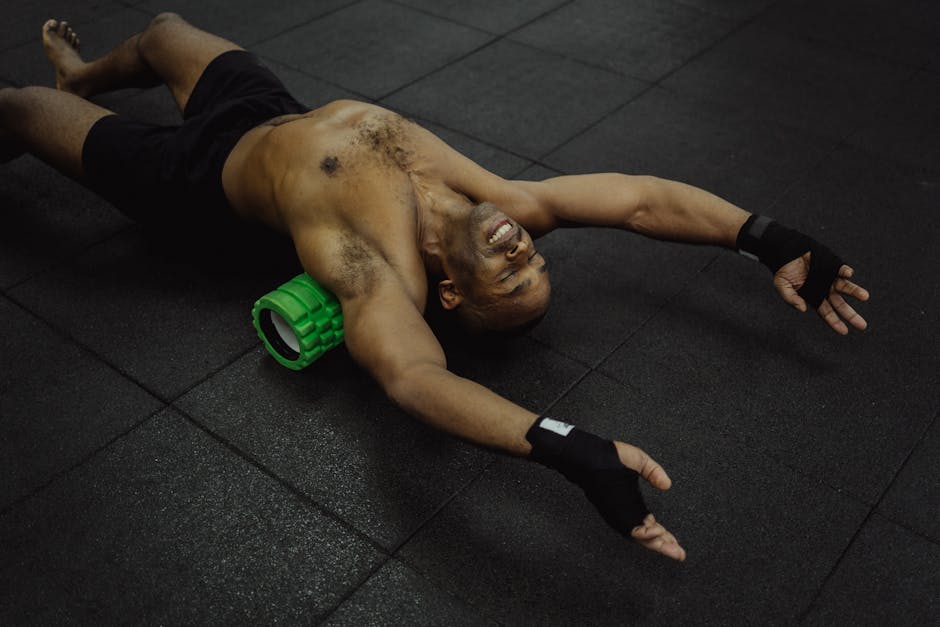
Different users benefit from percussive massage devices in different ways depending on their activity level and daily routines.
For Athletes and Sports Recovery
Athletes often use these devices before and after training to prepare muscles and reduce recovery time between sessions.
For Office Workers and Posture Fatigue
Long hours at a desk can cause shoulder and lower back tension. Percussive therapy helps release built-up stiffness and improve comfort.
For Beginners Seeking Daily Relief
Beginners can use low-intensity settings for general relaxation and stress relief after long days.
To explore more recovery options, many users browse the Body Care and Health Devices collection for complementary wellness tools that support a complete self-care routine.
FAQ: Handheld Percussive Massage Devices
What does a handheld percussive massage device do?
It delivers rapid pulses into muscle tissue to support relaxation, circulation, and recovery.
How often should you use a percussion massage gun?
Most users benefit from daily use, focusing on 1–2 minutes per muscle group.
What is the difference between percussion and vibration massage?
Percussion therapy targets deep muscle layers, while vibration therapy focuses on surface-level relaxation.
Are handheld percussion massagers safe for beginners?
Yes, when used on low settings and applied correctly, they are generally safe for beginners.
Which attachment is best for sore muscles?
Ball and flat heads are commonly used for general soreness, while bullet heads target specific tight spots.
Conclusion
Handheld percussive massage devices have become essential tools in modern recovery routines, offering a practical way to support muscle relaxation, improve circulation, and reduce post-activity stiffness. Whether used by athletes, office workers, or beginners, they provide adaptable relief based on intensity and lifestyle needs.
By understanding how percussion therapy works and selecting the right device, users can build a more effective and personalized recovery system that fits into daily life. Combining these tools with stretching, heat therapy, and relaxation practices creates a well-rounded approach to long-term muscle health and mobility.
Pillar Article: How to Choose the Best Home Massage System for Stress Relief, Recovery & Daily Comfort













