

How to Maintain Daily Nail Hygiene: A Beginner-Friendly Step-by-Step Care System for Healthy Nails
Daily nail hygiene is one of the most overlooked parts of personal care, yet it plays a major role in preventing brittle nails, infections, and uneven growth. Whether you’re constantly washing your hands, using grooming tools, or simply trying to improve nail appearance, a consistent routine helps keep nails clean, strong, and well-shaped.
This guide breaks down a simple, dermatologist-aligned daily nail hygiene system designed for beginners. It focuses on micro-habits you can repeat in under a few minutes a day, safe grooming techniques, tool cleanliness, and practical at-home care routines that prevent long-term nail damage.
Along the way, you’ll also learn how to integrate beginner-friendly grooming tools, how to safely shape nails, and how to maintain hygiene whether you’re at home or traveling.
Why Daily Nail Hygiene Matters More Than You Think
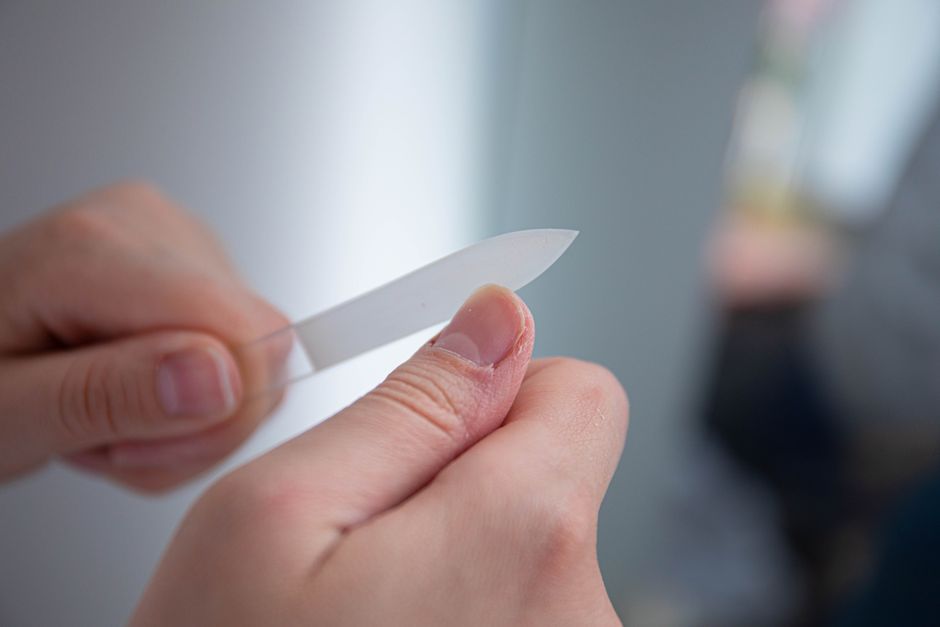
Your nails act as a protective barrier, but they are also exposed to constant stress—water, dirt, soap, and mechanical pressure. Without proper hygiene habits, nails can become weak, ridged, or prone to splitting.
Good nail hygiene isn’t about cosmetic perfection. It’s about maintaining nail integrity, preventing bacterial buildup, and supporting healthy regrowth.
- Reduces risk of nail infections and fungal buildup
- Prevents brittle and peeling nails
- Improves appearance and natural shine
- Supports stronger nail growth over time
“Healthy nails are maintained through consistent hygiene habits rather than occasional intensive treatments. Small daily actions matter more than expensive salon visits.”
Core Daily Nail Hygiene Routine (1–3 Minutes Only)

This simplified routine is designed for beginners and busy individuals. It focuses on micro-actions that keep nails clean and protected every day.
Step 1: Clean Nails After Handwashing
After washing your hands, gently check under your nails. Use a soft nail brush or clean cloth to remove residue. Avoid digging aggressively, as this can damage the nail bed.
Step 2: Keep Nails Dry
Moist environments encourage bacterial growth. Always dry nails completely after washing or showering, especially around the cuticle area.
Step 3: Light Moisturizing
Apply a small amount of hand cream or cuticle oil daily. This keeps nail beds flexible and prevents cracking.
Step 4: Quick Shape Check
Once or twice a week, lightly check for uneven edges and gently file them to prevent snags.
Essential Nail Hygiene Tools for Beginners

A proper nail hygiene routine becomes easier when you have the right tools. Below are the essentials every beginner should consider:
- Gentle nail clipper or electric nail trimmer
- Fine-grit nail file or buffing block
- Cuticle oil or moisturizer
- Nail brush for cleaning debris
- Sanitizing solution for tools
For those looking for safer trimming and more controlled nail care, electric devices can reduce mess and improve precision.
Electric Nail Clipper with LED Light for Safe, Easy Care

This type of tool is especially helpful for beginners because built-in LED lighting improves visibility and reduces the risk of uneven trimming.
Understanding Nail Buffing Blocks and Surface Care

Buffing blocks help smooth ridges, improve nail texture, and create a natural shine. However, they must be used gently to avoid thinning the nail plate.
How Buffing Blocks Work
Buffing blocks use multi-surface abrasives to gradually smooth the nail surface. Each side has a different grit level that performs a specific function—from shaping to polishing.
Buffing Frequency for Healthy Nails
For most people, buffing once every 1–2 weeks is enough. Overuse can weaken nails over time.
Nail File vs Buffing Block: What You Need to Know

| Tool | Main Purpose | Best Use Case |
| Nail File | Shape and shorten nails | Fixing length and edges |
| Buffing Block | Smooth and polish surface | Improving texture and shine |
Both tools work together but serve different purposes. Filing shapes the nail, while buffing refines the surface.
Understanding Nail Buffer Grit Levels (Safe Usage Guide)
Grit level determines how abrasive a nail tool is. Using the wrong grit can lead to thinning or splitting.
| Grit Level | Purpose | Safety Level |
| 80–100 | Heavy shaping (acrylic nails) | Not recommended for natural nails |
| 180–240 | Light shaping | Safe for occasional use |
| 240–400 | Smoothing and finishing | Best for natural nails |
For beginners, finer grits are always safer, especially for thin or brittle nails.
For those who prefer automated and gentle grooming, electric nail tools can provide more controlled results.
KentDO™ Electric Automatic Nail Clipper

This device supports hygienic trimming with enclosed cutting and UV sterilization, making it especially useful for users who prioritize cleanliness and safety.
Step-by-Step: How to Maintain Daily Nail Hygiene
Step 1: Wash Hands Properly
Use mild soap and ensure nails are cleaned without harsh scrubbing.
Step 2: Inspect Nail Condition
Look for signs of splitting, discoloration, or buildup under nails.
Step 3: Trim When Necessary
Trim nails weekly or as needed using safe tools to avoid overgrowth.
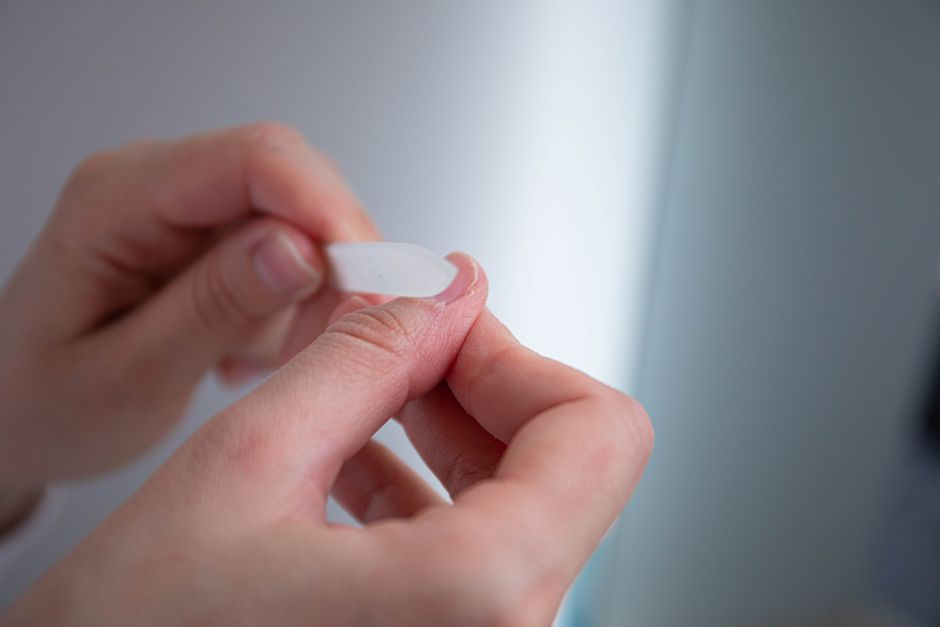
Step 4: Light Filing
Use a fine-grit file to smooth rough edges and prevent snagging.
Step 5: Moisturize Daily
Apply cuticle oil or hand cream to maintain flexibility and hydration.
Step 6: Sanitize Tools
Clean nail tools regularly using alcohol or disinfectant to prevent bacteria buildup.
How to Shape Nails Evenly at Home

Even nail shaping prevents splitting and improves overall appearance. Beginners should focus on simple shapes like round or squoval.
- File in one direction only
- Avoid sawing motions
- Keep nail length consistent
- Start with corners before smoothing edges
Common Nail Hygiene Mistakes to Avoid
- Over-filing nails too frequently
- Using overly coarse tools on natural nails
- Ignoring cuticle care
- Not cleaning nail tools
- Cutting nails too short aggressively
Best Practices for Nail Tool Hygiene

Keeping tools clean is just as important as using them correctly. Dirty tools can transfer bacteria and weaken nail health.
- Disinfect after each use
- Store tools in a dry container
- Replace worn-out files and buffers
- Never share personal nail tools
Internal Nail Care Resources
Explore more detailed routines and tool guides in our collections:
- Nail Care Devices Collection
- Skin and Beauty Care Devices
- Body Care and Health Devices
- Lifestyle Collection
- Hair, Skin & Nail Blog
FAQ: Daily Nail Hygiene
How do you maintain daily nail hygiene?
Clean nails after washing hands, keep them dry, moisturize daily, and trim or file as needed.
How often should you clean nail tools?
Ideally after every use using alcohol or disinfectant.
Can poor nail hygiene cause infections?
Yes, buildup of dirt and moisture can lead to bacterial or fungal infections.
What is the safest nail shape for beginners?
Rounded or squoval shapes are easiest to maintain and least prone to splitting.
Should nails be buffed daily?
No, buffing should be limited to once every 1–2 weeks to avoid thinning nails.
Are electric nail trimmers safe?
Yes, modern enclosed designs with LED lighting improve safety and control for beginners.
Conclusion: Building a Sustainable Nail Hygiene Habit
Healthy nails come from consistency, not complexity. A simple daily routine—cleaning, trimming when needed, gentle shaping, and proper moisturizing—can significantly improve nail strength and appearance over time.
When combined with safe tools and good hygiene practices, this routine becomes a long-term habit that supports both nail health and overall hand care.
Focus on small daily actions rather than occasional intensive grooming, and your nails will naturally become stronger, cleaner, and more resilient.
Pillar Article: Brittle Nail Care: Beginner-Friendly Routines, Safe Grooming Tips & Tool Guide













