

How to Trim Nails Safely at Home: Complete Beginner Nail Care Guide
Trimming nails at home seems simple, but small mistakes—like cutting too short, filing in the wrong direction, or skipping hygiene—can lead to splitting, painful edges, infections, and long-term nail weakness. Many beginners only realize this after experiencing brittle nails, cracked cuticles, or uneven nail growth.
This guide breaks down a complete salon-quality nail grooming system you can safely follow at home. You’ll learn how to trim fingernails and toenails correctly, avoid common beginner mistakes, choose the right tools, and build a hygienic manicure and pedicure routine that protects long-term nail health.
Why Safe Nail Trimming Matters for Nail Health

Proper nail trimming is not just about appearance—it directly affects nail strength, skin health, and infection prevention. When nails are cut incorrectly, tiny fractures can form along the nail plate, making them more likely to split, peel, or grow unevenly.
Incorrect trimming habits can also push bacteria under the nail bed, increasing the risk of fungal infections and inflammation around the cuticle area. Over time, repeated mistakes can permanently weaken nail structure.
Common Nail Trimming Mistakes Beginners Make
- Cutting nails too short and exposing sensitive nail beds
- Using dull clippers that crush rather than cleanly cut
- Filing back and forth instead of one direction
- Skipping cuticle care entirely
- Trimming nails when they are too dry and brittle
Signs Your Nail Routine Is Damaging Your Nails
- Frequent splitting or peeling at the tips
- White spots or ridges forming on nails
- Cuticle redness or sensitivity after trimming
- Uneven nail growth patterns
Essential Nail Tools for Safe At-Home Grooming

Using the right tools is the foundation of safe nail care. Beginners often rely on basic clippers alone, but a complete setup improves precision, hygiene, and comfort. A well-designed kit helps you avoid injury while achieving smooth, salon-like results at home.
Manual vs Electric Nail Tools: What Beginners Should Use
Manual tools like clippers and files offer control but require technique. Electric tools reduce pressure and improve consistency, especially for beginners or those with brittle nails. The key is choosing tools that match your nail type and comfort level.
How to Choose a Safe Electric Nail Clipper
Electric nail clippers are ideal for people who struggle with uneven cuts, shaky hands, or thick nails. Look for enclosed blades, LED visibility, and gentle grinding functions that prevent over-cutting.
One beginner-friendly option is:
Electric Nail Clipper with LED Light for Safe, Easy Care 
This device combines trimming and smoothing in one step, helping beginners avoid sharp edges and accidental cuts. The built-in LED light improves visibility, which is especially helpful for detailed grooming.
Must-Have Home Manicure Kit Checklist
- Nail clippers (manual or electric)
- Fine-grit nail file
- Buffer block
- Cuticle oil
- Sanitizing solution for tools
For more structured setups, explore our nail care devices collection or browse curated tools in the skin and beauty care devices collection for beginner-friendly grooming systems.
How to Trim Fingernails Safely at Home Step by Step
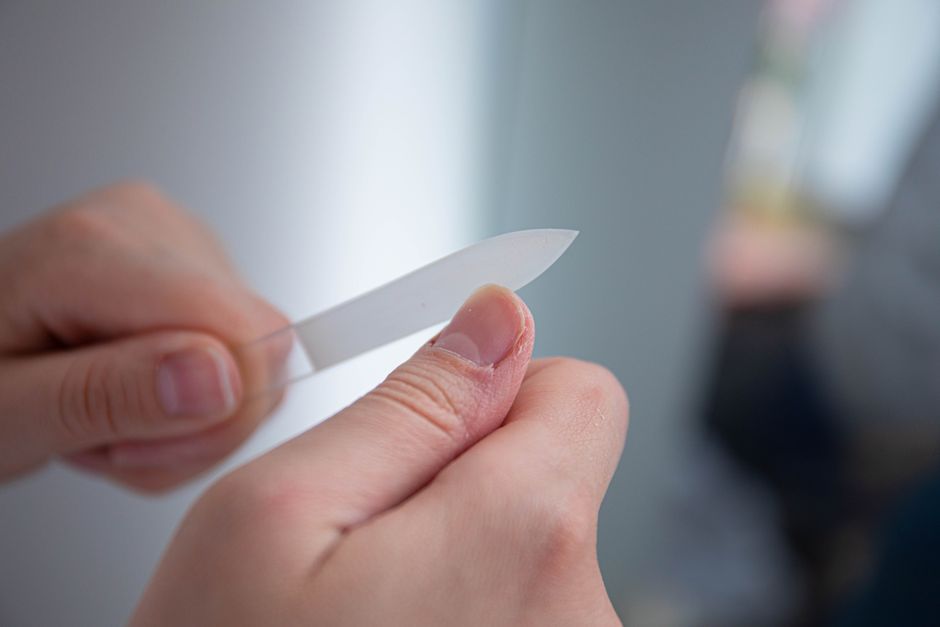
Fingernail trimming should always prioritize gentle shaping over aggressive cutting. The goal is to maintain natural nail strength while preventing sharp edges and uneven growth.
Step 1: Clean and Soften Nails Before Trimming
Wash hands with warm water and mild soap. Slightly softened nails are less likely to crack during trimming. Avoid trimming completely dry nails if they feel brittle.
Step 2: Cut Nails in Small Sections
Instead of one full cut, trim nails gradually. This reduces stress on the nail plate and prevents splitting, especially for fragile nails.
Step 3: Shape Nails With Gentle Filing
File in one direction to avoid weakening the nail edges. Rounded or soft square shapes are generally safer for beginners.
Step 4: Buff and Hydrate
Light buffing smooths ridges, while cuticle oil restores moisture balance. Avoid over-buffing, which can thin the nail surface.
Correct Order for a Salon-Quality At-Home Manicure and Pedicure Routine

Following the correct sequence ensures hygiene and prevents cross-contamination between tools, skin, and nails. A structured routine also improves results and reduces irritation.
Recommended Manicure Routine Sequence
- Clean hands and remove old polish
- Soak nails in warm water
- Trim nails safely
- File and shape
- Care for cuticles
- Buff nail surface
- Apply moisturizer or oil
Recommended Pedicure Routine Sequence
- Soak feet in warm water
- Trim toenails straight across
- File rough edges
- Remove dead skin gently
- Moisturize feet and nails
For deeper foot care support, explore our foot & body comfort collection or browse recovery-focused tools in the wellness & relaxation collection.
How to Trim Thick Toenails Safely Without Damage

Thick toenails require extra care because they are more prone to cracking or splitting under pressure. Softening and using proper tools is essential for safe trimming.
Best Tools for Thick Toenails
Electric grooming devices can reduce strain and improve precision. A safer option for beginners and seniors is:
KentDO Electric Automatic Nail Clipper 
This device is designed to handle both fingernails and thick toenails with controlled trimming and hygienic operation, reducing the risk of uneven cuts.
How to Soften Thick Toenails Before Cutting
- Soak feet in warm water for 10–15 minutes
- Dry thoroughly before trimming
- Apply light oil if nails feel extremely rigid
Warning Signs You Should Not Trim Toenails at Home
- Severe pain or swelling around nails
- Suspected fungal infection
- Ingrown nail with visible inflammation
How to Prevent Nail Splitting, Peeling, and Breakage
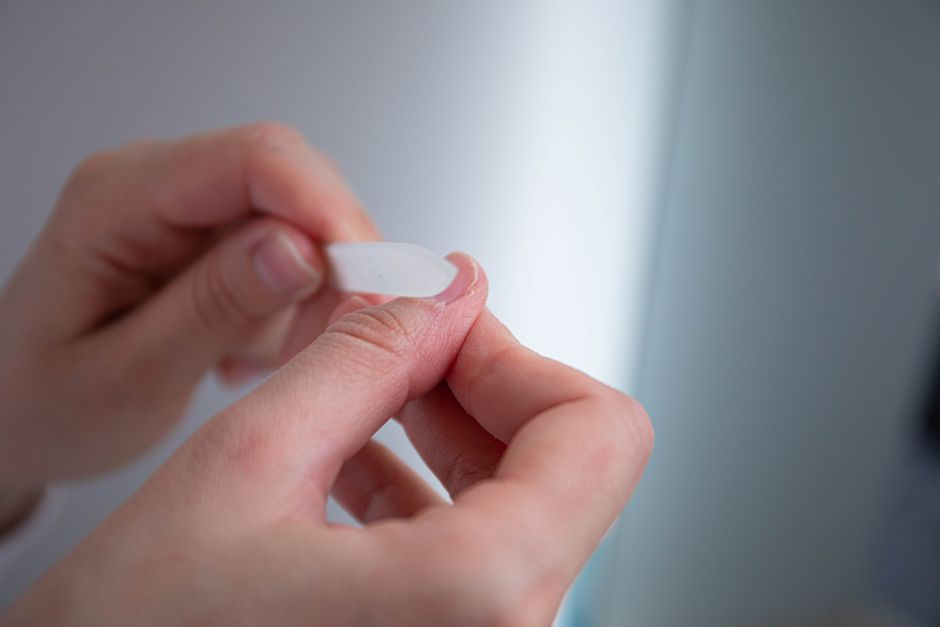
Nail splitting usually occurs due to mechanical stress or lack of hydration. Understanding the root cause helps prevent recurring damage.
Why Nails Split After Trimming
Most splitting happens when nails are cut too aggressively or filed in multiple directions. Moisture imbalance is another major factor.
Best Filing Techniques for Brittle Nails
- Always file in one direction
- Use fine-grit files only
- Avoid excessive pressure on edges
Daily Nail Hygiene Habits That Strengthen Nails
- Keep nails dry and clean
- Use cuticle oil daily
- Avoid harsh detergents without gloves
How to Fix Dry Cracked Cuticles Naturally at Home

Cuticle damage often results from dehydration, over-trimming, or exposure to chemicals. Repairing them requires consistent moisture care.
What Causes Cracked Cuticles
Common causes include frequent hand washing, low humidity, and aggressive trimming techniques that damage surrounding skin.
Cuticle Care Mistakes to Avoid
- Cutting cuticles too deeply
- Skipping moisturizing steps
- Using harsh nail tools on skin
Support healthy nail routines with hydration-focused products from our skincare & hydration collection.
Electric Nail Clippers vs Nail Drills vs Manual Files

| Tool | Best For | Safety Level | Learning Curve |
|---|---|---|---|
| Manual File | Precision shaping | High | Easy |
| Electric Nail Clipper | Fast, safe trimming | High | Very Easy |
| Nail Drill | Advanced shaping | Medium | Hard |
When Electric Nail Clippers Are Safer
Electric clippers reduce pressure and minimize human error, making them ideal for beginners and sensitive nails.
Nail Sanitation and Antifungal Nail Care Essentials

Hygiene is a critical part of nail care that is often overlooked. Dirty tools can introduce bacteria or fungi into nail beds.
How to Sanitize Nail Tools Properly
- Clean tools with soap and warm water
- Disinfect with alcohol solution
- Dry completely before storage
How to Prevent Nail Fungus During Home Pedicures
- Never share nail tools
- Always dry feet thoroughly
- Avoid trimming infected nails without guidance
Explore hygiene-focused tools in the oral care devices collection and broader wellness tools in the body care and health devices collection.
Travel-Friendly Nail Care Routine and Portable Nail Kits
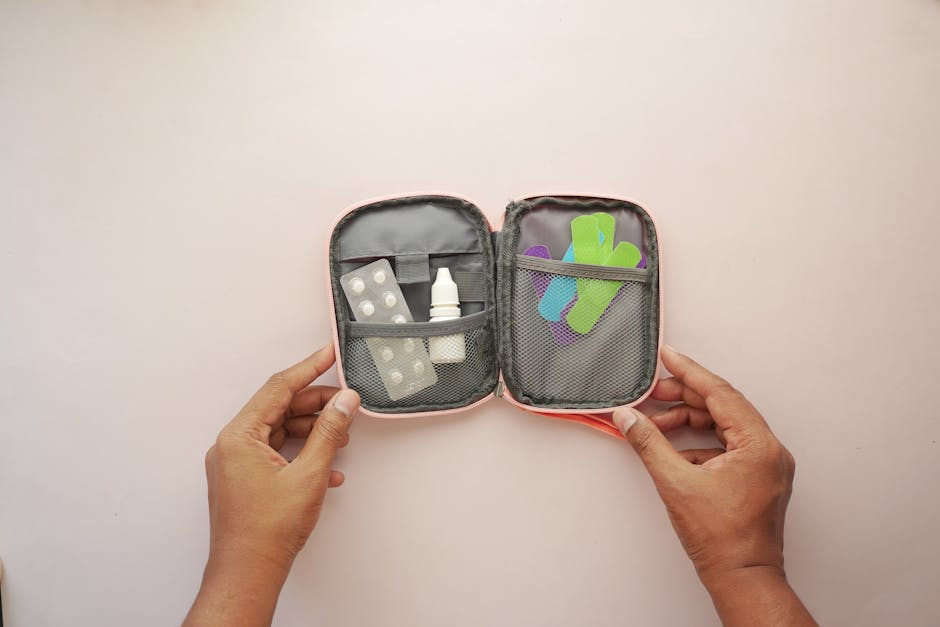
A compact nail care kit ensures you can maintain hygiene and grooming habits anywhere without relying on salon access.
- Mini nail clipper or electric trimmer
- Compact nail file
- Small cuticle oil pen
- Travel sanitizer bottle
Browse travel-ready tools in our lifestyle collection or explore gifting ideas in the gifts & accessories collection.
How Often Should You Trim Fingernails and Toenails?
Timing matters for maintaining balanced growth and preventing over-trimming damage.
Fingernails
Every 1–2 weeks depending on growth rate.
Toenails
Every 3–4 weeks, or as needed for comfort and hygiene.
FAQ
How do you trim nails safely at home without splitting them?
Use sharp tools, cut in small sections, and file in one direction only.
Should you cut nails wet or dry?
Slightly softened nails are safer, but avoid overly wet nails as they can bend incorrectly.
How do you sanitize nail tools at home?
Clean with soap, disinfect with alcohol, and dry fully before reuse.
Can over-buffing damage nails?
Yes, excessive buffing thins the nail surface and weakens structure.
Final Thoughts on Safe Nail Trimming
Safe nail trimming is less about speed and more about consistency, hygiene, and technique. With the right tools and habits, you can maintain strong, healthy nails at home without relying on salon visits.
Building a simple routine—cleaning, trimming gently, filing correctly, and moisturizing regularly—helps prevent most common nail problems while improving long-term nail strength and appearance.
Pillar Article: Brittle Nail Care: Beginner-Friendly Routines, Safe Grooming Tips & Tool Guide













