

Massage Device for Back Pain: Expert Picks + Pain-to-Device Matching Guide
If you’ve ever stood up after a long day at a desk or finished a tough workout only to feel that dull, persistent ache in your lower back—you’re not alone. Back pain is one of the most common physical complaints today, and choosing the right massage device can feel overwhelming. The good news? You don’t need to guess. This guide walks you through a clear pain-to-device matching framework so you can confidently choose the right solution for your body, lifestyle, and recovery goals.
For a full range of tools that support recovery and relaxation, explore the Body Care and Health Devices collection, where you’ll find devices designed for home use across different pain conditions.
What Is the Best Massage Device for Back Pain? (Quick Answer)
The best massage device depends on your specific type of back pain:
- Lower back pain: Heat-based massagers or lumbar support cushions
- Muscle knots: Percussion or deep tissue massagers
- Sciatica or nerve pain: TENS units or lumbar traction devices
- Posture-related discomfort: Ergonomic supports and gentle vibration massagers
There is no single “best” device—only the best match for your condition.
Back Pain Types Explained: Identify Your Condition First

Lower Back Pain (Lumbar Strain & Sitting Fatigue)
This is the most common type of back pain, especially for office workers and drivers. It often results from prolonged sitting, weak core muscles, or poor posture. A dull ache or stiffness in the lumbar region is typical.
Upper Back & Shoulder Tension
Often caused by stress or poor ergonomics, this type of pain feels like tightness between the shoulder blades. It’s common among people who work on laptops or phones for long hours.
Chronic vs Acute Back Pain
Acute pain comes on suddenly—often after lifting or injury—while chronic pain lasts longer than 3 months. Chronic pain often requires gentler, consistent therapy rather than aggressive massage.
Nerve-Related Pain (Sciatica & Disc Pressure)
This pain radiates from the lower back down the leg and is often sharp or tingling. It’s caused by nerve compression and requires specialized approaches like decompression or electrical stimulation.
Pain-to-Device Matching Framework (Core Decision Guide)
Best Devices for Lower Back Pain Relief
For stiffness and fatigue, heat-based massagers are highly effective. They increase blood flow and relax tight muscles. Many users combine these with options from the Warmth & Heat Therapy collection for enhanced recovery.
Best Devices for Deep Muscle Knots & Athletes
Percussion massagers deliver rapid pulses that penetrate deep into muscle tissue. These are ideal for post-workout soreness and muscle knots.
Best Devices for Nerve Pain & Sciatica
TENS units and lumbar traction devices help reduce nerve compression and improve spinal alignment. These are more advanced tools and should be used carefully.
Best Devices for Posture & Office Use
If your pain is posture-related, ergonomic lumbar supports and gentle vibration cushions can help maintain spinal alignment throughout the day.
For everyday comfort solutions, check out the Foot & Body Comfort collection, which includes supportive tools for long sitting sessions.
Top Massage Devices for Back Pain (Expert Picks 2026)

Best Lower Back Massager with Heat
Heat massagers are ideal for relaxing tight muscles and improving circulation. They’re beginner-friendly and safe for daily use when used correctly.
Best Shiatsu Back Massager
Shiatsu devices mimic kneading hand movements, making them great for general tension relief and relaxation.
Best Percussion Massager for Back
These are best for athletes and active individuals dealing with muscle soreness and recovery needs.
Best Lumbar Traction Device for Home Use
Traction devices gently stretch the spine, helping relieve pressure on discs and nerves.
Best TENS Unit for Back Pain Relief
TENS units use electrical pulses to block pain signals and stimulate muscles, making them effective for chronic pain conditions.
Heat vs Infrared vs Percussion: Which Technology Works Best?
Heat Therapy for Pain Relief Explained
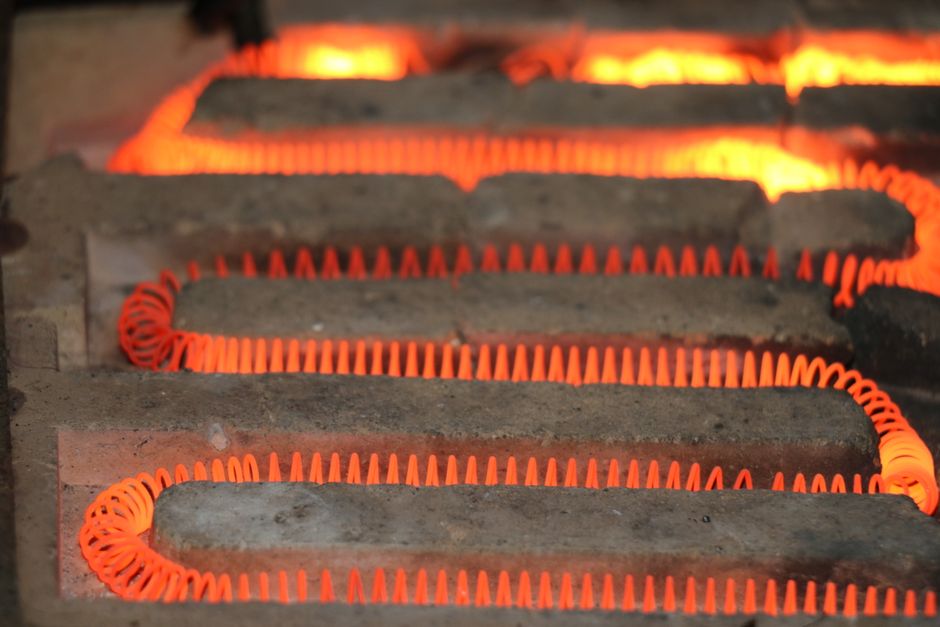
Heat therapy increases blood flow, relaxes muscles, and reduces stiffness. It’s best for chronic pain and tension.
Infrared Heat Therapy Benefits for Circulation
Infrared heat penetrates deeper than traditional heat, reaching muscles and joints more effectively. It’s often used for long-term recovery.
Deep Tissue vs Percussion Massage
Deep tissue massage is slower and more controlled, while percussion is fast and intense. Beginners should start with lower intensity devices.
How to Use a Back Massager Safely (Step-by-Step)

How to Use a Lumbar Traction Device at Home
Start with short sessions (5–10 minutes), gradually increasing as your body adapts. Always follow manufacturer guidelines.
How Long Should You Use a Back Massager?
Most sessions should last 10–20 minutes. Overuse can lead to muscle irritation rather than relief.
Common Mistakes to Avoid
- Using high intensity on sensitive areas
- Applying directly to the spine
- Ignoring pain signals
- Using devices for too long
For additional wellness tools that support recovery routines, browse the Wellness & Relaxation collection.
Key Features to Look for in a Back Massager

Adjustable Intensity & Modes
Look for devices that allow customization based on your comfort level.
Heat & Infrared Options
These features enhance muscle relaxation and circulation.
Portability & Ergonomics
If you travel or work long hours, lightweight and ergonomic designs are essential.
Safety Features & Certifications
Auto shut-off timers and certified materials ensure safe use.
You can also explore complementary tools in the Lifestyle collection to build a more complete recovery setup.
Complete At-Home Back Recovery System (Beyond Massagers)

Combining Massage with Stretching & Mobility
Massage works best when paired with stretching exercises that improve flexibility and posture.
Posture Correction Devices for Long-Term Relief
These tools help maintain spinal alignment and prevent recurring pain.
When to Consider Professional Therapy
If pain persists despite home treatment, consult a physical therapist or healthcare provider.
For more expert advice, visit the Body & Face Blog, where deeper guides on recovery and wellness are available.
Frequently Asked Questions
What is the best massager for lower back pain at home?
Heat-based massagers and lumbar support devices are typically the best starting point for most users.
Does a heat massager for back pain actually work?
Yes, heat therapy improves blood flow and reduces muscle tension, making it effective for many types of back pain.
How do you use a lumbar traction device at home safely?
Use it on a flat surface, follow time guidelines, and avoid overextension.
What features should I look for in a lower back massager?
Adjustable intensity, heat options, ergonomic design, and safety features are key.
Can infrared back massagers help with muscle recovery?
Yes, infrared heat penetrates deeper into tissues and supports long-term muscle recovery.
Conclusion
The right massage device isn’t about trends—it’s about matching your specific pain type with the right technology. Whether you’re dealing with daily stiffness, deep muscle knots, or chronic discomfort, the key is understanding your body and choosing tools that support long-term recovery. Start simple, stay consistent, and build a routine that works for your lifestyle.
To explore more tools that support your recovery journey, browse the Body Care and Health Devices collection and discover options tailored to your needs.
Pillar Article: Home Massage Equipment: Complete 2026 Buyer’s Guide for Stress Relief & Muscle Recovery













