

Massage Stress Relief: Best Devices, Routines & Expert Tips (2026 Guide)
Modern stress affects far more than mood. Chronic tension can disrupt sleep, reduce productivity, tighten muscles, and leave the nervous system in a constant state of overload. Many people now use massage stress relief routines at home to support recovery, improve relaxation, and reduce daily physical discomfort naturally.
From heated neck massagers to full-body recovery devices, today’s massage tools are designed to help with circulation, muscle relaxation, mental recovery, and nervous system regulation. The key is understanding which massage style fits your lifestyle, stress patterns, and physical needs.
Many beginners start by exploring supportive wellness categories like Body Care and Health Devices, Wellness & Relaxation, and Warmth & Heat Therapy to build a personalized home recovery setup.
How Massage Helps Reduce Stress Naturally
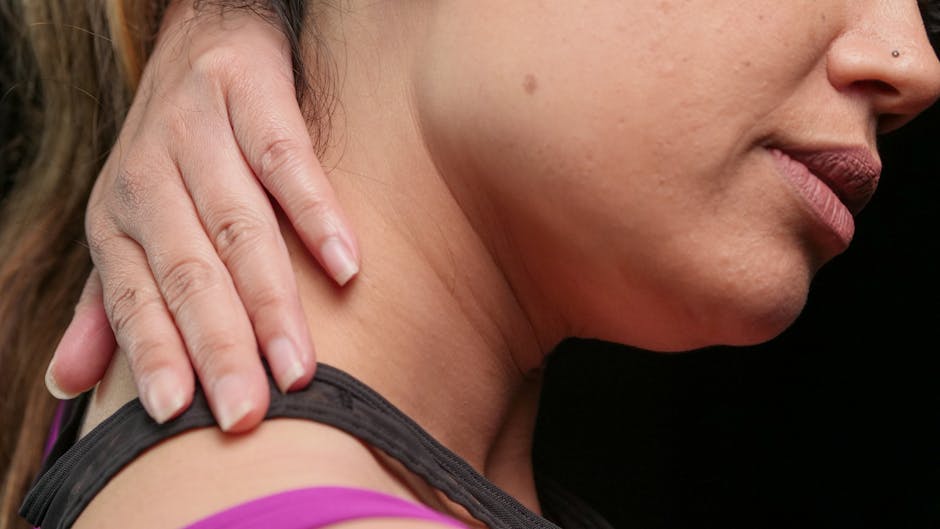
Massage therapy supports both physical and mental recovery by influencing muscle tension, circulation, nervous system balance, and stress hormone regulation. Whether using a handheld massager, heated massage mattress, or scalp therapy device, consistent massage routines can help the body shift out of “fight or flight” mode and into a calmer recovery state.
The Connection Between Stress, Cortisol, and Muscle Tension
Stress triggers the release of cortisol and adrenaline. Over time, elevated stress hormones can contribute to tight shoulders, jaw tension, headaches, lower back discomfort, and fatigue. Many people unknowingly hold tension in the neck, shoulders, calves, and lower back throughout the day.
Massage helps interrupt this stress cycle by relaxing muscle tissue and increasing blood flow to tense areas. This can reduce feelings of stiffness while supporting physical comfort and mental calmness.
Desk workers often benefit from combining massage therapy with ergonomic wellness habits and supportive recovery products found in the Foot & Body Comfort collection.
How Massage Activates the Parasympathetic Nervous System
The parasympathetic nervous system controls the body’s “rest and recover” response. Gentle massage pressure, vibration therapy, and heat stimulation can help slow breathing, reduce physical stress responses, and encourage relaxation.
Many people use massage devices during evening routines because repetitive massage patterns may help the body transition away from overstimulation caused by work stress, screen time, and mental fatigue.
Why Circulation Improvement Supports Mental Relaxation
Improved circulation delivers oxygen and nutrients more efficiently throughout the body. Better blood flow may help reduce feelings of heaviness in the legs, muscle soreness after exercise, and stiffness from prolonged sitting.
Massage devices designed for foot therapy, calf compression, and heated recovery are especially popular among people who stand for long periods or experience tired legs at the end of the day.
The Link Between Massage, Sleep Optimization, and Anxiety Relief
Poor sleep and stress often reinforce each other. Tight muscles and mental overstimulation can make it difficult to relax before bed. Gentle massage therapy combined with breathing exercises and reduced screen exposure may help support healthier sleep habits.
Many users build evening wellness routines that combine massage therapy with calming environments, warm lighting, hydration, and recovery products from the Lifestyle collection.
The Best Types of Massage Devices for Stress Relief

Different massage devices support different stress profiles. Some are designed for deep muscle recovery, while others focus on gentle relaxation, circulation improvement, or nervous system calming.
| Massage Device Type | Best For | Intensity Level | Typical Benefits |
| Percussion Massagers | Athletes and muscle recovery | High | Deep tissue relief and muscle recovery |
| Vibration Devices | Beginners and daily relaxation | Low to Medium | Gentle stress reduction |
| Heat Therapy Devices | Chronic tension and stiffness | Medium | Circulation and relaxation support |
| Scalp Massagers | Mental fatigue and anxiety | Gentle | Relaxation and sleep support |
| Foot and Leg Massagers | Circulation and tired legs | Medium | Full-body relaxation effects |
Percussion Massagers for Deep Muscle Stress Release
Percussion massagers use rapid pulses to target deeper muscle tissue. These devices are popular among athletes, active professionals, and people dealing with muscle soreness from physical activity.
Benefits may include:
- Improved muscle recovery
- Reduced stiffness after exercise
- Enhanced mobility
- Faster warm-up and cooldown routines
However, percussion devices can feel intense for beginners or highly stressed individuals sensitive to pressure.
Vibration Therapy Devices for Gentle Daily Relaxation
Vibration therapy offers a softer approach to stress management. Instead of deep percussion, these devices use rhythmic movements that encourage relaxation without aggressive pressure.
They are often recommended for:
- Daily stress management
- Beginners using massage therapy
- Older adults
- Pre-sleep relaxation routines
Infrared Heat Therapy Devices for Nervous System Recovery
Heat therapy can help muscles relax more efficiently by improving circulation and reducing feelings of tightness. Heated massage devices are especially effective for neck tension, lower back discomfort, and stress-related stiffness.
People searching for heated massage stress relief often explore products and routines within the Warmth & Heat Therapy collection because heat-based recovery tools pair well with evening relaxation habits.
Scalp Massage Therapy Tools for Anxiety and Mental Fatigue
Scalp massage therapy has become increasingly popular for mental stress management. Gentle scalp pressure may help reduce feelings of mental overload while promoting relaxation before sleep.
A real-world example is the Electric Head Massager with Heat for Deep Scalp Relaxation.

This style of device combines gentle heat with rhythmic compression to support calming evening routines and relaxation-focused self-care.
Foot and Leg Massagers for Full-Body Relaxation
Foot and calf massage devices can indirectly support full-body relaxation because tired feet and legs contribute significantly to overall physical fatigue.
Compression massage and heated foot therapy are especially helpful for:
- Standing jobs
- Travel recovery
- Post-work decompression
- Circulation support
- End-of-day muscle fatigue
Massage Chairs vs Portable Devices: Which Is Better?
| Feature | Massage Chairs | Portable Devices |
| Price | Very High | Affordable |
| Space Required | Large | Minimal |
| Portability | None | High |
| Customization | Advanced | Moderate |
| Best For | Full-home wellness setups | Daily flexible use |
Portable massage devices are generally more practical for beginners because they are easier to use consistently and fit into daily routines more naturally.
For more recovery and comfort tools, many readers also explore the Body Care and Health Devices collection.
How to Choose the Right Stress-Relief Massager for Your Lifestyle
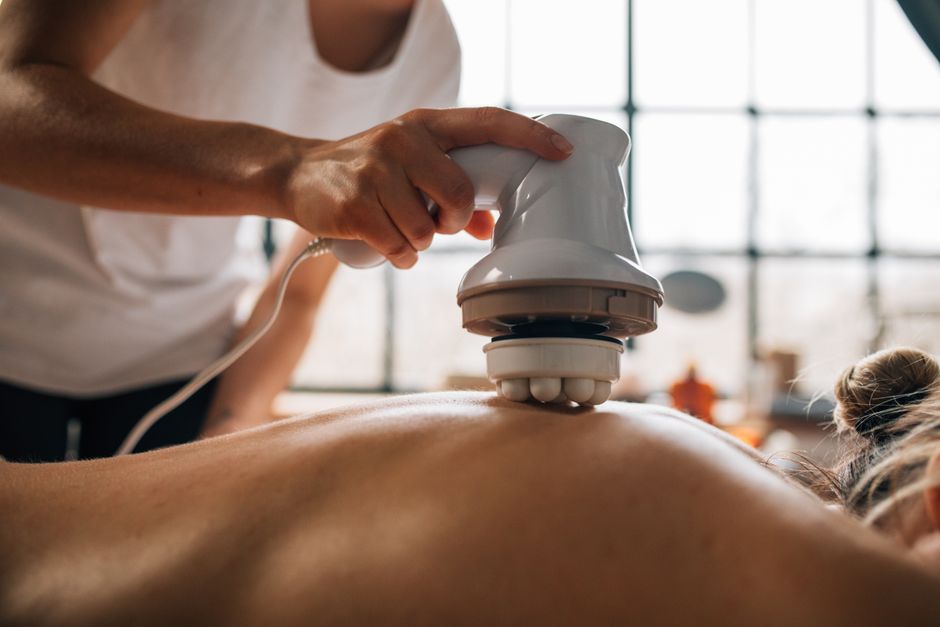
The best massage device depends on how stress affects your body. Some people carry tension in the neck and shoulders, while others struggle with lower back tightness, restless legs, or mental fatigue.
Best Devices for Work Stress and Desk Tension
Office workers frequently experience:
- Neck stiffness
- Upper back tightness
- Shoulder tension
- Tension headaches
Heated kneading devices are often effective because they combine pressure with warmth.
One example is the KentDO™ Neck & Shoulder Massager – Hot Compress Relief.

These devices are commonly used after work to reduce stiffness caused by prolonged sitting and screen exposure.
Best Massage Devices for Sleep-Focused Recovery
For sleep-focused stress management, gentler massage styles are often better than high-intensity percussion therapy.
Helpful features include:
- Warm heat therapy
- Slow vibration patterns
- Quiet operation
- Automatic shut-off timers
People building bedtime wellness routines often combine massage therapy with calming skincare, hydration, and relaxation habits from the Skincare & Hydration collection.
Best Options for Athletes and High-Performance Recovery
Athletes and physically active individuals typically benefit from stronger recovery-focused massage tools that help reduce muscle soreness and improve mobility.
Useful features may include:
- Adjustable intensity settings
- Interchangeable massage heads
- Deep percussion modes
- Portable cordless designs
These devices are commonly used after workouts, long runs, and strength training sessions.
Travel-Friendly Stress Relief Devices for Busy Professionals
Portable massage tools are increasingly popular among travelers and remote workers because stress often accumulates during flights, hotel stays, and long driving sessions.
Compact massage devices can support:
- Neck relaxation during travel
- Circulation after long flights
- Muscle recovery between meetings
- Mental decompression during business trips
Choosing Between Intensity Levels, Heat, and Massage Styles
| Need | Recommended Massage Style |
| Mental stress and anxiety | Scalp massage and gentle vibration |
| Deep muscle soreness | Percussion therapy |
| Neck stiffness | Heated kneading massage |
| Tired legs and circulation | Compression massage |
| Sleep support | Low-intensity heat therapy |
Daily Massage Stress Relief Routines That Actually Work
Consistency matters more than intensity. A short daily massage session is often more effective for long-term stress management than occasional extended sessions.
5-Minute Morning Reset Routine
A quick morning recovery routine can help reduce overnight stiffness and improve mental readiness for the day.
- Begin with light neck stretching
- Use gentle massage on shoulders and upper back
- Focus on deep breathing for one minute
- Finish with hydration and light movement
This type of routine works well for people experiencing work stress or morning tension.
Post-Work Decompression Routine for Mental Recovery
Evening massage routines help separate work stress from personal recovery time.
Popular post-work recovery steps include:
- 10 minutes of heated shoulder massage
- Reduced screen exposure
- Gentle stretching
- Low lighting and calming music
Some users incorporate recovery tools from the Wellness & Relaxation collection to create a more calming home environment.
Sleep-Focused Massage Routine Before Bed
Before bedtime, focus on gentle massage rather than intense deep tissue work.
Helpful approaches include:
- Warm foot massage
- Scalp relaxation therapy
- Low heat settings
- Slow breathing exercises
Avoid aggressive percussion massage immediately before sleep because it may feel overstimulating for some people.
Weekly Deep Recovery Routine for Chronic Stress
Longer weekly sessions may help manage accumulated physical stress.
A balanced recovery session could include:
- 15 minutes of neck and shoulder massage
- 10 minutes of calf or foot therapy
- Mobility stretching
- Hydration and relaxation afterward
Combining Massage with Breathing and Anxiety Relief Techniques
Massage becomes more effective when paired with nervous system calming strategies.
Effective combinations include:
- Box breathing exercises
- Meditation
- Progressive muscle relaxation
- Warm baths
- Reduced evening caffeine intake
Many people also build broader self-care routines using resources from the Beauty & Self-Care Blog.
Common Mistakes That Reduce Stress-Relief Results
Using Too Much Pressure Too Quickly
Many beginners assume stronger pressure automatically produces better results. In reality, overly intense massage can increase soreness and discomfort.
Start with lower intensity settings and gradually increase pressure over time.
Ignoring Consistency and Routine Timing
Massage therapy works best when integrated into regular routines. Random or infrequent sessions are less effective for long-term stress management.
Short daily use is usually more sustainable than occasional extended sessions.
Choosing the Wrong Device for Your Stress Type
Different stress patterns require different solutions. Someone dealing with anxiety and mental fatigue may benefit more from scalp massage and heat therapy than high-powered percussion massage.
Meanwhile, athletes recovering from intense workouts may need stronger deep tissue stimulation.
Overlooking Hydration and Recovery Habits
Massage therapy should support a broader recovery strategy that includes:
- Proper hydration
- Healthy sleep routines
- Movement and stretching
- Stress management habits
- Balanced nutrition
Expert Tips to Maximize Massage Stress Relief Benefits
When to Use Heat Therapy for Better Relaxation
Heat therapy is especially useful for chronic stiffness, cold-weather tension, and post-work stress.
Warm massage sessions are often most effective:
- Before bed
- After long workdays
- Following travel
- During colder months
How Often You Should Use Massage Devices
Most people can safely use massage devices several times per week, while gentler recovery devices may be appropriate for daily use.
General guidelines:
| Massage Style | Suggested Frequency |
| Gentle vibration | Daily |
| Heat therapy | Daily or as needed |
| Percussion massage | 3–5 times weekly |
| Scalp massage | Daily relaxation use |
Creating a Home Recovery Environment
Your environment significantly influences relaxation quality.
Helpful recovery elements include:
- Comfortable seating
- Warm lighting
- Reduced noise
- Minimal distractions
- Consistent routines
Some households also integrate broader wellness categories such as Skin and Beauty Care Devices and Hair Care and Styling Devices into complete self-care spaces.
Pairing Massage Therapy with Sleep and Recovery Habits
Massage is most effective when combined with healthy recovery behaviors.
Important supporting habits include:
- Consistent sleep schedules
- Limiting nighttime screen exposure
- Daily movement
- Stress management techniques
- Relaxation-focused evening routines
“The most effective stress-relief routines combine nervous system calming, physical recovery, and consistent daily habits rather than relying on a single wellness tool.”
Who Should Avoid Certain Massage Devices?
When to Consult a Healthcare Professional
People with certain health conditions should speak with a healthcare provider before beginning massage therapy routines.
This includes individuals with:
- Recent surgeries
- Serious circulation disorders
- Severe osteoporosis
- Acute injuries
- Chronic unexplained pain
Conditions That Require Caution with Massage Therapy
Some massage devices may not be appropriate for everyone.
| Condition | Recommended Caution |
| Pregnancy | Consult healthcare provider first |
| Blood clotting disorders | Avoid aggressive massage |
| Nerve sensitivity | Use low intensity only |
| Recent injuries | Avoid direct pressure on affected areas |
| Severe inflammation | Seek medical guidance first |
Frequently Asked Questions
How does massage help with stress relief?
Massage supports stress relief by relaxing tense muscles, improving circulation, and helping activate the body’s parasympathetic nervous system.
What are the best massage devices for stress relief at home?
Popular options include heated neck massagers, scalp massage devices, foot massagers, percussion guns, and vibration therapy tools.
How often should I use a massager to reduce stress?
Gentle massage devices can often be used daily, while stronger percussion therapy may be better limited to several sessions per week.
Can scalp massagers help with anxiety and relaxation?
Many people find scalp massage relaxing because it combines rhythmic pressure with calming sensory stimulation that may help reduce mental tension.
What type of massage is best for daily stress management?
Gentle vibration therapy, heated massage, and scalp massage are commonly preferred for daily stress management routines.
Do heated massagers help reduce cortisol levels?
Heat therapy may help support relaxation and reduce physical tension, which can indirectly contribute to lower stress responses.
Are percussion massagers good for anxiety-related muscle tension?
They can help relieve physical muscle tightness, but gentler massage styles may feel more calming for some individuals dealing with anxiety.
Can massage improve sleep quality and recovery?
Massage may help improve relaxation before bed, reduce physical discomfort, and support recovery-focused nighttime routines.
How long should a stress-relief massage session last?
Most home massage sessions last between 10 and 20 minutes depending on the device type and user comfort.
What is the difference between vibration therapy and percussion therapy?
Vibration therapy uses gentler oscillations for relaxation, while percussion therapy delivers deeper and more intense muscle stimulation.
Conclusion
Massage stress relief works best when viewed as part of a sustainable wellness routine rather than a quick fix. The right combination of massage therapy, heat support, sleep habits, mobility work, and recovery-focused routines can help reduce muscle tension, support relaxation, and improve overall well-being.
Whether you prefer scalp massage for mental recovery, heated shoulder therapy for desk tension, or foot massage for circulation support, consistent daily use often produces the most noticeable long-term benefits.
To continue building your personalized recovery setup, explore supportive categories like Body Care and Health Devices, Foot & Body Comfort, and the Body & Face Blog for more wellness guidance and recovery ideas.
Pillar Article: How to Choose the Best Home Massage System for Stress Relief, Recovery & Daily Comfort













