

Nail Treatments for Weak Nails: Repair & Strengthen Fast (2026 Guide)
Weak nails can show up in different ways. Some people notice peeling layers after washing dishes. Others struggle with brittle nails that crack while typing, soft nails that bend easily, or ridged nails that seem rough and uneven no matter how carefully they are polished. In many cases, weak nails are not permanent. They are usually a sign that the nail plate has become dehydrated, overprocessed, damaged by repeated trauma, or affected by underlying health and lifestyle factors.
Understanding the exact type of nail weakness matters because brittle nails, peeling nails, thin nails, and thick damaged toenails often require different recovery approaches. The good news is that consistent hydration, gentle trimming, safer grooming habits, and targeted nail-strengthening ingredients can dramatically improve nail health over time.
If you are building a complete at-home nail recovery system, browsing a dedicated Nail Care Devices collection can help you understand the different tools designed for safe filing, trimming, and maintenance routines.
What Weak Nails Actually Mean

Weak nails usually refer to nails that crack, split, peel, bend, or break more easily than healthy nails. Dermatologists often classify nail weakness based on the visible symptoms and underlying structural changes in the nail plate.

The nail plate is made primarily of keratin, a structural protein also found in hair and skin. Healthy nails contain tightly packed keratin layers supported by natural oils and moisture. When those layers become dry, damaged, inflamed, or overexposed to chemicals and water, the nail plate weakens.
Signs Your Nails Are Damaged or Weak
Common symptoms of weak nails include:
- Peeling at the nail tips
- Frequent splitting or cracking
- Thin nails that bend easily
- White spots or rough texture
- Longitudinal ridges
- Nails that snag on fabrics
- Slow growth after manicures
- Pain or sensitivity during trimming
- Discoloration or thickening in toenails
Weak nails may affect fingernails, toenails, or both. Toenails often become thick and difficult to trim due to pressure from footwear, fungal infections, aging, or reduced circulation.
Difference Between Brittle, Peeling, Ridged, and Soft Nails
| Nail Type | Main Symptoms | Common Causes | Best Treatment Focus |
| Brittle Nails | Cracking and breakage | Dryness, aging, chemicals | Hydration and oil treatments |
| Peeling Nails | Layers separating | Overwashing, harsh filing | Gentle filing and moisture |
| Ridged Nails | Raised vertical lines | Aging, trauma, deficiencies | Barrier repair and nutrition |
| Soft Nails | Bending and flexibility | Overhydration or damage | Strengthening routines |
How Nail Structure Affects Strength and Growth
Nails grow from the nail matrix located beneath the cuticle area. Damage to the matrix from aggressive manicures, picking, trauma, or inflammation can affect future nail growth for months.
Because fingernails grow slowly, usually around 3 millimeters per month, even minor injuries can take a long time to fully recover. Toenails grow even more slowly, which is why thick or damaged toenails may require several months of consistent care.
The Most Common Causes of Weak Nails

Weak nails rarely develop from a single issue. Most cases involve a combination of moisture imbalance, repetitive trauma, grooming mistakes, environmental exposure, and internal health factors.

Overwashing, Chemicals, and Water Exposure
Repeated exposure to water is one of the most overlooked causes of brittle nails. Nails absorb water quickly, swell slightly, and then lose moisture as they dry. Repeating this cycle throughout the day weakens the keratin layers.
Frequent exposure to:
- Dishwashing soap
- Alcohol sanitizers
- Cleaning products
- Acetone removers
- Hot water
- Industrial chemicals
can gradually strip protective oils from the nail surface.
Many people combine protective gloves and moisturizing treatments with products from a Skin and Beauty Care Devices collection to maintain healthier hands and cuticles during recovery routines.
Damage From Acrylics, Gel Polish, and Aggressive Filing
Gel manicures and acrylic overlays are not automatically harmful, but repeated removal and over-filing can thin the nail plate significantly.
Common damaging habits include:
- Peeling off gel polish manually
- Using coarse nail files aggressively
- Buffing the nail surface too often
- Using high-speed electric drills incorrectly
- Cutting cuticles excessively
Over-buffing is especially problematic because it removes protective keratin layers faster than the body can replace them.
Nutritional Deficiencies Linked to Weak Nails
Nail health depends on adequate protein, vitamins, and minerals. Weak nails can sometimes reflect nutritional deficiencies, especially when combined with hair thinning or fatigue.
Nutrients associated with healthier nails include:
- Biotin
- Iron
- Zinc
- Protein
- Omega-3 fatty acids
- Vitamin D
- Vitamin E
Severe deficiencies should always be evaluated medically rather than self-diagnosed.
Hormonal Changes, Aging, and Stress Factors
Aging naturally reduces oil production around the nails, making them more prone to brittleness and ridges. Hormonal fluctuations during menopause, pregnancy, or thyroid imbalance can also affect nail growth and thickness.
Stress may contribute indirectly through behaviors such as nail biting, skin picking, poor sleep, and reduced nutrition quality.
When Weak Nails May Signal Onychomycosis or Other Medical Conditions
Sometimes nail weakness is caused by fungal infection rather than simple dryness or damage. Warning signs include:
- Yellow or brown discoloration
- Thickened toenails
- Crumbling edges
- Odor
- Nail lifting from the bed
- Pain while walking
Conditions such as psoriasis, eczema, anemia, thyroid disease, and circulation problems may also affect nail health.
Best Nail Treatments for Weak Nails at Home

Most weak nails improve when treatment focuses on hydration, barrier repair, gentle grooming, and avoiding repeated trauma.

Hydration Treatments That Restore Nail Flexibility
Hydration is the foundation of healthy nails. Dry nails become rigid and crack more easily, while properly hydrated nails remain flexible enough to resist splitting.
Effective hydration treatments include:
- Cuticle oils
- Petroleum jelly
- Ceramide creams
- Glycerin-based hand creams
- Overnight cotton glove treatments
Applying moisturizer immediately after hand washing helps trap water inside the skin and nail plate.
How Cuticle Oil Helps Prevent Nail Splitting
Cuticle oils soften the skin surrounding the nail while reducing moisture loss from the nail plate itself. Oils containing jojoba, vitamin E, almond oil, or squalane penetrate more effectively than heavier oils alone.
Applying cuticle oil two to three times daily is often more effective than occasional intensive treatments.
Using Nail Hardeners Safely Without Overdrying Nails
Nail hardeners can temporarily improve durability for thin or peeling nails, but excessive use may worsen brittleness. Formaldehyde-heavy hardeners sometimes create nails that feel hard yet become easier to crack.
Safer use guidelines include:
- Applying only 1–2 times weekly initially
- Combining with hydration treatments
- Avoiding daily hardener layering
- Stopping use if nails become more brittle
Paraffin Wax Treatment for Severely Dry Nails
Paraffin wax treatments help lock moisture into the skin and nails. Warm wax creates a temporary barrier that improves hydration retention and softens rough cuticles.
This treatment is commonly used for:
- Winter dryness
- Aging hands
- Frequent hand washing
- Cracked cuticles
- Brittle nails
Some people also combine hand hydration therapies with products from a Warmth & Heat Therapy collection to support circulation and comfort during self-care routines.
Tea Tree Oil and Natural Antifungal Support
Tea tree oil may provide mild antifungal support for early nail discoloration or minor fungal concerns, although severe fungal infections usually require medical treatment.
For persistent thick, brittle, or discolored nails, supportive products like KentDO™ Toenail Fungus Patch – Waterproof Nail Repair Solution may help support daily nail recovery routines.

Ingredients That Actually Strengthen Nails

Many nail products promise instant repair, but only a small number of ingredients show meaningful evidence for improving nail health.

Biotin and Nail Growth Research Explained
Biotin is one of the most commonly studied supplements for brittle nails. Some small studies suggest biotin supplementation may improve nail thickness and reduce splitting in people with fragile nails.
However, results are not instant. Nail improvements may take several months because nails grow slowly.
Keratin Treatments for Damaged Nail Plates
Keratin-based treatments help reinforce weakened nail surfaces by temporarily filling damaged areas and supporting smoother texture.
These treatments are most effective when combined with reduced trauma and proper hydration habits.
Vitamin E for Moisture Retention and Repair
Vitamin E supports moisture retention and helps reduce oxidative stress around damaged skin and nails. Oils and creams containing vitamin E are often used for cracked cuticles and brittle nail edges.
Collagen Supplements and Nail Recovery Timelines
Collagen supplements may indirectly support nail growth through improved protein intake, though research remains mixed.
Regardless of the supplement used, consistency matters more than short-term treatments. Nails usually require:
- 6–8 weeks for early improvement
- 3–6 months for noticeable strengthening
- 6–12 months for complete toenail replacement
Which Nail Ingredients Are Overhyped or Ineffective
Some nail products rely heavily on marketing claims rather than evidence. Be cautious of products promising:
- Instant permanent repair
- One-day nail regrowth
- Complete fungal cures without medical support
- Extreme hardening without hydration
Overly harsh alcohol-based formulas may temporarily dry the nail surface while worsening brittleness long term.
How to Build a Safe Nail Care Routine for Weak Nails

A consistent routine is more important than expensive treatments. Gentle habits repeated daily usually outperform aggressive “quick fix” approaches.

Daily Nail Care Habits That Prevent Breakage
- Apply cuticle oil daily
- Wear gloves while cleaning
- Avoid using nails as tools
- Keep nails short during recovery
- File rough edges immediately
- Moisturize after hand washing
- Limit acetone exposure
Educational self-care resources from the Hair, Skin & Nai Blog can also help beginners develop safer long-term beauty habits.
Weekly Nail Recovery Routine Step by Step
- Trim nails carefully after bathing or showering
- File edges gently in one direction
- Apply cuticle oil thoroughly
- Use a hydrating hand mask or cream
- Avoid buffing if nails are peeling
- Disinfect tools before storing
How Often You Should File Weak Nails
Weak nails usually tolerate gentle filing once weekly or as needed to smooth snags. Excessive filing increases friction and layer separation.
Glass files or ultra-fine grit files are generally safer than coarse metal files for fragile nails.
Why Nail Buffing Can Make Weak Nails Worse
Buffing removes surface layers from the nail plate. While it creates temporary shine, excessive buffing can thin already damaged nails and increase sensitivity.
People with peeling or soft nails should minimize buffing until nail strength improves.
Many beginners exploring healthier at-home beauty routines also browse a Skincare & Hydration collection to support overall hand and skin moisture balance.
Choosing the Right Nail Tools Without Causing More Damage

The wrong grooming tools can worsen nail weakness quickly. Tool safety matters just as much as nail treatments.

Best Nail File Types for Fragile or Peeling Nails
| File Type | Best For | Risk Level |
| Glass File | Fragile nails | Low |
| Fine Emery Board | Routine shaping | Low |
| Metal File | Thick toenails only | Medium |
| Coarse Electric Bit | Professional use | High |
Electric Nail Drill Safety for Beginners
Electric nail drills can help manage thick nails and smooth rough edges, but improper use can damage the nail matrix quickly.
Beginner safety rules include:
- Use low speeds only
- Never hold the drill in one spot
- Avoid aggressive sanding near cuticles
- Disinfect bits regularly
- Practice on artificial tips first if possible
For safer everyday trimming, especially for sensitive nails, seniors, or beginners, tools like the Electric Nail Clipper with LED Light for Safe, Easy Care provide a gentler alternative to aggressive clipping methods.

How to Sanitize Nail Tools Properly at Home
Poor hygiene can spread bacteria and fungal organisms between nails.
Safe sanitation steps include:
- Wash tools with soap and water
- Remove visible debris
- Disinfect using 70% isopropyl alcohol
- Allow tools to air dry fully
- Store in a clean container
Never share nail tools with others if fungal infection is suspected.
Mistakes That Cause Long-Term Nail Plate Damage
- Cutting cuticles aggressively
- Using nails to scrape surfaces
- Over-buffing weekly
- Removing gels by peeling
- Using dull clippers
- Filing back and forth aggressively
- Ignoring nail pain or bleeding
Some users also organize grooming routines using accessories from the Lifestyle collection for easier travel and home storage.
Special Care for Thick, Damaged, or Sensitive Toenails

Toenails require different care strategies because they grow more slowly and experience constant pressure from walking and footwear.

How Thick Toenails Become Difficult to Trim
Toenails may thicken due to:
- Aging
- Repeated pressure
- Fungal infection
- Poor circulation
- Trauma from sports
- Improper footwear
Thick nails should never be ripped or forced apart because this can injure the nail bed.
Safe Trimming Methods for Elderly or Sensitive Nails
Soaking feet in warm water for 10–15 minutes softens thick nails and reduces cracking during trimming.
Additional safety tips include:
- Trim small sections gradually
- Use clean sharp tools
- Round edges lightly with a file
- Avoid cutting corners too deeply
- Use brighter lighting for visibility
Foot comfort products from a Foot & Body Comfort collection may also help reduce pressure and irritation affecting sensitive toenails.
When Toenail Changes Suggest Fungal Infection
See a healthcare provider if thick toenails become painful, detached, severely discolored, or resistant to basic care.
Fungal infections can spread slowly and may require prescription medication for complete treatment.
How Long It Takes to Strengthen Weak Nails
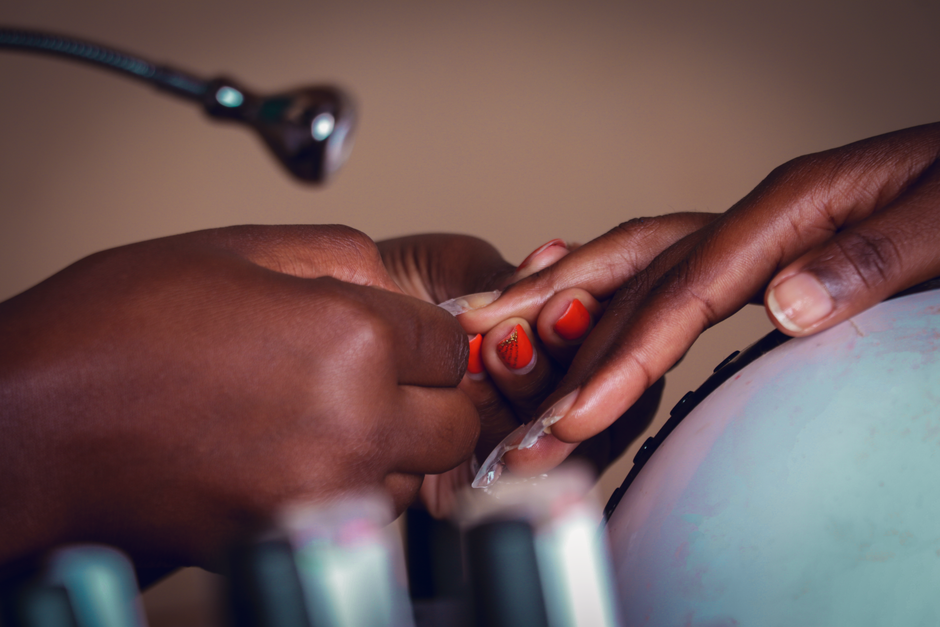
Nail recovery is gradual because nails grow slowly. Even the best treatments require patience and consistency.

Typical Nail Growth and Recovery Timeline
| Condition | Early Improvement | Major Recovery |
| Mild Dryness | 1–2 weeks | 1–2 months |
| Peeling Nails | 3–4 weeks | 3–6 months |
| Thin Damaged Nails | 1–2 months | 4–6 months |
| Toenail Damage | 2–3 months | 6–12 months |
Signs Your Nail Treatments Are Working
- Reduced splitting
- Smoother texture
- Less peeling
- Improved flexibility
- Fewer hangnails
- Healthier cuticles
Why Some Nail Damage Takes Months to Repair
The visible nail is dead keratin tissue. Once damage appears, it cannot be “healed” instantly. Improvement depends on healthier nail growth replacing the damaged sections gradually.
This is why long-term habits matter more than short-term cosmetic fixes.
When to See a Dermatologist for Weak Nails

Many weak nails improve at home, but some nail changes require medical evaluation.
Symptoms That Should Not Be Treated at Home
- Severe pain
- Bleeding under the nail
- Dark streaks
- Rapid nail thickening
- Nail separation
- Pus or swelling
- Persistent fungal symptoms
How Dermatologists Diagnose Nail Conditions
Dermatologists may examine nail texture, thickness, color, growth patterns, and surrounding skin. In some cases they perform fungal testing, cultures, or biopsies to identify the underlying issue accurately.
Medical Treatments for Chronic Nail Weakness
Medical treatment options may include:
- Prescription antifungal medications
- Topical steroid treatments
- Nutritional deficiency correction
- Psoriasis management
- Professional debridement for thick nails
For ongoing wellness education, readers often explore the Beauty & Self-Care Blog for broader self-care routines and preventive beauty guidance.
Best Nail Treatment Routine by Nail Type
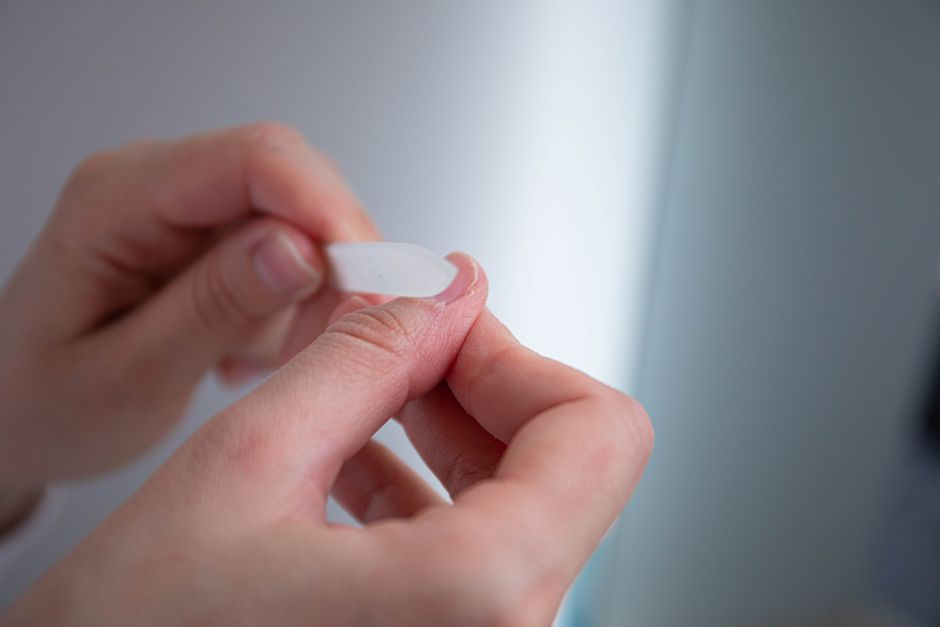
Personalized routines often work better than one-size-fits-all nail treatments.

Routine for Brittle and Cracking Nails
- Apply cuticle oil multiple times daily
- Use gloves while cleaning
- Keep nails short temporarily
- Avoid acetone removers
- Use gentle glass files only
Routine for Peeling or Splitting Nails
- Stop buffing temporarily
- File in one direction only
- Use strengthening base coats sparingly
- Increase hydration treatments
- Avoid gel polish removal trauma
Routine for Thin and Flexible Nails
- Use light strengthening formulas
- Increase dietary protein intake
- Protect nails during chores
- Limit water exposure
- Avoid aggressive trimming
Routine for Ridged or Aging Nails
- Use hydrating creams daily
- Massage cuticle oils consistently
- Reduce over-filing
- Maintain balanced nutrition
- Use ridge-filling base coats lightly
Many people build full self-care systems using coordinated products from the Body Care and Health Devices collection alongside gentle nail maintenance habits.
Frequently Asked Questions
What are the most effective nail treatments for weak nails at home?
The most effective treatments usually include hydration therapy, cuticle oils, gentle filing, reduced chemical exposure, and consistent moisturizing. Avoiding repeated trauma is equally important.
How long does it take to strengthen brittle or damaged nails?
Most people notice early improvement within 4–8 weeks, but complete recovery may take several months depending on nail damage severity.
What causes weak, peeling, or ridged nails?
Common causes include excessive water exposure, harsh chemicals, aging, nutritional deficiencies, over-filing, gel polish removal damage, and fungal infections.
Which ingredients actually help strengthen nails naturally?
Biotin, keratin, vitamin E, jojoba oil, and protein-rich nutrition are among the most commonly recommended ingredients for improving nail resilience.
When should weak nails be treated by a dermatologist?
Seek medical evaluation if nails become painful, severely discolored, detached, rapidly thickened, or resistant to home treatment.
Can nail hardeners damage weak nails over time?
Yes. Overusing strong hardeners may increase brittleness, especially if hydration treatments are neglected.
Are electric nail drills safe for thin or brittle nails?
They can be safe when used carefully at low speeds, but aggressive drilling may thin the nail plate significantly.
How often should you apply cuticle oil to damaged nails?
Most people benefit from applying cuticle oil two to three times daily during nail recovery.
Does biotin really help weak nails grow stronger?
Some studies suggest biotin may improve nail thickness and reduce splitting, although results vary and usually take months.
What is the safest way to file peeling nails?
Use a fine-grit or glass nail file and move in one direction only to minimize layer separation and edge damage.
Conclusion
Weak nails rarely improve overnight, but they usually respond well to consistent care. Gentle trimming, hydration, safe filing techniques, proper sanitation, and avoiding repeated trauma are the foundations of stronger nails over time.
Whether your nails are brittle, peeling, ridged, thin, or thickened, building a personalized routine based on your specific symptoms is often the most effective strategy. Small habits repeated consistently can restore healthier nail growth and reduce long-term damage significantly.
For readers interested in expanding their at-home self-care setup, exploring the Nail Care Devices collection and related educational resources inside the Body & Face Blog can help support safer grooming and healthier nail maintenance routines.
Pillar Article: Brittle Nail Care: Beginner-Friendly Routines, Safe Grooming Tips & Tool Guide













