

Painless Hair Removal Device Guide: Best Beginner Picks for 2026
For many beginners, at-home hair removal feels confusing and intimidating. One device promises permanent reduction, another claims painless treatment, while social media is filled with conflicting advice about IPL, laser, epilators, and electric trimmers. At the same time, people worry about razor burn, ingrown hairs, redness, and skin irritation—especially when using beauty devices for the first time.
The good news is that modern painless hair removal devices are far more beginner-friendly than older grooming tools. With the right device type, realistic expectations, and safe skincare habits, beginners can build an effective at-home beauty routine that minimizes discomfort while improving long-term hair reduction results.
This guide explains how painless hair removal devices work, how to choose the best option for your skin type, how to prevent irritation, and how to safely maintain your device for long-term use. If you are building a complete self-care routine, you can also explore the Skin and Beauty Care Devices collection and the Skincare & Hydration collection for complementary skincare tools and recovery essentials.
What Is the Best Painless Hair Removal Device for Beginners?

The best painless hair removal device for beginners depends on skin sensitivity, hair thickness, treatment area, and maintenance preference. IPL devices are usually the best option for long-term hair reduction with minimal discomfort, while facial epilators and electric grooming tools are ideal for quick touch-ups and precision areas.
Most beginners prefer devices that offer:
- Adjustable intensity settings
- Built-in skin sensors
- Gentle treatment modes
- Easy cleaning and maintenance
- Safe use for sensitive skin
- Portable and beginner-friendly designs
Many users also combine hair removal devices with products from the Body Care and Health Devices collection to improve comfort and support skin recovery after treatments.
Quick Comparison Table: IPL vs Laser vs Epilator vs Trimmer
| Device Type | Pain Level | Best For | Results Duration | Beginner Friendly |
| IPL Device | Low | Long-term reduction | Months | Excellent |
| Laser Device | Medium | Dense coarse hair | Long-term | Moderate |
| Epilator | Medium to High | Root-level removal | 2–4 weeks | Moderate |
| Electric Trimmer | Very Low | Quick grooming | Several days | Excellent |
Best Device Type by Pain Tolerance Level
If you have very sensitive skin or low pain tolerance, IPL devices are usually the easiest starting point because they gradually reduce hair growth instead of pulling hair directly from the root. Electric facial trimmers are another excellent beginner option because they minimize irritation and work well for quick touch-ups.
People with moderate pain tolerance may prefer epilators because they provide longer-lasting smoothness. However, beginners should expect temporary redness during the first few sessions.
For users focused on fast and visible long-term reduction, IPL technology offers one of the best balances between comfort and effectiveness.
Best Beginner Device by Body Area
| Body Area | Recommended Device | Why It Works Well |
| Face | Facial epilator or trimmer | Precision and gentle control |
| Legs | IPL device | Efficient large-area coverage |
| Underarms | IPL or electric trimmer | Lower irritation risk |
| Bikini Area | Sensitive-mode IPL | Reduced discomfort |
| Arms | Epilator or IPL | Long-lasting smoothness |
Beginners who want a full-body grooming routine often browse the Hair Care and Styling Devices collection alongside skincare tools to build a more complete beauty setup.
How Painless Hair Removal Devices Actually Work
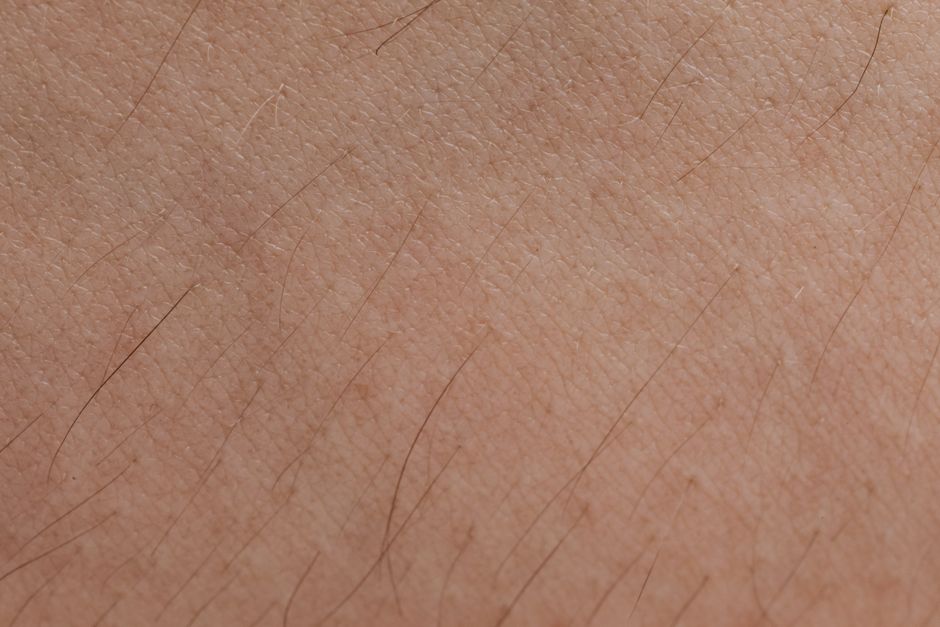
Understanding how beauty devices work helps beginners avoid unrealistic expectations and prevent common mistakes. Every hair removal method targets hair differently, which explains why pain levels, treatment schedules, and results vary so much between devices.
Understanding the Hair Growth Cycle
Hair grows in several phases: anagen (growth phase), catagen (transition phase), and telogen (resting phase). Most hair removal devices are most effective during the active growth phase because that is when the follicle contains the highest amount of pigment and activity.
This is why multiple sessions are required. Not all hairs grow at the same time, so consistent treatments are necessary to target follicles throughout different growth cycles.
IPL Hair Removal Explained for Beginners
IPL stands for Intense Pulsed Light. Instead of using a single laser wavelength, IPL devices emit broad-spectrum pulses of light that target pigment in the hair follicle. Over time, repeated treatments weaken the follicle and reduce regrowth.
Most beginners describe IPL as feeling like a warm snap against the skin rather than a painful sting. Devices with adjustable intensity levels help users gradually increase treatment strength as their comfort improves.
A beginner-friendly example is the KentDO™ Flash IPL Laser Hair Removal Device.

This type of device works especially well for beginners who want gradual long-term reduction while minimizing salon visits and shaving frequency.
Laser Hair Removal vs IPL: Which Hurts Less?
In general, IPL devices are considered less painful for beginners than traditional laser treatments. Laser devices use concentrated wavelengths with higher energy output, which can feel more intense on sensitive areas.
IPL devices are often preferred for:
- Lower pain levels
- Beginner-friendly operation
- Large treatment areas
- Convenient home use
- Gradual intensity progression
However, professional laser systems may deliver faster results for coarse hair and certain skin tones.
How Electric Epilators Remove Hair
Epilators mechanically remove hair from the root using rotating discs, springs, or threading systems. Unlike shaving, epilation delays regrowth because the follicle is temporarily emptied.
Although epilators can feel uncomfortable initially, many users report reduced sensitivity after several sessions. Facial epilators are especially popular for upper lips, chin areas, and fine facial hair.
How to Choose the Right Hair Removal Device for Your Skin Type

Skin type plays a major role in both comfort and effectiveness. Choosing the wrong device intensity or technology can increase irritation, redness, dryness, and ingrown hairs.
If you regularly experience irritation, consider building a recovery routine using products from the Skincare & Hydration collection and the Wellness & Relaxation collection to support skin barrier repair.
Best Devices for Sensitive Skin
Beginners with sensitive skin should prioritize:
- Adjustable power settings
- Cooling features
- Hypoallergenic materials
- Patch-test compatibility
- Lower-intensity modes
IPL devices with skin recognition sensors are often safer because they automatically adjust output based on skin contact and tone detection.
Best Devices for Thick or Coarse Hair
Coarse hair generally responds best to IPL and laser technologies because darker follicles absorb more light energy. However, users may need more sessions to achieve long-term reduction.
People with thick hair should avoid starting at the highest intensity immediately. Gradual progression reduces inflammation and discomfort.
Best Facial Hair Removal Devices for Women
Facial hair removal requires precision and gentle handling. Many beginners prefer manual or electric facial epilators for small treatment zones because they allow controlled movement and easy touch-ups.
The KentDO™ Facial Epilator – Smooth, Hair-Free Skin Anytime is a lightweight option commonly used for upper lip, chin, and cheek hair maintenance.

Gentle exfoliation and hydration afterward can help minimize temporary redness.
Devices That Work Best for Dark Skin Tones
Users with darker skin tones should always verify compatibility before purchasing IPL or laser devices. Some older systems struggle to distinguish between skin pigment and follicle pigment, increasing irritation risk.
Modern IPL systems with built-in skin sensors and multiple intensity levels are generally safer for broader skin tone ranges, but careful patch testing remains essential.
Pain Scale Comparison by Device Type
| Device | Typical Pain Score | Best Beginner Use |
| Electric Trimmer | 1/10 | Quick daily grooming |
| IPL Device | 2–4/10 | Long-term reduction |
| Facial Epilator | 4–6/10 | Small facial areas |
| Body Epilator | 5–7/10 | Extended smoothness |
| Professional Laser | 5–8/10 | Advanced treatments |
How to Use an IPL Hair Removal Device Safely at Home
Safe usage is the biggest factor separating successful beginner routines from irritation-filled experiences. Consistency and preparation matter far more than intensity.
Patch Testing Before Your First Session
Always perform a patch test at least 24 hours before your first full treatment. Apply the device to a small hidden area using the lowest intensity setting.
Watch for:
- Persistent redness
- Burning sensation
- Swelling
- Itching
- Excessive sensitivity
If irritation occurs, reduce intensity or discontinue use until consulting a skincare professional.
Pre-Treatment Skin Preparation Checklist
- Shave the area 12–24 hours before treatment
- Clean skin thoroughly
- Avoid heavy skincare products
- Remove self-tanner or oils
- Dry skin completely
- Avoid sun exposure before treatment
Many beginners combine their grooming routine with recovery tools from the Foot & Body Comfort collection to reduce post-treatment discomfort.
Step-by-Step IPL Routine for Beginners
- Start with the lowest intensity setting
- Hold the treatment window flat against the skin
- Move slowly across the treatment area
- Avoid overlapping flashes excessively
- Hydrate skin after treatment
- Use SPF daily if treating exposed areas
Consistency matters more than aggressive treatment settings. Most beginners achieve better long-term results by following regular schedules rather than increasing power too quickly.
Common Beginner Mistakes That Cause Irritation
- Using maximum intensity immediately
- Treating sunburned skin
- Skipping patch tests
- Overlapping flashes excessively
- Using harsh exfoliants after treatment
- Ignoring device cleaning
These mistakes can increase redness, sensitivity, and uneven results.
When to Avoid At-Home Hair Removal Devices
You should avoid IPL or laser treatments if you have:
- Active skin infections
- Open wounds
- Recent chemical peels
- Severe eczema flare-ups
- Recent sunburns
- Photosensitivity conditions
Pregnant users or those using prescription skincare medications should also consult a healthcare professional before beginning treatments.
Before-and-After Timeline: What Results Should Beginners Expect?
One of the most common frustrations among beginners is expecting instant permanent results. Hair removal devices require patience and consistent scheduling.
Results After the First Session
After the first IPL session, most users notice smoother skin and slower regrowth rather than dramatic hair disappearance. Hair may appear finer or softer within one to two weeks.
Hair Reduction After 4 to 8 Weeks
Consistent treatments typically produce visible reduction after four to eight weeks. Hair growth becomes patchier, finer, and easier to manage.
Users with darker hair often see results faster because pigment absorbs IPL energy more effectively.
Long-Term Maintenance Expectations
Even after successful reduction, occasional maintenance sessions are usually required. Hormones, genetics, and hair thickness all influence long-term regrowth patterns.
Most users transition to monthly or every-other-month maintenance after completing initial treatment cycles.
How Pain Levels Change Over Time
Beginners often report that discomfort decreases significantly after several sessions because hair density becomes lower and follicles weaken.
As routines become familiar, treatment speed also improves, reducing overall stress and hesitation.
How to Prevent Skin Irritation and Ingrown Hairs
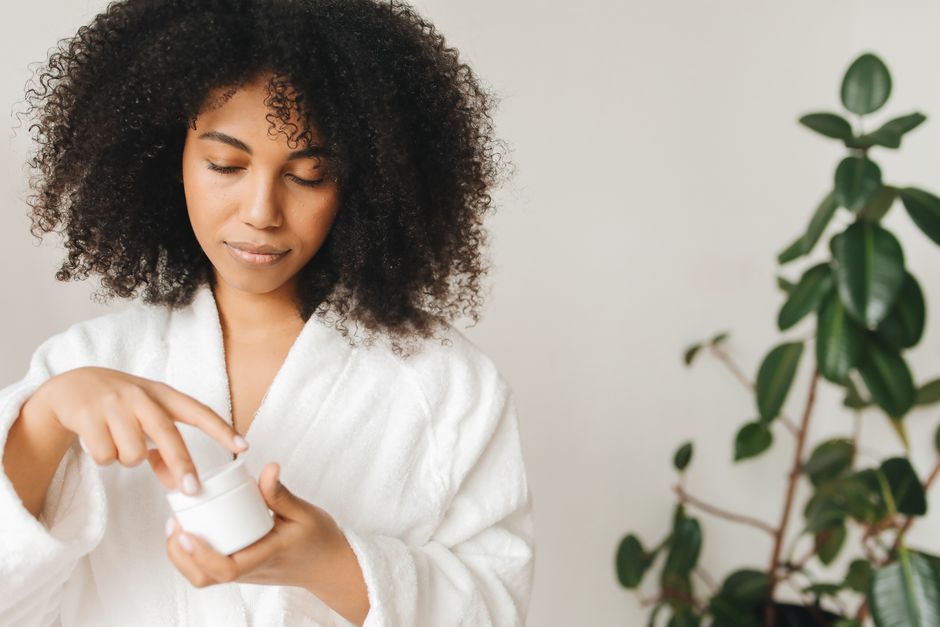
Preventing irritation is one of the most important parts of a successful beginner beauty routine. Proper aftercare can dramatically improve comfort and visible results.
Best Skincare Ingredients After Hair Removal
Look for calming and hydrating ingredients such as:
- Aloe vera
- Hyaluronic acid
- Panthenol
- Centella asiatica
- Ceramides
- Niacinamide
Gentle hydration routines from the Skincare & Hydration collection can help reinforce the skin barrier after treatments.
What to Avoid After Using Hair Removal Devices
- Hot showers
- Saunas
- Direct sun exposure
- Strong acids and retinoids
- Heavy exfoliation
- Tight clothing on treated areas
Allowing the skin barrier to recover reduces inflammation and prevents excessive dryness.
How to Calm Redness and Sensitivity Quickly
If redness occurs after treatment:
- Apply cool compresses
- Use fragrance-free moisturizer
- Avoid scratching treated areas
- Pause exfoliation for 48 hours
- Wear loose clothing
Temporary redness is common after hair removal, especially during the first few sessions.
Preventing Ingrown Hairs on Legs and Bikini Area
Ingrown hairs often develop when dead skin traps regrowing hair beneath the surface. Gentle exfoliation two to three times weekly can reduce this risk significantly.
Hydration and consistent skincare routines also improve follicle health and reduce friction.
How Often Should Beginners Use Hair Removal Beauty Devices?

Frequency depends on device type, hair thickness, and treatment goals.
Recommended Schedule for IPL Devices
Most beginner IPL routines follow this schedule:
- Weeks 1–6: Every two weeks
- Weeks 7–12: Every four weeks
- Maintenance: Every 1–3 months
Consistency is more important than increasing intensity too quickly.
How Frequently to Use Epilators
Epilators are usually used every two to four weeks depending on regrowth speed. Overusing epilators on sensitive areas can increase irritation and inflammation.
Weekly vs Monthly Maintenance Sessions
| Routine Type | Best Device | Purpose |
| Weekly | Trimmer | Quick grooming |
| Biweekly | IPL | Reduction phase |
| Monthly | IPL or epilator | Maintenance |
How to Clean and Maintain Hair Removal Devices Safely

Device hygiene is essential for preventing bacterial buildup, skin irritation, and reduced performance.
Users who organize multiple beauty tools often explore the Lifestyle collection and Gifts & Accessories collection for storage and organization solutions.
Cleaning IPL and Laser Device Heads
After each session:
- Turn off and unplug the device
- Allow the treatment window to cool
- Use a soft alcohol wipe
- Avoid abrasive materials
- Store in a dry environment
Dirty treatment windows can reduce light efficiency and increase skin irritation risk.
How to Sanitize Epilator Attachments
Removable epilator heads should be cleaned after every use. Many attachments can be rinsed or wiped using antibacterial solutions.
Never store damp attachments in sealed containers because trapped moisture encourages bacterial growth.
Storage Tips to Extend Device Lifespan
- Keep devices away from humidity
- Store cords loosely
- Avoid direct sunlight
- Use protective pouches
- Charge batteries regularly
Signs Your Device Needs Replacement
Common warning signs include:
- Reduced treatment effectiveness
- Damaged treatment windows
- Battery failure
- Overheating
- Irregular flashes
Replacing worn devices helps maintain safety and consistent performance.
Best Beginner-Friendly Hair Removal Devices for 2026
Beginners should prioritize safety, ease of use, and realistic maintenance expectations instead of focusing only on marketing claims.
Best Overall Painless IPL Device
IPL devices with multiple intensity levels, skin sensors, and beginner-friendly controls remain the most balanced option for long-term reduction with lower discomfort.
Best Budget-Friendly Hair Removal Device
Manual and electric facial epilators provide affordable entry points for users who want simple maintenance without committing to full IPL systems.
Best Device for Sensitive Skin
Sensitive skin users should prioritize devices with adjustable treatment settings and slower intensity progression.
Best Facial Hair Removal Tool
Compact facial epilators and threading systems continue to be popular for upper lip and chin maintenance because they allow targeted precision.
Best Low-Maintenance Device for Busy Users
IPL devices offer the lowest long-term maintenance because regrowth gradually slows after repeated sessions.
To explore additional wellness and recovery tools that complement grooming routines, browse the Wellness & Relaxation collection.
Beginner Mistakes to Avoid With At-Home Hair Removal Devices
Using the Wrong Intensity Level
Starting too aggressively is one of the biggest beginner mistakes. Low settings help skin adapt while minimizing irritation.
Skipping Skin Preparation
Dirty skin, leftover oils, and improper shaving routines can interfere with treatment effectiveness and increase discomfort.
Expecting Permanent Results Too Quickly
Hair reduction takes time. Most successful routines require several weeks or months before dramatic changes become visible.
Ignoring Device Maintenance
Unclean devices increase bacterial exposure and reduce performance quality. Maintenance is essential for safe long-term use.
Frequently Asked Questions
What is the best painless hair removal device for beginners?
IPL devices are usually the best beginner option because they balance long-term hair reduction with relatively low discomfort and easy at-home operation.
How do you use an IPL hair removal device safely at home?
Start with a patch test, shave beforehand, clean the skin thoroughly, begin on low intensity, and follow the recommended treatment schedule consistently.
Are at-home laser hair removal devices safe for sensitive skin?
Many modern devices are designed for sensitive skin, especially those with adjustable settings and skin sensors. Patch testing is still essential.
How often should beginners use hair removal beauty devices?
Most IPL devices are used every two weeks initially, while epilators are typically used every two to four weeks depending on regrowth.
How do you clean and maintain hair removal devices safely?
Clean treatment heads after each session using soft alcohol wipes, keep devices dry, and store them away from humidity and direct sunlight.
Does IPL hair removal hurt more than laser treatment?
IPL is generally considered less painful than traditional laser treatment because it uses broader light pulses with lower concentrated energy.
Can beginners use hair removal devices on the bikini area?
Yes, but beginners should use sensitive settings, patch test carefully, and avoid overly aggressive intensity levels.
What should you apply after using a hair removal device?
Use fragrance-free moisturizers and calming ingredients like aloe vera, ceramides, or hyaluronic acid to reduce irritation.
How long does it take to see results from at-home IPL devices?
Most users notice slower regrowth within several weeks, while more visible reduction often appears after four to eight weeks of consistent use.
Which hair removal device works best for coarse hair?
IPL and laser devices usually work best for coarse dark hair because the follicles contain more pigment for light absorption.
Conclusion
Painless hair removal becomes much easier when beginners choose the right device for their skin type, body area, and comfort level. IPL systems are often the best starting point for long-term reduction, while facial epilators and electric grooming tools provide flexible options for quick maintenance and precision areas.
Most importantly, successful results depend on consistency, patience, safe skincare habits, and realistic expectations. Building a complete routine with hydration, recovery, and maintenance tools can significantly improve comfort while reducing irritation and ingrown hairs.
For more beauty and self-care solutions, explore the Skin and Beauty Care Devices collection and browse the Beauty & Self-Care Blog for additional beginner-friendly skincare and grooming guides.
Pillar Article: Facial Beauty Tool Beginner Guide: Safe At-Home Skincare Device Routines for Every Skin Type













