

Percussion Massager Benefits: The Complete Guide to Muscle Recovery & Smart Buying
Muscle soreness after workouts, stiffness from long hours at a desk, and everyday stress are common problems in modern life. Percussion massagers—often called massage guns—have quickly become one of the most popular at-home recovery tools because they deliver deep muscle stimulation in minutes. But how do they actually work, and are the benefits real?
This guide breaks down the science behind percussion therapy, explains how to use it safely, and helps you choose the right device based on your needs. If you’re exploring broader recovery tools, you can also browse the Body Care and Health Devices collection for a full range of wellness solutions.
What Is a Percussion Massager? (Quick Explanation)

A percussion massager is a handheld device that delivers rapid pulses of pressure deep into muscle tissue. Unlike traditional massage, which relies on kneading or rubbing, percussion therapy uses high-frequency tapping motions to stimulate muscles, fascia, and circulation.
How Percussion Therapy Works
The device rapidly moves back and forth, typically between 1,200 and 3,200 percussions per minute. This action penetrates deep into muscle fibers, helping to:
- Loosen tight muscle knots
- Improve blood flow
- Reduce post-exercise soreness
- Enhance mobility
Percussion vs Vibration Therapy: Key Differences
| Feature | Percussion Therapy | Vibration Therapy |
| Depth | Deep muscle penetration | Surface-level stimulation |
| Intensity | High | Low to moderate |
| Best For | Recovery, knots, athletes | Relaxation, circulation |
Percussion is more effective for deep tissue recovery, while vibration therapy is better suited for gentle relaxation. Many users combine both approaches using tools from the Wellness & Relaxation collection.
Top Percussion Massager Benefits for Muscle Recovery
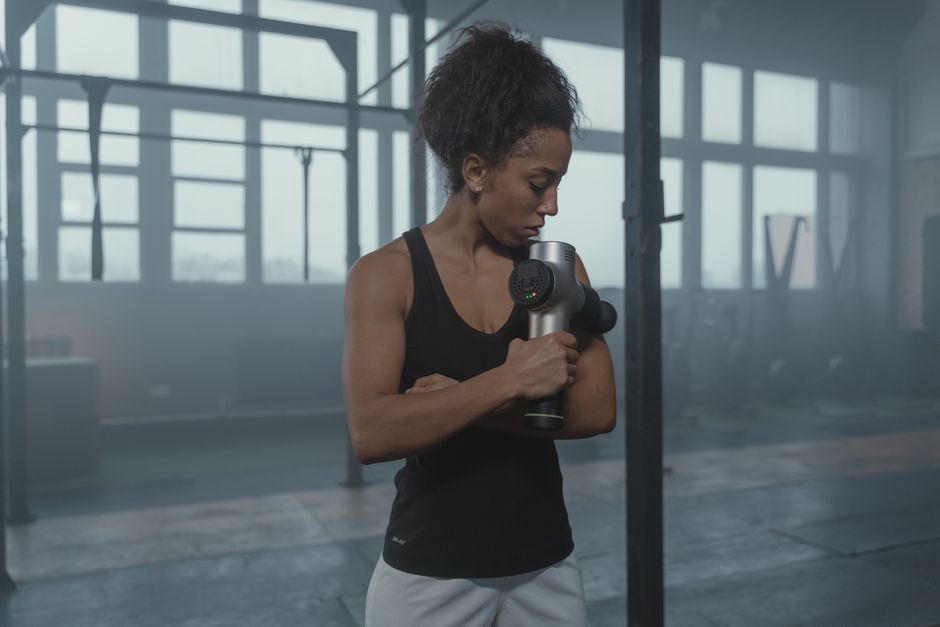
Faster Muscle Recovery & Reduced Soreness
After intense activity, muscles develop micro-tears that lead to soreness (DOMS). Percussion therapy increases blood flow, helping deliver oxygen and nutrients to speed up recovery.
Relief for Muscle Knots and Tightness
Muscle knots are caused by tight fascia and restricted circulation. Percussion massage helps break up these adhesions and restore normal movement.
Improved Circulation and Oxygen Flow
The rapid pulses stimulate blood vessels, improving circulation. This can help reduce swelling and promote faster healing.
Enhanced Range of Motion & Flexibility
Regular use can improve joint mobility and flexibility, making it easier to move without stiffness or discomfort.
Stress Reduction and Relaxation Effects
Beyond physical recovery, percussion therapy also activates the nervous system to reduce stress and promote relaxation—similar to spa treatments found in the Foot & Body Comfort collection.
Intensity-by-Goal Chart: How to Use Percussion Therapy Effectively
| Goal | Intensity Level | Duration | Best Use Case |
| Relaxation | Low | 30–60 seconds | Daily stress relief |
| Maintenance | Medium | 1–2 minutes | Active lifestyle |
| Deep Recovery | High | 2–3 minutes | Post-workout soreness |
Low Intensity: Recovery & Relaxation
Ideal for beginners or sensitive areas like the neck and shoulders.
Medium Intensity: Daily Muscle Maintenance
Best for general use to keep muscles loose and prevent stiffness.
High Intensity: Deep Tissue & Athletic Recovery
Used for larger muscle groups like quads and hamstrings after workouts.
Muscle Group Usage Map: Where and How to Apply a Massage Gun
Upper Body (Neck, Shoulders, Back)
Use gentle pressure and lower speeds. Avoid direct contact with the spine.
Lower Body (Quads, Hamstrings, Calves)
Apply moderate to high intensity depending on muscle size and soreness.
Sensitive Areas to Avoid
- Joints and bones
- Neck front area
- Injured or inflamed tissue
For additional recovery tools, many users combine percussion therapy with heat-based solutions from the Warmth & Heat Therapy collection.
How to Use a Percussion Massager Safely at Home
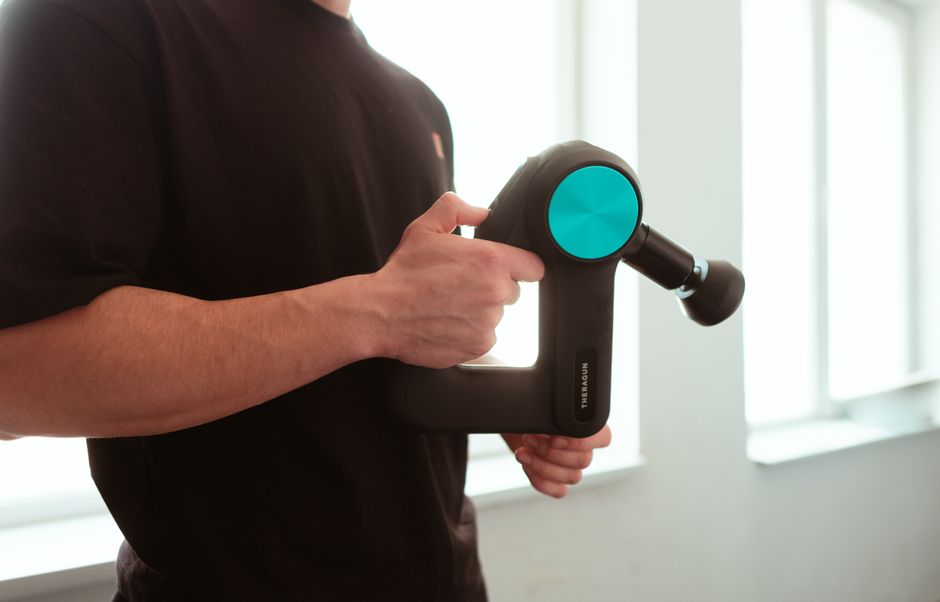
Step-by-Step Usage Guide
- Turn on the device at a low speed
- Place it gently on the muscle
- Move slowly across the muscle group
- Increase intensity gradually
Recommended Duration & Frequency
Use for 10–15 minutes per session. Avoid overuse on the same muscle group.
Common Mistakes to Avoid
- Applying too much pressure
- Using high intensity on sensitive areas
- Ignoring pain signals
Percussion Massager vs Traditional Massage: Which Is Better?
Cost, Convenience, and Accessibility
Percussion massagers provide on-demand relief at home without recurring costs.
Effectiveness for Deep Tissue Relief
While professional massage offers personalized treatment, percussion devices deliver consistent and targeted pressure.
For a complete home spa experience, you can explore complementary tools in the Skin and Beauty Care Devices collection.
Buying Guide: How to Choose the Best Percussion Massager
Power, Amplitude & Speed Settings
Higher amplitude means deeper muscle penetration. Adjustable speeds allow flexibility for different needs.
Attachments & Versatility
Different heads target specific muscle groups for better results.
Battery Life & Portability
Choose long-lasting batteries for travel or daily use.
Noise Level & Ergonomics
Quiet motors and comfortable grips improve usability.
Price vs Value: What You Actually Need
Focus on features that match your lifestyle rather than the highest price tag.
Example of a versatile device:
KentDO™ 42-Head Fascia Massage Gun – Deep Muscle Relief

This type of device is designed for full-body recovery, offering multiple attachments and adjustable speeds for personalized use.
Quick Selector: Which Massage Gun Is Right for You?
For Beginners
Look for lightweight models with simple controls and lower intensity levels.
For Athletes
Choose high-power devices with deep amplitude and multiple attachments.
For Office Workers & Stress Relief
Compact and quiet devices are ideal for daily relaxation and tension relief.
A compact example for daily use:
KentDO™ Whole Body Mini Massager

Frequently Asked Questions
What are the main percussion massager benefits for muscle recovery?
They help reduce soreness, improve circulation, and speed up muscle repair.
Does percussion therapy help muscle knots and tightness?
Yes, it helps release tension and improve flexibility by targeting deep muscle layers.
How do you use a percussion massager safely at home?
Start at low intensity, avoid sensitive areas, and limit sessions to 10–15 minutes.
What should you look for when choosing a vibration massage gun?
Consider power, attachments, battery life, and noise level.
Are percussion massagers effective for stress relief and circulation?
Yes, they stimulate blood flow and promote relaxation, making them useful for both physical and mental recovery.
Conclusion
Percussion massagers combine science-backed muscle recovery with the convenience of at-home use. Whether you're an athlete, a desk worker, or simply looking to relax, they offer a practical way to reduce soreness, improve mobility, and manage stress.
To build a complete recovery routine, consider pairing percussion therapy with other tools from the Lifestyle collection and explore more insights in the Body & Face Blog.
Pillar Article: Home Massage Equipment: Complete 2026 Buyer’s Guide for Stress Relief & Muscle Recovery













