

Personal Massage Devices: The 3-Step System to Choose the Perfect One
After long workdays, intense workouts, or even just hours spent sitting, muscle tension and fatigue can build up quickly. Many people turn to personal massage devices to relieve pain, improve circulation, and relax at home—but choosing the right one isn’t always easy. With so many types available (percussion guns, shiatsu massagers, compression boots, heat devices), it’s easy to feel overwhelmed.
This guide simplifies everything with a proven 3-step decision system. Instead of guessing, you’ll learn how to match the right massage device to your body, your needs, and your lifestyle—whether you're a beginner or looking to upgrade your recovery routine.
What Are Personal Massage Devices & Who Should Use Them?

Personal massage devices are tools designed to simulate therapeutic massage techniques—like kneading, tapping, vibration, compression, or heat—to relieve muscle tension and improve physical recovery. They bring spa-level comfort into your home, without the need for appointments.
You’ll find a wide range of options in collections like Body Care and Health Devices, which include solutions for different body areas and conditions.
Key Benefits: Pain Relief, Muscle Recovery, and Circulation Support
Massage devices work by stimulating muscles and soft tissue. This leads to several well-documented benefits:
- Improved blood circulation
- Reduced muscle soreness and stiffness
- Faster recovery after exercise
- Stress reduction and relaxation
- Support for chronic pain management
Heat-based options, often found in Warmth & Heat Therapy, enhance these benefits by relaxing muscles and increasing blood flow.
Common Use Cases: From Daily Tension to Post-Workout Recovery
Different people use massage devices for different reasons:
- Office workers: relieve neck, shoulder, and lower back tension
- Athletes: accelerate muscle recovery and reduce soreness
- Travelers: maintain comfort during long trips
- Chronic pain sufferers: manage ongoing discomfort
- Wellness seekers: create a spa-like relaxation routine at home
Many users combine massage tools with other wellness routines found in the Wellness & Relaxation collection.
The 3-Step System to Choose the Right Personal Massage Device
This is the simplest way to avoid confusion and choose correctly:
- Identify your body area
- Choose the right therapy type
- Match features to your lifestyle
Following this system ensures you don’t overpay or buy something that doesn’t solve your problem.
Step 1: Identify Your Body Area (Where Do You Need Relief?)
Start with your primary pain point:
- Neck & shoulders → compact shiatsu or heat massagers
- Lower back → lumbar support or percussion devices
- Legs → compression massagers
- Feet → reflexology or vibration massagers
For targeted solutions, explore Foot & Body Comfort tools.
Step 2: Choose the Right Therapy Type (What Kind of Relief?)
Each therapy type works differently:
- Percussion: deep tissue muscle recovery
- Shiatsu: kneading and relaxation
- Compression: circulation improvement
- Heat: muscle relaxation and pain relief
Step 3: Match Device Features to Your Lifestyle
Consider how and where you’ll use it:
- At home → larger, more powerful devices
- At work → quiet, compact designs
- Travel → portable and rechargeable options
Lightweight devices are often included in the Lifestyle collection.
Massage Device Types Explained (With Pros & Cons)
Percussion Massage Devices (Deep Tissue & Muscle Recovery)
Percussion devices use rapid pulses to penetrate deep muscle layers.
- Pros: Effective for athletes, deep knots, recovery
- Cons: Can be too intense for beginners
Shiatsu Massagers (Kneading & Relaxation)
These mimic hand massage using rotating nodes.
- Pros: Relaxing, beginner-friendly
- Cons: Less effective for deep tissue pain
Compression Massagers (Legs & Circulation)
These use air pressure to stimulate blood flow.
- Pros: Excellent for circulation and swelling
- Cons: Limited to legs/arms
Heat & Infrared Devices (Pain Relief & Relaxation)
Heat therapy enhances relaxation and reduces stiffness.
For example, the KentDO™ Neck & Shoulder Massager – Hot Compress Relief combines kneading with heat for effective tension relief.

This type of device is ideal for people dealing with daily stress, posture-related tension, or mild chronic pain.
Beginner vs Advanced Users: Which Path Should You Follow?
Best Personal Massage Devices for Beginners
If you're new, prioritize:
- Lower intensity levels
- Simple controls
- Built-in safety features
Shiatsu and heat-based devices are usually the safest starting point.
Advanced Users: High-Performance Devices for Targeted Therapy
Experienced users may prefer:
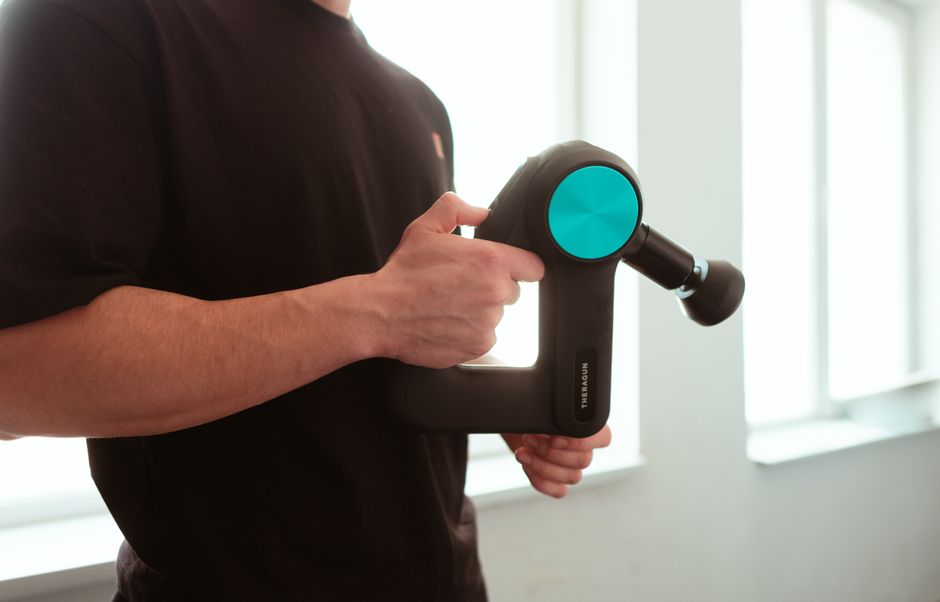
- Percussion guns
- Adjustable speed settings
- Interchangeable heads
These provide deeper muscle penetration and faster recovery.
How to Choose Based on Your Lifestyle (Real Scenarios)
Office Workers: Neck, Shoulder & Lower Back Relief
Long sitting hours cause stiffness and poor posture. Look for:
- Ergonomic design
- Heat function
- Quiet operation
Devices like heated neck massagers are ideal daily companions.
Athletes: Muscle Recovery & Performance Support
Recovery speed matters. Choose:
- Percussion devices
- High intensity range
- Durable build
Travelers: Compact & Portable Massage Solutions
For frequent travelers:
- Lightweight design
- Rechargeable battery
- Compact size
Many portable tools can be paired with essentials from Gifts & Accessories.
Key Features to Look for in Personal Massage Devices
Intensity Levels, Speed Settings & Customization
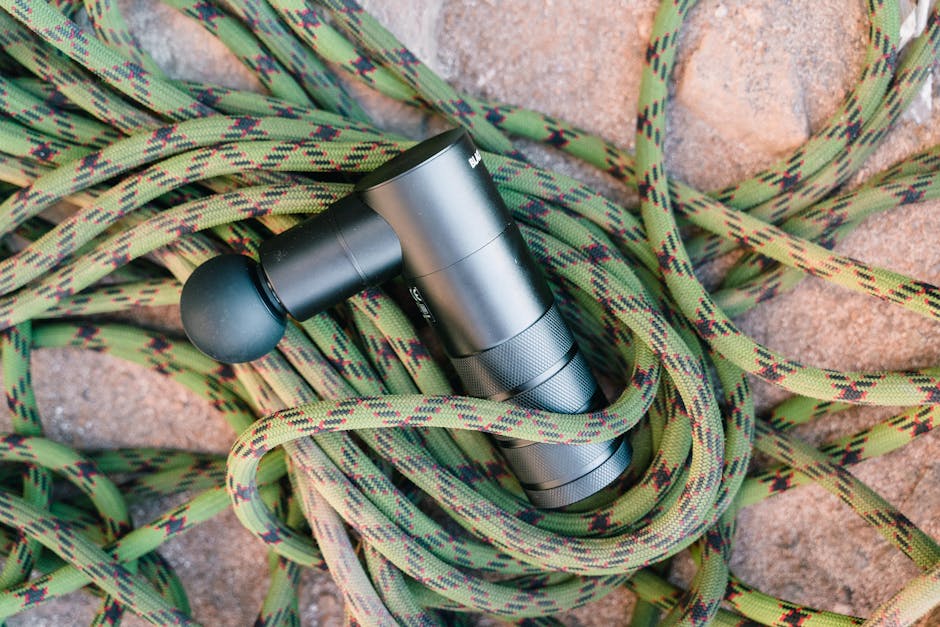
Adjustable settings help tailor the experience to your comfort level.
Ergonomic Design & Ease of Use
Devices should be easy to hold and reach difficult areas.
Portability, Battery Life & Noise Level
For convenience, prioritize long battery life and quiet operation.
Safety Guide: How to Use Massage Devices Without Risk
Who Should Avoid Certain Massage Devices?
Avoid use if you have:
- Severe injuries
- Inflammation
- Medical conditions requiring supervision
How Often Should You Use a Massage Device?
Most experts recommend:
- 10–15 minutes per session
- 1–2 times daily
Safe Use of Heated and Infrared Devices
Always:
- Use moderate heat levels
- Avoid prolonged exposure
- Monitor skin sensitivity
Comparison Table: Which Personal Massage Device Is Right for You?
| Device Type | Best For | Intensity | Portability |
| Percussion | Deep muscle recovery | High | Medium |
| Shiatsu | Relaxation & tension relief | Medium | Medium |
| Compression | Circulation & swelling | Low-Medium | Low |
| Heat Devices | Pain relief & relaxation | Low | High |
FAQs
How do I choose the right personal massage device for my specific pain?
Start with the body area, then match therapy type and features using the 3-step system.
Which massage device is best for beginners at home?
Shiatsu or heat-based devices are easiest and safest for beginners.
What features should I look for in personal massage devices?
Look for adjustable intensity, ergonomic design, portability, and quiet operation.
Are heated massage devices safe for daily use?
Yes, when used in moderation and according to instructions.
What is the best massage device for muscle recovery after workouts?
Percussion massagers are the most effective for deep muscle recovery.
Conclusion
Choosing the right personal massage device doesn’t have to be complicated. By following the 3-step system—body area, therapy type, and lifestyle—you can confidently find the perfect solution for your needs.
Whether you’re relieving daily tension, improving recovery, or creating a home spa experience, the right device can make a meaningful difference in your comfort and well-being.
To explore more options, browse the Body Care and Health Devices collection and discover tools designed to support your health and relaxation journey.
Pillar Article: Home Massage Equipment: Complete 2026 Buyer’s Guide for Stress Relief & Muscle Recovery













