

Massage Stress Relief: Best Devices, Routines & Expert Tips (2026 Guide)
Modern stress doesn’t just stay in your mind—it settles into your body. Long hours at a desk, constant screen exposure, poor posture, and lack of recovery time all contribute to tight shoulders, stiff lower back, and chronic fatigue. Over time, this physical tension becomes a loop: stress creates muscle tightness, and tight muscles intensify stress signals in the nervous system.
That’s where modern massage devices come in. From percussion therapy to heat-based relaxation tools, today’s portable massage devices are designed to help reset your body’s stress response, improve circulation, and support faster recovery—without needing professional sessions every time.
This guide breaks down how stress builds in the body, how massage therapy helps, and how to choose the right devices and routines for daily relief. Whether you're managing work fatigue, anxiety tension, or post-workout soreness, understanding these tools can help you build a more consistent recovery system at home.
Why Stress Builds Up in the Body: The Science Behind Physical Tension

Stress is not just psychological—it triggers measurable physical reactions. When the body experiences stress, it activates the sympathetic nervous system, commonly known as the “fight or flight” response. This leads to muscle tightening, faster heart rate, and reduced blood flow to non-essential functions like digestion and recovery.
Cortisol, Nervous System Response, and Muscle Tightness
When cortisol levels remain elevated for long periods, muscles stay in a semi-contracted state. This is why people often feel tightness in the neck, shoulders, and lower back during stressful periods. Over time, this tension becomes chronic and reduces mobility.
How Chronic Stress Affects Circulation and Recovery
Poor circulation slows oxygen delivery to muscles, making recovery slower and increasing fatigue. This is why stress often feels physical—you are literally experiencing reduced muscular recovery efficiency.
How Massage Therapy Helps Reduce Stress Naturally
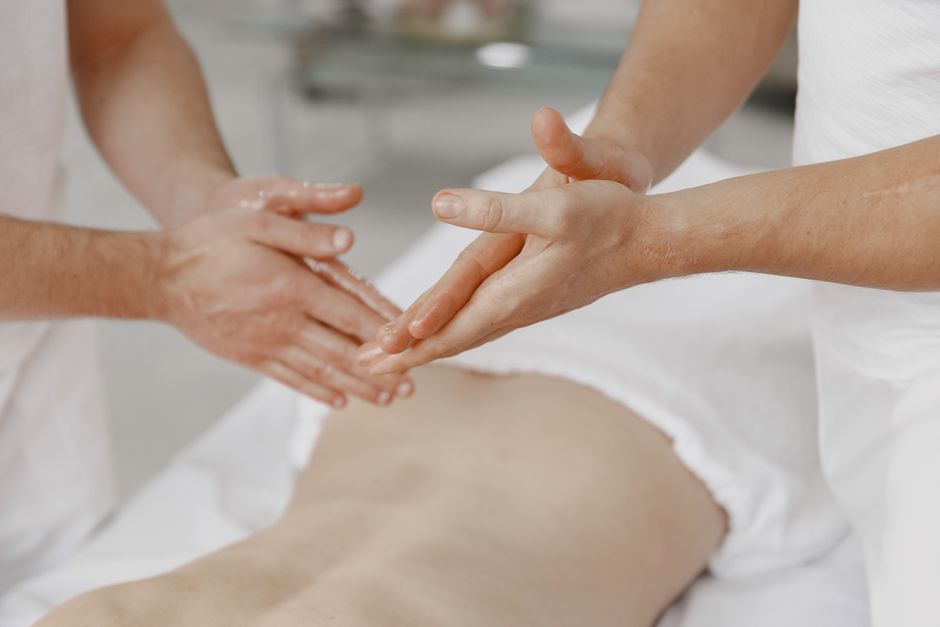
Massage therapy works by shifting the body from a stress-driven state into a recovery-driven state. It influences both the nervous system and muscular system simultaneously.
Activation of the Parasympathetic Nervous System
Gentle or deep-pressure massage stimulates the parasympathetic nervous system, which is responsible for rest, digestion, and recovery. This helps lower heart rate and reduce cortisol levels naturally.
Muscle Tension Relief and Circulation Improvement
Massage increases localized blood flow, helping oxygen and nutrients reach tight muscles. This supports faster recovery and reduces stiffness caused by prolonged sitting or physical strain.
Emotional Benefits and Anxiety Relief Techniques
Beyond physical relief, massage therapy also reduces mental fatigue. Rhythmic pressure and vibration can calm overactive thought patterns and support emotional regulation.
“Consistent massage therapy helps regulate the nervous system by signaling safety to the brain, which reduces both physical and emotional stress responses.” — Clinical recovery specialist insight
Types of Massage Devices for Stress Relief at Home
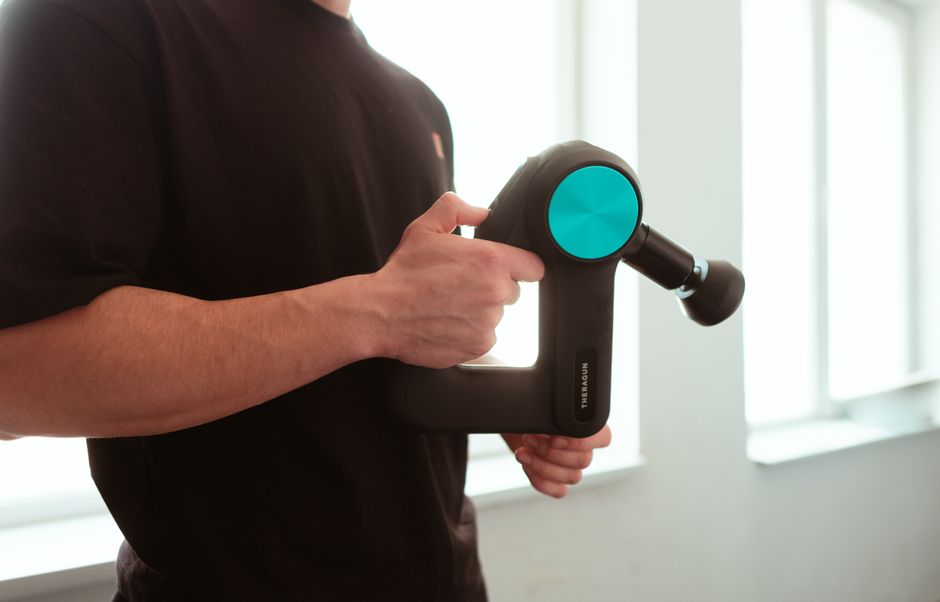
Different massage devices target different layers of stress. Some focus on deep muscle recovery, while others support relaxation and nervous system calming. Choosing the right category depends on your lifestyle and stress pattern.
Percussion Massagers for Deep Muscle Release
Percussion devices deliver rapid pulses into muscle tissue, helping break up tight knots and improve deep circulation. They are commonly used after workouts or long periods of physical strain.

KentDO Portable Fascia Gun is a compact percussion-style device designed for full-body recovery, especially useful for neck, shoulders, and back tension relief.
Vibration Therapy Devices for Daily Relaxation
Vibration-based tools focus on rhythmic stimulation rather than deep impact. They are ideal for daily stress management and light muscle relaxation after work or study.
Infrared Heat Therapy for Stress and Recovery
Heat therapy helps expand blood vessels, improving circulation and relaxing stiff muscles. It is especially useful for chronic back tension and cold-induced stiffness.
Scalp Massage Therapy Tools for Anxiety Relief
Scalp massage devices stimulate nerve endings that are closely linked to relaxation responses in the brain. They are commonly used for anxiety reduction and sleep support.
Best Massage Routines for Stress Relief (Daily, Recovery, Sleep)

Consistency matters more than intensity when it comes to stress relief. Short daily routines are often more effective than occasional long sessions.
Morning Routine: Energy and Focus Activation
Use light percussion or vibration therapy for 2–3 minutes on shoulders and upper back to stimulate circulation and reduce stiffness from sleep posture.
Workday Stress Reset Routine
A quick neck and shoulder massage during breaks helps reset posture fatigue and reduces mental overload caused by prolonged screen exposure.
Post-Workout Recovery Routine
Focus on large muscle groups like thighs, calves, and lower back to reduce soreness and speed up lactic acid breakdown.
Sleep Optimization Routine for Deep Relaxation
Use gentle vibration or heat therapy on the neck and upper back before bed to activate parasympathetic response and improve sleep quality.
How to Choose the Right Device Based on Your Stress Type

Choosing a massage device depends on whether your stress is mental, physical, or lifestyle-based. A mismatch often leads to underwhelming results, while the right match significantly improves recovery outcomes.
| Stress Type | Best Device Type | Key Benefit |
| Muscle tightness from sitting | Percussion massager | Deep tissue release |
| General daily stress | Vibration or roller device | Relaxation and circulation |
| Chronic back fatigue | Heat + massage combo | Muscle relaxation and warmth |
| Anxiety and mental fatigue | Scalp or light massage tools | Nervous system calming |

Cordless Roller Body Massager is ideal for users who want a simple, travel-friendly option for daily muscle relaxation and circulation improvement.
Expert Tips for Maximizing Stress Relief Results
Massage devices work best when integrated into a structured routine rather than used randomly. Small adjustments can significantly improve results.
Timing, Frequency, and Consistency Rules
Short daily sessions (10–15 minutes) are more effective than occasional long sessions because they maintain nervous system balance consistently.
Combining Massage with Breathing and Mindfulness
Deep breathing during massage enhances parasympathetic activation, improving relaxation response and reducing cortisol more effectively.
Avoiding Common Mistakes with Massage Devices
Avoid excessive pressure on sensitive areas, overuse on inflamed muscles, and inconsistent usage patterns that reduce long-term benefits.
Stress Management Routines Beyond Massage
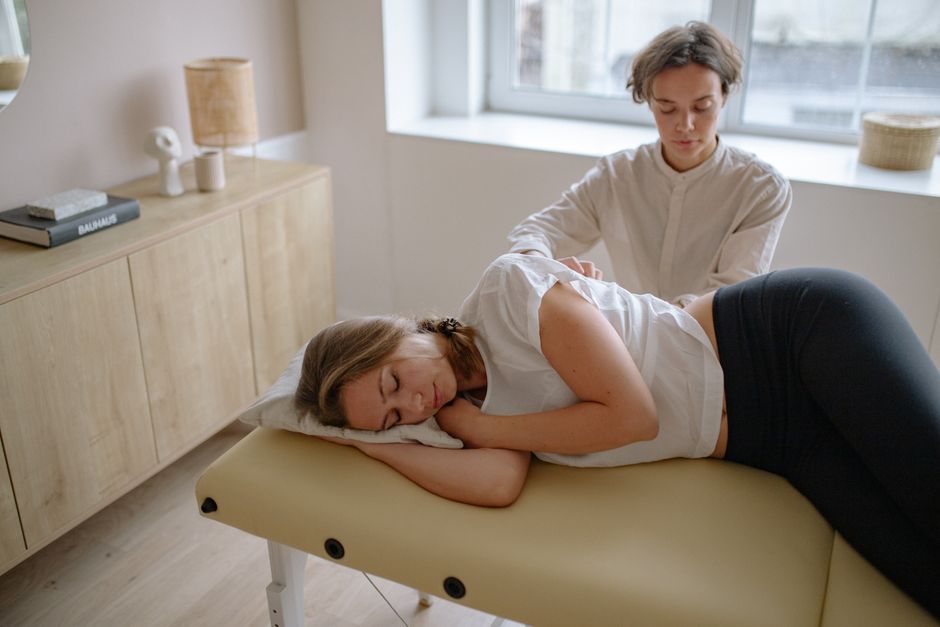
Massage is most effective when combined with broader lifestyle habits that support recovery and emotional balance.
Movement, Stretching, and Recovery Habits
Light stretching and walking help maintain circulation and prevent stiffness from returning after massage sessions.
Sleep Optimization and Recovery Cycles
Proper sleep cycles enhance muscle repair and reduce stress accumulation throughout the day.
Daily Stress Regulation Techniques
Simple practices like short breaks, posture correction, and hydration help reduce long-term stress buildup.
Explore more recovery solutions in our Body Care and Health Devices collection or discover relaxation essentials in the Wellness & Relaxation collection. For comfort-focused tools, the Foot & Body Comfort collection offers additional recovery options.
FAQ
How does massage help with stress relief?
Massage reduces cortisol levels, improves circulation, and activates the parasympathetic nervous system, helping the body shift into a relaxed state.
What are the best massage devices for stress relief at home?
Percussion massagers, vibration rollers, and heat-based devices are commonly used for at-home stress relief depending on muscle tension levels.
How often should I use a massager to reduce stress?
Daily short sessions of 10–15 minutes are typically more effective than infrequent long sessions.
Can scalp massagers help with anxiety and relaxation?
Yes, scalp stimulation can help activate relaxation pathways in the nervous system and reduce mental fatigue.
What type of massage is best for daily stress management?
Light vibration or gentle percussion massage is ideal for daily use without overloading the muscles.
Conclusion
Stress management is not a single action—it is a system of recovery habits supported by consistent physical relief. Massage devices provide a practical way to interrupt tension cycles, improve circulation, and help the nervous system return to balance.
When combined with proper routines, sleep, and movement habits, these tools become part of a long-term wellness strategy rather than a temporary fix. The key is consistency and choosing the right device for your stress pattern.
For continued recovery support, explore the full range of wellness tools in the Lifestyle collection or browse seasonal recovery essentials in the Wellness & Relaxation collection.
Pillar Article: How to Choose the Best Home Massage System for Stress Relief, Recovery & Daily Comfort













