Professional Nail Care Tools: The Complete At-Home Salon Guide for 2026
Professional-quality nail care at home has become more popular than ever, but many DIY manicure routines still lead to splitting, peeling, over-buffing, and damaged cuticles. In most cases, the problem is not motivation—it is using the wrong tools, poor sanitation habits, or aggressive techniques that weaken the nail plate over time.
Building a salon-inspired nail routine does not require expensive equipment or complicated treatments. With the right professional nail care tools, a safe workflow, and consistent hygiene practices, beginners can achieve cleaner shaping, healthier cuticles, smoother finishes, and longer-lasting results from home.
Readers exploring modern nail care routines often browse the Nail Care Devices collection for beginner-friendly tools and portable manicure solutions designed for home use.
Many users also combine nail maintenance routines with products from the Skin and Beauty Care Devices collection to support hydration, self-care, and overall grooming consistency.
Why Professional Nail Care Tools Matter for Healthy Salon-Quality Results
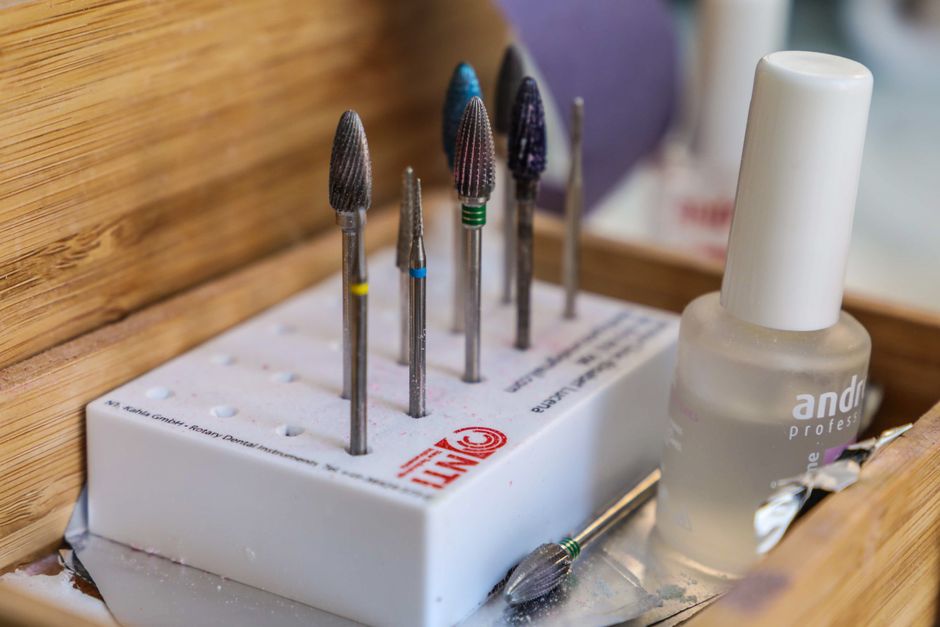
Professional nail care tools are designed to improve precision, reduce unnecessary pressure on the nail plate, and create safer manicure routines for long-term nail health. Unlike low-quality grooming tools that dull quickly or create jagged cuts, professional-grade tools focus on cleaner edges, ergonomic handling, sanitation compatibility, and controlled shaping.
How Professional Nail Tools Improve Nail Health and Appearance
High-quality nail tools help prevent common problems such as peeling, cracking, rough edges, and cuticle tearing. Stainless steel clippers maintain sharper edges longer, reducing crushing pressure during trimming. Glass nail files seal the nail edge more smoothly than coarse emery boards, helping minimize splitting.
Professional buffer blocks also improve shine without excessive friction when used correctly. Combined with nourishing oils and hydration treatments, these tools support stronger and healthier natural nails.
People focused on complete beauty maintenance routines often explore the Hair, Skin & Nai Blog for additional self-care education and grooming techniques.
The Most Common DIY Nail Care Mistakes That Damage Nails
- Over-buffing the nail surface until nails become thin and flexible
- Using dull clippers that crack or tear nails
- Filing back and forth aggressively instead of shaping gently in one direction
- Cutting living cuticle tissue too deeply
- Sharing unsanitized manicure tools
- Using electric nail drills at excessive speed
- Ignoring hydration and daily cuticle care
One of the biggest causes of brittle nails is repeated mechanical trauma from improper filing and clipping techniques. Small mistakes performed consistently can weaken nails over time.
What Makes a Nail Tool “Professional Grade” in 2026
Modern professional nail care tools prioritize precision, hygiene, ergonomics, and durability. In 2026, professional-grade nail tools typically feature:
| Feature | Why It Matters |
| Stainless steel construction | Improves hygiene and rust resistance |
| Tempered glass files | Reduces nail splitting |
| Fine grit buffer systems | Prevents over-thinning |
| Ergonomic handles | Improves control and comfort |
| Adjustable electric drill speeds | Safer for beginners |
| Dust collection systems | Keeps workspace cleaner |
| LED visibility lighting | Supports precision trimming |
Essential Professional Nail Care Tools Every Beginner Needs
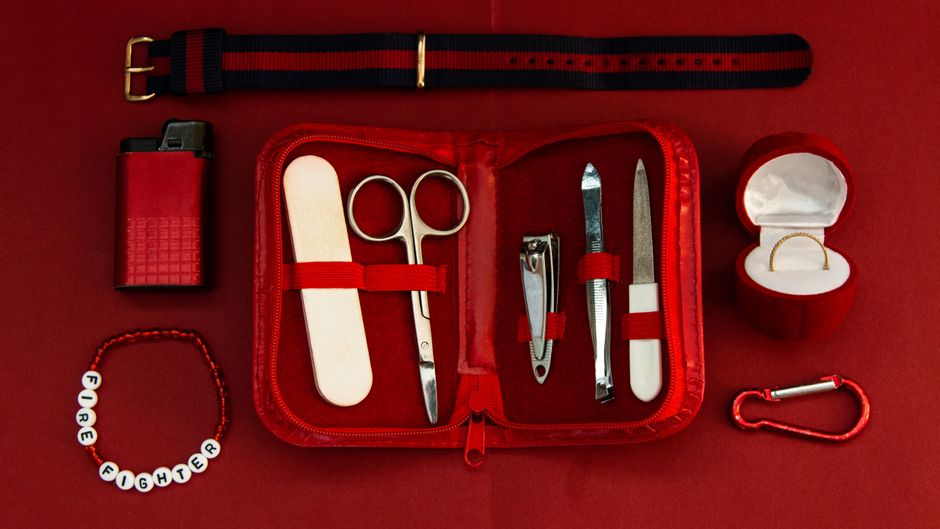
A beginner-friendly manicure setup should focus on safe, versatile, and easy-to-maintain tools rather than complicated salon equipment. Starting simple often leads to better technique and healthier nails.
Stainless Steel Nail Clippers for Precision Trimming
Professional stainless steel clippers create cleaner cuts with less compression. Curved-edge clippers are commonly used for fingernails, while straight-edge clippers help reduce ingrown toenail risk.
Beginners should avoid trimming nails too short because overly deep cuts can expose sensitive skin and increase irritation.
For users seeking gentler trimming support, especially seniors or beginners, the Electric Nail Clipper with LED Light for Safe, Easy Care provides a beginner-friendly enclosed trimming system.

Glass Nail File vs Emery Board: Which Is Better?
Glass nail files are generally gentler on natural nails because they create finer shaping motions and help seal the nail edge more smoothly. Emery boards remain useful for quick shaping, but coarse grit boards may increase splitting if used aggressively.
| Tool | Best For | Potential Drawback |
| Glass nail file | Natural nails and brittle nails | Can break if dropped |
| Emery board | Quick shaping | Wears out faster |
| Metal file | Artificial nails | Too harsh for weak nails |
How to Use a Nail Buffer Block Without Damaging Nails
Buffer blocks usually contain multiple grit levels designed to smooth ridges and increase shine gradually. The safest approach is to use light pressure and avoid repeated passes over the same area.
Most natural nails only require buffing once every two to four weeks. Over-buffing can thin the nail plate and increase sensitivity.
Cuticle Nippers and Pushers Explained
Healthy cuticles protect the nail matrix from bacteria and irritation. Instead of aggressively cutting cuticles, soften them first using warm water or cuticle oil before gently pushing them back.
Professional cuticle nippers should only trim loose dead skin—not living tissue.
Why Cuticle Oil Is Essential for Nail Strength
Hydrated nails bend more effectively without cracking. Dry nails become rigid and brittle, increasing the likelihood of splitting.
Cuticle oils containing jojoba oil, vitamin E, or keratin-supporting ingredients help improve flexibility and reduce dryness around the nail folds.
Professional Manicure Kits: What Should Be Included?
A balanced beginner manicure kit should include:
- Stainless steel nail clippers
- Glass nail file
- Buffer block
- Cuticle pusher
- Cuticle nippers
- Cuticle oil
- Nail brush
- Sanitizing spray
- Storage case
Many beginners start by browsing the Body Care and Health Devices collection to build a practical self-care toolkit without overcomplicating their routine.
Explore safe beginner-friendly nail trimming tools
How to Build a Professional At-Home Nail Care Routine Step by Step

Consistency matters more than complexity. A professional-looking manicure routine is really a repeatable system focused on hygiene, shaping, hydration, and protection.
Step 1: Sanitize Your Tools and Workspace
Before beginning, wash hands thoroughly and disinfect tools using alcohol-based sanitizing spray or approved disinfectant solutions.
Clean towels, proper lighting, and a dust-free workspace reduce contamination risks and improve precision.
Step 2: Trim and Shape Nails Correctly
Trim nails gradually rather than removing large sections at once. Shape edges using gentle strokes in one direction.
Popular beginner-friendly nail shapes include:
- Squoval
- Soft round
- Oval
- Short almond
These shapes reduce snagging and stress fractures compared to overly sharp edges.
Step 3: Care for Cuticles Safely
Soak nails briefly in warm water to soften surrounding skin. Apply cuticle oil before gently pushing back excess cuticle tissue.
Avoid deep trimming because damaged cuticles increase infection risk.
Step 4: Buff, Smooth, and Strengthen the Nail Surface
Use the least abrasive grit possible. Buff lightly across the surface to smooth ridges without removing excessive layers.
Professional nail technicians often recommend limiting shine buffing to occasional maintenance rather than weekly use.
Step 5: Apply Nail Treatments and Hydration
Hydration is essential for recovering weak or peeling nails. Use nourishing oils, strengthening treatments, and moisturizing creams consistently.
People with dry hands often pair nail care with items from the Skincare & Hydration collection to improve overall skin barrier health.
Step 6: Finish With Long-Lasting Protection
A strengthening base coat or protective top coat helps shield nails from water exposure and daily friction. UV lamps may improve gel polish durability, but beginners should learn safe curing times and avoid overexposure.
Explore more home manicure tools and nail care devices
How to Use an Electric Nail Drill Safely at Home

Electric nail drills can save time and improve shaping efficiency, but they must be used carefully. Incorrect speeds or aggressive pressure can thin natural nails quickly.
What an Electric Nail Drill Actually Does
Electric nail drills use rotating attachments called bits to shape, smooth, refine, or remove nail material. Different bits serve different purposes:
| Bit Type | Primary Use |
| Mandrel bit | Sanding bands and shaping |
| Ceramic bit | Gentler smoothing |
| Diamond bit | Cuticle area refinement |
| Buffer bit | Surface finishing |
Best Beginner-Friendly Nail Drill Speeds and Attachments
Beginners should work at lower RPM settings until they develop better control.
- 3,000–6,000 RPM: natural nail work
- 6,000–10,000 RPM: gentle shaping and smoothing
- Higher speeds: advanced users only
Fine grit sanding bands and ceramic bits are often safer for new users because they create less friction.
How to Prevent Heat Damage and Nail Thinning
Keep the drill moving constantly rather than holding it in one spot. Excess friction generates heat quickly and can weaken the nail plate.
Using light pressure is more important than speed. Let the bit perform the work instead of pressing aggressively.
Electric Nail Drill Mistakes to Avoid
- Using coarse bits on natural nails
- Holding the bit still too long
- Using maximum RPM immediately
- Skipping sanitation between uses
- Removing too much nail surface
- Using damaged or worn drill bits
For users interested in cleaner electric grooming systems, the Electric Nail Clipper with Polisher & LED Dust Collector combines trimming, polishing, and debris collection in a compact beginner-friendly design.

The Best Nail Care Workflow for Brittle, Weak, or Peeling Nails
Weak nails usually require a recovery-focused routine rather than aggressive cosmetic treatments. Patience and consistency matter more than intensive buffing or repeated polish changes.
Signs Your Nails Need a Recovery Routine
- Frequent peeling layers
- Horizontal splitting
- Soft flexible nail tips
- Ridges and thinning
- Excessive dryness
- Pain during buffing or filing
The Ideal Brittle Nail Repair Routine
- Reduce exposure to harsh chemicals
- Pause excessive buffing
- Use gentle glass nail files
- Apply cuticle oil daily
- Wear gloves during cleaning tasks
- Use strengthening treatments sparingly
- Keep nails slightly shorter during recovery
Best Nail Care Tools for Sensitive or Damaged Nails
People with damaged nails benefit from gentler tools such as:
- Fine grit files
- Tempered glass files
- Soft buffer blocks
- Low-speed electric trimmers
- Hydrating cuticle applicators
Low-friction tools help reduce further trauma while nails recover naturally.
How Keratin Nail Treatments Support Stronger Nails
Keratin treatments temporarily reinforce weakened nail surfaces and may reduce splitting in some users. However, hydration and reduced mechanical damage remain the most important long-term strategies.
Many users combine nail strengthening routines with products from the Wellness & Relaxation collection to support broader self-care habits and stress reduction.
How to Trim Thick Toenails Safely at Home

Thick toenails require additional caution because excessive force can cause cracking, discomfort, or uneven cuts.
Why Thick Toenails Require Specialized Tools
Thicker nails create greater resistance during trimming. Professional heavy-duty clippers improve leverage and reduce the amount of pressure needed.
Electric trimmers may also help users who struggle with hand strength or visibility.
Choosing the Right Thick Toenail Trimmer
| Tool Type | Best Use |
| Straight-edge heavy-duty clipper | Thick toenails |
| Electric trimmer | Sensitive users and seniors |
| Wide-jaw clipper | Extra-thick nail edges |
Safe Thick Toenail Cutting Technique
- Soak feet in warm water for 10–15 minutes
- Dry thoroughly
- Trim small sections gradually
- Cut straight across
- Use a file to smooth corners gently
- Moisturize surrounding skin afterward
When to Avoid DIY Toenail Care
Seek professional medical guidance if nails are severely discolored, painful, infected, bleeding, or extremely thickened. People with diabetes or circulation concerns should use extra caution during foot care.
Supportive recovery and comfort products are commonly paired with routines from the Foot & Body Comfort collection.
Professional Nail Tool Sanitation and Hygiene Checklist
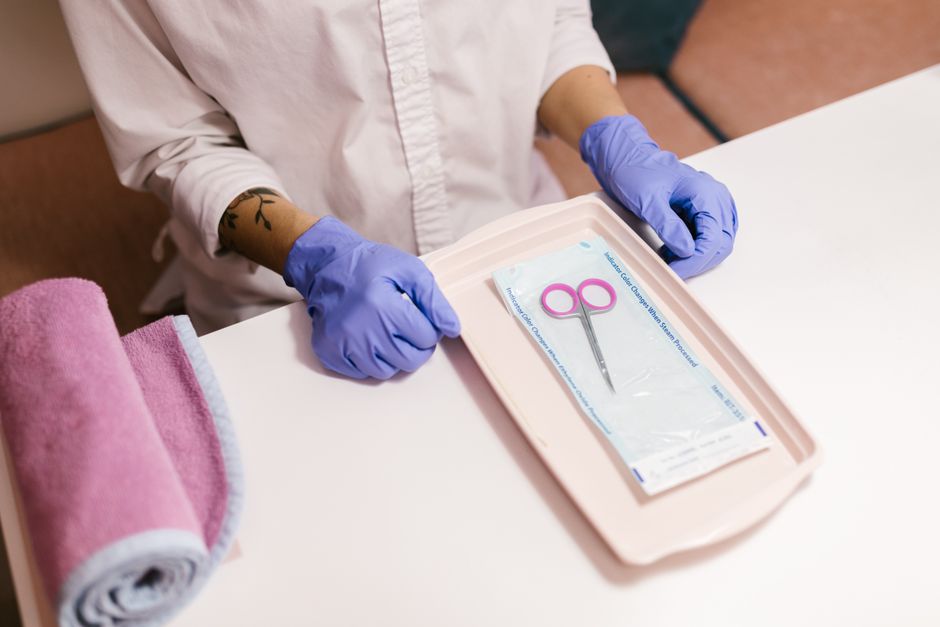
Sanitation is one of the most overlooked aspects of home nail care. Proper cleaning protects both nail health and tool longevity.
How Often Should You Sanitize Manicure Tools?
Professional-style sanitation should occur:
- After every personal use
- Immediately after contact with broken skin
- Before sharing tools
- Monthly for deep cleaning and inspection
The Best Ways to Clean Metal, Glass, and Electric Nail Tools
| Tool Material | Cleaning Method |
| Stainless steel | Alcohol or disinfectant soak |
| Glass files | Warm water and soap |
| Electric tools | Brush debris and wipe exterior carefully |
| Buffer blocks | Replace regularly |
Storage Tips That Prevent Rust and Bacteria Growth
- Store tools completely dry
- Use breathable storage pouches
- Avoid humid bathroom drawers
- Separate clean and used tools
- Replace worn buffer blocks regularly
A Weekly and Monthly Nail Tool Maintenance Schedule
| Frequency | Task |
| Weekly | Sanitize tools and inspect edges |
| Biweekly | Wash storage cases |
| Monthly | Replace worn files and buffers |
| Quarterly | Inspect electric tool attachments |
How to Choose the Right Professional Nail File Set

Choosing the correct nail file set depends on nail condition, desired finish, and sensitivity level.
Understanding Nail File Grit Levels
| Grit Range | Purpose |
| 80–100 | Artificial nail shaping |
| 180 | General shaping |
| 240+ | Natural nails and smoothing |
| 400+ | Buffing and shine finishing |
Glass, Crystal, Metal, and Emery Nail Files Compared
Glass and crystal files are usually preferred for natural nails because they create finer edges and less splitting. Metal files work best for artificial materials and tougher shaping jobs.
Best Nail Files for Natural Nails vs Gel Nails
Natural nails typically respond best to fine-grit glass files or 240-grit emery boards. Gel nails may require slightly coarser grit levels for reshaping and polish removal.
Beginner Decision Tree: Which Nail File Should You Buy?
- Weak nails → fine glass file
- Gel nails → medium grit emery board
- Travel kit → compact crystal file
- Sensitive nails → extra-fine grit file
- Heavy shaping → reinforced emery board
Beginners researching safer self-care routines frequently browse the Beauty & Self-Care Blog for practical tutorials and maintenance advice.
View additional nail care tools and manicure accessories
Travel-Friendly Professional Nail Care Kits for On-the-Go Maintenance

Portable nail kits help maintain hygiene and nail appearance during travel without carrying bulky salon equipment.
What to Pack in a Minimal Nail Care Travel Kit
- Compact nail clipper
- Mini glass file
- Travel cuticle oil
- Buffer strip
- Alcohol wipes
- Protective pouch
TSA-Friendly Nail Grooming Tools and Storage Tips
Shorter files and compact grooming tools are usually easier to pack safely. Protective storage helps prevent damage and contamination during travel.
Compact Multi-Tool Nail Kits Worth Considering
Portable electric trimmers and compact grooming systems can simplify travel nail care by reducing clutter and improving convenience.
Travel-oriented self-care shoppers often explore the Lifestyle collection for compact daily wellness accessories and portable grooming essentials.
Professional Nail Care Tool Buying Guide for 2026
Buying professional nail tools is less about luxury branding and more about selecting safe, durable, easy-to-maintain equipment that matches your skill level.
The Best Materials for Long-Lasting Nail Tools
- Stainless steel for clippers and nippers
- Tempered glass for files
- Ceramic drill bits for gentler smoothing
- ABS housing for lightweight electric devices
Features Beginners Should Prioritize
| Feature | Benefit |
| LED visibility | Improves accuracy |
| Low-speed control | Safer for natural nails |
| Dust collection | Cleaner workspace |
| Ergonomic grip | Reduces hand fatigue |
| Compact storage | Better organization |
Budget vs Premium Nail Tool Sets
Budget sets may work for occasional grooming, but professional-grade tools generally maintain sharper edges, smoother surfaces, and better durability over time.
Premium systems also tend to offer better sanitation compatibility and safer ergonomic design.
When It Is Worth Upgrading to Professional Equipment
Upgrading becomes worthwhile when:
- You perform regular at-home manicures
- You experience repeated nail splitting
- You want salon-style finishes
- You need gentler trimming support
- You value sanitation and longevity
Users seeking safer electric trimming support often consider the KentDO™ Electric Automatic Nail Clipper for its enclosed design, debris collection, and beginner-friendly handling.

Frequently Asked Questions
What professional nail care tools do beginners need at home?
Beginners should start with stainless steel nail clippers, a glass nail file, a buffer block, cuticle oil, a cuticle pusher, and sanitizing supplies.
How do you do professional nails at home safely?
Use sanitized tools, avoid over-buffing, file gently in one direction, hydrate cuticles daily, and use electric tools carefully at low speed.
What is the best home nail care routine for brittle nails?
Keep nails shorter, avoid aggressive filing, use hydrating oils consistently, wear gloves during cleaning, and minimize mechanical stress.
How often should you sanitize manicure tools?
Tools should be sanitized after every use and deep-cleaned regularly to prevent bacteria buildup.
How do you choose the right professional nail file set?
Select grit levels based on nail type. Fine glass files work best for natural nails, while coarser grit files are better suited for artificial enhancements.
Can electric nail drills damage natural nails?
Yes, excessive speed, pressure, or improper bits can thin natural nails. Beginners should use low RPM settings and gentle attachments.
What is the safest way to trim thick toenails at home?
Soften nails first with warm water, use heavy-duty clippers, cut gradually, and avoid deep corner trimming.
Are glass nail files better than regular nail files?
For many natural nail users, yes. Glass files often create smoother edges and reduce splitting compared to coarse traditional files.
How often should you use a nail buffer block?
Most people should limit buffing to every two to four weeks to avoid thinning the nail surface.
What tools belong in a professional manicure kit?
A professional kit typically includes clippers, files, buffers, cuticle tools, nail brushes, sanitizing supplies, and moisturizing treatments.
Conclusion
Salon-quality nail care at home depends far more on safe technique, proper sanitation, and consistent maintenance than on expensive products alone. Professional nail care tools simply make those routines easier, cleaner, and safer to perform.
Beginners should focus on building a reliable foundation with quality clippers, gentle files, proper hydration, and hygienic habits before moving into advanced electric tools or intensive treatments.
As your confidence grows, exploring the Nail Care Devices collection can help you gradually expand your home manicure system with safer, beginner-friendly grooming solutions designed for long-term nail health.
Pillar Article: Brittle Nail Care: Beginner-Friendly Routines, Safe Grooming Tips & Tool Guide