

What are the best dental composite filling instruments?
Dental composite filling instruments are specialized tools that shape, place, and finish composite resin during restorations. The best sets offer precision tips, lightweight ergonomics, and durability to reduce operator fatigue and ensure accurate, long-lasting results. Choosing the right set saves time and improves patient outcomes.
Dental Composite Instruments Names: Complete Guide to Composite Filling Instruments
Learning dental composite instruments names is essential for dental students, assistants, and clinicians working with tooth-colored restorations. Composite restorations require a specific set of dental composite tools designed to place, shape, contour, and finish composite material with precision.
This guide explains the most common composite filling instruments names, how each instrument works, and when it is used during the restoration process. If you are studying operative dentistry or preparing a restorative tray, this overview will help you quickly identify the instruments used for composite filling.
⏱ 7 min read
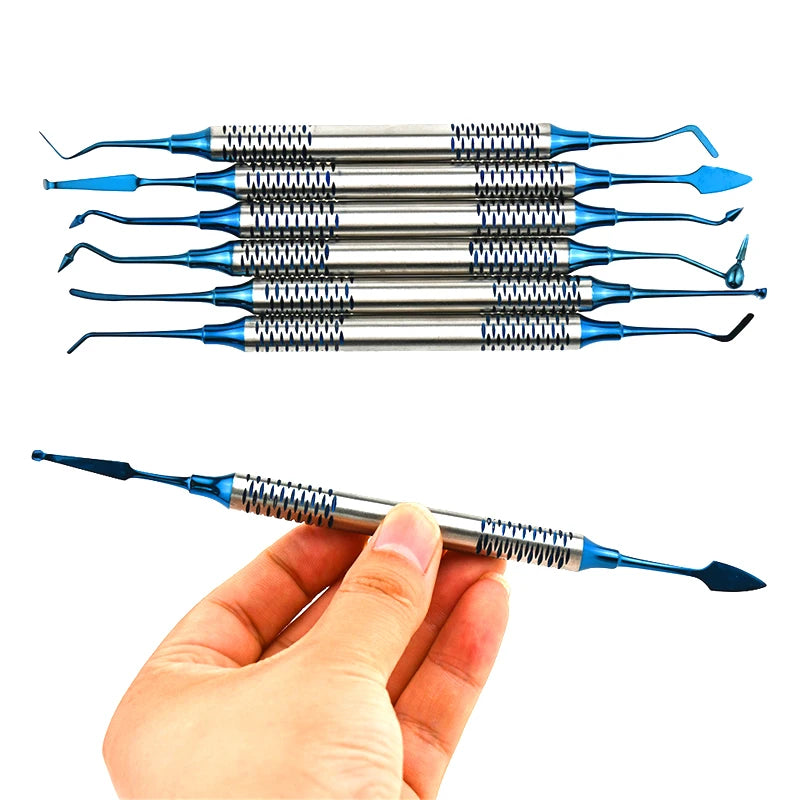
💡 Dental composite filling instruments — see precision in action.
Quick List of Dental Composite Instruments Names
The following are some of the most commonly used composite instruments names in restorative dentistry:
Common composite placing instruments
- Plastic filling instrument (PFI)
- Composite placement instrument
- Goldstein Flexi-Thin instrument
- Composite paddle instrument
Composite contouring and shaping instruments
- Hollenback carver
- IPC (Interproximal carver)
- Composite contouring instrument
- Tanner carver
Finishing and burnishing instruments
- Ball burnisher
- Acorn burnisher
- Football burnisher
- Composite smoothing instrument
Each of these dental composite filling instruments serves a specific role in the restorative process—from placing composite material into the cavity preparation to shaping and polishing the final restoration.
What Are Dental Composite Filling Instruments?
Dental composite filling instruments are specialized tools used to place, shape, and finish composite resin during restorative dental procedures. Unlike instruments used for amalgam restorations, composite instruments are designed to handle sticky resin materials without pulling or dragging the material away from the cavity walls.
These dental composite tools typically feature smooth, non-stick surfaces, rounded edges, and thin blades that allow clinicians to manipulate composite precisely. Many modern instruments are titanium-coated or made from non-stick alloys to prevent composite adhesion.
Understanding the names of composite instruments helps dental students and assistants quickly identify the correct tools during restorative procedures and improves efficiency when setting up a composite filling tray. For a broader overview of restorative equipment, see our guide to types of dental restorative instruments.
Composite Filling Instruments Names by Restorative Stage
Composite restorations typically follow several steps, and different instruments are used at each stage of the procedure.
Composite placement instruments
- Plastic Filling Instrument (PFI)
- Composite placement instrument
- Goldstein Flexi-Thin instrument
- Composite paddle
These instruments are used to carry composite material from the compule or mixing pad into the prepared cavity.
Composite shaping and contouring instruments
- Composite contouring instrument
- Hollenback carver
- IPC (Interproximal carver)
- Tanner carver
Shaping instruments help sculpt the anatomy of the restoration, including cusps, marginal ridges, and occlusal grooves.
Composite carving instruments
- Hollenback carver
- IPC carver
- Composite micro-carvers
Carving tools refine anatomical features and remove excess composite before light curing.
Burnishers and finishing instruments
- Ball burnisher
- Football burnisher
- Acorn burnisher
Burnishers smooth the composite surface and help adapt the material to cavity walls for improved marginal integrity.
Quick Reference Table: Composite Instrument Names and Uses
This quick-reference guide helps identify common composite instruments used in restorative dentistry.
- Plastic Filling Instrument (PFI) – Used to carry and place composite resin into the cavity.
- Composite Placement Instrument – Packs and adapts composite material.
- Goldstein Flexi-Thin – Thin flexible blade used for contouring and shaping composite.
- Hollenback Carver – Creates occlusal anatomy and removes excess material.
- IPC (Interproximal Carver) – Shapes interproximal surfaces and marginal ridges.
- Ball Burnisher – Smooths composite surfaces and adapts material to cavity walls.
- Football Burnisher – Used for smoothing broader occlusal surfaces.
Memorizing these composite instrument names helps dental students quickly recognize the tools used during restorative procedures.
Most Common Dental Composite Tools Explained
Plastic Filling Instrument
The plastic filling instrument is one of the most frequently used composite placing instruments. It features flat paddles on both ends that help carry composite resin into the cavity preparation and adapt it to internal surfaces.
Composite Placement Instrument
This instrument is designed specifically to pack composite material into the cavity while minimizing sticking. Many versions feature titanium-coated tips that prevent composite from adhering to the surface.
Ball Burnisher
A ball burnisher has a rounded tip used to smooth composite surfaces and improve adaptation along cavity margins before curing.
IPC (Interproximal Carver)
The IPC carver is used to shape interproximal surfaces and refine margins between adjacent teeth during composite restorations.
Hollenback Carver
The Hollenback carver helps shape occlusal anatomy and remove excess composite material around margins.
Goldstein Flexi-Thin Instrument
The Goldstein Flexi-Thin is a flexible composite instrument designed to sculpt thin layers of composite and refine detailed anatomical contours. After shaping the restoration, dentists often use a composite polishing system to achieve a smooth and natural finish.
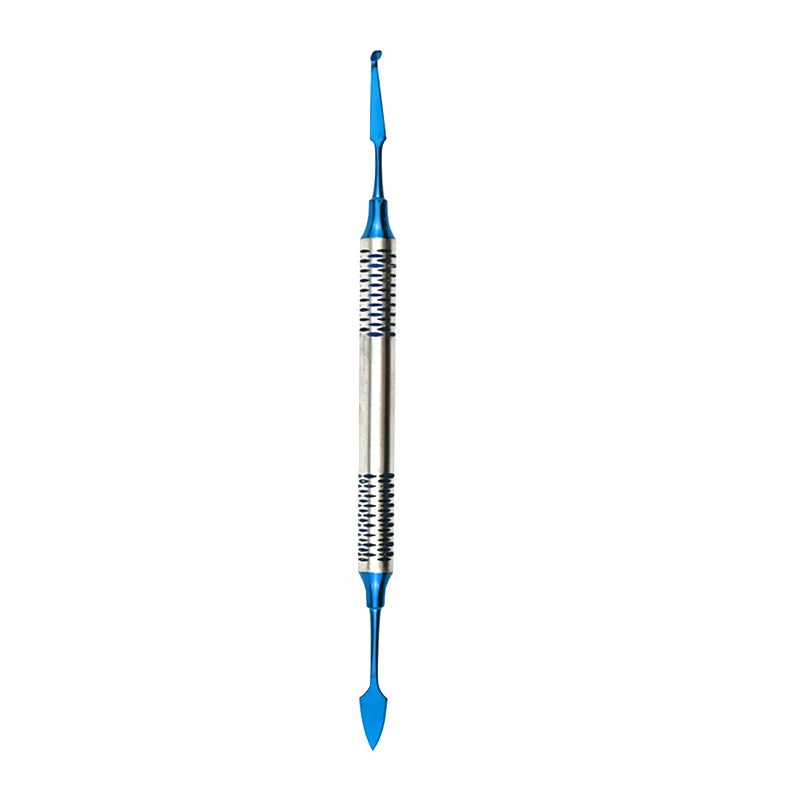
Composite set up simplified with KentDO — 💡 See it in action.
How to Set Up a Composite Filling Instrument Tray
A well-organized composite tray ensures that the correct dental composite tools are available during restorative procedures. For beginners learning clinical workflow, our basic dental tray setup guide explains the full instrument arrangement used in common dental procedures.
- Plastic filling instrument or composite placement instrument
- Composite contouring instrument
- Hollenback or IPC carver
- Ball burnisher
- Finishing and polishing instruments
Having these composite filling instruments prepared allows the dental team to place, shape, and finish composite restorations efficiently.
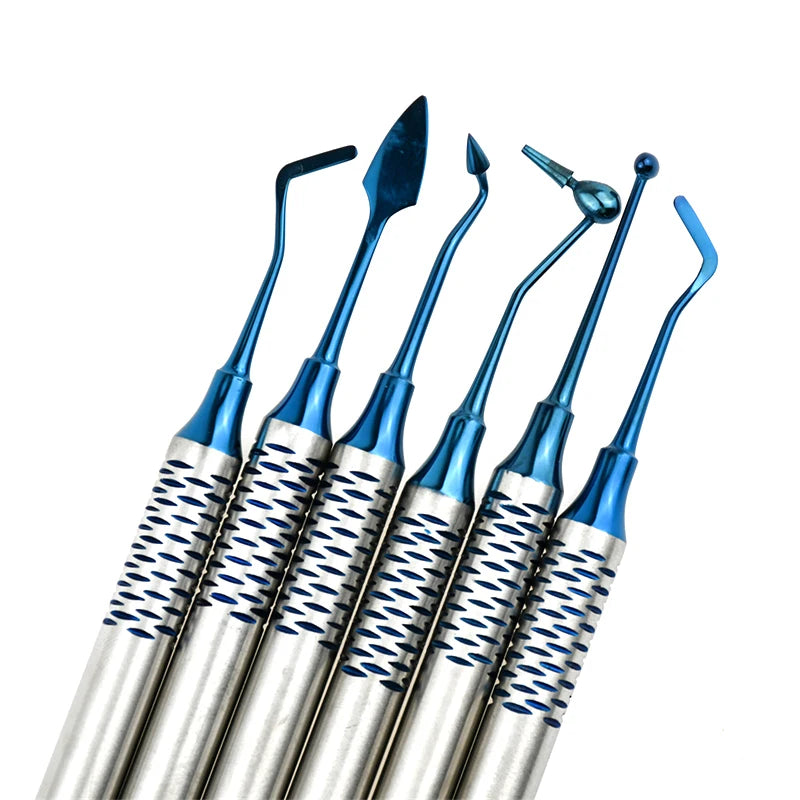
KentDO dental composite filling instruments — top-ranked for precision and value.
FAQ: Dental Composite Instruments Names
What instruments are used for composite fillings?
Common instruments used for composite fillings include plastic filling instruments, composite placement instruments, Hollenback carvers, IPC carvers, and burnishers. Each tool helps place, shape, and finish composite resin restorations.
What is a plastic filling instrument?
A plastic filling instrument is a dental composite tool used to carry and adapt composite material into a cavity preparation.
Why are titanium-coated composite instruments used?
Titanium-coated composite instruments prevent composite resin from sticking to the instrument surface, allowing smoother placement and shaping.
What are the most important composite instrument names to learn?
The most commonly taught composite instruments names include the plastic filling instrument, composite placement instrument, Hollenback carver, IPC carver, and ball burnisher.
Explore more tools in our Oral Care Devices collection, or read related insights in our Oral Care Blog.
Pillar Article: The Ultimate Composite Dental Resin Comparison: Which One Works Best?













