
Can You Share a Water Flosser? Safety, Hygiene & Dentist Advice
Can You Share a Water Flosser? The Short Answer
Yes, you can share a water flosser, but only if each person uses their own tip and the device is cleaned regularly. Most manufacturers design countertop water flossers for multiple users by offering interchangeable color-coded tips.
The greatest hygiene concern is not the handle or base unit itself—it is the nozzle tip that comes into direct contact with the mouth. Sharing the same tip can increase the risk of transferring bacteria, viruses, and other microorganisms between users.
Yes, but only under certain conditions
- Each user should have a separate tip.
- Tips should be stored separately.
- The reservoir and handle should be cleaned regularly.
- Worn tips should be replaced according to manufacturer recommendations.
The one rule every user should follow
If multiple people use the same water flosser, never share the same nozzle tip. Individual tips are the simplest and most effective way to reduce cross-contamination.
For a broader look at daily oral-care advantages, see our guide on water flosser benefits and oral hygiene improvements .
Can You Share a Water Flosser?
For most households, sharing a water flosser is considered acceptable when every user has a dedicated tip and proper cleaning habits are followed. Many countertop systems are specifically designed for multiple users and include several interchangeable nozzles.
When sharing is considered safe
Sharing can be reasonably hygienic when users follow manufacturer guidelines, keep their tips separate, and routinely clean the reservoir and device components.
- Each user has their own dedicated flosser tip
- The tips are stored separately between uses
- The reservoir and handle are cleaned regularly
- No users have active oral infections or bleeding gums
When you should NOT share a water flosser
You should avoid sharing if users are sharing the same nozzle, if the device is not cleaned consistently, or if visible buildup is present inside the reservoir or handle.
- If users are sharing the same nozzle
- If someone has gum disease, oral infections, or mouth sores
- If the device is rarely cleaned or disinfected
- If the tip shows visible wear or buildup
Who should avoid sharing entirely
People with active oral infections, recent dental surgery, bleeding gums, cold sores, or weakened immune systems may prefer not to share a water flosser system, even when using separate tips. Using a dedicated personal device can further reduce exposure risks.
In most households, sharing a water flosser is common and safe when these hygiene precautions are followed.
Can you share a water flosser safely without risking germs? Discover how an oral irrigator cordless water flosser or a portable oral irrigator water flosser with a 360 rotate swivel faucet nozzle can keep your routine hygienic and stress-free. Learn clever cleaning hacks and expert tips that make sharing worry-free. Are you ready to unlock the secret to spotless smiles for everyone in your household?
⏱ 7 min read
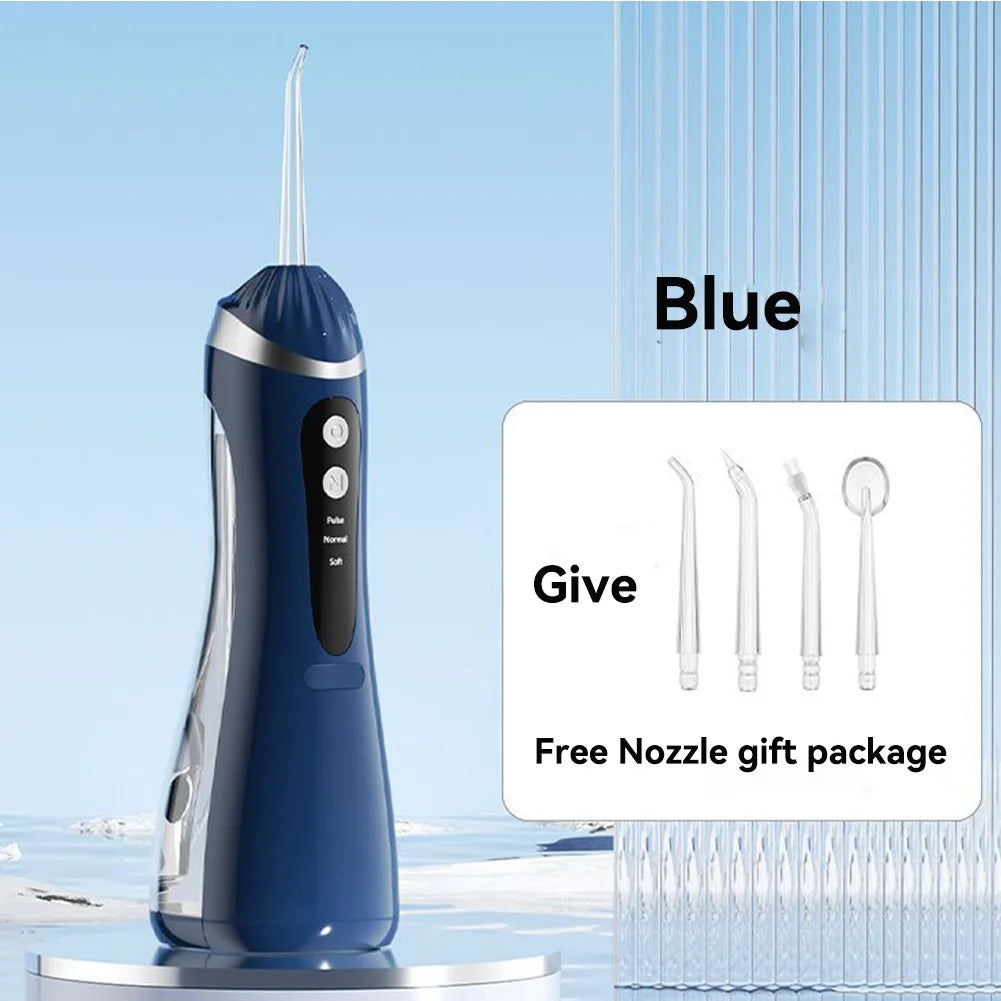
Can you share a water flosser? Explore KentDO portable oral irrigator water flosser.
Can Two People Share a Water Flosser or Waterpik?
Yes. Two people can share a water flosser when each person uses their own nozzle tip. In fact, many families share a single countertop unit while maintaining separate attachments.
Can two people share a water flosser with different tips?
Yes. Using separate tips is the standard recommendation. The device base, motor, and reservoir can be shared, while each user keeps an individual attachment.
- Use one tip per person
- Label or color-code each nozzle
- Remove and rinse tips after each use
- Replace tips every few months
Can a Waterpik be shared by a couple?
A couple can share the same Waterpik system as long as they use different tips and maintain regular cleaning practices. Many users simply assign color-coded tips to each person.
Can multiple family members use the same device?
Yes. Families often share one water flosser unit with multiple attachments. The more users involved, the more important it becomes to clean the reservoir, organize tips, and replace nozzles regularly.
Looking for family-friendly options? Read our Best Portable Water Flosser Review 2025 guide.
Why Do People Share Water Flossers?
Many people consider sharing a water flosser because the device itself is relatively expensive compared with replacement tips. Since most systems support interchangeable attachments, households often view one unit as sufficient for several users.
Cost savings and convenience
Buying one device and multiple tips is typically more affordable than purchasing separate water flossers for every family member.
Shared bathroom setups
Countertop water flossers are commonly stored in a shared bathroom, making it convenient for couples and families to use the same unit while maintaining separate tips.
Another reason people share water flossers is convenience. Countertop space in bathrooms can be limited, and a single unit with multiple tips keeps daily dental care simple and organized.
What Happens If You Share a Water Flosser?
Sharing a water flosser improperly can increase the chance of transferring microorganisms between users. The level of risk depends largely on whether separate tips are used and how well the device is maintained.
Bacteria transfer between users
The mouth naturally contains bacteria. When the same nozzle tip is used by multiple people, some microorganisms may transfer from one user to another.
The human mouth contains hundreds of bacterial species. When a nozzle touches teeth or gums, microscopic droplets of saliva can remain on the tip. If another person uses the same nozzle, those bacteria may enter their mouth.
Cross-contamination risks
Cross-contamination becomes more likely when tips are shared, stored together without cleaning, or used by someone with an active oral infection.
Although the risk is generally low when proper tips are used, sharing a nozzle may increase the chance of spreading oral bacteria, viruses, or fungal organisms between users. People with gum disease, mouth sores, or weakened immune systems should be especially cautious.
When germs can survive inside the device
Moist environments can allow microorganisms to persist longer than dry surfaces. Reservoirs, tubing, and tips should therefore be cleaned regularly according to manufacturer instructions.
Mineral buildup from tap water can also create surfaces where bacteria accumulate. Regular rinsing and occasional disinfecting help prevent microbial buildup and keep the device hygienic for multiple users.
Why the tip matters more than the handle
The nozzle tip has direct contact with saliva and oral tissues, making it the component most associated with hygiene concerns. The base unit generally poses much lower risk when properly maintained.
For additional oral-care guidance, see How Does a Cordless Oral Irrigator Stack Up Against Traditional Floss? .
How to Safely Share a Water Flosser
If multiple people use the same water flosser, follow these best practices to minimize hygiene concerns.
Use separate tips for every user
Assign one nozzle tip per person and avoid swapping attachments.
Label and store tips separately
Use color-coded tips or labels so each person can easily identify their own attachment.
Clean and disinfect the device regularly
Rinse removable components and follow manufacturer cleaning recommendations for the reservoir and internal system.
Replace nozzles on schedule
Replace worn or damaged tips according to the manufacturer's guidance.
Empty and dry the reservoir
Allowing water to sit inside the reservoir for extended periods can encourage buildup. Empty and dry the reservoir after use whenever possible.
Which style suits your family best? Read on for practical hygiene tips and answers to common questions.
Need more maintenance advice? Read our guide on cleaning and maintaining portable oral irrigators .
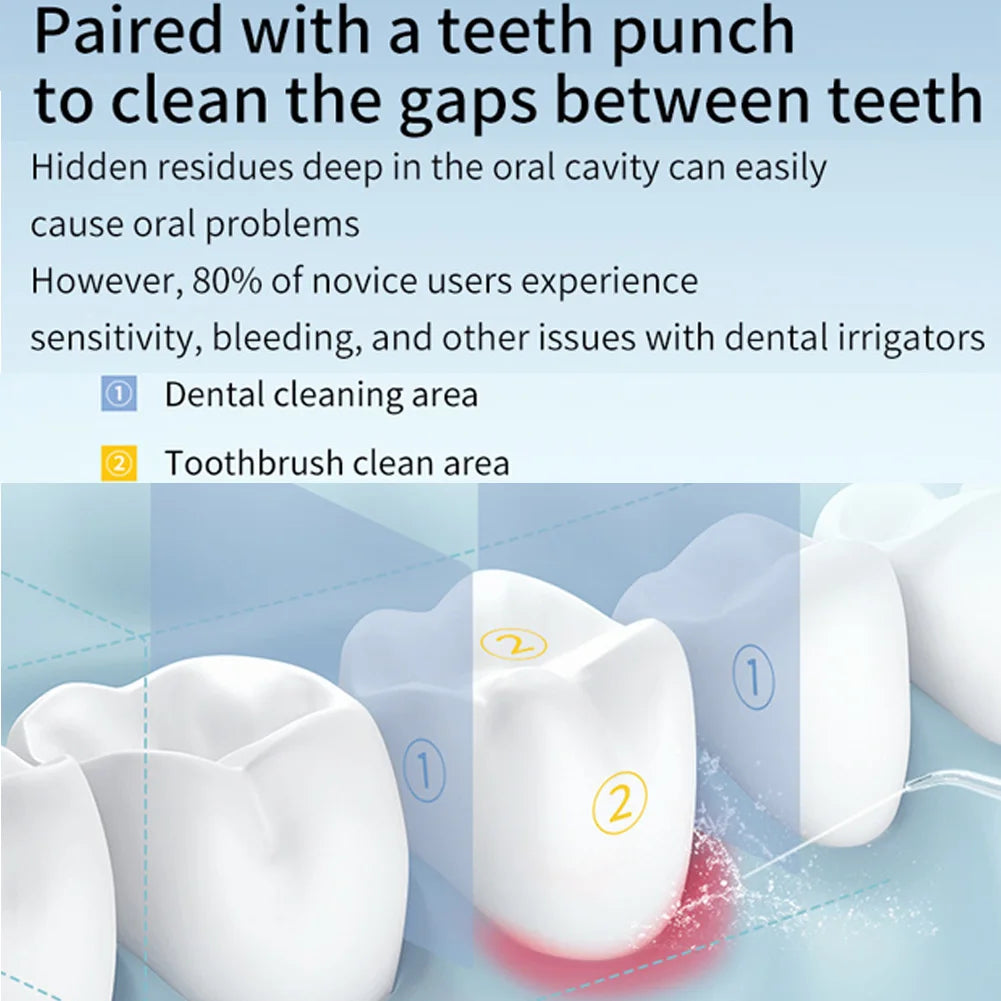
Hygienic sharing made easy with an oral irrigator cordless water flosser.
How to Clean a Water Flosser Between Users
Regular cleaning helps keep a shared water flosser hygienic and functioning properly.
Daily cleaning steps
- Empty the reservoir after use.
- Rinse removable components.
- Allow tips and reservoir parts to air dry.
- Store tips separately.
Weekly deep-cleaning routine
- Wash removable parts according to manufacturer instructions.
- Inspect for mineral buildup.
- Clean areas that remain damp between uses.
- Reassemble only after components are dry.
How to disinfect removable tips
Always follow the manufacturer's instructions for disinfecting tips and accessories. Different brands may have different cleaning recommendations.
Consistent cleaning is especially important if you use your device daily. Learn more in How Often Should You Use a Water Flosser? .
Is It Gross to Share a Waterpik?
Whether sharing feels gross is largely a personal judgment, but from a hygiene perspective the key issue is whether users share the same tip.
The difference between perception and actual risk
Many people feel uncomfortable sharing oral-care devices. However, using separate tips dramatically reduces the concern compared with sharing the same attachment.
Comparing a water flosser to sharing a toothbrush
Sharing a toothbrush involves direct reuse of the same bristles that contact the mouth. A shared water flosser system with separate tips is generally considered a different situation because each user has their own attachment.
Think of it similarly to sharing an electric toothbrush handle — the handle can be shared, but each person should have their own brush head or nozzle.
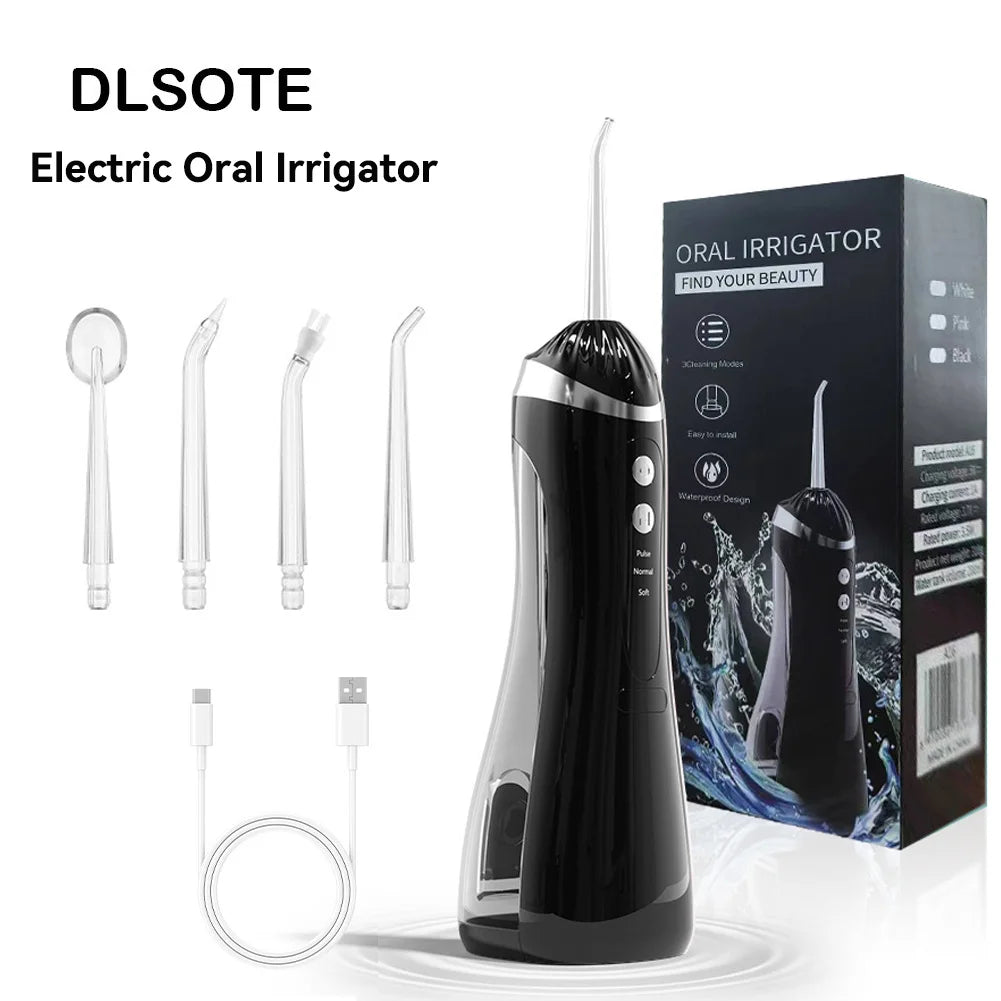
✨ Upgrade your dental care with a 360 rotate swivel faucet nozzle water flosser.
Should Everyone Have Their Own Water Flosser Tip?
Yes. Separate tips are strongly recommended whenever multiple people use the same water flosser system.
Why separate tips are recommended
Individual tips reduce the likelihood of saliva transfer and make it easier to maintain consistent hygiene practices.
When replacing tips becomes necessary
Replace tips if they become worn, damaged, discolored, or reach the manufacturer's recommended replacement interval.
For more maintenance recommendations, explore our portable water flosser comparison guide .
FAQ: Can You Share a Water Flosser?
Can you share a Waterpik with your partner?
Yes, provided each person uses a separate nozzle tip and the device is cleaned regularly.
Can multiple people use the same water flosser?
Yes. Many countertop models are designed for multiple users with interchangeable tips.
Can I share a water flosser with my husband or family member?
Yes, if everyone uses their own attachment and follows proper cleaning practices.
Can a Waterpik be shared safely?
Yes. The safest approach is to use dedicated tips for each user and maintain the device properly.
Is sharing a water flosser the same as sharing a toothbrush?
No. A shared water flosser with separate tips is generally different from sharing the same toothbrush. You can also compare oral-care methods in Water Flosser vs String Floss .
How often should water flosser tips be replaced?
Follow the manufacturer's replacement schedule for your specific model.
Do all water flossers support multiple users?
No. Some portable models are designed primarily for single-user convenience, while many countertop models support multiple interchangeable tips.
Pillar Article: Best Portable Water Flosser Review 2025: Which One Wins Your Smile?
Other Related Articles:
- Is a Water Flosser Worth It? The Truth About Oral Hygiene
- Portable Flosser Water Guide: Top Picks for Every Budget
- How Does a Cordless Oral Irrigator Stack Up Against Traditional Floss?
- Portable Water Flossers Compared: Features, Pros & Cons Revealed
Explore More:
- Oral Irrigator Portable Guide: Clean Teeth Anywhere, Anytime
- Portable Oral Irrigator Price vs Performance: Smart Choice Tips
Bottom line: A water flosser can be shared safely in most households when each person uses their own nozzle tip, follows basic cleaning procedures, and replaces attachments as recommended. The highest hygiene risk comes from sharing tips—not from sharing the device itself. With proper maintenance and separate attachments, couples and families can comfortably use the same water flosser while maintaining good oral-health habits.













