

What is the difference between high speed vs low speed dental handpiece?
The high speed vs low speed dental handpiece debate centers on speed, precision, and application. A high speed handpiece excels at cutting enamel and preparing cavities quickly, while a low speed handpiece is ideal for polishing, finishing, and detail work. Together, they balance efficiency, control, and patient comfort in dentistry.
| Feature | High Speed Handpiece | Low Speed Handpiece |
|---|---|---|
| RPM | 200,000–400,000 | 10,000–40,000 |
| Primary Use | Cavity prep, enamel cutting | Polishing, finishing, adjustments |
| Precision | High cutting efficiency | High control for fine work |
| Patient Comfort | Faster treatment time | Smoother finishing experience |
High Speed vs Low Speed Handpiece: Real Dentist Comparisons
When comparing a high speed vs low speed dental handpiece, dentists uncover surprising advantages that change everyday procedures. Understanding the slow speed vs high speed handpiece debate helps reveal the true difference between high speed and low speed dental handpiece performance, especially when you give the use of the high speed handpiece in dentistry the spotlight. From precision cavity prep to efficient polishing, each tool transforms treatment outcomes—yet which one truly saves more time and ensures patient comfort?
⏱ 7 min read
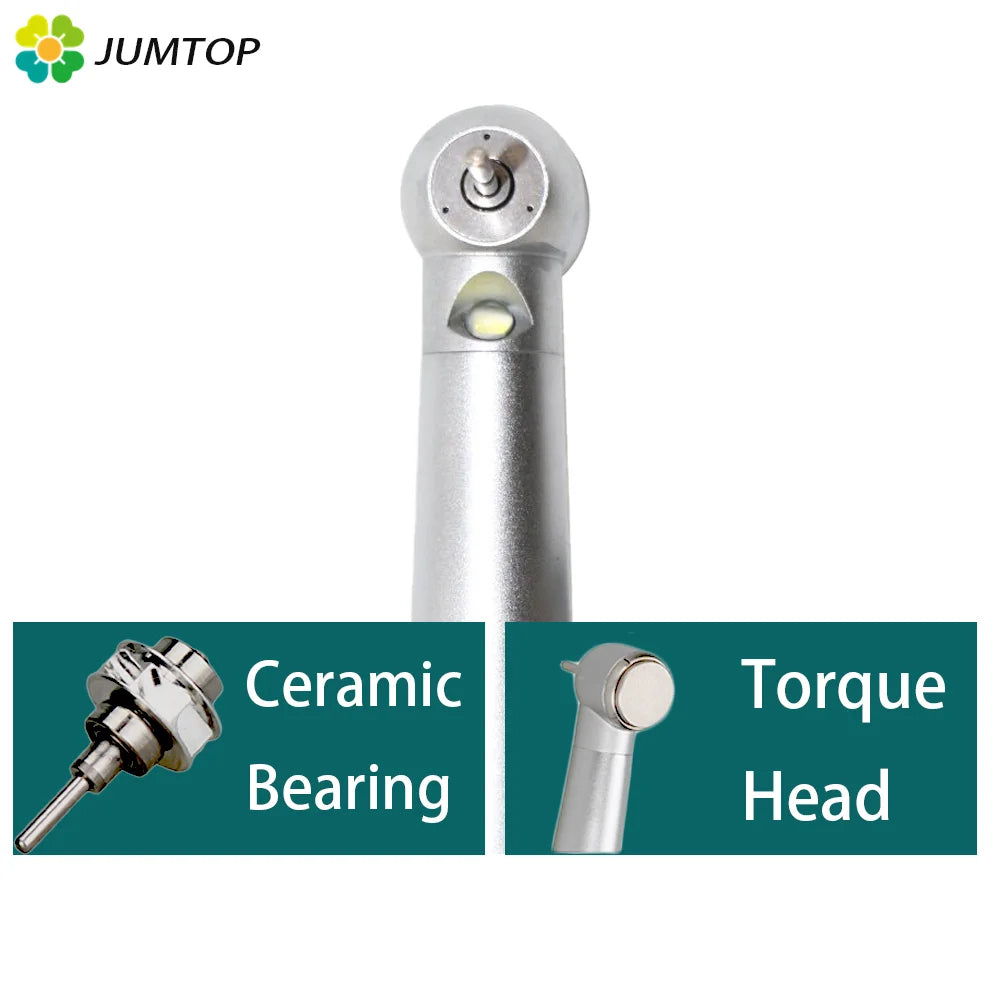
💡 High speed vs low speed dental handpiece in action — see how KentDO transforms your clinical workflow.
Real Dentist Comparisons: Why Speed Matters
Dentists often debate the difference between high speed and low speed dental handpiece performance. In daily practice, the choice affects not just efficiency but also patient comfort. Imagine a 45-minute cavity prep cut down to 20 minutes—this is the promise of the high speed handpiece.
On the other hand, low speed tools offer unmatched precision. Polishing restorations, adjusting bite surfaces, or refining delicate prosthetics all demand slower speeds to avoid errors.
Use Cases: Give the Use of the High Speed Handpiece in Dentistry
The high speed handpiece is not just about cutting—it’s about redefining workflow. Below are the most common uses:
- Cavity Preparation: Efficiently removes enamel and dentin, reducing chair time.
- Crown Cutting: High RPM ensures precise margins without excessive heat.
- Endodontics: Creates access openings swiftly, saving valuable time.
- Surgical Applications: Facilitates sectioning teeth or smoothing bone surfaces.
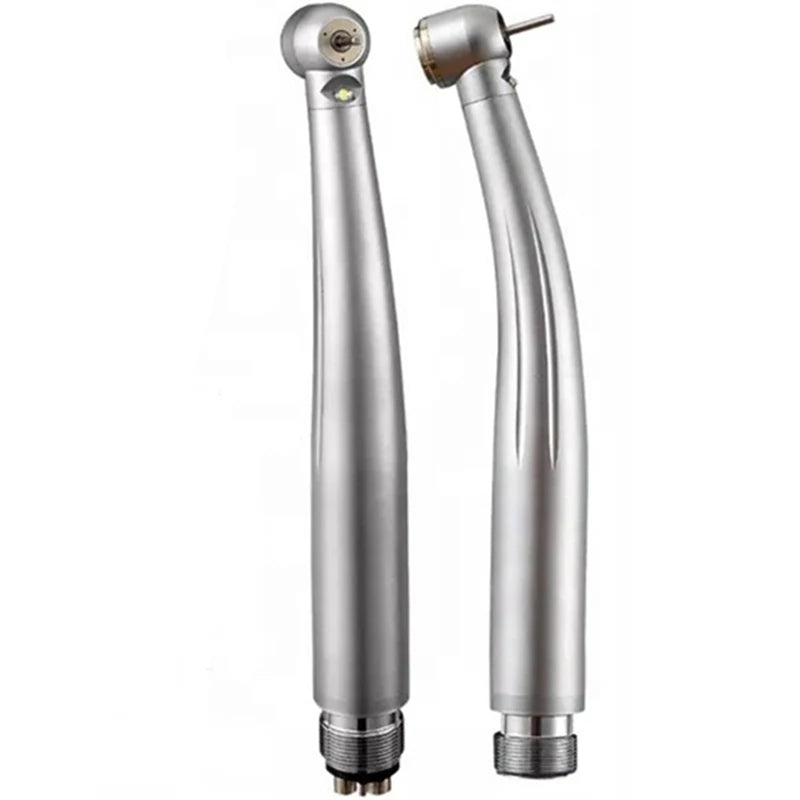
💡 Slow speed vs high speed handpiece comparison — every dentist deserves the right tool.
Benefits Breakdown: Precision, Control, Comfort
Why do dentists keep both handpieces in rotation? It’s about leveraging benefits where they matter most.
High Speed Handpiece Benefits
- Rapid cutting for reduced treatment time
- Effective at managing harder surfaces
- Improved patient comfort due to shorter sessions
Low Speed Handpiece Benefits
- Greater control for polishing and adjustments
- Lower heat generation during use
- Versatile for finishing and detail tasks
Pros & Cons: Slow Speed vs High Speed Handpiece
| High Speed | Low Speed | |
|---|---|---|
| Pros | Fast, precise, efficient for cavity prep | Controlled, versatile, ideal for finishing |
| Cons | Generates more heat, less control for detail | Slower for bulk cutting, longer chair time |
Clinical Efficiency: Saving Time Without Sacrificing Quality
Case studies reveal up to 30% faster turnaround for procedures when using the high speed handpiece versus low speed alone. Yet, dentists also note that finishing with the slow speed handpiece ensures smoother results.
In restorative dentistry, this combination often becomes the gold standard—speed with one, refinement with the other.
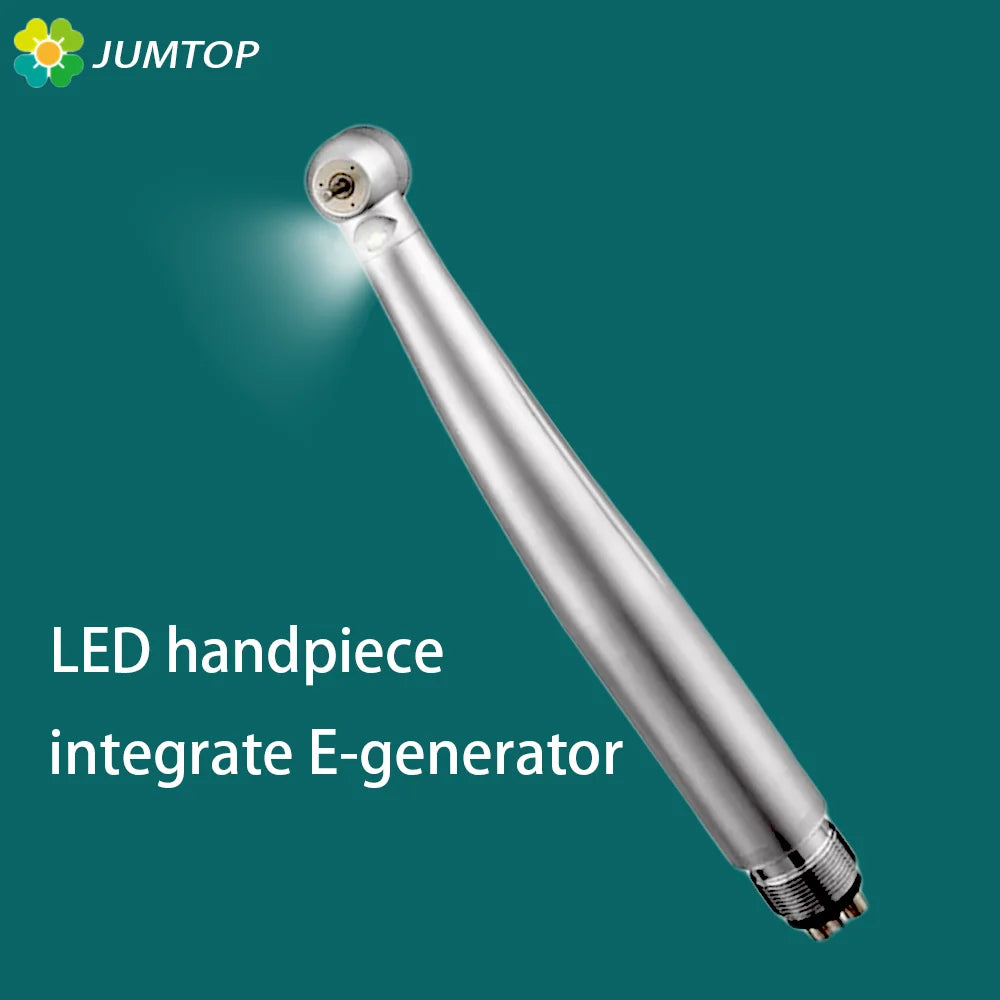
💡 Difference between high speed and low speed dental handpiece — trusted by practicing dentists.
Mini FAQ
What is the main difference between high speed and low speed dental handpiece?
High speed handpieces run at 200,000–400,000 RPM for fast cutting, while low speed handpieces run at 10,000–40,000 RPM for polishing and detailed work.
When should I use a high speed handpiece?
You should give the use of the high speed handpiece in dentistry priority during cavity preparation, crown cutting, and access creation for endodontics.
Is a low speed handpiece necessary if I already have a high speed one?
Yes, because the low speed provides control, precision, and versatility in polishing, finishing, and adjustments that a high speed cannot offer alone.
Which is better for patient comfort: high speed or low speed?
A high speed handpiece reduces total chair time, improving comfort, while low speed ensures smoother results. Used together, they maximize both comfort and clinical outcomes.
Pillar Article: Dental High Speed Handpiece Repair: Expert Review & Case Study













