

How do you clean a toothbrush travel cover properly?
To clean a toothbrush travel cover, wash it with warm water and antibacterial soap, then sanitize weekly with vinegar or a UV sterilizer. Always dry completely before reuse to stop bacteria and mold. This ensures your toothbrush stays hygienic on every trip.
How to Clean a Toothbrush Travel Cover the Right Way
Your toothbrush travel cover might look clean—but hidden moisture can quickly turn it into a bacteria hotspot. This expert guide shows you exactly how to clean, disinfect, and maintain your toothbrush travel container safely—so your oral hygiene stays protected wherever you go.
⏱ 6 min read

💡 See it in action: the best toothbrush travel cover for hygiene-conscious travelers
Why You Must Clean Your Toothbrush Travel Cover
Your toothbrush travel cover may look clean, but it can quickly become a breeding ground for bacteria. Because it’s often sealed while damp, it creates the perfect environment for germs, mold, and unpleasant odors to develop.
How Bacteria Grows Inside a Closed Travel Case
After brushing, moisture remains on your toothbrush. When stored in a closed container, that trapped humidity allows bacteria to multiply rapidly. Without airflow, even a small amount of water can lead to contamination within hours.
Health Risks of a Dirty Toothbrush Container
A contaminated toothbrush case can transfer bacteria back onto your toothbrush, increasing the risk of oral infections, bad breath, and gum irritation. Keeping your travel toothbrush case clean is essential for maintaining proper oral hygiene—especially while traveling.
How to Clean a Toothbrush Travel Cover: Step-by-Step
Quick Daily Rinse Routine
- Rinse the case with warm water immediately after use.
- Shake out excess moisture.
- Leave it open to air dry completely.
Deep Cleaning Method (Soap + Vinegar)
- Wash the case with warm water and mild dish soap.
- Scrub corners and grooves using a small brush.
- Soak in a mixture of equal parts white vinegar and water for 10–15 minutes.
- Rinse thoroughly and air dry.
Disinfecting Options (Alcohol or Hydrogen Peroxide)
- Use 70% isopropyl alcohol for quick disinfection.
- Alternatively, soak in 3% hydrogen peroxide for 5–10 minutes.
- Always rinse after disinfecting to remove residue.
Drying the Case Properly (Most Important Step)
Never store your toothbrush cover while wet. Leave it open in a well-ventilated area until completely dry. Moisture control is the key to preventing bacteria growth.
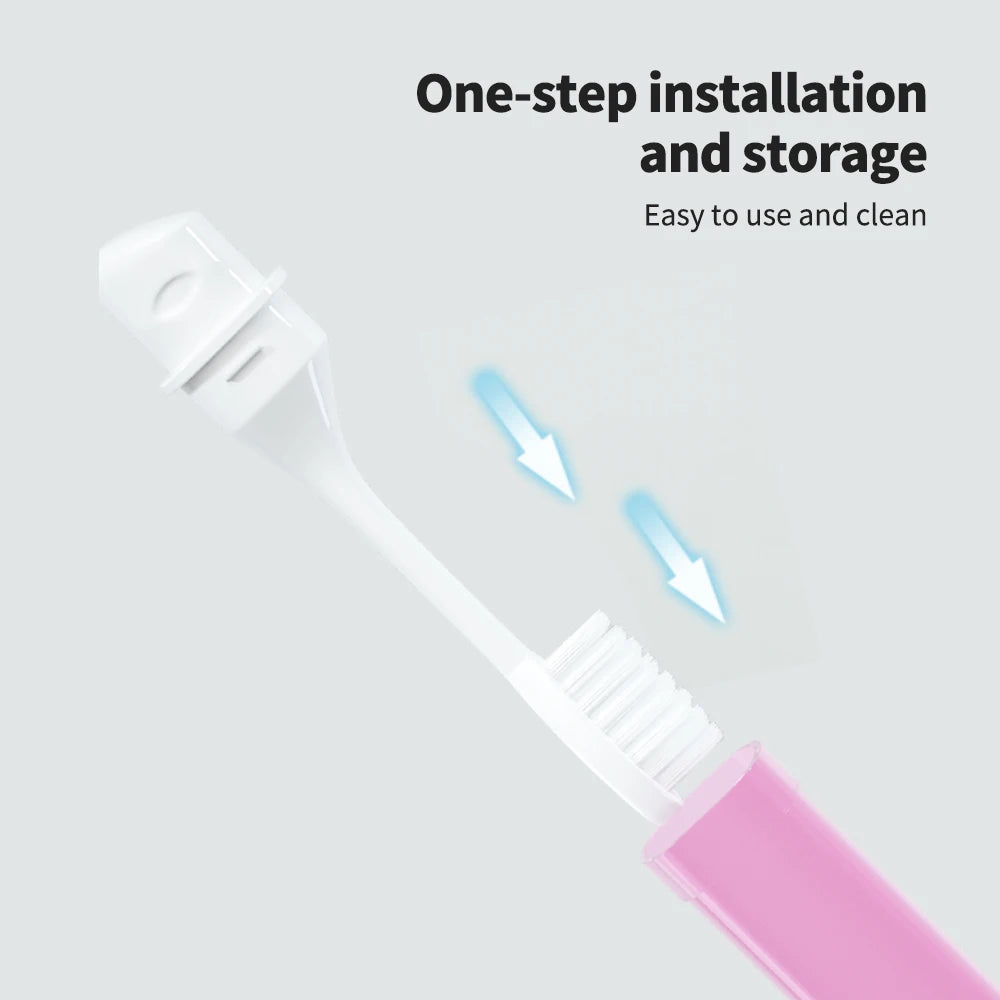
💡 A clean travel toothbrush container helps protect your oral health. Sanitize it weekly for best results.
Best Cleaning Methods by Material
Plastic Toothbrush Cases
Plastic cases are durable and easy to clean. Use soap and water for routine cleaning, and vinegar or alcohol for deeper sanitization.
Silicone Travel Covers
Silicone is flexible but can trap residue. Wash thoroughly with warm soapy water and occasionally boil for a few minutes if the manufacturer allows.
Ventilated vs Sealed Containers
Ventilated cases allow airflow and reduce moisture buildup, making them easier to maintain. Sealed containers require more frequent cleaning and drying to prevent bacterial growth.
How Often to Clean a Toothbrush Travel Cover
- Daily: Rinse and air dry after each use.
- Weekly: Perform a deep clean with soap and vinegar.
- After Travel: Disinfect thoroughly before storing.
Regular cleaning prevents bacteria buildup and keeps your toothbrush case hygienic over time.
Travel Hygiene Tips to Keep Your Toothbrush Case Clean Longer
Packing Tips for Wet Toothbrushes
If possible, let your toothbrush dry before placing it in the case. If you must pack it wet, open the case as soon as you arrive.
Airflow and Moisture Control
Choose a case with ventilation holes or leave the lid slightly open when not in transit to reduce moisture buildup.
Smart Travel Routines
Carry a small cleaning wipe or rinse your case daily during trips to maintain hygiene on the go.
How to Remove Odor, Mold, and Toothpaste Buildup
- Odor: Soak in vinegar for 15–20 minutes to neutralize smells.
- Mold: Use hydrogen peroxide or a diluted bleach solution (rinse thoroughly afterward).
- Toothpaste residue: Scrub with baking soda and warm water.
Always dry the case completely after cleaning to prevent the problem from returning.
When Should You Replace a Toothbrush Travel Cover?
- Persistent odor or mold despite cleaning
- Visible cracks or scratches that trap bacteria
- Loose or broken hinges or latches
- Stains that won’t scrub out
If your travel cover is older than 6–12 months and shows wear, replacing it is the safest option for hygiene.
Common Cleaning Mistakes to Avoid
- Storing a wet toothbrush in a closed case
- Skipping regular deep cleaning
- Using harsh chemicals without rinsing
- Ignoring corners where residue builds up
- Not allowing the case to fully dry
Frequently Asked Questions
What is the best way to clean a toothbrush travel case?
The best method is washing with soap and water, followed by a vinegar soak and complete air drying.
How do you disinfect a toothbrush holder for travel?
You can disinfect it using 70% alcohol or hydrogen peroxide, then rinse and dry thoroughly.
How often should you clean a toothbrush holder?
You should rinse it daily and deep clean it at least once a week.
Can bacteria grow in a toothbrush travel container?
Yes, especially in moist, closed environments. Proper drying and cleaning prevent bacterial growth.
How do you keep a toothbrush case hygienic while traveling?
Allow airflow, clean it regularly, and avoid storing a wet toothbrush in a sealed container.
Pillar Article: How to Use a Foldable Travel Brush Without Breaking It
Other Related Articles:
- How to Keep Your On the Go Toothbrush Germ-Free
- Travel Kit Toothbrush 101: Set It Up Like a Pro
- Don’t Do This with Your Mini Travel Toothbrushes
- Mini Travel Toothbrush Hacks You’ll Wish You Knew Sooner
Explore More:













