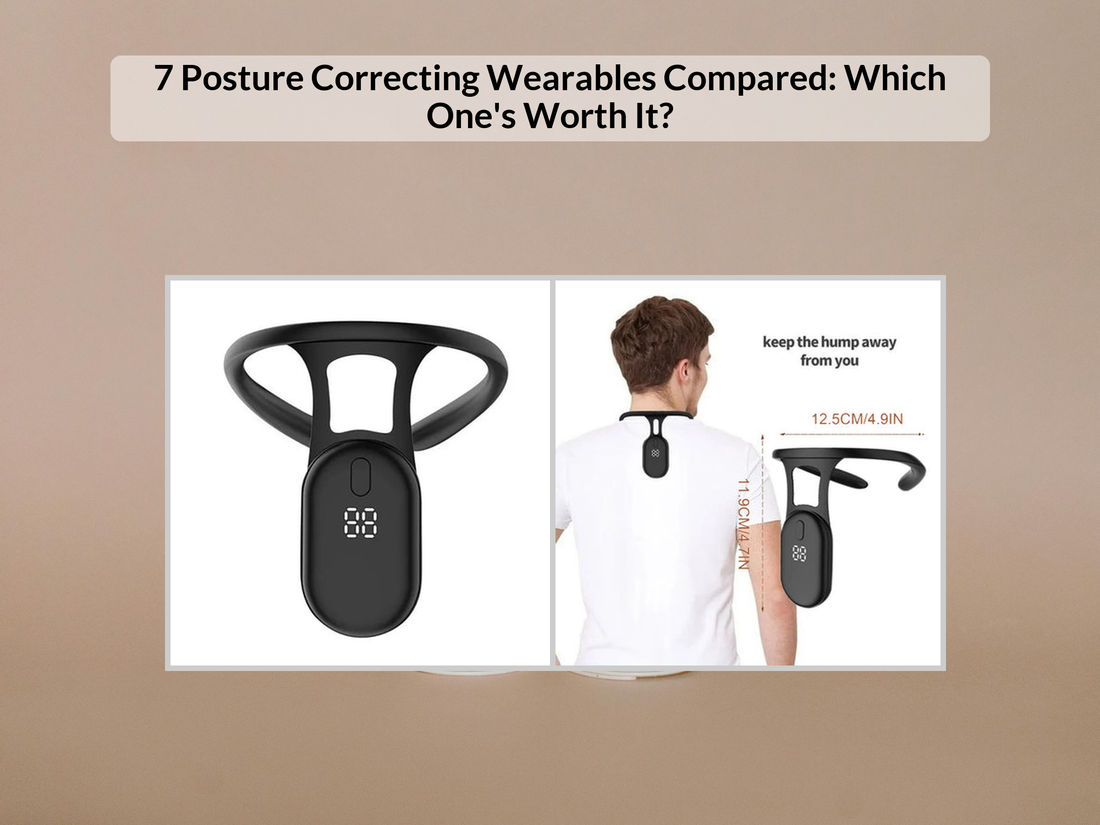
Q: Can posture correcting wearables really improve your alignment and confidence?
A: Yes. Wearable posture correctors use motion sensors and gentle vibration feedback to help you recognize slouching in real time. Over time, this repeated awareness can improve posture habits, support better spinal alignment, and boost confidence when combined with ergonomic habits and strengthening exercises.
Best Wearable Posture Correctors (2026): Smart Devices That Vibrate When You Slouch
Posture correcting wearables promise better alignment without bulky braces or constant physical correction. But with so many posture trainer devices on the market, choosing the right one can be confusing.
We analyzed posture monitoring devices, compared electronic posture correctors, and reviewed real-world posture trainer feedback to identify which models actually support long-term habit change.
These smart posture devices use vibration reminders and motion sensors to help users build awareness and reduce slouching throughout the day.
⏱ 8 min read
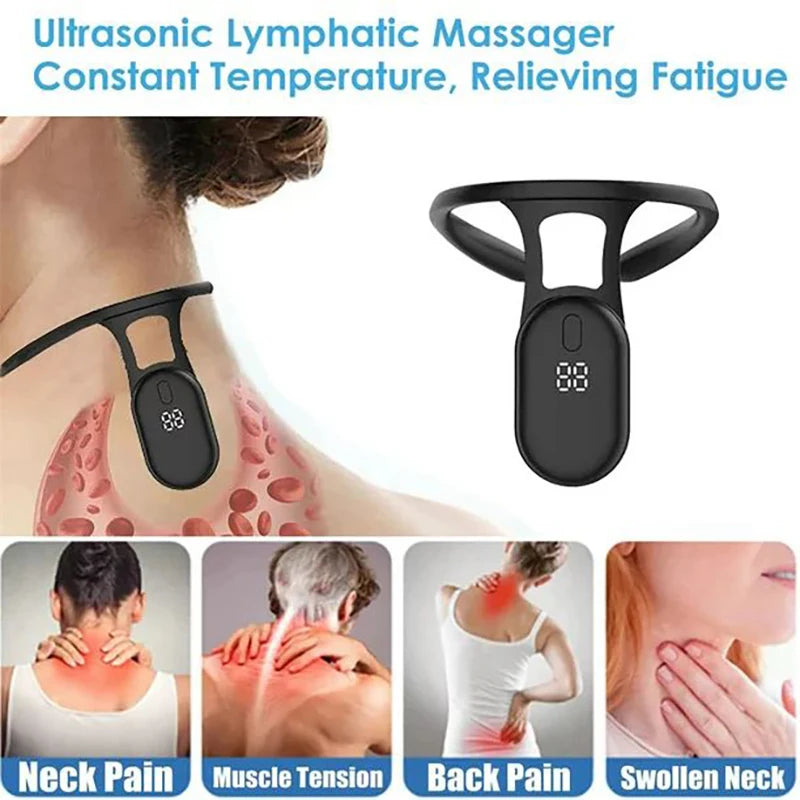
Wearable posture correctors help improve alignment and build daily posture awareness
Understanding Wearable Posture Correctors
A wearable posture corrector is a lightweight posture wearable device that monitors upper-body alignment throughout the day. Unlike rigid braces that physically pull the shoulders backward, modern smart posture correctors focus on behavior training by detecting slouching and providing gentle vibration reminders.
What Is a Wearable Posture Corrector?
Most electronic posture correctors contain miniature motion sensors that continuously measure shoulder and upper spine position. When posture drifts beyond a calibrated threshold, the device vibrates to prompt natural correction rather than forced alignment.
This turns the device into a posture reminder system that builds awareness instead of relying on external support.
How a Posture Wearable Device Detects Slouching
Modern posture tracking devices combine accelerometers and gyroscopes to analyze body orientation in real time.
- Measures upper back and shoulder angle
- Learns neutral posture baseline
- Detects sustained slouching patterns
- Filters movement noise during walking
- Triggers vibration alerts when needed
Why Vibration Feedback Helps Retrain Posture Habits
A vibrating posture trainer interrupts unconscious slouching. Over time, repeated feedback trains your brain to recognize poor posture earlier, reducing reliance on the device.
Do Wearable Posture Correctors Actually Work?
Posture wearables primarily improve awareness rather than permanently correcting posture on their own. Results depend on consistent use, ergonomics, and muscle strengthening routines.
Scientific Evidence Behind Electronic Posture Correctors
Research suggests posture feedback devices can reduce prolonged slouching and improve postural awareness when combined with exercise and ergonomic interventions. They are best viewed as training tools, not medical treatments.
Why People Develop Poor Posture in the First Place
Poor posture is usually the result of repeated daily habits that gradually reshape how the body holds itself.
Common Daily Habits That Lead to Slouching
- Using laptops without proper screen height
- Looking down at smartphones for long periods
- Sitting without lumbar support
- Weak upper back and core muscles
- Skipping movement breaks during work
Why Sitting Longer Makes Posture Worse
Extended sitting reduces muscle engagement and encourages forward shoulder positioning. Over time, this becomes a default posture pattern that is harder to correct without feedback tools.
Signs You May Benefit from a Posture Reminder Device
- Frequent slouching during work or study
- Rounded shoulders or forward head posture
- Long daily screen time (6+ hours)
- Neck or upper-back stiffness
- Difficulty maintaining upright posture consciously
Best Wearable Posture Correctors Tested
We evaluated each wearable posture monitor based on sensor accuracy, comfort, battery efficiency, vibration feedback, app usability, calibration ease, and long-term habit training effectiveness.
The goal was to identify devices that not only track posture but actually help users build lasting improvement habits.

Top posture trainers provide real-time feedback to improve daily alignment
KentDO™ Smart Posture Corrector
A discreet posture trainer that vibrates when slouching is detected. Designed for everyday use under clothing, it supports habit training through real-time feedback.
- ✅ Vibration feedback + app tracking
- ✅ Adjustable fit for adults and teens
- ❌ Requires consistent wear for best results
Upright GO 2
A well-known posture wearable that attaches to the upper back and provides guided training programs through its mobile app.
- ✅ Strong app ecosystem
- ✅ Accurate posture detection
- ❌ Adhesive pads need replacement
BackTone Posture Monitor
An entry-level posture reminder device focused on simplicity and vibration alerts without advanced analytics.
- ✅ Easy to use
- ✅ Affordable
- ❌ Limited tracking features
SpineHero Smart Sensor
A posture tracking device offering detailed analytics and posture scoring for users who want deeper insights.
- ✅ Advanced posture scoring
- ✅ Custom feedback settings
- ❌ Slightly bulkier design
Lumo Lift
A magnetic clip wearable that combines posture reminders with basic activity tracking features.
- ✅ Multi-purpose tracking
- ✅ Clip-on convenience
- ❌ Limited availability
SmartWear FitSense
A hybrid device combining posture monitoring with general fitness tracking.
- ✅ Tracks steps and posture
- ❌ Battery drains faster with multi-mode use
VIBRA Core Posture Coach
A strong-feedback posture trainer designed for users who need more noticeable correction signals.
- ✅ Strong vibration alerts
- ❌ Less discreet under tight clothing
Comparison Table: Top Wearable Posture Trainers
| Device | Vibration Alert | App Integration | Battery Life | Design Type |
|---|---|---|---|---|
| KentDO™ | ✅ | ✅ | 8+ hrs | Adhesive wearable |
| Upright GO 2 | ✅ | ✅ | 10 hrs | Adhesive sensor |
| Lumo Lift | ✅ | Limited | 8 hrs | Magnetic clip |
| BackTone | ✅ | ❌ | 6 hrs | Wearable clip |
| SpineHero | ✅ | ✅ | 12 hrs | Back-mounted sensor |
Wearable Posture Corrector vs Other Posture Solutions
Smart Posture Corrector vs Traditional Brace
Braces physically restrict movement, while wearables train active posture awareness through feedback rather than force.
Wearable Posture Monitor vs Exercise Programs
Exercises strengthen supporting muscles, while wearables reinforce daily posture awareness. The combination is most effective.
Posture Tracker vs Ergonomic Desk Setup
Ergonomic setups reduce strain, while posture trackers correct behavioral habits. Both are complementary.
Which Option Works Best Long Term?
The best results come from combining ergonomic improvements, strength training, mobility work, and posture feedback devices.
Upright GO vs Lumo Lift: Which Smart Posture Trainer Is Better?
Sensor Accuracy
Upright GO 2 offers highly sensitive posture detection, while Lumo Lift balances posture tracking with activity monitoring.
App Experience
Upright GO focuses on structured posture training, while Lumo Lift provides broader wellness tracking features.
Battery Life and Comfort
Lumo Lift uses a magnetic clip for convenience, while Upright GO relies on adhesive placement for accuracy and stability.
How Wearable Posture Correctors Improve Posture Over Time
Habit Training vs Passive Bracing
Unlike braces, posture wearables encourage active correction rather than passive support.
Muscle Memory and Behavioral Feedback
Repeated vibration feedback helps users recognize poor posture earlier and improve self-correction speed over time.
What Physical Therapists Say
Experts often recommend posture wearables as supportive tools when combined with exercise and ergonomic improvements.
Limitations You Should Know
- Not a substitute for strengthening exercises
- Requires consistent daily use
- Accuracy depends on proper calibration
- Adhesive models may cause mild skin irritation
How to Choose the Best Smart Posture Corrector
Sensor Type (Gyroscope vs Accelerometer)
Devices combining both sensors typically offer higher accuracy and fewer false alerts.
Vibration Customization
Adjustable intensity helps prevent notification fatigue and improves long-term usability.
Mobile App Features
- Posture scoring
- Progress tracking
- Calibration tools
- Goal setting
- Historical analytics
Battery Life
Longer battery life improves compliance for full-day usage.
Comfort for All-Day Wear
Weight, attachment style, and skin sensitivity all affect long-term comfort.
Adhesive vs Magnetic vs Clip Designs
Each design has trade-offs between accuracy, convenience, and comfort.
Data Privacy and App Support
Choose brands with transparent data policies and regular app updates.
Who Should Use a Posture Reminder Device?
Office Workers
Long computer sessions often lead to poor posture habits that wearables can help correct.
Remote Workers
Home setups often lack ergonomic optimization, increasing slouch risk.
Students
Extended studying encourages forward head posture and rounded shoulders.
Gamers
Long gaming sessions can reinforce sedentary posture habits.
Travelers
Frequent sitting during travel can worsen posture alignment over time.
People Recovering from Mild Posture Problems
Wearables may help rebuild awareness after periods of poor posture habits.
Who Should Avoid Smart Posture Devices
Individuals with serious spinal conditions should consult healthcare professionals before use.
Everyday Tips to Maximize Results with a Posture Wearable
Build Better Sitting Habits
Keep screens at eye level and maintain relaxed shoulders with feet flat on the ground.
Pair with Mobility Exercises
Combine posture feedback with chest stretching and upper-back strengthening routines.
Adjust Reminder Frequency
Start with frequent alerts, then reduce intensity as awareness improves.
Track Weekly Progress
Review posture analytics weekly to identify improvement trends.
Frequently Asked Questions About Wearable Posture Correctors
Are vibrating posture trainers safe?
Yes. They use gentle vibration alerts and are generally safe for healthy adults.
Can a posture wearable replace exercise?
No. They work best alongside strengthening and mobility training.
How long should you wear a posture monitoring device?
Most users benefit from a few hours per day rather than continuous use.
Do smart posture correctors work without an app?
Yes, but apps provide tracking and improvement insights.
Can posture trackers reduce back pain?
They may reduce discomfort caused by poor posture but are not medical treatments.
Are electronic posture correctors accurate?
Accuracy depends on sensor quality and calibration.
Can I wear one all day?
It is generally recommended to use them in sessions rather than continuously.
How long before I notice improvement?
Many users notice better awareness within a few weeks.
Related Articles:
- The Truth About Posture Correctors: Do They Really Work?
- Does a Back Posture Corrector Work for You? Honest Review Roundup
- How to Wear a Posture Corrector: Mistakes That Kill Results
- Do Posture Correctors Work? Experts Test the Top 5 Picks
- Wearable Posture Correctors: Which Models Actually Work in 2025?
Pillar Articles: