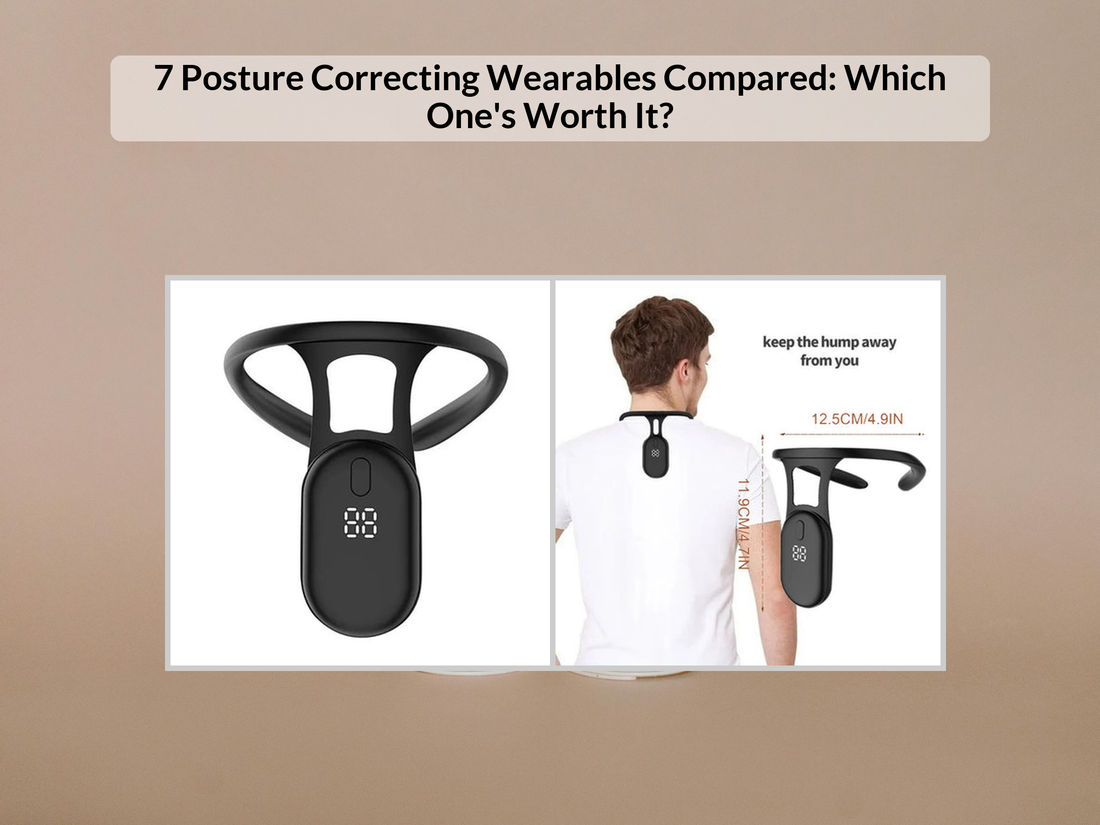
Q: Can posture correcting wearables really improve your alignment and confidence?
A: Yes. Smart posture correcting wearables provide gentle vibration reminders that train muscle memory, encouraging better posture over time. These lightweight devices detect slouching and nudge you to sit upright, helping build healthier posture habits without bulky braces.
Best Wearable Posture Correctors (2026): Smart Devices That Vibrate When You Slouch
Posture correcting wearables promise better alignment without bulky braces or endless appointments. But with so many options available, how do you know which one actually works? We analyzed posture trainer reviews, compared electronic posture correctors, and evaluated the latest posture monitoring devices designed for everyday use.
These smart posture trainers use sensors and vibration reminders to help you recognize slouching and build better posture habits over time. Below, we compare the most popular wearable posture correctors to help you find the right device for your daily routine.
⏱ 8 min read
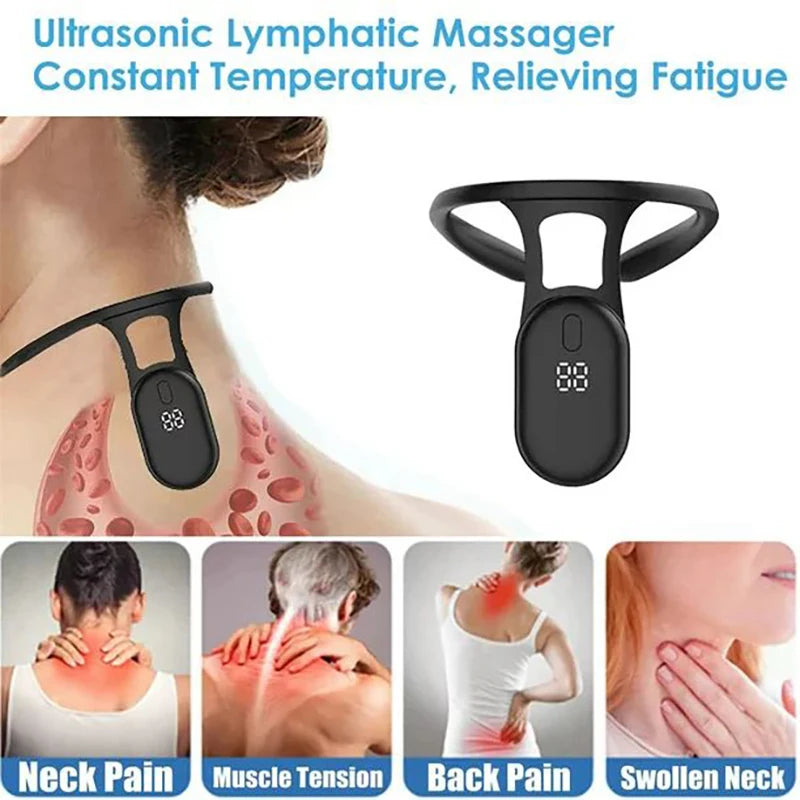
💡 See it in action: posture correcting wearables improve form & boost confidence effortlessly
What Is a Wearable Posture Corrector?
A wearable posture corrector is a small electronic device designed to monitor your spine alignment and alert you when you begin to slouch. Unlike traditional braces that physically pull your shoulders back, modern posture wearable devices use sensors and vibration feedback to train better posture habits over time.
Most smart posture correctors attach to your upper back using adhesive pads, magnets, or clips. When the device detects that your shoulders are rounding forward or your spine angle changes beyond a set threshold, it sends a gentle vibration reminder.
This feedback helps you become aware of poor posture in real time, making it easier to correct your position before strain builds in your neck, shoulders, or lower back.
How a Posture Wearable Device Detects Slouching
A modern posture monitoring device typically uses motion sensors such as accelerometers and gyroscopes to measure your body angle relative to gravity.
- Accelerometers detect tilt and body movement
- Gyroscopes track orientation and posture changes
- Algorithms determine when you are slouching
When your posture falls outside the calibrated range, the device triggers a vibration alert. Some digital posture correctors also sync with mobile apps that track posture statistics throughout the day.
Why Vibration Feedback Helps Train Posture
A device that vibrates when you slouch works by reinforcing awareness rather than forcing your body into position.
- You begin to slouch.
- The vibrating posture trainer sends a gentle buzz.
- You correct your posture.
- Your body gradually learns the correct position.
This feedback loop helps build posture awareness, which is why many ergonomics specialists recommend smart posture trainers over rigid braces.
Do Wearable Posture Correctors Actually Work?
Research in ergonomics suggests that posture feedback devices can help improve posture awareness and reduce slouching when used consistently.
The key benefit of a smart posture corrector is that it trains your muscles and habits rather than forcing posture artificially. Many users report noticeable posture improvement within 2–4 weeks of regular use.
For best results, posture trainers should be combined with proper desk ergonomics, regular movement breaks, and strengthening exercises for the upper back and core.
Best Wearable Posture Correctors Tested
To help you find the best wearable posture corrector, we compared several popular posture wearable devices based on comfort, sensor accuracy, vibration feedback, battery life, and app functionality.
The following smart posture corrector reviews include both established brands and newer posture monitoring devices designed for desk workers, students, and remote professionals.
- Accuracy of slouch detection
- Strength and timing of vibration reminders
- Comfort during long sitting sessions
- Mobile app tracking and posture analytics
- Battery life and charging convenience

💡 Posture trainer reviews show these wearables help improve confidence and form
KentDO™ Smart Posture Corrector
This sleek, sensor-driven posture trainer vibrates gently when you slouch. The lightweight design fits discreetly under clothing, making it popular among office workers and remote professionals who sit for long hours.
- ✅ Vibration feedback + app tracking
- ✅ Adjustable for adults and teens
- ❌ Reminder-based rather than rigid correction
Upright GO 2
The Upright GO 2 attaches directly between your shoulder blades and vibrates whenever your posture drifts forward. Its companion app offers guided posture training programs and daily posture scores.
- ✅ Compact and discreet design
- ✅ Strong mobile app support
- ❌ Adhesive pads require replacement
BackTone Posture Monitor
BackTone focuses on simplicity. It provides vibration alerts when slouching is detected but skips advanced app integration, making it an easy entry-level posture reminder device.
- ✅ Affordable option
- ✅ Simple and easy to use
- ❌ Limited tracking features
SpineHero Smart Sensor
SpineHero includes Bluetooth tracking and posture scoring that helps users monitor improvement over time. It is designed for users who want more detailed posture analytics.
- ✅ Posture scoring system
- ✅ Custom feedback settings
- ❌ Slightly bulkier design
Lumo Lift
Lumo Lift attaches to clothing using a magnetic clasp and vibrates when posture slips. The device also tracks daily activity and steps, blending posture training with fitness monitoring.
- ✅ Multi-purpose health tracking
- ✅ Comfortable magnetic clip design
- ❌ Limited availability today
SmartWear FitSense
This hybrid wearable combines posture monitoring with fitness metrics such as steps and movement tracking, appealing to users who want a broader wellness device.
- ✅ Tracks posture and activity
- ✅ Ideal for active users
- ❌ Faster battery drain
VIBRA Core Posture Coach
VIBRA Core focuses on strong vibration feedback to quickly correct slouching habits. While slightly more noticeable under clothing, it is effective for posture training beginners.
- ✅ Strong vibration reminders
- ✅ Fast habit training
- ❌ Less discreet under tight clothing
Comparison Table: Top Wearable Posture Trainers
If you're comparing multiple smart posture correctors, the table below highlights the most important features side by side.
This overview helps you quickly evaluate vibration feedback, app support, battery life, and comfort before choosing the best posture correction device.
| Device | Vibration Alert | App Integration | Battery Life | Discreet Design |
|---|---|---|---|---|
| KentDO™ | ✅ | ✅ | 8+ hrs | ✅ |
| Upright GO 2 | ✅ | ✅ | 10 hrs | ✅ |
| BackTone | ✅ | ❌ | 6 hrs | ✅ |
| SpineHero | ✅ | ✅ | 12 hrs | ❌ |
Upright GO vs Lumo Lift: Which Smart Posture Trainer Is Better?
Two of the most widely discussed posture wearable devices are the Upright GO 2 and the Lumo Lift. Both vibrate when you slouch but differ in design and functionality.
Sensor Accuracy
The Upright GO 2 uses advanced sensors to detect subtle posture changes and is often considered one of the most accurate posture monitoring devices available. Lumo Lift tracks posture as well but emphasizes activity tracking.
App Experience
The Upright app focuses on posture training sessions, posture scores, and progress reports. Lumo Lift’s app combines posture reminders with wellness metrics like step counting.
Battery Life and Comfort
Upright GO typically offers longer battery life and attaches using adhesive pads. Lumo Lift uses a magnetic clip attached to clothing, which some users prefer for convenience.
Users focused purely on posture correction often prefer Upright GO 2, while those wanting combined posture and activity tracking may prefer Lumo Lift.
How Wearable Posture Correctors Train Your Back Over Time
A smart posture corrector works differently from traditional braces because it focuses on behavioral training rather than physical restriction.
Habit Training vs Passive Bracing
Traditional braces hold your shoulders back artificially. While this can temporarily improve posture, wearing them for long periods may reduce muscle engagement.
A posture reminder device simply alerts you when slouching begins. This encourages your muscles to actively maintain healthy alignment.
What Physical Therapists Say About Posture Trainer Devices
Many ergonomics experts recommend posture trainer devices as part of a broader posture improvement routine.
- Use posture reminder devices during work sessions
- Strengthen upper-back and core muscles
- Improve desk ergonomics
- Take regular standing or stretching breaks
When used consistently, a digital posture corrector can reinforce healthier posture habits throughout the day.
How to Choose the Best Smart Posture Corrector
Not all posture wearable devices are built the same. Several factors determine whether a smart posture trainer will work well for your lifestyle.
Sensor Type (Gyroscope vs Accelerometer)
Most electronic posture correctors use accelerometers or gyroscopes to detect posture changes. Devices combining both sensors often provide more precise tracking.
App Tracking and Posture Analytics
Many smart posture trainers connect to apps that track posture sessions and improvement over time. Detailed analytics can help reinforce consistent posture training.
Comfort, Adhesive, or Clip Designs
- Adhesive sensors attach directly to the back
- Magnetic clip devices attach to clothing
Your preference will depend on comfort and how frequently you plan to wear the device.
Battery Life and Charging
Some posture trainers last several days per charge while others require daily charging. For full workdays, longer battery life is often the better choice.
Want more tech tools for home wellness? Explore our Body Care and Health Devices collection for more lifestyle-supporting gadgets.

💡 Posture correcting wearables like KentDO™ promote confidence and body awareness
Who Should Use a Posture Reminder Device?
Wearable posture correctors are especially useful for people who spend long hours sitting or looking down at screens.
Desk Workers and Remote Professionals
Computer-based work often leads to rounded shoulders and forward-head posture. A smart posture corrector provides reminders to sit upright throughout the workday.
Students and Gamers
Students and gamers frequently lean toward screens for extended periods. A vibrating posture trainer helps prevent long-term slouching habits.
People Recovering From Back Pain
Some individuals with mild neck or upper-back discomfort use posture wearable devices alongside stretching and strengthening routines to reinforce healthier alignment.
Mini FAQ: Wearable Posture Correctors
Are vibrating posture trainers safe?
Yes. Most posture reminder devices use gentle vibration alerts that simply notify you when you slouch. They do not force your body into position, making them safe for daily posture awareness.
Can a posture wearable replace exercise?
No. While posture trainers help build awareness, strengthening the core and upper-back muscles is still important for long-term posture improvement.
How long should you wear a posture monitoring device?
Many users begin with 20–30 minutes per day and gradually increase to 1–2 hours during focused work sessions.
Do smart posture correctors work without the app?
Yes. Most devices still vibrate when slouching is detected even without the mobile app. However, the app provides posture tracking and progress insights.
Related Articles:
- The Truth About Posture Correctors: Do They Really Work?
- Does a Back Posture Corrector Work for You? Honest Review Roundup
- How to Wear a Posture Corrector: Mistakes That Kill Results
- Do Posture Correctors Work? Experts Test the Top 5 Picks
- Wearable Posture Correctors: Which Models Actually Work in 2025?
Pillar Articles: