

Does an adjustable bunion corrector really improve foot alignment?
An adjustable bunion corrector is designed to gently guide the big toe toward a more natural position while helping reduce pressure on the bunion joint. Although it cannot permanently reverse hallux valgus, consistent use may ease discomfort, improve toe alignment adjustment , and support everyday mobility. Adjustable designs also allow users to customize the level of correction for greater comfort during both daytime and overnight wear.
Adjustable Bunion Corrector Comparison: Which Design Fits Best?
⏱ 7 min read
Finding the right bunion brace involves more than choosing the strongest splint. Comfort, adjustability, materials, and intended use all influence long-term results because a brace only works when it is worn consistently. This comparison reviews the most common adjustable bunion corrector designs, explains their strengths and limitations, and helps you determine which style best matches your needs.
Why Adjustable Bunion Correctors Matter
An adjustable orthopedic bunion corrector offers greater flexibility than fixed splints by allowing gradual toe alignment adjustment as comfort levels change. This controlled tension helps reduce pressure on the first metatarsophalangeal joint while encouraging consistent wear, which is one of the most important factors for relieving bunion-related discomfort.
Adjustable braces are available in soft, rigid, and hybrid designs to accommodate different levels of hallux valgus and different daily routines. Selecting the right design improves comfort, reduces friction inside footwear, and provides appropriate support whether you need a brace for walking, resting, or sleeping.
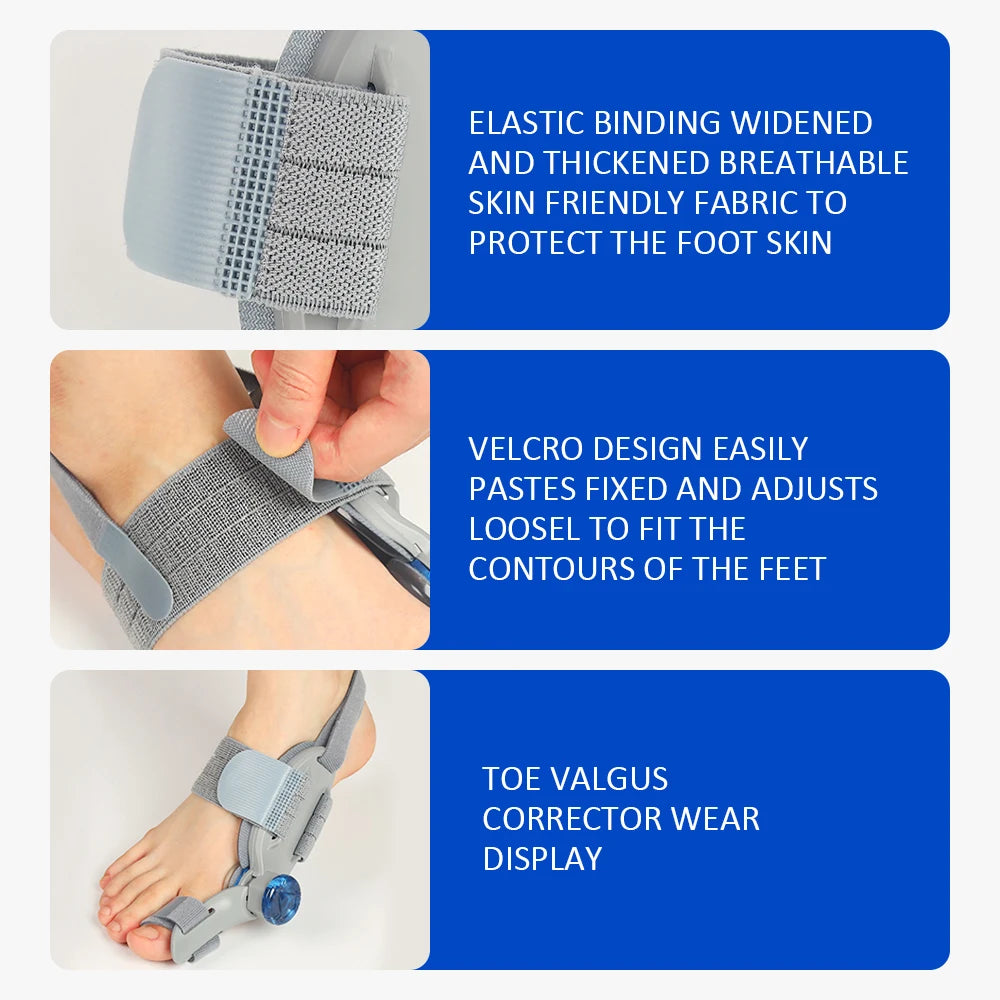
Adjustable bunion corrector - KentDO, flexible toe alignment adjustment. See it in action.
Which style suits you best?
Soft strap braces prioritize flexibility for daytime activities, while rigid splints provide stronger stabilization during overnight use. Hybrid models combine adjustable straps with structured support, making them suitable for users seeking a balance between comfort and corrective positioning.
Key Design Features to Compare
Velcro vs. hinge systems
Velcro closures provide highly adjustable compression and are simple to tighten or loosen throughout the day. Hinged braces maintain a more consistent correction angle and are generally better suited for nighttime wear when maximum support is preferred.
Rigid vs. flexible splints
Rigid splints deliver stronger immobilization and alignment support, whereas flexible splints prioritize comfort and natural movement. Choosing between them depends on whether your goal is overnight correction or daytime mobility.
Toe separator integration
Some adjustable braces include silicone toe separators that help reduce friction between the first and second toes while promoting a more comfortable toe position. This added feature may improve comfort for users with overlapping toes or irritation.
Breathable materials
Lightweight, moisture-wicking fabrics improve airflow, reduce heat buildup, and minimize skin irritation during extended wear. Washable materials also help maintain hygiene and extend product lifespan.
- Strap adjustability: Allows gradual correction while minimizing excessive pressure.
- Material comfort: Breathable fabrics improve long-term wearability.
- Splint design: Choose between flexible or rigid support based on your routine.
- Day vs. night compatibility: Match the brace to when you plan to wear it most often.
- Ease of cleaning: Washable components improve hygiene and durability.
Top Adjustable Bunion Corrector Comparison
An adjustable bunion corrector comparison should evaluate comfort, correction strength, adjustability, and practicality. The comparison below highlights the characteristics of the most common brace designs to help you select the right option for your needs.
| Design | Adjustability | Comfort | Best Use | Pros | Cons |
|---|---|---|---|---|---|
| Soft Strap Brace | Excellent, multi-point Velcro adjustment | High | Walking and daytime wear | Lightweight, breathable, fits inside many shoes | Provides moderate corrective support |
| Rigid Hinge Brace | Moderate, structured splint | Medium | Nighttime recovery | Strong stabilization and alignment support | Bulky and generally unsuitable for shoes |
| Hybrid Adjustable Brace | Excellent, straps with hinge support | High | Day & night versatility | Balances comfort with corrective positioning | Slightly bulkier than soft strap designs |
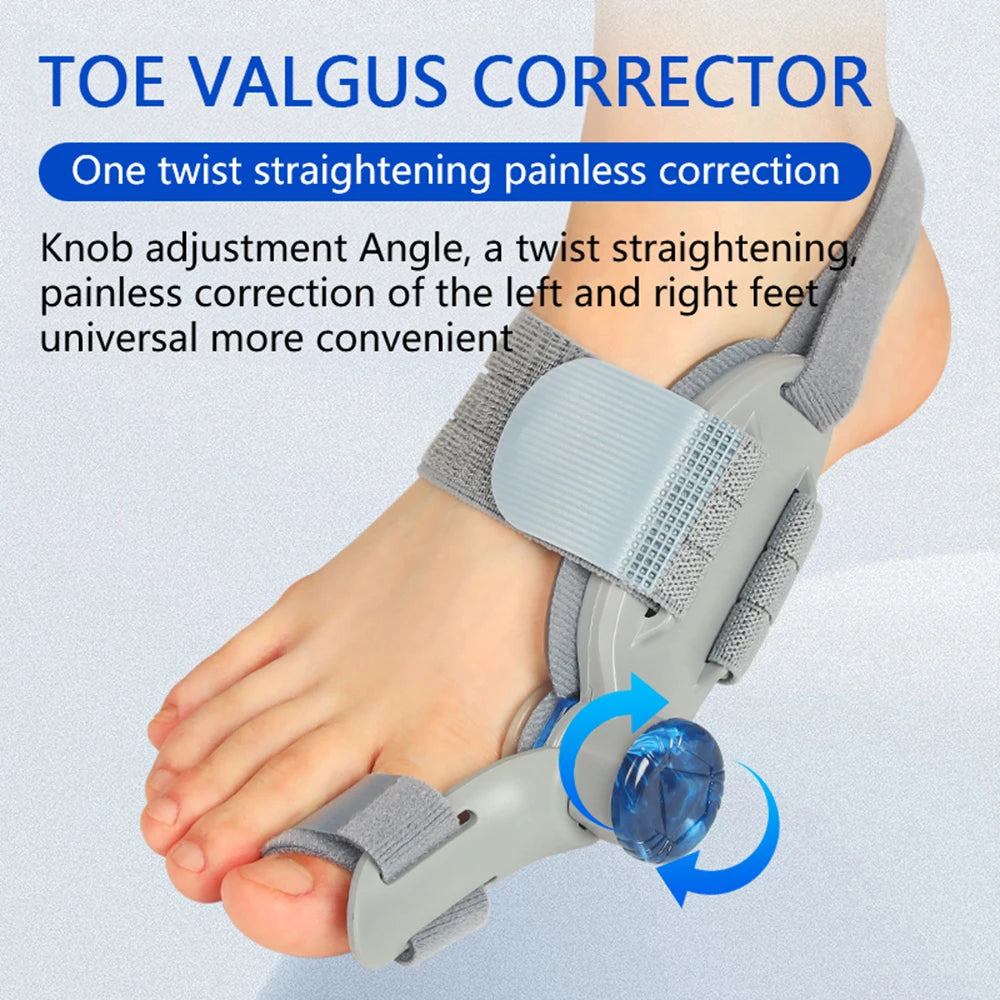
Adjustable orthopedic bunion corrector - KentDO, compare popular designs for daytime and overnight use.
Day vs. Night Use: What to Know
Choosing the appropriate brace for the time of day can improve comfort, encourage consistent wear, and help manage bunion-related symptoms more effectively. Daytime models are designed to fit inside compatible footwear and allow natural movement, while nighttime splints provide firmer support when the foot is at rest.
When to wear a daytime brace
- Slim profile: Fits comfortably inside many wide-toe-box shoes.
- Flexible support: Allows walking and routine daily activities.
- Breathable materials: Helps reduce heat and moisture during extended wear.
When to wear a nighttime splint
- Stronger stabilization: Maintains a consistent toe position while sleeping.
- No shoe restrictions: Bulkier designs are more comfortable when resting.
- Extended wear time: Several uninterrupted hours may improve overall comfort.
Best approach for many users
Many people benefit from using a lightweight brace during the day and switching to a more supportive splint at night. This combination provides a balance between mobility and corrective support while encouraging long-term consistency.
Usage Tips for Best Results
- Begin with 20 to 30 minutes of wear and gradually increase the duration as your foot adapts.
- Adjust straps until the brace feels supportive without causing numbness, excessive pressure, or pain.
- Check skin and toe position regularly, especially during the first few weeks of use.
- Wear supportive footwear with a roomy toe box when using a daytime brace.
- Clean the brace according to the manufacturer's instructions and allow it to dry completely before reuse.
Symptom relief varies by individual, but many users report improved comfort after several weeks of consistent use. For additional foot care solutions, explore the Body Care and Health Devices collection.
Who Should and Shouldn't Use a Bunion Corrector
Mild to moderate bunions
Adjustable bunion correctors are generally most beneficial for people with mild to moderate hallux valgus who want to reduce pressure on the joint, improve comfort, and encourage more consistent toe positioning. They are intended to support conservative management rather than permanently reverse the underlying deformity.
When to see a podiatrist
Seek professional evaluation if your bunion pain becomes severe, walking is significantly limited, the joint becomes swollen or inflamed, or the toe continues to drift despite conservative treatment. A podiatrist can recommend orthotics, physical therapy, footwear modifications, or discuss whether surgery may be appropriate.
Safety considerations
- Stop using the brace if it causes numbness, tingling, or significant discomfort.
- Avoid over-tightening adjustment straps, which may reduce circulation or increase joint irritation.
- People with diabetes, peripheral neuropathy, poor circulation, or open wounds should consult a healthcare professional before using a bunion corrector.
- Inspect your skin regularly for redness or pressure points, particularly during the first few weeks of use.
Do Bunion Correctors Work? What the Evidence Says
Pain relief versus structural correction
Clinical evidence suggests that bunion correctors can help reduce pain, improve comfort, and decrease pressure on the bunion while they are being worn. However, there is limited evidence that braces permanently realign the bones or eliminate an established bunion without surgical treatment.
Who benefits most
People with early-stage bunions, intermittent discomfort, or irritation from footwear often experience the greatest benefit. Consistent use alongside supportive shoes, toe-strengthening exercises, and other conservative treatments may improve daily comfort and function.
Realistic expectations
Many users notice reduced soreness and improved comfort within several weeks of regular wear, but results vary according to bunion severity, activity level, and overall foot mechanics. A bunion corrector should be viewed as part of a comprehensive foot-care routine rather than a permanent cure.
How to Choose the Right Adjustable Bunion Corrector
Choose according to bunion severity
Soft adjustable braces are often sufficient for mild bunions and daytime comfort, while moderate to severe cases may benefit from more structured designs intended for overnight support.
Consider day and night designs
If you plan to wear a brace while walking, prioritize slim, flexible models that fit comfortably inside appropriate footwear. For sleeping, choose a more supportive splint that maintains gentle alignment throughout the night.
Check sizing and fit
An effective brace should fit securely without creating pressure points. Adjustable straps make it easier to customize the fit as swelling and comfort levels change throughout the day.
Evaluate materials and comfort
Look for breathable, washable materials with durable fasteners that withstand repeated adjustment. Soft padding around the bunion joint can also improve comfort during extended wear.
How We Evaluated Adjustable Bunion Correctors
Testing criteria
To compare adjustable bunion correctors fairly, we focused on the features that most influence everyday comfort and long-term usability. Each design was evaluated for support level, adjustability, ease of fitting, comfort during extended wear, durability, and suitability for different stages of hallux valgus.
Comfort and fit
A quality brace should distribute pressure evenly without creating painful pressure points. Soft padding, breathable materials, and adjustable straps help improve comfort while reducing friction against the bunion during daily use.
Adjustability
Braces with multiple adjustment points make it easier to customize tension as comfort needs change. Gradual adjustment also helps users avoid excessive pressure while maintaining gentle alignment support.
Durability
Reliable stitching, durable hook-and-loop fasteners, washable materials, and reinforced splints contribute to a longer product lifespan. A brace that maintains its structure through repeated use is more likely to provide consistent support over time.
Common Mistakes to Avoid When Using a Bunion Corrector
- Over-tightening the brace: Excessive tension may increase discomfort instead of improving alignment.
- Expecting permanent correction: Adjustable braces are intended to relieve symptoms and support toe positioning rather than permanently reverse bunions.
- Wearing incompatible footwear: Shoes with narrow toe boxes can counteract the benefits of a daytime brace.
- Using the brace inconsistently: Regular, gradual use generally provides better results than occasional wear.
- Ignoring persistent pain: If discomfort worsens or the joint becomes increasingly inflamed, seek advice from a qualified healthcare professional.
How to Use an Adjustable Bunion Corrector for Best Results
Proper fitting
A bunion corrector splint adjustable should fit snugly without causing pain, numbness, or restricted circulation. Position the toe separator (if included) comfortably between the toes, then tighten the straps gradually until the brace feels supportive rather than overly restrictive. A secure but comfortable fit encourages longer wear and better day-to-day consistency.
Wear schedule
Start by wearing the brace for 20 to 30 minutes each day before gradually increasing the duration over several weeks. Daytime models are best suited for light activities and supportive footwear with a wide toe box, while more structured splints are often better reserved for overnight use.
Cleaning and maintenance
Wash the brace regularly according to the manufacturer's care instructions to remove sweat and debris. Allow it to air dry completely before reuse, and inspect straps, stitching, and splints periodically for signs of wear to help maintain consistent support and extend product lifespan.
Common mistakes
- Over-tightening straps in an attempt to speed correction.
- Using the brace inconsistently instead of following a regular wear schedule.
- Wearing narrow or tight shoes that place additional pressure on the bunion.
- Continuing to wear the brace despite persistent pain, numbness, or skin irritation.
- Expecting a brace to permanently reverse an established bunion without other appropriate treatment.
Frequently Asked Questions
What is the best adjustable bunion corrector for big toe alignment?
The best option provides adjustable tension, breathable materials, durable construction, and a secure fit that matches your intended use. Daytime braces prioritize flexibility, while nighttime splints emphasize stronger alignment support.
Do adjustable bunion correctors really work?
They can help reduce discomfort, improve toe positioning while worn, and decrease pressure on the bunion. Although they do not permanently correct the underlying bone alignment, they are commonly used as part of conservative bunion management.
Can you wear a bunion corrector while walking?
Yes, provided you choose a slim, flexible design intended for daytime wear and pair it with supportive footwear that has a roomy toe box.
Should I wear a bunion corrector during the day or at night?
Many people benefit from both. A lightweight brace can provide comfort during daily activities, while a more rigid splint is often more appropriate for overnight support.
How long does it take to see results from a bunion corrector?
Comfort improvements may be noticeable within several weeks of consistent use, although individual results vary depending on bunion severity, daily activity, footwear, and overall foot mechanics.
How do I choose the right size adjustable bunion corrector?
Select a model that matches your foot measurements and offers multiple adjustment points. The brace should remain secure without causing pressure points or restricting circulation.
Are adjustable orthopedic bunion correctors safe for daily use?
Most are safe when used according to the manufacturer's instructions. If you have diabetes, poor circulation, peripheral neuropathy, or open wounds, consult a healthcare professional before use.
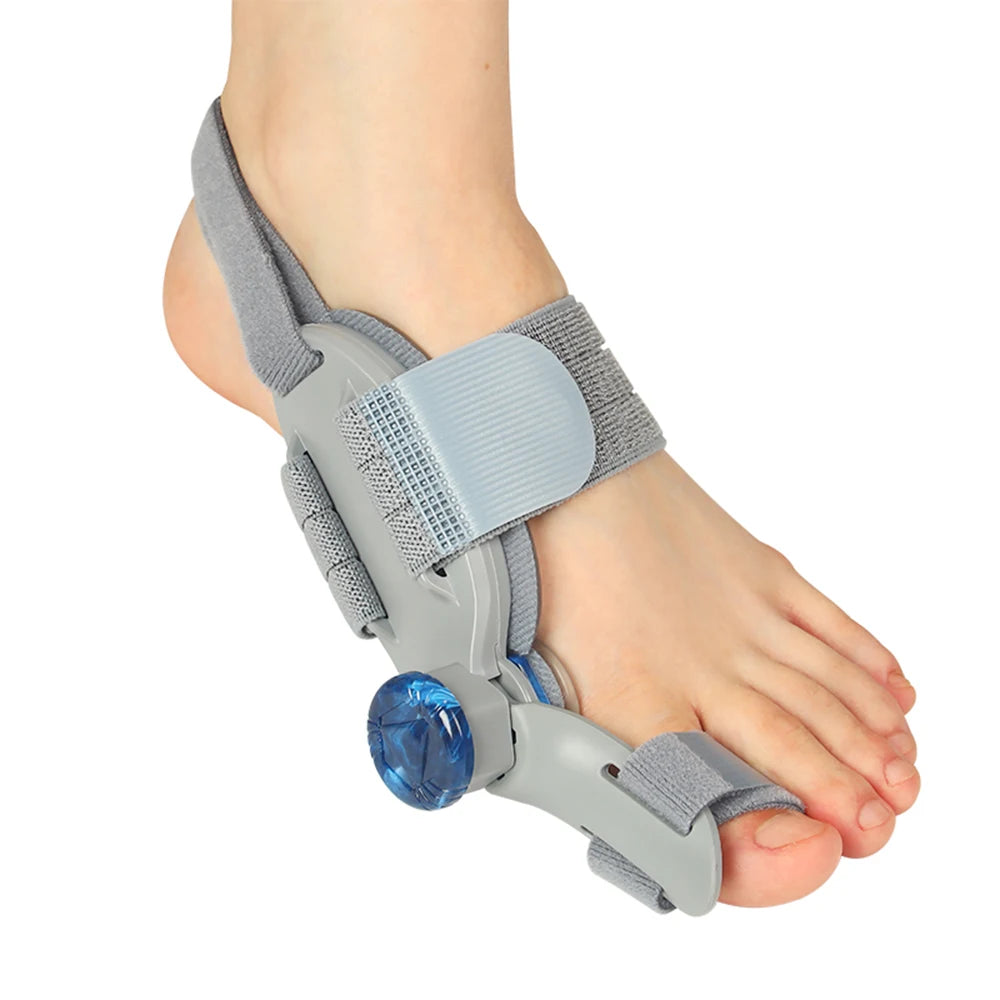
Adjustable foot brace - KentDO, designed to support comfortable toe alignment throughout your daily routine.
Choosing the right adjustable bunion corrector comes down to finding the right balance of comfort, adjustability, and consistent use. Combined with supportive footwear and healthy foot-care habits, an appropriate brace can help reduce everyday discomfort and improve confidence during daily activities. Explore the KentDO Adjustable Bunion Corrector to learn more.
Related Guide: Non surgical bunion correction comparison for real relief













