Does an adjustable fit ski helmet really improve comfort and stability?
An adjustable fit ski helmet improves comfort and control by letting you fine-tune pressure around your head using a dial system. This reduces common ski helmet fit issues, helps prevent ear discomfort, and supports better stability on the slopes by keeping the helmet securely in place without over-tightening.
Ski Helmet Hurts Ears? Causes, Fit Fixes, and Adjustment Guide
If your ski helmet hurts your ears, the issue is usually related to fit, pressure distribution, or improper adjustment rather than the helmet itself. Understanding what's causing the discomfort is the first step toward fixing it. This guide walks you through the most common causes, how a ski helmet should fit, and practical ways to adjust your helmet for all-day comfort on the mountain.
⏱ 6 min read
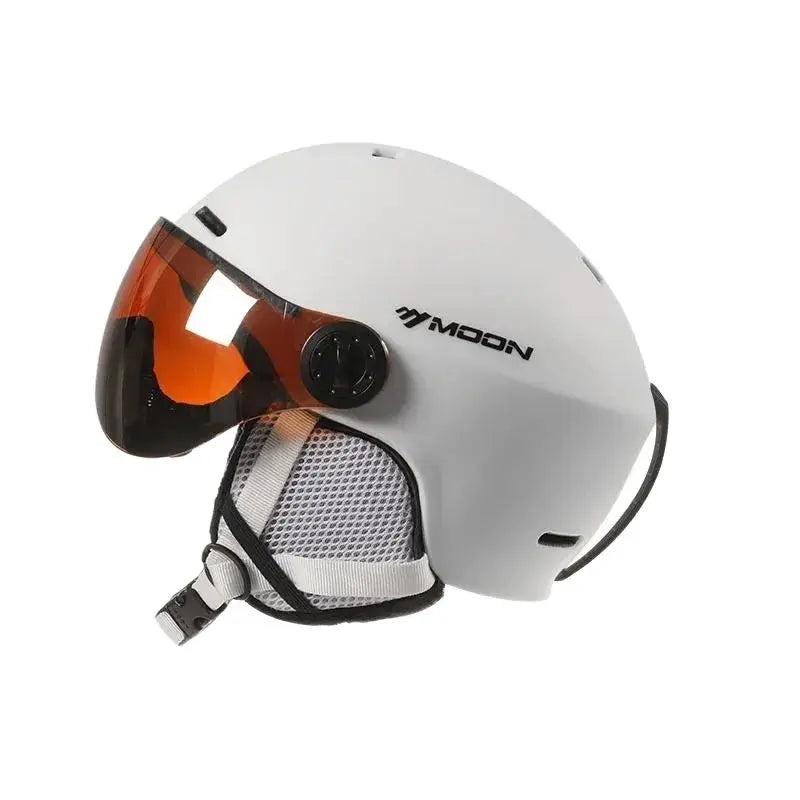
Adjustable fit ski helmet comfort in action—stable, warm, and distraction-free.
Are Diesel Heaters Safe Indoors? The Short Answer
Yes, diesel heaters are safe indoors when they are purpose-built vented units that are installed correctly and maintained properly. Modern diesel air heaters use a sealed combustion chamber that keeps combustion gases separate from the heated cabin air. However, improper installation, damaged exhaust components, or poor maintenance can create serious safety hazards.
When diesel heaters are safe to use indoors
Properly installed vented diesel heaters are commonly used in RVs, campervans, boats, workshops, and cabins. Safety depends on routing exhaust gases outdoors, supplying combustion air from outside, and following the manufacturer's installation instructions.
Why the answer depends on heater design
Not all heaters operate the same way. Vented diesel heaters isolate combustion from the occupied space, while unvented combustion appliances release combustion by-products directly into the room. This distinction is why heater design matters more than the fuel itself.
Common misconceptions about indoor diesel heaters
- Diesel fuel itself does not automatically make a heater dangerous indoors.
- A sealed, vented diesel heater should never intentionally vent exhaust into the living space.
- Carbon monoxide risks are primarily associated with installation failures, exhaust leaks, or inadequate maintenance.
How Diesel Heaters Work
Combustion chamber and heat exchanger
A diesel air heater burns fuel inside a sealed combustion chamber. The heat generated passes through a heat exchanger, warming clean cabin air that never mixes with combustion gases.
Fresh air intake and exhaust system
Outside air feeds the combustion process through a dedicated intake. Exhaust gases leave through a separate exhaust pipe routed outside the occupied space.
Why cabin air stays separate from exhaust
The heat exchanger creates a physical barrier between the combustion system and the heated air delivered into the cabin. When the heater remains in good condition, exhaust gases—including carbon monoxide—should never mix with the warm air entering the room.
Related guides:

Dial systems help resolve fit issues quickly and precisely.
Do Diesel Heaters Produce Carbon Monoxide?
How carbon monoxide forms
Yes. Like virtually all fuel-burning appliances, diesel heaters produce carbon monoxide during combustion. Under normal operation, these gases remain inside the sealed combustion circuit and are expelled outdoors through the exhaust.
When CO enters occupied spaces
Carbon monoxide can become dangerous if exhaust pipes leak, exhaust outlets become blocked, heat exchangers fail, or installation errors allow exhaust gases to re-enter the occupied area.
Why proper venting is critical
Correct exhaust routing and regular inspections dramatically reduce carbon monoxide risk. Every indoor installation should include a working carbon monoxide detector regardless of heater brand.
Related reading: Diesel Heater Exhaust Routing Best Practices
Safe Indoor Installation Requirements
Correct exhaust routing
Route exhaust piping outdoors using approved components, maintaining proper clearances from combustible materials. Avoid sharp bends or low points where condensation may collect.
Combustion air intake placement
Position the combustion air intake where it can draw clean outside air without pulling in exhaust gases from the heater outlet.
Fuel system and electrical safety
Use manufacturer-approved fuel lines, secure electrical connections, proper fusing, and vibration-resistant mounting hardware. Fuel leaks and electrical faults increase fire risk.
Ventilation recommendations
Although vented diesel heaters use sealed combustion, maintaining normal ventilation helps ensure good indoor air quality and provides an additional safety margin.
Where Can You Safely Use a Diesel Heater?
RVs and campervans
Diesel heaters are widely used in RVs and campervans because they provide efficient heat while keeping combustion outside the living space when properly installed.
Garages and workshops
Garages and workshops can safely use vented diesel heaters provided installation follows applicable codes and exhaust gases are vented outdoors.
Cabins and sheds
Off-grid cabins and insulated sheds often benefit from diesel heaters due to their fuel efficiency and ability to operate independently of natural gas service.
Why tents and sleeping areas require extra caution
Portable diesel heaters should never discharge exhaust into a tent. If heating a tent, the combustion unit should remain outside while warm air is ducted inside according to the manufacturer's design. Sleeping areas should always have a functioning carbon monoxide detector.
Common Installation and Maintenance Mistakes
Blocked exhausts
Snow, mud, insects, or debris can obstruct exhaust flow, causing poor combustion and unsafe operating conditions.
Leaking exhaust joints
Loose clamps, damaged gaskets, or corroded exhaust pipes may allow combustion gases to escape before reaching the outdoor outlet.
Poor maintenance
Ignoring routine inspection can allow carbon buildup, worn components, or fuel system issues to develop unnoticed.
Using non-approved components
Substituting incompatible fuel lines, exhaust tubing, or electrical components can compromise both performance and safety.
Related guides:
Warning Signs Your Diesel Heater Is Unsafe
Smoke or exhaust smells
Any diesel exhaust smell inside an occupied space should be treated as a warning sign requiring immediate shutdown and inspection.
Frequent shutdowns
Unexpected shutdowns may indicate airflow restrictions, fuel delivery problems, or overheating.
Unusual noises or soot
Excessive soot, abnormal vibration, or unusual operating sounds may indicate incomplete combustion or mechanical wear.
CO alarm activation
If a carbon monoxide detector activates, turn the heater off immediately, evacuate the area, ventilate the space, and identify the cause before operating the heater again.
Diesel Heater Pros and Cons
Advantages of vented diesel heaters
- Efficient heating with relatively low fuel consumption.
- Sealed combustion keeps exhaust outside occupied spaces.
- Suitable for RVs, workshops, boats, and off-grid buildings.
- Reliable operation in cold weather.
Limitations and risks
- Professional installation is strongly recommended.
- Routine maintenance is essential.
- Carbon monoxide risks remain if exhaust systems fail.
- Initial installation is more complex than electric heaters.
Who should consider alternatives
If permanent venting cannot be installed or regular maintenance cannot be performed, an electric heater may be a safer choice for indoor heating.
Are Diesel Heaters Safer Than Gasoline Heaters?
| Feature | Diesel Heater | Gasoline Heater |
|---|---|---|
| Fuel volatility | Lower | Higher |
| Sealed combustion availability | Common | Available on some models |
| Carbon monoxide production | Yes (must be vented) | Yes (must be vented) |
| Cold-weather performance | Excellent | Good |
Combustion differences
Both fuels generate combustion gases and require proper venting. The heater's design and installation have a greater impact on safety than the choice of fuel.
Fire and fuel risks
Diesel fuel is generally less volatile than gasoline, which may reduce certain handling risks. However, either fuel can be hazardous if leaks occur.
Carbon monoxide comparison
Both diesel and gasoline heaters can produce carbon monoxide. Proper venting, maintenance, and functioning CO detectors remain essential regardless of fuel type.
Final Safety Checklist Before Every Use
- Inspect the exhaust system for damage or blockage.
- Verify all exhaust joints are secure.
- Confirm the combustion air intake is unobstructed.
- Check fuel lines for leaks.
- Test your carbon monoxide detector.
- Verify adequate airflow around the heater.
- Listen for unusual noises during startup.
- Stop using the heater immediately if you notice exhaust odors indoors.
Related guide: Choosing the Right Diesel Air Heater
Frequently Asked Questions
Are diesel heaters safe to leave on overnight?
A properly installed and maintained vented diesel heater may be designed for overnight operation, but you should always follow the manufacturer's instructions and use a functioning carbon monoxide detector.
Can you sleep with a diesel heater running?
Many RV owners do, but only when using a correctly installed vented heater with working CO alarms and a properly maintained exhaust system.
Do all diesel heaters produce carbon monoxide?
Yes. Carbon monoxide is a normal combustion by-product. Safe operation depends on keeping exhaust gases outside occupied spaces.
Can I use a diesel heater in a garage with the door closed?
A permanently installed vented diesel heater may be suitable for a garage, but portable combustion heaters that vent indoors should never be used in enclosed spaces.
Do diesel heaters need ventilation if they are vented?
Yes. While combustion is sealed, maintaining normal room ventilation supports healthy indoor air quality and provides an additional safety margin.
What type of carbon monoxide detector should I use with a diesel heater?
Use a certified carbon monoxide detector installed according to the manufacturer's recommendations and test it regularly.
Can a diesel heater be used inside a tent?
Only if the heater is specifically designed for that application and its combustion system remains outside the tent while heated air is ducted inside.
How often should a diesel heater be serviced?
Inspect the heater before each heating season and follow the manufacturer's recommended maintenance schedule. More frequent inspections are advisable for heavy use.
Related Guide: How Should a Ski Helmet Fit Step by Step for All-Day Comfort