

Do adjustable heat level socks really work?
Yes. Adjustable heat level socks work by using rechargeable batteries to power built-in heating elements around the toes and forefoot. They let you choose low, medium, or high heat settings, helping keep toes warm in cold conditions while improving comfort for commuting, hiking, winter sports, and everyday outdoor activities without excessive overheating.
⏱ 6 min read
Adjustable Heat Level Socks: How to Use Them Correctly
Cold feet can affect comfort, concentration, and outdoor performance during winter. Adjustable heat level socks provide targeted warmth exactly where your feet lose heat the fastest, allowing you to customize the temperature for changing weather conditions, daily commuting, outdoor adventures, or recovery after cold exposure. Learning how they work and using them correctly helps maximize warmth, battery life, and long-term comfort.
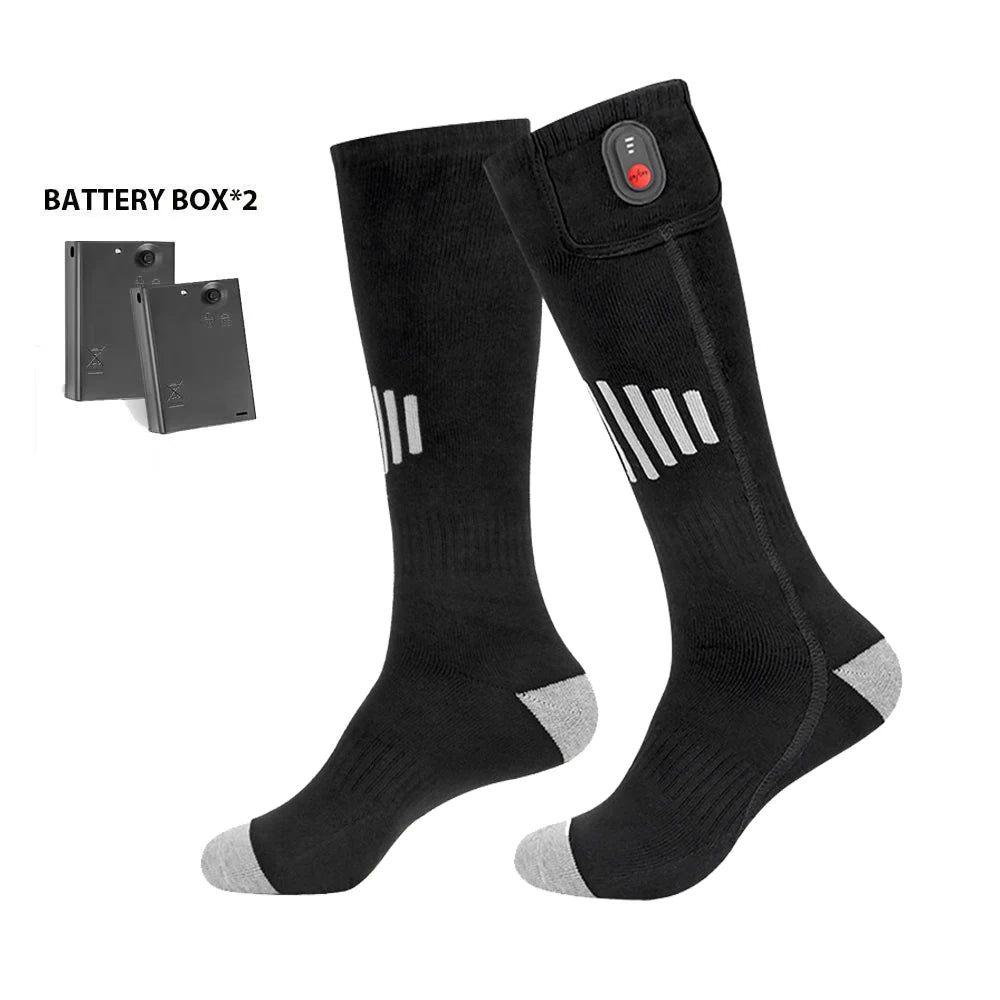
Adjustable heat level socks for daily comfort and control — See it in action
How Do Heated Socks Work?
Adjustable heat level socks are electric heated socks that combine soft insulating fabrics with rechargeable batteries and built-in heating elements. Unlike standard thermal heated socks that rely only on insulation, they actively generate warmth and allow you to adjust the temperature based on weather, activity level, and personal comfort.
Heating elements and battery system
Most electric heated socks use lightweight carbon fiber or composite heating elements positioned around the toes and forefoot—areas that typically become cold first. Once powered by a rechargeable battery pack, these heating elements distribute steady, even warmth without adding significant bulk.
Heat controller and adjustable settings
A compact controller or built-in power button allows you to switch between multiple heat levels. Lower settings help extend battery runtime for everyday wear, while higher settings provide additional warmth during prolonged exposure to freezing temperatures.
- Rechargeable battery: Powers the heating system for several hours depending on the selected temperature.
- Heating elements: Deliver targeted warmth across the forefoot and toes.
- Heat controller: Makes it easy to adjust between low, medium, and high heat settings as conditions change.
They’re often paired with other comfort solutions from Body Care and Health Devices to support circulation, recovery, and daily wellness.
Why Feet Get Cold Faster Than the Rest of Your Body
Your feet are among the first parts of the body to lose heat because they sit farther from your core and receive less blood flow when your body is exposed to cold. Limited movement, thin tissue around the toes, and contact with cold ground or snow all accelerate heat loss.
Keeping toes warm in winter requires more than thick socks alone. Electric heated socks provide consistent warmth directly where it's needed, helping maintain comfort even when circulation slows or outdoor temperatures continue to drop. Combined with properly insulated footwear, they offer a practical way to reduce cold-related discomfort during everyday activities and extended time outdoors.
How to Use Heated Socks Correctly
Following a consistent heated socks usage guide helps improve comfort, maximize battery performance, and ensure even heat distribution throughout the day. These heated socks instructions apply to most rechargeable models with adjustable heat settings.
Step 1: Fully charge the batteries
Charge both batteries completely before the first use using the supplied charger. A full charge typically takes 3–6 hours, depending on the battery capacity. Starting with fully charged batteries provides more consistent warmth and longer runtime.
Step 2: Connect and secure the battery packs
Insert each battery into its designated pocket near the upper cuff and securely connect the power cable. Confirm the connector is firmly attached before wearing the socks to avoid unexpected interruptions during use.
Step 3: Put on heated socks for the best fit
Wear the socks so the heating elements sit naturally over your toes and forefoot. Smooth out wrinkles or folds, as direct contact with your feet improves heat transfer. Choose footwear with enough room to avoid compressing the heating zones.
Step 4: Turn on and adjust heat levels
Power on the socks using the built-in controller or remote if included. Begin with a low or medium setting, then increase only if additional warmth is needed. This approach improves comfort while helping conserve battery power.
Step 5: Preheat before going outdoors
For very cold conditions, switch on the socks about 5–10 minutes before leaving indoors. Preheating allows warmth to build gradually, reducing the initial chill when stepping outside for hiking, skiing, hunting, or winter commuting.
Step 6: Monitor comfort and battery life
Adjust the temperature as weather conditions change throughout the day. If your feet become too warm, reduce the heat level rather than turning the socks off completely. Monitor the battery indicator when available and recharge after use to keep the batteries ready for your next outing.
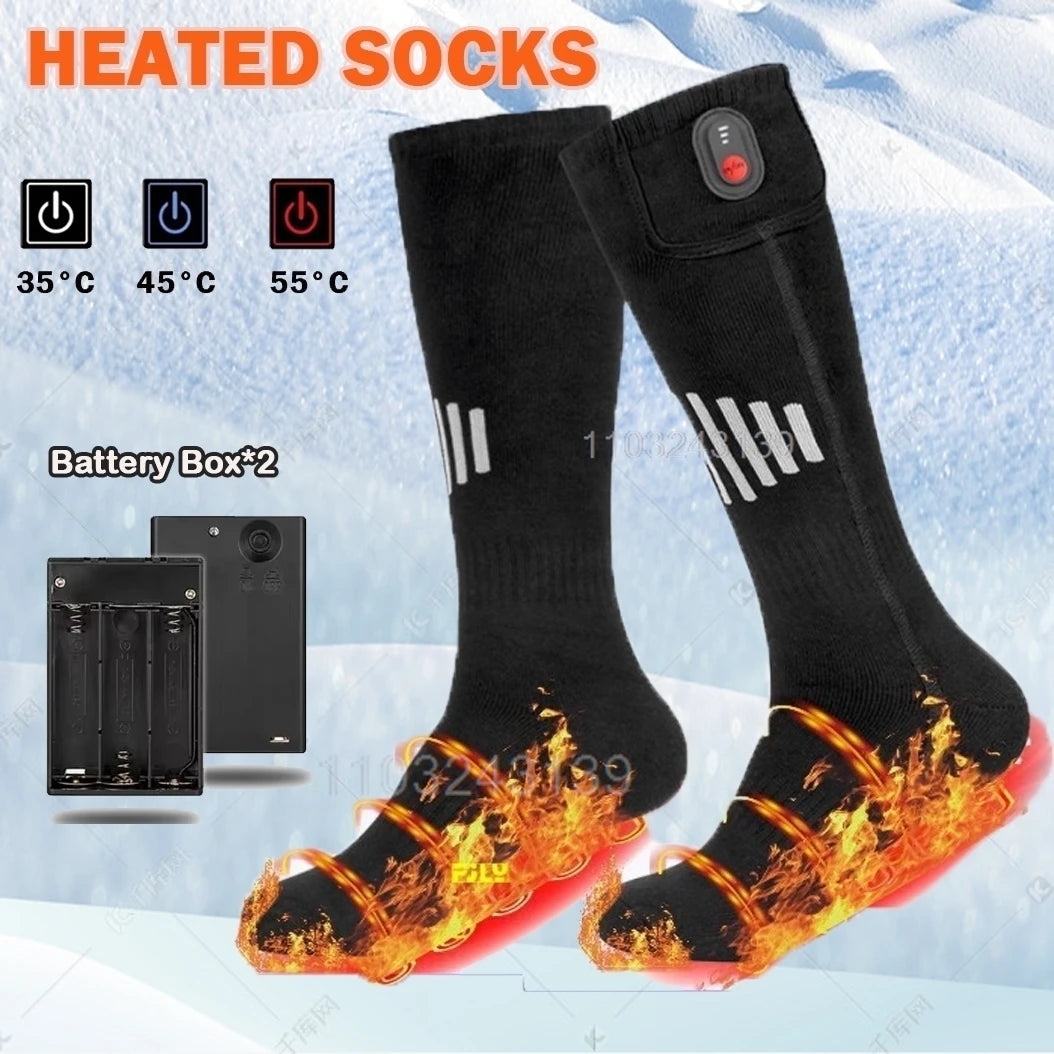
Electric heat socks in everyday use — See it in action
Choosing the Right Heat Setting for Every Activity
Selecting the appropriate heat level balances warmth, comfort, and battery runtime. The ideal setting depends on both the outside temperature and your activity level.
Low vs medium vs high heat
- Low: Best for indoor use, light walking, or mildly cold weather. Offers the longest battery runtime.
- Medium: A good choice for commuting, sightseeing, and everyday outdoor activities where temperatures fluctuate.
- High: Designed for freezing conditions or extended periods of inactivity, though it consumes battery power more quickly.
Best settings for hiking, skiing, hunting, commuting, and indoor use
| Activity | Recommended Setting |
|---|---|
| Indoor relaxation | Low |
| Office or commuting | Medium |
| Winter hiking | Medium to High |
| Skiing or snowboarding | High initially, then Medium |
| Hunting or ice fishing | High during long stationary periods |
Battery runtime by heat level
Lower heat settings generally provide the longest operating time, while high heat delivers maximum warmth at the expense of runtime. Many users begin on high to warm their feet quickly before switching to medium or low to maintain comfort and extend battery life.
For extended wear, many users choose adjustable heat level socks designed for balanced warmth rather than maximum heat output.
Heated Socks Size and Fit Guide
Choosing the correct heated socks size improves comfort, supports even heating, and helps prevent pressure points inside boots or shoes.
How to choose heated socks size
Start with the manufacturer's sizing chart and match it to your regular shoe size. If you plan to wear thicker winter boots, ensure there is enough space without compressing the heating elements or restricting circulation.
How tight heated socks should feel
Heated socks should fit snugly enough for the heating panels to remain in contact with your skin, but they should never feel restrictive. Proper contact delivers more consistent warmth while maintaining healthy circulation.
Footwear compatibility
Pair heated socks with insulated boots or shoes that provide enough room for natural toe movement. Tight footwear can reduce circulation and decrease heating efficiency regardless of the selected temperature setting.
Sizing mistakes to avoid
- Choosing oversized socks that reduce contact between the heating elements and your feet.
- Wearing multiple thick sock layers underneath, which can block heat transfer.
- Ignoring brand-specific sizing recommendations.
- Selecting boots that compress the batteries or heating zones.
Safety Tips When Using Electric Heated Socks
Following good heated socks safety practices helps protect your skin, improve battery performance, and extend the lifespan of your electric heated socks. Most issues can be avoided by using the recommended heat settings and following the manufacturer's care instructions.
Avoid overheating and skin irritation
- Start with a low or medium heat setting before switching to high when necessary.
- Avoid wearing heated socks over broken, irritated, or highly sensitive skin.
- Check your feet periodically during extended use, especially if you have reduced sensation in your feet.
- Turn the socks off and remove them if you notice unusual discomfort, excessive heat, or irritation.
Battery safety and charging best practices
- Always use the charger supplied or recommended by the manufacturer.
- Keep battery packs away from water, open flames, and excessive heat.
- Disconnect and remove the batteries before washing the socks.
- Allow batteries to cool before recharging after extended use.
- Inspect charging cables and connectors regularly for wear or damage.
Common Heated Socks Problems and Troubleshooting
Socks not heating
If your heated socks fail to warm up, first verify that both batteries are fully charged and securely connected. Check the controller, power button, and cable connections for signs of looseness or damage before assuming the heating elements have failed.
Uneven warmth
If one foot feels warmer than the other, reposition the socks so the heating elements align correctly over the toes and forefoot. Differences in battery charge levels or loose connectors may also affect heating performance.
Battery drains too fast
Using the highest temperature continuously reduces operating time. Switching to medium or low after your feet have warmed up often provides a better balance between comfort and battery runtime. If runtime decreases significantly after repeated charging cycles, the batteries may be nearing the end of their service life.
Controller or connection issues
If the controller does not respond, disconnect and reconnect the battery before restarting the system. Clean the battery contacts if necessary and avoid bending or pulling the connection cables during use or storage.
Real-Life Use Cases That Make the Difference
Outdoor sports and winter travel
For skiing, snowboarding, hiking, camping, hunting, and other cold-weather adventures, heated socks help maintain steady warmth during long periods outdoors. Adjustable heat settings make it easy to adapt to changing temperatures throughout the day.
Daily commuting and office use
People who walk to work, wait at transit stops, or spend time in chilly workplaces often use heated socks to stay comfortable without relying on bulky footwear. Lower heat settings are usually sufficient for everyday wear while maximizing battery life.
Cold sensitivity and medical conditions
Individuals who frequently experience cold feet because of poor circulation or increased sensitivity to low temperatures may find adjustable warmth especially helpful. Those with diabetes, peripheral neuropathy, or other medical conditions affecting foot sensation should consult their healthcare provider before using heated socks.
“After years of cold feet, these socks changed my winter routine completely.” — Verified user
They also complement wellness routines alongside products from Beauty & Self-Care Blog collections focused on daily comfort.
Cleaning, Washing, and Storage
How to wash heated socks safely
Always remove the batteries before cleaning. Hand washing is the gentlest option, although many electric heated socks can also be washed on a gentle machine cycle if permitted by the manufacturer. Use cold water and a mild detergent to help protect the heating elements and wiring.
Drying instructions
Allow the socks to air dry completely before reconnecting the batteries or using them again. Avoid tumble dryers, direct heaters, or high temperatures that may damage electronic components or reduce the lifespan of the fabric.
Battery storage
- Store batteries in a cool, dry location away from direct sunlight.
- Avoid leaving batteries fully discharged for long periods.
- Recharge the batteries every few months during long-term storage to help maintain capacity.
Long-term maintenance
Inspect the heating elements, battery connectors, and cables periodically for signs of wear. Keeping both the socks and batteries clean and properly stored helps maintain reliable heating performance season after season.
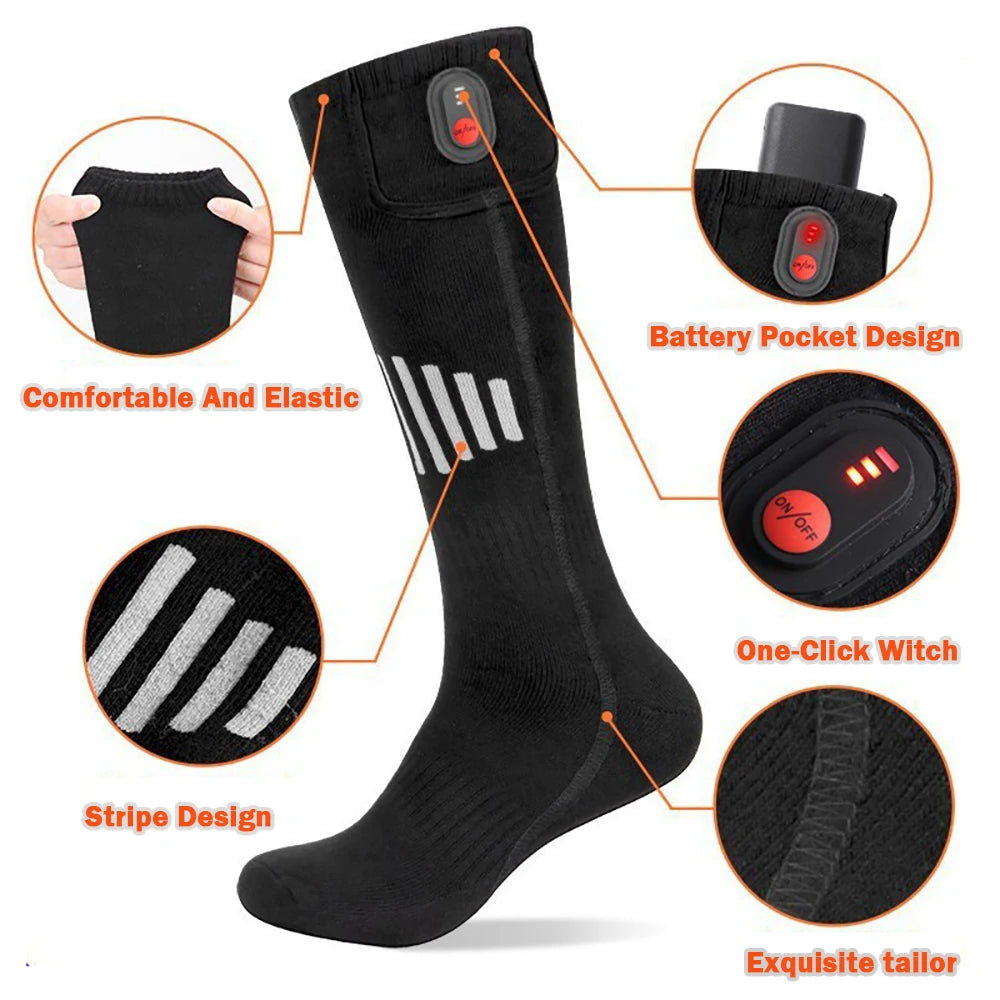
Thermal heated socks built for comfort — See it in action
Frequently Asked Questions About Heated Socks
How do heated socks work?
Heated socks use rechargeable batteries to power built-in heating elements that deliver adjustable warmth around the toes and forefoot. Most models allow you to select different heat levels to suit changing weather conditions and activities.
How long do heated socks stay warm on one charge?
Battery life typically ranges from 4 to 10 hours depending on battery capacity, outdoor temperature, and the selected heat setting. Lower settings generally provide the longest runtime.
How do you use heated socks safely?
Use the recommended charger, begin with a lower heat setting, inspect the batteries and cables regularly, and remove the socks if you experience discomfort or excessive heat.
Can you wash electric heated socks?
Yes. Remove the batteries before washing and follow the manufacturer's care instructions. Air dry the socks completely before reconnecting the batteries.
How do you choose the correct heated socks size?
Select the size recommended by the manufacturer based on your shoe size. The socks should fit snugly enough for the heating elements to remain in contact with your feet without restricting circulation.
Why are my heated socks not heating evenly?
Uneven heating is commonly caused by incorrect positioning, loose battery connections, uneven battery charge levels, or worn components. Reposition the socks and verify that both batteries are fully charged and securely connected.
Which heat setting is best for hiking or skiing?
For hiking, medium heat is often sufficient once you begin moving. During skiing or prolonged exposure to freezing temperatures, many users start on high to warm their feet quickly before switching to medium to extend battery life.
Can heated socks be worn every day?
Yes. Heated socks are suitable for daily use when used according to the manufacturer's instructions and with appropriate heat settings for your activity and environment.
What are the best heated socks for cold feet?
The best heated socks for cold feet combine adjustable heat levels, dependable battery life, a comfortable fit, and durable construction. Many users prefer models that provide consistent warmth while remaining comfortable enough for all-day wear.
Related Guide: How to Warm Feet Up Fast With Simple Daily Habits













