

Do Muscle Therapy Machines Really Work?
Yes. Muscle therapy machines can be effective when used as directed and for the right purpose. Devices that use electrical muscle stimulation (EMS), transcutaneous electrical nerve stimulation (TENS), vibration, or other therapeutic technologies may help reduce muscle soreness, improve circulation, support rehabilitation, and relieve temporary muscle discomfort. Results depend on the condition being treated, consistent use, and choosing the appropriate device.
What clinical evidence says
Research suggests that EMS can support muscle activation, help maintain muscle function during rehabilitation, and complement recovery after exercise. In physiotherapy settings, these devices are commonly incorporated alongside strengthening exercises, stretching, and manual therapy rather than used as a standalone treatment.
Realistic expectations
A muscle therapy machine is designed to support recovery—not replace exercise, physical therapy, or medical care. Many users notice less stiffness, improved comfort, and easier movement after regular sessions, while long-term improvements typically require consistent use and an overall recovery plan.
Factors that affect results
The effectiveness of a muscle therapy machine depends on several factors, including correct electrode placement, treatment frequency, device quality, and the underlying cause of muscle discomfort. Following the manufacturer's instructions and using the appropriate intensity helps maximize potential muscle therapy machine benefits.
Advanced Muscle Therapy Machine Benefits Worth the Upgrade
⏱ 7 min read
Persistent muscle soreness after workouts, stiffness from long hours at a desk, or slow recovery after physical activity can all interfere with daily life. Modern muscle therapy machines combine proven recovery technologies with convenient home use, helping many people manage soreness, promote circulation, and support muscle recovery without frequent clinic visits.
Explore what today's muscle recovery technologies can do and how they may fit into your recovery routine.
Which recovery approach fits your needs? Understanding how muscle therapy machines work makes it easier to choose the right device and set realistic expectations for recovery, pain relief, and rehabilitation.
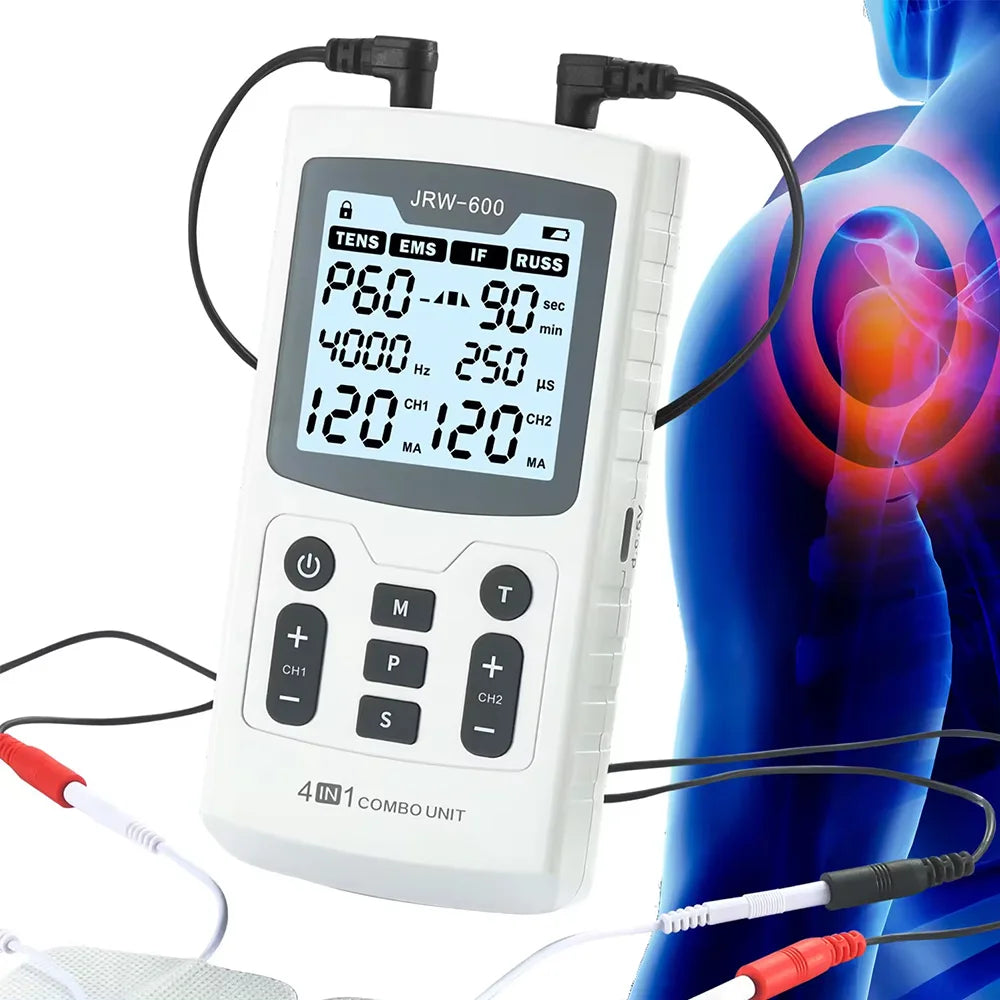
Advanced muscle therapy machine delivering targeted muscle stimulation for home recovery.
How Muscle Therapy Machines Work
Electrical muscle stimulation explained
Understanding how muscle therapy machines work begins with electrical muscle stimulation. An EMS device sends controlled electrical impulses through electrodes placed on the skin. These impulses trigger gentle muscle contractions that resemble the signals naturally produced by the nervous system. Depending on the selected program, an EMS muscle therapy device may help activate inactive muscles, reduce post-exercise soreness, or support rehabilitation under professional guidance.
Pain modulation and circulation
Some muscle therapy devices are designed to influence pain signals while also encouraging muscle activity. Repeated contractions can improve local blood flow, delivering oxygen and nutrients that support tissue recovery while helping remove metabolic by-products associated with muscle fatigue. Certain physiotherapy machines for muscles also use stimulation patterns intended to reduce the perception of pain, allowing muscles to relax more comfortably.
How different technologies produce different effects
Not all muscle therapy machines work in the same way. EMS focuses on muscle contractions, while TENS is primarily used for pain relief by stimulating sensory nerves. Massage guns use rapid percussion to loosen tight muscles, and heat-based therapies encourage relaxation by increasing tissue temperature. Understanding these differences helps users choose the most appropriate technology for their recovery goals and better appreciate the range of muscle stimulation machine benefits available.
Evidence-Based Benefits of Muscle Therapy Machines
Muscle recovery after exercise
Muscle recovery devices can support recovery after exercise by promoting circulation and helping reduce feelings of muscle tightness. While they do not eliminate delayed-onset muscle soreness entirely, they may help improve comfort and readiness for subsequent training sessions when combined with proper hydration, nutrition, and rest.
Improved circulation
Regular muscle contractions generated by therapy devices encourage healthy blood flow to treated areas. Better circulation supports the delivery of oxygen and nutrients needed for tissue repair, making these devices especially useful for people who spend extended periods sitting or have reduced daily movement.
Pain relief and muscle relaxation
An EMS muscle therapy device may help relieve temporary muscle tension and discomfort by stimulating targeted muscle groups. Many users find these devices helpful for common problem areas such as the back, shoulders, neck, and legs, particularly after physical activity or prolonged sitting.
Rehabilitation support
Muscle therapy machines are widely used alongside rehabilitation programs to help maintain muscle activation during periods of limited movement. They are most effective when incorporated into a treatment plan recommended by a healthcare professional rather than replacing therapeutic exercise.
Convenient muscle recovery at home
With modern technology, muscle recovery at home has become more accessible. Portable devices allow users to perform short recovery sessions consistently, making it easier to manage muscle soreness and maintain recovery routines between workouts or physiotherapy appointments.
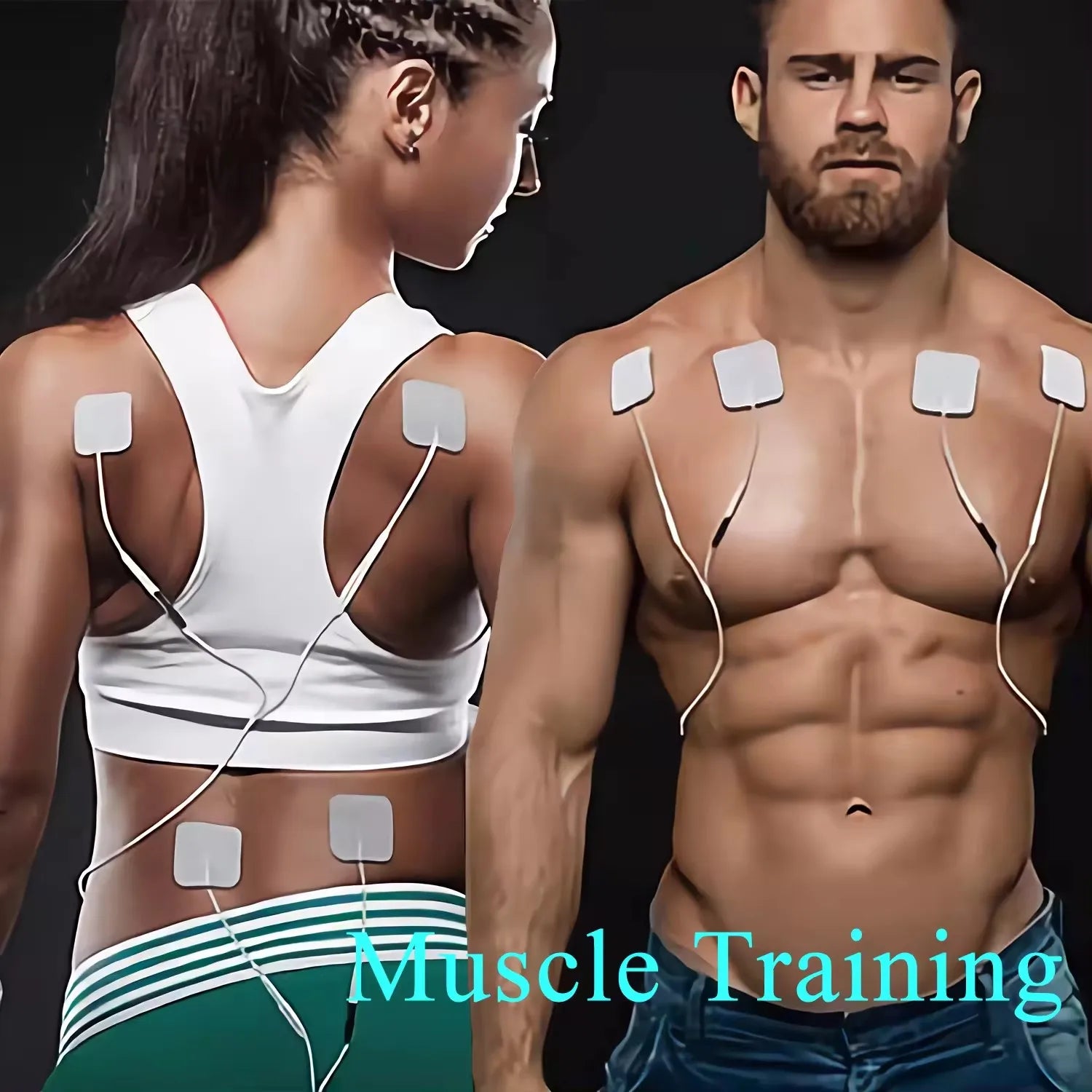
Muscle recovery devices inspired by clinical physiotherapy equipment.
EMS vs TENS vs Massage Guns vs Physiotherapy
How each works
Different muscle recovery tools are designed for different purposes. Understanding their strengths makes it easier to choose the right option for your symptoms, recovery goals, and activity level.
| Recovery Method | Primary Function | Best For | Limitations |
|---|---|---|---|
| EMS | Stimulates muscles through controlled electrical impulses. | Muscle activation, recovery after exercise, and rehabilitation support. | Does not replace exercise or supervised rehabilitation. |
| TENS | Targets sensory nerves to help reduce the perception of pain. | Temporary pain management for sore or aching muscles. | Produces little direct muscle strengthening. |
| Massage Gun | Applies rapid percussion to soft tissues. | Muscle tightness, warm-ups, and post-workout relaxation. | May not be appropriate over injured or inflamed tissues. |
| Physiotherapy | Combines assessment, exercise, manual therapy, and education. | Injury rehabilitation and long-term functional improvement. | Requires professional evaluation and scheduled appointments. |
Best situations for each
EMS is often selected to support muscle activation, maintain muscle engagement during rehabilitation, or complement recovery after exercise. TENS is commonly used when pain relief is the primary goal. Massage guns work well for relieving muscle tightness and preparing muscles before or after physical activity, while physiotherapy is the preferred option for persistent pain, significant injuries, or movement limitations that require individualized treatment.
Can they be combined?
Yes. These approaches often complement one another rather than compete. For example, someone recovering from a sports injury may perform physiotherapy exercises, use EMS between therapy sessions to encourage muscle activation, and incorporate massage or stretching to improve comfort and flexibility. Combining methods should always follow the advice of a qualified healthcare professional when recovering from an injury.
How to Use a Muscle Therapy Machine at Home
Setup and electrode placement
Proper setup is essential for safe and effective treatment. Clean and dry the skin before applying electrodes, then position them on or around the target muscle according to the manufacturer's placement guide. Avoid placing electrodes over the front of the neck, directly across the chest, or on broken skin unless specifically instructed by a healthcare professional.
- Select the muscle group you want to treat.
- Place electrodes or attachments as recommended by the device instructions.
- Begin with the lowest comfortable intensity.
- Increase the setting gradually until you feel a strong but comfortable muscle contraction or stimulation.
- Complete the session for the recommended treatment time before removing the electrodes.
Session frequency
For most healthy adults, sessions lasting 10 to 30 minutes are appropriate, with frequency depending on the treatment goal and the device's instructions. Recovery after exercise may require several sessions each week, while rehabilitation programs should follow guidance from a physiotherapist or healthcare provider. Giving muscles adequate time to recover between higher-intensity sessions can help improve comfort and results.
Common mistakes to avoid
- Using higher intensity than necessary in an attempt to speed recovery.
- Incorrect electrode placement that reduces treatment effectiveness.
- Skipping the manufacturer's safety instructions or recommended session limits.
- Using the device on irritated, infected, or damaged skin.
- Expecting a muscle therapy machine to replace exercise or professional rehabilitation when medical care is needed.
Get yours now — limited stock!
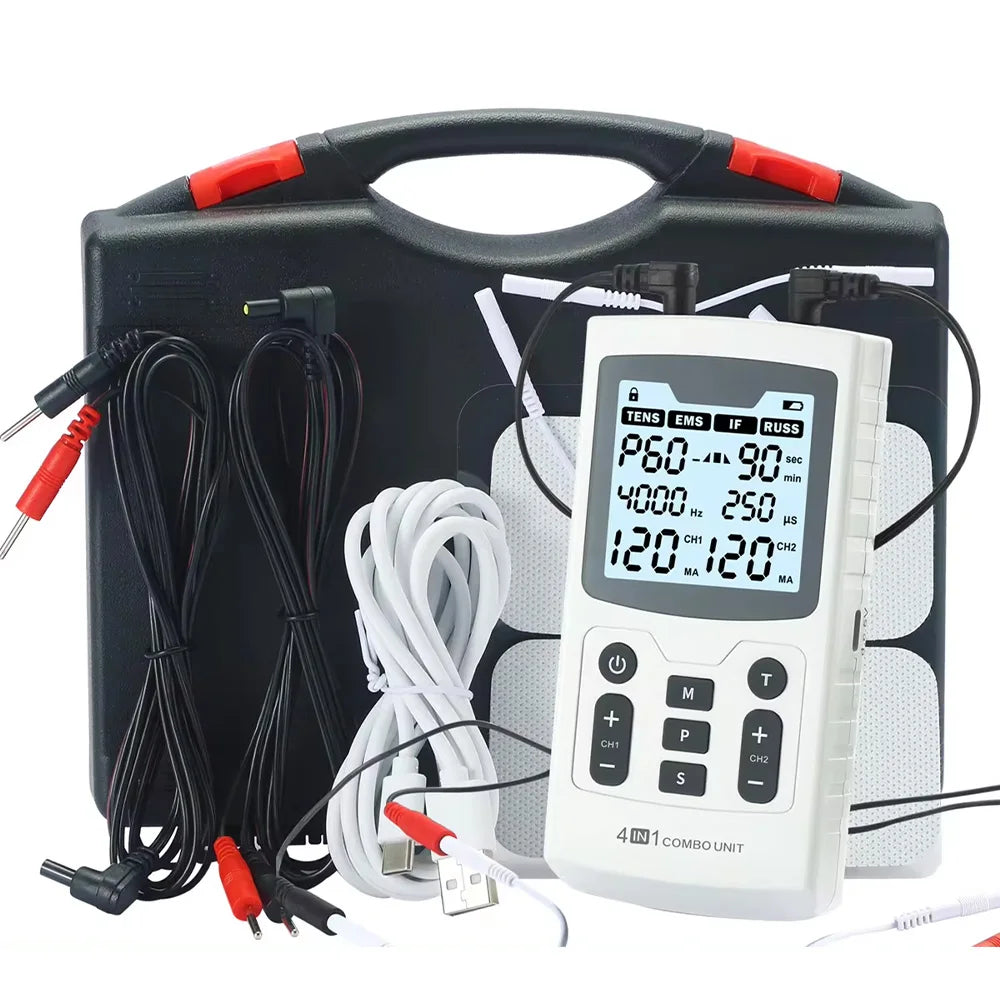
Physical therapy muscle stimulation machine designed for convenient home recovery.
Are Muscle Therapy Machines Safe?
Who should avoid them
For most healthy adults, muscle therapy machines are considered safe when used according to the manufacturer's instructions. However, people with implanted electronic devices such as pacemakers, certain heart rhythm disorders, epilepsy, or other medical conditions should consult a healthcare professional before using an EMS muscle therapy device. Extra caution is also recommended during pregnancy unless specifically advised by a medical provider.
Possible side effects
Most side effects are mild and temporary. Some users experience slight skin irritation beneath the electrodes, muscle soreness similar to post-exercise fatigue, or temporary redness after treatment. These effects typically resolve quickly and can often be minimized by using appropriate intensity settings and replacing worn electrode pads.
Safety precautions
- Read and follow the manufacturer's instructions before every session.
- Keep electrodes away from the heart, eyes, throat, and other sensitive areas unless the device specifically allows those placements.
- Do not use the device over open wounds, infected skin, or areas with reduced sensation.
- Stop treatment if you experience significant pain, dizziness, or unusual symptoms and seek medical advice if symptoms persist.
- Consult a healthcare professional before using muscle stimulation as part of rehabilitation for a recent injury or medical condition.
Who Can Benefit Most From Muscle Therapy Machines?
Athletes
Athletes and active individuals often use muscle therapy machines to support recovery between training sessions, reduce muscle tightness, and complement stretching, mobility work, and strength training.
People with muscle soreness
Individuals experiencing occasional muscle soreness from exercise, physically demanding work, or everyday activities may benefit from regular sessions that promote comfort and encourage healthy circulation.
Rehabilitation patients
When recommended by a healthcare professional, muscle therapy machines can help maintain muscle activation and support rehabilitation programs following injury or surgery. They work best alongside structured physical therapy rather than as a replacement.
Office workers
People who spend long hours sitting may find muscle therapy devices useful for easing stiffness in the back, shoulders, hips, and legs while supporting movement and recovery as part of a broader wellness routine.
How to Choose the Best Muscle Therapy Device
Choose by goal
The best muscle therapy device depends on how you plan to use it. If your primary goal is post-workout recovery or muscle activation, an EMS device may be the best choice. For temporary pain relief, a TENS unit may be more appropriate. If muscle tightness is your main concern, a massage gun or heat therapy device may provide greater comfort. Matching the technology to your needs often produces better long-term results than simply choosing the most expensive model.
Important features
Look for adjustable intensity levels, multiple treatment programs, comfortable electrode pads or attachments, intuitive controls, and clear safety instructions. Rechargeable batteries, portable designs, and replacement accessories can also improve long-term usability.
When to seek professional treatment instead
Home muscle therapy devices are intended for recovery, temporary pain management, and rehabilitation support. If you experience severe pain, significant weakness, numbness, swelling, loss of function, or symptoms that persist despite treatment, consult a healthcare professional. A thorough evaluation can identify underlying conditions that require medical care or supervised physical therapy.
Frequently Asked Questions
How often should I use a muscle therapy machine?
Most people can safely use a muscle therapy machine several times per week, with sessions typically lasting 10 to 30 minutes. Always follow the manufacturer's recommendations and adjust frequency according to your recovery goals and comfort level.
What is the difference between EMS and TENS?
EMS stimulates muscles to produce contractions that support muscle activation and recovery, while TENS primarily targets sensory nerves to help reduce the perception of pain. Although both use electrical stimulation, they serve different therapeutic purposes.
Can muscle therapy machines help with chronic pain?
They may help manage certain types of chronic muscular discomfort by reducing muscle tension and providing temporary pain relief. However, chronic pain should be evaluated by a healthcare professional to determine the most appropriate treatment plan.
Are muscle therapy machines safe to use every day?
Some devices are suitable for daily use when used according to their instructions, but treatment frequency varies depending on the device, intensity, and individual needs. Allowing adequate recovery between higher-intensity sessions can help prevent unnecessary muscle fatigue.
Who should not use an EMS muscle therapy device?
People with pacemakers or other implanted electronic devices, certain heart conditions, epilepsy, or other medical concerns should seek medical advice before using EMS. Pregnant individuals should also consult their healthcare provider before beginning treatment.
Can muscle therapy machines speed up muscle recovery?
They may support recovery by promoting circulation, encouraging muscle activation, and helping reduce post-exercise soreness. They work best alongside adequate sleep, hydration, nutrition, and an appropriate training program.
Do muscle therapy machines build muscle without exercise?
EMS can activate muscle fibers and help maintain muscle function during rehabilitation or periods of reduced activity. However, meaningful muscle growth and strength gains are achieved most effectively when electrical stimulation is combined with regular resistance exercise.
Related Guide: Electrical Neuromuscular Stimulation Features That Drive Results













