

Best Lumbar Traction Device for Home Use (2026): Top Picks, Reviews & Buying Guide
Quick Comparison Table: Best Lumbar Traction Devices at a Glance
Key Features Comparison (Type, Airbags, Adjustability)
| Device Type | Airbags | Adjustability | Heat Function | Best For |
|---|---|---|---|---|
| 4 Airbag Lumbar Traction Device | 4 | Multi-level | Yes | Deep spinal decompression |
| Basic Inflatable Device | 2 | Limited | No | Budget users |
| Electric Lumbar Traction Machine | Multiple | High precision | Yes | Advanced home therapy |
Traction Type Breakdown (Inflatable vs Machine vs Inversion)
- Inflatable devices: Portable, affordable, ideal for daily use
- Electric traction machines: Clinic-style decompression with precision control
- Inversion tables: Use gravity for spinal stretch but less targeted
Who Each Device Is Best For
- Office workers: Portable lumbar traction device
- Chronic pain sufferers: 4 airbag lumbar traction systems
- Home therapy users: Full lumbar traction machines
7 Best Lumbar Traction Devices for Back Pain (Tested & Reviewed)
Best Overall Lumbar Traction Device
A 4 airbag lumbar traction device offers the best balance of comfort, pressure distribution, and daily usability. It provides gradual spinal decompression with optional heat therapy.
- Pros: Even pressure, ergonomic support, effective for daily use
- Cons: Slightly higher cost than basic models
Best 4 Airbag Lumbar Traction Device
Sequential inflation allows targeted decompression, making this ideal for users needing deeper spinal stretch.
- Pros: Advanced decompression, improved comfort
- Cons: Requires proper setup
Best Budget Home Lumbar Traction Device
A simple inflatable lumbar traction device delivers basic relief at a lower price point.
- Pros: Affordable, easy to use
- Cons: Limited intensity control
Best for Herniated Disc & Sciatica
High-pressure adjustable devices help reduce nerve compression associated with disc issues.
- Pros: Strong decompression effect
- Cons: Not suitable for all users—consult a professional
Best Portable Lumbar Traction Device
Lightweight and compact, perfect for office use or travel.
- Pros: Portable, quick setup
- Cons: Less powerful than full machines
Best Lumbar Traction Machine for Home Therapy
Electric systems replicate physical therapy sessions with adjustable force and timing.
- Pros: Precise control, strong traction
- Cons: Expensive, bulky
Best for Daily Relaxation & Posture
Combines mild traction with heat and massage to improve posture and relieve tension.
Does a Lumbar Traction Device Really Work? (Evidence & Results)
Clinical Evidence & Studies
Spinal traction has long been used in physical therapy to relieve pressure on intervertebral discs. Studies suggest traction may help reduce pain in certain cases of nerve compression and disc-related issues.
Who Gets the Best Results
- People with mild to moderate lower back pain
- Those with sedentary lifestyles
- Users who apply consistent daily sessions
When It Doesn’t Work
- Severe structural spine conditions
- Improper usage or overuse
- Lack of consistency
⏱ 7 min read
If you’ve ever ended the day with a stiff, aching lower back, you’re not alone. This guide combines expert insights and real-world use cases to help you decide whether to buy lumbar traction massager online.
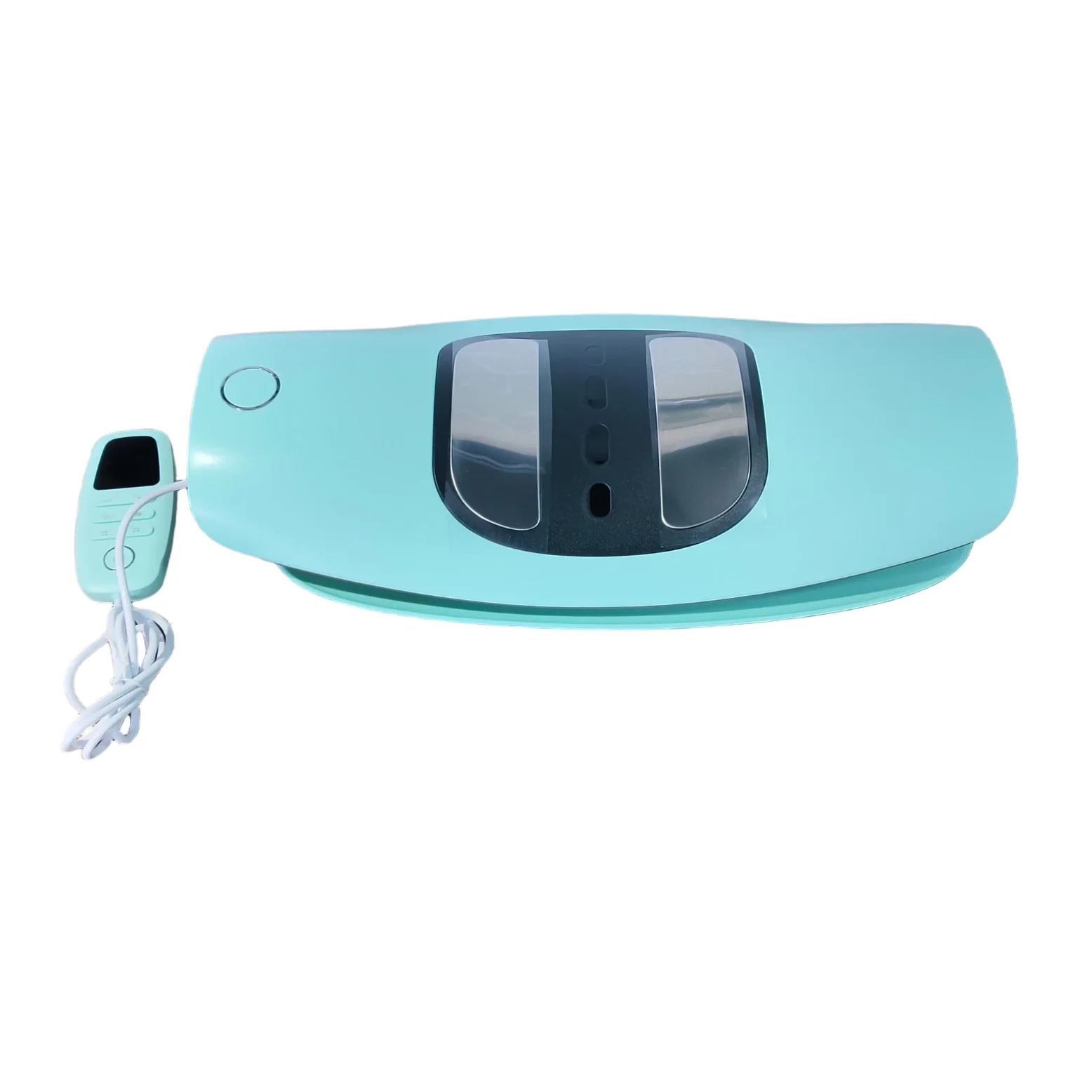
Real comfort at home when you buy lumbar traction massager online — See it in action
How a Lumbar Traction Device Works (With Types Explained)
Inflatable Airbag Systems
These devices use air pressure to expand chambers that gently stretch the spine. A 4 airbag lumbar traction device distributes force evenly for better comfort.
Mechanical & Table-Based Traction
Electric machines use controlled force to separate vertebrae, similar to clinical therapy sessions.
Decompression vs Stretching Explained
Traction creates space between vertebrae (decompression), while stretching relaxes surrounding muscles. The best devices combine both effects.
Key Benefits of Using a Lumbar Traction Device
Pain Relief & Spinal Decompression
Reduces pressure on discs and nerves, helping relieve lower back pain.
Improved Mobility & Posture
Encourages better alignment and flexibility over time.
Muscle Relaxation & Circulation
Improves blood flow and reduces stiffness after long sitting periods.
Is It Safe? Lumbar Traction Device Safety Guide
Who Should Avoid It (Contraindications)
- Severe spinal instability
- Recent spinal surgery
- Uncontrolled osteoporosis or fractures
Safe Usage Duration & Frequency
- 10–20 minutes per session
- 1–2 sessions daily depending on tolerance
Common Mistakes to Avoid
- Overinflating too quickly
- Using excessive session time
- Ignoring pain signals
How to Choose the Best Lumbar Traction Device (Buying Guide)
Traction Type & Intensity Control
Look for adjustable pressure levels to match your comfort and condition.
Portability vs Power
Portable devices are convenient, while machines offer stronger traction.
Build Quality & Comfort
High-quality materials improve durability and user comfort.
Budget vs Long-Term Value
Investing in a 4 airbag lumbar traction device often provides better long-term results.
Who Should Use a Lumbar Traction Device? (By Condition)
Herniated Disc & Sciatica
Helps reduce nerve compression and alleviate radiating pain.
Chronic Lower Back Pain
Supports daily pain management and mobility improvement.
Posture & Sedentary Lifestyle
Ideal for office workers dealing with prolonged sitting.
What Real Users Say: Pros & Cons After 30 Days
Common Praise From Real Users
- Reduced back tension
- Easy at-home use
- Convenient alternative to therapy visits
Honest Critiques
- Requires consistency
- Some models are bulky
- Not a full medical replacement
These insights help set expectations before deciding to buy lumbar traction massager online .
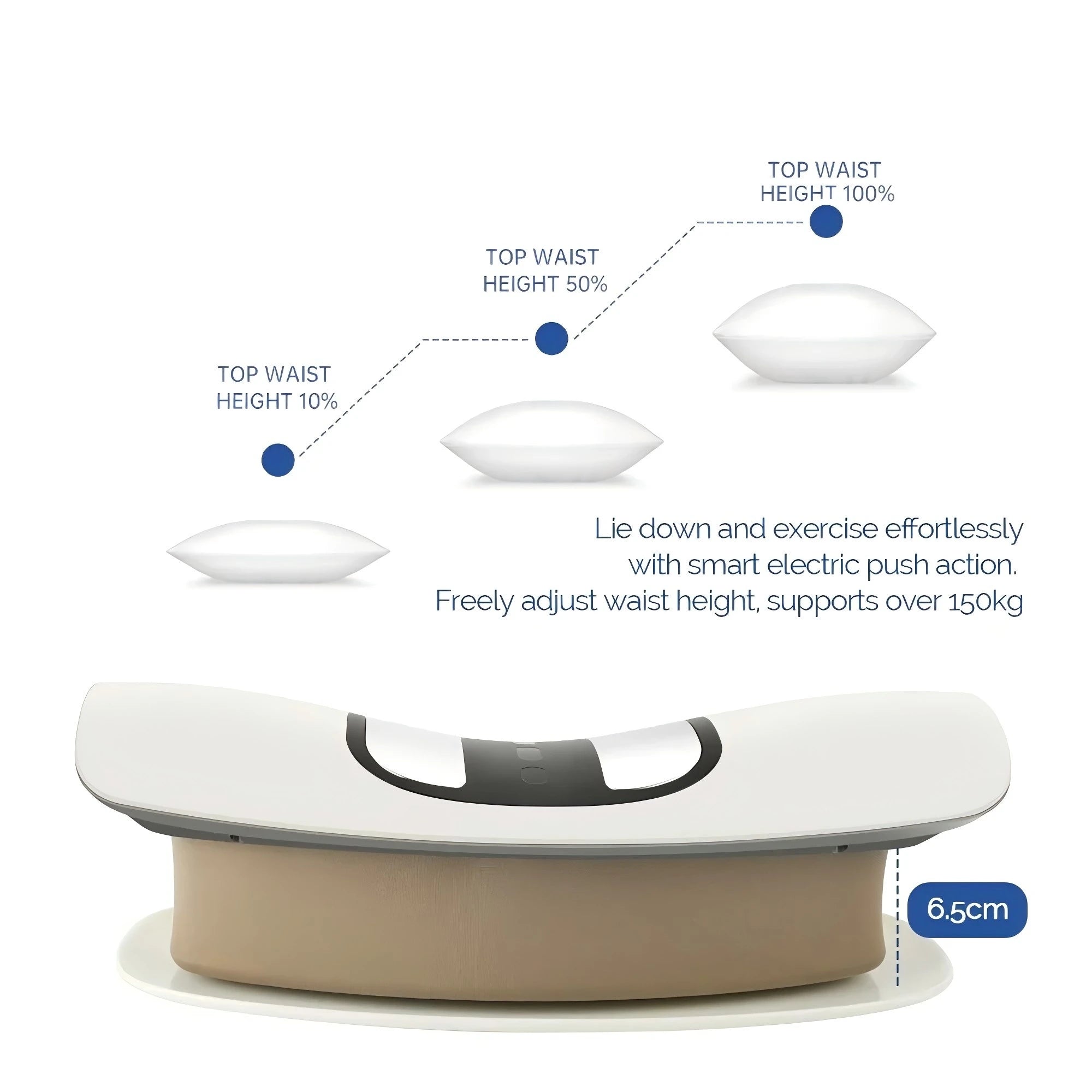
Targeted spinal decompression with home lumbar traction devices — See it in action
How to Use a Lumbar Traction Device at Home (Step-by-Step)
Setup & Positioning
- Lie on a flat surface
- Position device under lower back
- Secure straps if needed
Recommended Session Time
Use for 10–20 minutes per session for optimal results.
Beginner Tips for Safe Use
- Start with low pressure
- Increase gradually
- Stop if discomfort occurs
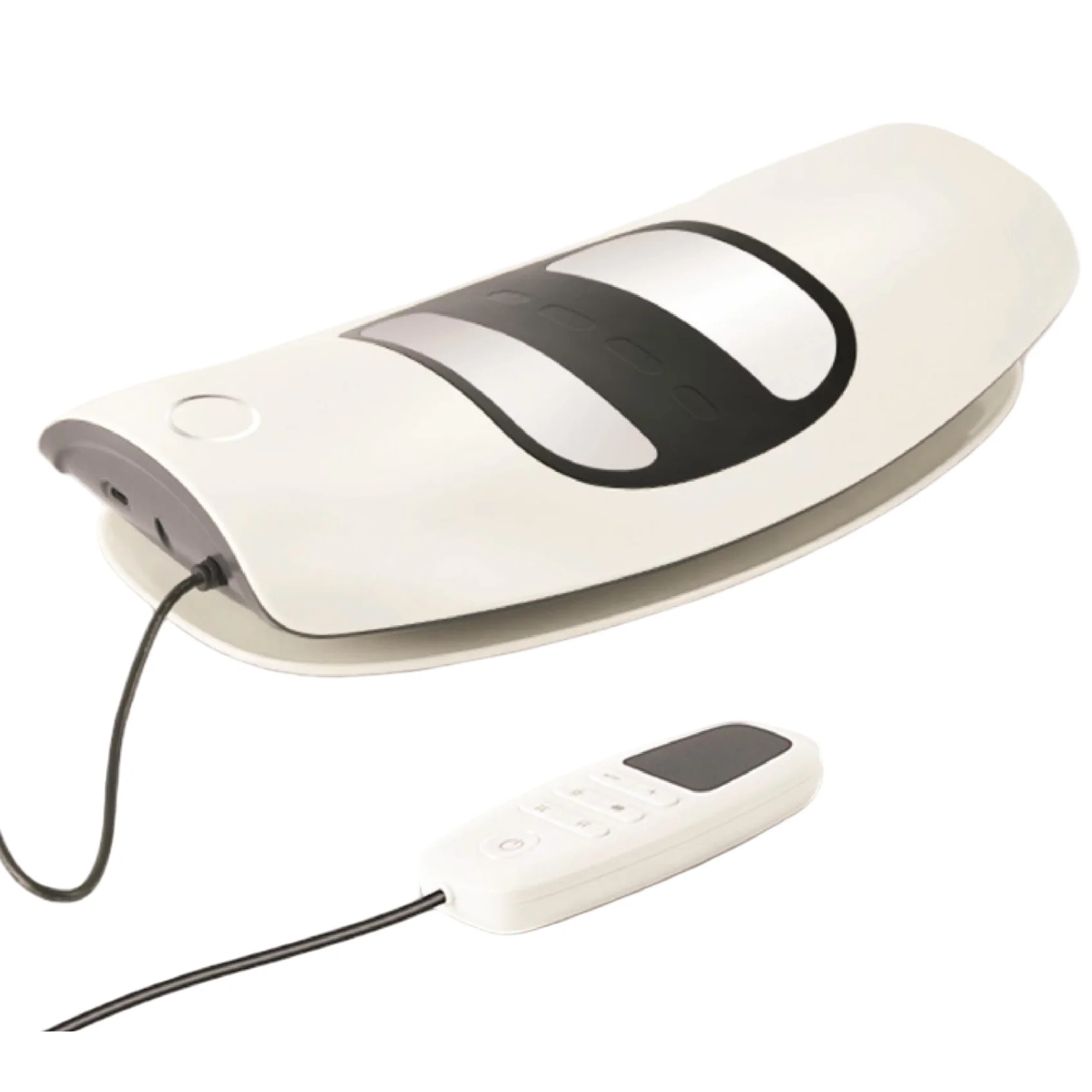
Confidence and comfort when you buy lumbar traction massager online — See it in action
Is It Worth It? Final Verdict
A lumbar traction device is a practical solution for at-home back pain relief. It offers convenience, cost savings, and consistent support for daily spinal care.
While not a replacement for medical treatment, it is highly effective as a complementary therapy.
Frequently Asked Questions
How does a lumbar traction device work?
It gently stretches the spine using air or mechanical force to relieve compression.
Is a lumbar traction device safe?
Yes, when used correctly and within recommended durations.
Can I use a lumbar traction machine at home?
Yes, many models are specifically designed for safe home use.
How long should you use a lumbar traction device?
Typically 10–20 minutes per session depending on comfort.
What is the best lumbar traction device?
A 4 airbag lumbar traction device offers the best balance of comfort and effectiveness for most users.
Related Guide: Does Vibration Therapy Work for Lasting Back Relief













