

Best Electric Foot Grinder: Aluminum Alloy & Professional Devices Reviewed
Looking for a faster, more effective way to tackle rough heels and stubborn calluses? A quality electric foot grinder can remove hardened skin with less effort than traditional manual files while providing more consistent, salon-like results at home. Aluminum alloy models are especially popular because they combine durable construction, reliable grip, and steady grinding performance for smoother feet with every treatment.
Explore how this aluminum alloy foot grinder works in real life
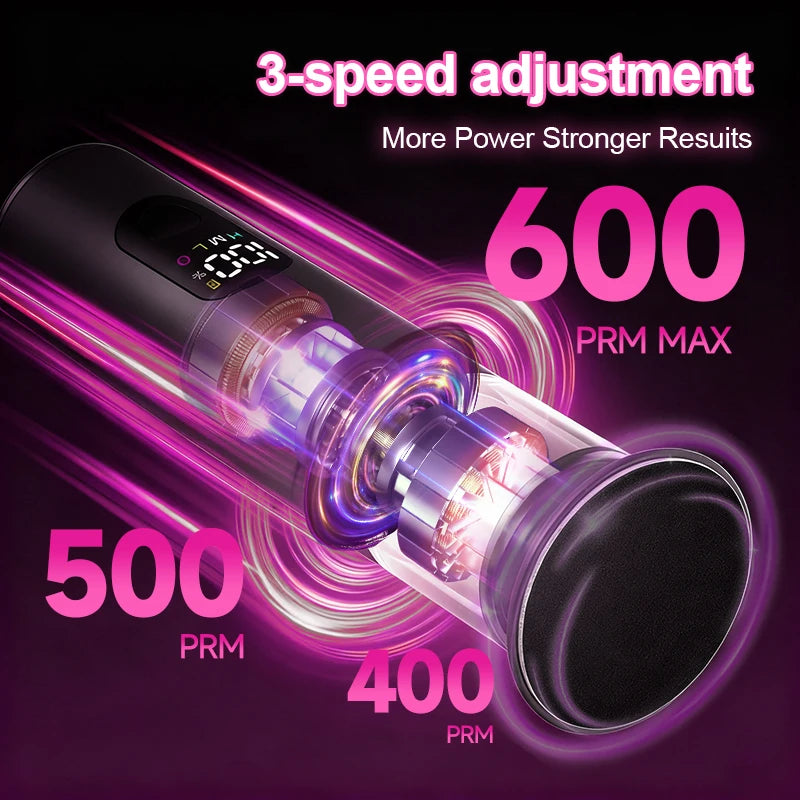
Aluminum alloy foot grinder with controlled power for smoother heels — See it in action
Why Choose an Electric Foot Grinder for Callus Removal?
An electric foot grinder for callus removal offers a faster, more controlled approach to smoothing rough skin than traditional hand files. Consistent motor power, ergonomic handling, and replaceable abrasive rollers help reduce the effort required while improving comfort and precision. Whether you have occasional dry heels or persistent calluses, the right device can make routine foot care easier and more effective.
How Electric Foot Grinders Work
Electric foot grinders use a motor-driven abrasive roller or grinding surface that rotates at a controlled speed to gradually remove hardened, dead skin. Instead of relying on repeated manual scraping, the rotating surface evenly buffs thickened areas while allowing you to adjust pressure and speed based on your comfort level. Many models also include multiple speed settings and interchangeable roller heads for light maintenance or more intensive callus removal.
Electric Foot File vs Manual: Key Differences
When comparing an electric foot file vs manual file, the biggest differences are efficiency, consistency, and user effort. Manual files depend entirely on hand pressure and repeated strokes, which can make thick calluses difficult to remove evenly. Electric models maintain a consistent grinding speed, helping reduce fatigue while delivering smoother, more uniform results. For people performing regular home pedicures or treating moderate to thick calluses, an electric foot grinder is often the more practical choice.
Who Should Use an Electric Foot Grinder
Electric foot grinders are well suited for adults who regularly experience dry, rough heels, recurring calluses, or hardened skin caused by standing for long periods, sports, or frequent walking. They are also a convenient option for anyone who wants salon-quality maintenance at home. Individuals with diabetes, poor circulation, open wounds, or certain foot conditions should consult a healthcare professional before using any abrasive foot care device.
Is an Electric Foot Grinder Safe?
Modern electric foot grinders are designed with safety in mind and commonly feature multiple speed settings, ergonomic grips, and protective roller designs that encourage gradual exfoliation rather than aggressive skin removal. Safe results depend on using light pressure, limiting each pass to a few seconds, and avoiding healthy skin. Following the manufacturer's instructions and moisturizing after each session helps minimize irritation while maintaining soft, healthy feet.
Top Electric Foot Grinders in 2026: Comparison Table & Reviews
| Model | Material | Speed (RPM) | Battery/Power | Price | Pros | Cons |
|---|---|---|---|---|---|---|
| Aluminum Alloy Foot Grinder Pro | Aluminum Alloy | 3000 | Rechargeable Li-ion | $49.99 | Durable, powerful, smooth results | Heavier than plastic models |
| Professional Foot Grinder Deluxe | Metal & Plastic hybrid | 2800 | Plug-in | $69.99 | Salon-grade, versatile roller heads | Limited portability |
| Heel Grinder Compact | Aluminum Alloy | 2500 | Rechargeable | $39.99 | Lightweight, budget-friendly | Lower torque on thick calluses |
Aluminum Alloy Foot Grinder Highlights
Aluminum alloy foot grinders stand out for their durability, dependable grinding performance, and resistance to wear. Compared with plastic roller systems, aluminum alloy grinding surfaces maintain more consistent contact with hardened skin over time, making them a dependable choice for regular use. For deeper insights, check our aluminum alloy vs plastic comparison guide .
Professional Foot Grinder Devices Worth Considering
Professional foot grinder devices typically include stronger motors, multiple roller options, and adjustable speed controls that accommodate different skin conditions. These features make them suitable for users with thicker calluses or those seeking salon-style performance at home while maintaining good control throughout each treatment.
Heel Grinder Options for Targeted Care
Heel grinders are specifically designed to reach curved heel surfaces and other areas where calluses tend to develop. Compact designs, comfortable grips, and controlled grinding action make it easier to focus on problem spots without excessive pressure, helping maintain smoother heels as part of a regular foot care routine.
How Power, Torque, and Design Affect Results
Foot Grinder Power Explained
Motor power and torque directly influence how efficiently an electric foot grinder removes hardened skin. Higher torque helps the grinding surface maintain consistent performance when working on thick calluses, while adjustable RPM settings allow gentler exfoliation for routine maintenance. A well-balanced combination of power, speed, and control minimizes repeated passes and helps produce smoother, more even results.
Aluminum Alloy vs Plastic Foot Grinders
| Feature | Aluminum Alloy Foot Grinder | Plastic Roller Grinder |
|---|---|---|
| Surface Grip | High, consistent abrasion for efficient exfoliation | Lower grip that gradually decreases with wear |
| Durability | Long-lasting grinding surface with excellent wear resistance | Rollers typically wear faster with frequent use |
| Result Speed | Removes thick calluses more efficiently | May require additional passes for similar results |
| Control | Steady contact for smoother, more even treatment | More likely to skip over uneven skin |
How to Use an Electric Foot Grinder Safely and Effectively
Step-by-Step Usage Guide
- Wash and thoroughly dry your feet before beginning, unless your device specifically recommends damp skin.
- Select the appropriate roller or grinding surface and choose a speed suitable for your callus thickness.
- Hold the device lightly and move it continuously across callused areas without pressing firmly.
- Pause frequently to inspect your progress instead of attempting to remove all hardened skin in one session.
- Apply a nourishing moisturizer after treatment to help maintain soft, healthy skin.
Common Mistakes to Avoid
- Applying excessive pressure, which can irritate healthy skin without improving performance.
- Keeping the grinder in one spot for too long, increasing the risk of over-exfoliation.
- Using coarse rollers on minor dry patches that only require gentle smoothing.
- Ignoring routine roller replacement or cleaning, which can reduce grinding efficiency.
- Using the device on cuts, blisters, infected skin, or irritated areas.
Cleaning and Maintenance Tips
Proper maintenance helps extend the life of your electric foot grinder while maintaining consistent performance. Remove the grinding roller after each use and clean it according to the manufacturer's instructions. Wipe the handle with a dry or slightly damp cloth, allow all components to dry completely, and store the device in a cool, dry location. Aluminum alloy grinding surfaces are generally more resistant to wear and easier to keep clean than many plastic alternatives.
When Not to Use a Foot Grinder
Avoid using an electric foot grinder on broken skin, active infections, bleeding calluses, or severe cracks. People with diabetes, poor circulation, peripheral neuropathy, or other medical conditions affecting the feet should seek guidance from a healthcare professional before using abrasive foot care devices. Stopping immediately if discomfort or irritation occurs helps keep treatments safe and effective.
See step-by-step use with this heel grinder
Who Benefits Most from an Electric Foot Grinder?
People with Mild Calluses
If you have occasional dry patches or light calluses, an electric foot grinder helps maintain smooth feet with minimal effort. Using the device every few weeks can prevent hardened skin from building up while keeping your feet comfortable between pedicures.
Thick Heel Calluses
People with stubborn heel calluses caused by prolonged standing, walking, or athletic activities often benefit the most from a higher-performance heel grinder. Models with durable grinding surfaces and adjustable speeds remove thick, dry skin more efficiently while allowing better control throughout the treatment.
Home Pedicure Users
Anyone looking to maintain salon-quality results at home can incorporate an electric foot grinder into a regular self-care routine. Pairing routine exfoliation with moisturizing helps keep heels soft and reduces the likelihood of recurring rough skin. Complementary products from Skin and Beauty Care Devices can further support long-term foot comfort and appearance.
When to See a Podiatrist
While an electric foot grinder is effective for routine callus maintenance, it is not intended to treat medical foot conditions. Persistent pain, bleeding calluses, infections, deep heel cracks, or foot problems associated with diabetes or poor circulation should be evaluated by a qualified healthcare professional before using abrasive foot care devices.
FAQs About Electric Foot Grinders
Is an aluminum alloy foot grinder safe for home use?
Yes. When used with light pressure, short passes, and the recommended speed setting, an aluminum alloy foot grinder provides controlled exfoliation suitable for most healthy adults. Always avoid broken or irritated skin and follow the manufacturer's instructions.
How often should I use an electric foot grinder?
For routine maintenance, once every one to two weeks is sufficient for most users. People with thicker calluses may initially require more frequent treatments before switching to a maintenance schedule to avoid excessive exfoliation.
Does it replace professional pedicures?
An electric foot grinder is an excellent tool for maintaining smooth feet between salon visits, but it does not replace professional or medical foot care when specialized treatment is needed.
Can I use it on wet or dry feet?
Most electric foot grinders are designed for use on clean, dry feet because dry skin is easier to exfoliate evenly. If your model supports wet use, follow the manufacturer's recommendations for the safest and most effective results.
How long do grinding rollers last?
Roller lifespan depends on the material, frequency of use, and severity of the calluses being treated. Replace grinding rollers when you notice reduced performance, smoother abrasive surfaces, or visible wear to maintain consistent results.
Related Guide: Aluminum Alloy Body Durability That Makes Foot Tools Last
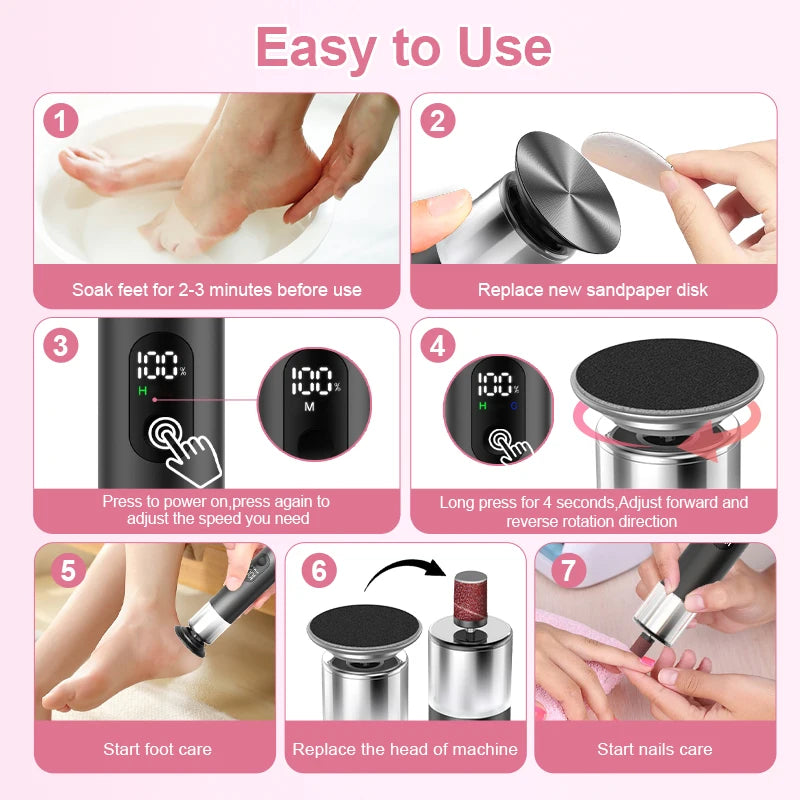
Electric foot grinder in use for even callus removal — See it in action
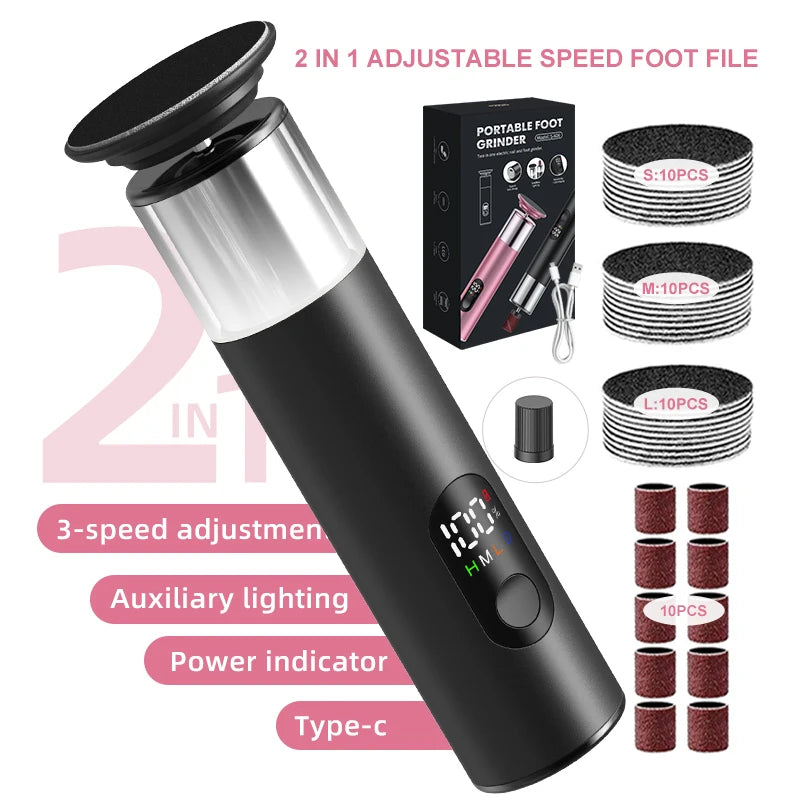
Durable aluminum alloy heel grinder built for long-term use — See it in action
Get yours now — limited stock!













