

Do Ankle Exercises for Sprain Recovery Really Help You Heal Faster?
Ankle exercises for sprain recovery can improve healing by restoring range of motion, rebuilding strength, and retraining balance after a ligament injury. When introduced at the appropriate stage of recovery, structured ankle sprain exercises help reduce stiffness, improve walking mechanics, and lower the risk of recurring sprains. Many people notice meaningful improvements in mobility and swelling within several weeks, although recovery varies depending on injury severity.
Ankle Exercises for Sprain Recovery: Step-by-Step Guide to Regain Strength and Mobility
Recovering from an ankle sprain involves more than simply waiting for pain to fade. The right rehabilitation exercises help your ligaments, muscles, and joints work together again so you can regain confidence during everyday activities and return to sport safely. This guide explains when ankle exercises for sprain recovery are appropriate, why progression matters, and how each phase supports long-term mobility, strength, and stability.
⏱ 6 min read
Discover practical options that fit your routine and comfort level.

Early-stage ankle exercises for sprain recovery that rebuild confidence See it in action
Why Early and Targeted Ankle Exercises Speed Up Recovery
The primary goals of rehabilitation are to restore normal movement, rebuild strength, improve balance, and help the injured ligaments tolerate daily activities again. Once a healthcare professional determines it is safe to begin, ankle sprain exercises encourage controlled movement that stimulates tissue healing while preventing excessive stiffness from prolonged inactivity.
As pain and swelling improve, progressive ankle exercises for sprain recovery strengthen the muscles surrounding the joint and retrain proprioception—your body's awareness of joint position. This improves stability, makes walking more comfortable, and helps reduce the likelihood of future ankle injuries. Consistent rehabilitation is often more effective than rest alone for restoring normal function.
Most people with mild to moderate ankle sprains benefit from a structured exercise program. However, anyone with severe swelling, inability to bear weight, suspected fracture, significant deformity, or worsening symptoms should be evaluated by a healthcare professional before beginning rehabilitation exercises.
Ask yourself: Are you progressing through your rehabilitation at the right pace, or are you either resting too long or advancing before your ankle is ready?
Phase-Based Ankle Sprain Exercise Plan
Early Rehab: Range-of-Motion Exercises
Early rehab exercises for ankle sprain focus on restoring comfortable movement without increasing pain or swelling. Perform each movement slowly, staying within a pain-free range. Good ankle mobility exercises include ankle circles, tracing the alphabet with your toes, seated plantarflexion and dorsiflexion, and gentle towel-assisted calf stretches.
- Frequency: 2–3 sessions per day.
- Sets and reps: 10–15 repetitions or 1–2 minutes per exercise.
- Goal: Improve joint mobility, reduce stiffness, and prepare the ankle for strengthening.
- Progress when: Swelling is decreasing and you can complete the exercises without increased pain afterward.
Mid Rehab: Strengthening Exercises
As walking becomes more comfortable and swelling continues to improve, begin ankle strengthening exercises after sprain using controlled resistance. Common physical therapy exercises for ankle sprain include resistance band dorsiflexion, plantarflexion, inversion, eversion, calf raises, and supported heel-to-toe weight shifts.
- Frequency: 3–4 days per week.
- Sets and reps: 2–3 sets of 10–15 repetitions.
- Goal: Restore muscle strength, improve joint support, and increase confidence during daily activities.
- Progress when: You can complete all repetitions with good control and only mild, temporary soreness.
Balance and Proprioception Training
Balance exercises retrain your body's ability to sense ankle position after ligament injury. This stage is an important part of rehab exercises for ankle sprain because it helps reduce the risk of repeated sprains.
- Stand on one leg for 20–30 seconds.
- Progress to standing on a folded towel or balance cushion.
- Add gentle reaching movements or controlled head turns as stability improves.
- Perform 2–3 sets on most days of the week.
Late Rehab: Functional and Sport-Specific Exercises
When strength, mobility, and balance have largely returned, progress to functional exercises that prepare the ankle for higher-impact activities. These may include side shuffles, hopping drills, gentle bounding, figure-eight running, and sport-specific agility drills.
- Frequency: 2–3 sessions per week.
- Goal: Restore speed, coordination, and confidence before returning to recreational or competitive activities.
- Progress when: You can hop, change direction, and land without pain, instability, or increased swelling.
Simple routines, no gym required.
Mobility vs Strength: What Your Ankle Needs First
Recovery is most effective when you restore motion before adding heavier resistance. Limited ankle mobility can change your walking pattern, place extra stress on nearby joints, and make strengthening exercises less effective. Regaining comfortable movement first creates a safer foundation for building strength.
Once normal range of motion begins to return, gradually introduce strengthening exercises and balance training. This progression helps rebuild muscle support, improves proprioception, and teaches the ankle to respond to uneven surfaces, reducing the likelihood of future sprains.
For most people, the progression follows a simple sequence: restore pain-free motion, develop strength, improve balance and coordination, then return to higher-impact activities. Advancing only when each stage feels stable helps maximize recovery while minimizing the risk of reinjury.
Balancing mobility and strength for ankle ligament recovery See it in action
Common Mistakes That Slow Healing
A structured rehabilitation plan works best when exercises are progressed gradually. These common mistakes can delay recovery and increase the risk of another ankle sprain.
- Returning to activity too soon: Running, jumping, or playing sports before restoring strength and balance can overload healing ligaments.
- Ignoring pain or persistent swelling: Mild muscle fatigue is expected, but increasing pain, swelling, or instability after exercise usually means the program is progressing too quickly.
- Skipping balance training: Strength alone is not enough. Proprioception exercises help your ankle react to uneven surfaces and reduce the chance of reinjury.
- Using poor exercise technique: Fast, uncontrolled movements reduce the effectiveness of rehab exercises for ankle sprain. Focus on slow, controlled repetitions with proper alignment.
- Being inconsistent: Short, regular exercise sessions are generally more beneficial than occasional intense workouts when learning how to recover from ankle sprain fast.
Tools and Supports That Enhance Recovery at Home
Evidence-supported rehabilitation tools can complement ankle exercises for sprain recovery by improving comfort, stability, and exercise quality.
- Ankle brace: Provides external support during walking or when returning to higher-demand activities while strength continues to improve.
- Resistance bands: Allow controlled strengthening of ankle movements in every direction and make it easy to increase resistance gradually.
- Balance pad or cushion: Challenges stability safely during proprioception exercises once basic single-leg balance becomes comfortable.
- Ice and compression: Useful after exercise if mild swelling develops, helping manage discomfort without replacing rehabilitation exercises.
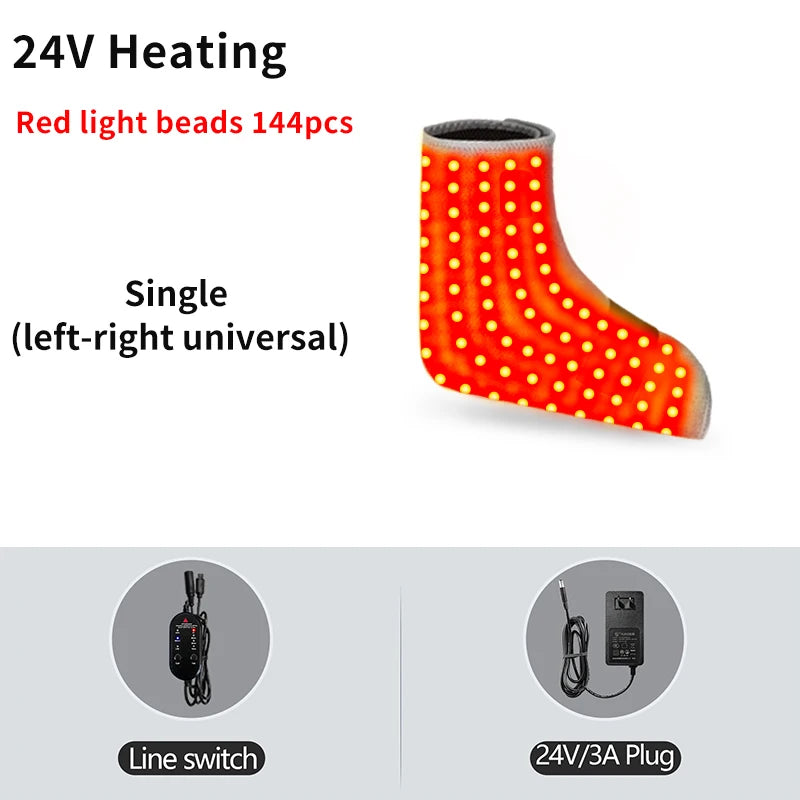
- Products like the red light heated ankle wrap are often used during rest periods to relax tight tissues and encourage circulation.
- For broader wellness routines, explore Body Care and Health Devices that support recovery-focused self-care at home.
Small upgrades, noticeable comfort.
Exercise Comparison: What to Do at Each Stage
| Recovery Stage | Recommended Exercises | Primary Goal | Difficulty | Progression Checkpoint |
|---|---|---|---|---|
| Early (Days 3–7) | Ankle circles, alphabet tracing, seated flex-and-point, gentle towel stretch | Restore range of motion and reduce stiffness | Low | Complete movements comfortably without increasing pain or swelling |
| Mid (Weeks 2–3) | Resistance band exercises, calf raises, supported single-leg balance | Build strength and improve joint control | Moderate | Walk comfortably with good balance and minimal swelling |
| Late (Weeks 4+) | Single-leg balance, lateral stepping, hopping drills, agility exercises | Restore functional movement and reduce reinjury risk | Moderate to High | Perform hopping and directional changes without pain or instability |
Timeline: What to Expect After 2–4 Weeks of Exercises
Recovery milestones vary according to the severity of the sprain, your overall health, and how consistently you perform your rehabilitation program. Rather than focusing on a fixed timeline, use functional improvements to guide progression.
- Week 1–2: Swelling gradually decreases, ankle mobility improves, and everyday walking becomes more comfortable.
- Week 2–4: Strength and balance continue to improve, allowing progression to more challenging resistance and stability exercises.
- Beyond Week 4: Many people begin functional drills or sport-specific training once strength, balance, and pain-free movement have returned.
- Normal soreness: Mild muscle fatigue after exercise is expected, but persistent pain, increased swelling, or feelings of instability indicate you should reduce intensity and reassess your progression.
If your recovery slows or symptoms worsen, consult a healthcare professional before advancing to more demanding activities. Progressing based on movement quality instead of the calendar is one of the safest ways to recover from an ankle sprain fast while minimizing the risk of reinjury.

Consistency turns ankle mobility training into real-life confidence See it in action
Return-to-Running and Return-to-Sport Checklist
Before returning to running or sports, your ankle should meet functional milestones rather than simply reaching a certain number of weeks after injury. Use this checklist to determine whether you're ready to progress safely.
- Strength: The injured ankle feels nearly as strong as the uninjured side during calf raises and resistance exercises.
- Balance: You can maintain a single-leg stance for at least 30 seconds with good control.
- Hop and agility: Small hops, side-to-side movements, and changes of direction can be completed without pain or instability.
- Mobility: Range of motion is close to normal and does not limit walking, squatting, or climbing stairs.
- Injury prevention: Continue balance and strengthening exercises even after returning to activity to reduce the risk of future sprains.
FAQs About Ankle Sprain Exercises
How often should I do ankle exercises after a sprain?
Most rehabilitation programs begin with gentle mobility exercises two to three times per day. As strength training becomes the focus, sessions are typically performed three to four times per week. Follow the recommendations of your healthcare professional for your specific injury.
When should I start ankle exercises?
Gentle range-of-motion exercises often begin once severe pain and swelling are under control and a healthcare professional confirms it is safe. Weight-bearing and strengthening exercises should be added gradually as symptoms improve.
Which exercises should I avoid early in recovery?
Avoid running, jumping, cutting movements, and high-impact plyometric exercises until you have regained comfortable mobility, adequate strength, and good balance.
Can I exercise if my ankle still hurts?
Mild discomfort during gentle rehabilitation exercises can be normal, but sharp pain, increasing swelling, or a feeling that the ankle is giving way are signs to stop and seek medical advice before progressing.
How long does it take to regain full strength?
Recovery varies with the severity of the sprain. Mild injuries may recover within several weeks, while moderate or severe sprains often require several months of consistent rehabilitation to restore full strength and stability.
When is it safe to return to running or sports?
Return only when you can walk, balance, hop, and perform sport-specific movements without pain, significant swelling, or instability. Meeting functional milestones is generally more reliable than following a fixed timeline.
Support your recovery routine with added comfort.
References & Expert Tips
- American Physical Therapy Association (APTA) guidelines on ankle sprain rehabilitation and exercise progression.
- Peer-reviewed research on therapeutic exercise, proprioception training, and functional recovery following lateral ankle sprains.
- Clinical best practices emphasize gradual progression, consistent rehabilitation, and monitoring pain and swelling when advancing exercises.
Related Guide: How to Recover Ankle Sprain Fast: Top Methods Compared













