

Does At Home Foot Massage Really Work?
Yes. At home foot massage is an effective self-care practice for improving relaxation, easing tired muscles, encouraging healthy circulation, and helping reduce everyday foot discomfort. Regular massage stimulates soft tissues, loosens tight muscles, and can provide temporary relief from common issues such as sore arches, heel fatigue, and mild plantar fascia tension. Whether you use your hands or a simple massage tool, consistency is more important than intensity for lasting results.
⏱ 6 min read
At-Home Foot Massage Therapy: Easy Techniques for Relaxation
Long days on your feet, constant standing, or aching arches that won't relax—sound familiar? Your feet support your entire body with every step. At home foot massage offers a practical way to reduce daily tension, improve comfort, and create a relaxing recovery routine without scheduling professional treatments.
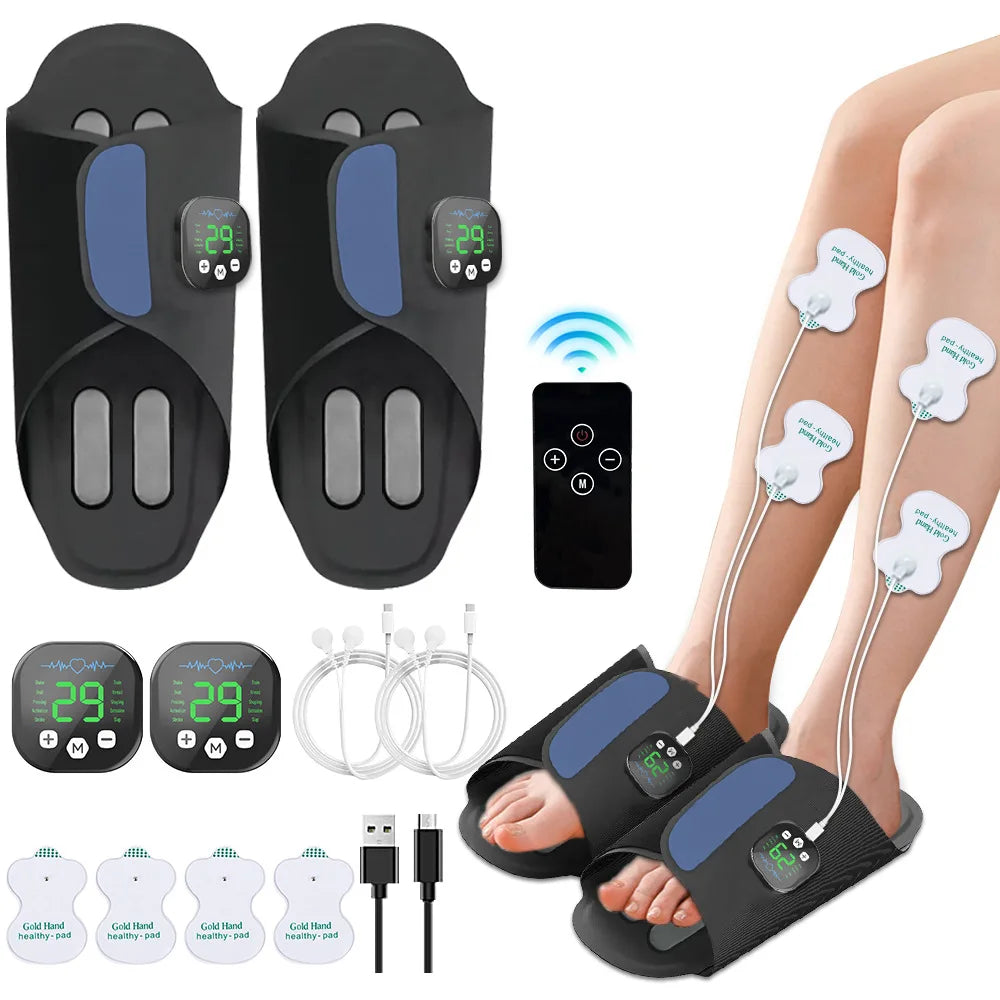
Home foot massage therapy for daily relaxation — See it in action
What Is At Home Foot Massage?
At home foot massage involves using your hands, fingers, or simple massage tools to apply controlled pressure and movement across the soles, heels, arches, and toes. These home foot massage methods help loosen tight tissues, improve mobility, and promote relaxation after standing, walking, or exercising.
Basic Foot Anatomy
Understanding a few key structures helps you apply pressure more effectively:
- Heel: Absorbs impact during walking.
- Arch: Supports body weight and commonly develops tightness.
- Ball of the foot: Handles pressure during movement.
- Toes: Help maintain balance and flexibility.
- Plantar fascia: A thick band of tissue connecting the heel to the toes that may become irritated with overuse.
Pressure Points vs Reflexology
Many self foot massage techniques focus on relaxing muscles and improving tissue mobility. Reflexology, on the other hand, is a specialized practice based on applying pressure to specific points that practitioners believe correspond with other parts of the body. While many people find reflexology relaxing, traditional plantar foot massage primarily aims to reduce muscle tension, improve circulation, and increase comfort.
Many people pair their massage routine with products from the Body Care and Health Devices collection to build a relaxing self-care routine.
Benefits of Foot Massage at Home
- Relieves foot pain: Helps reduce soreness caused by long periods of standing, walking, or exercise.
- Supports mobility: Loosens tight muscles and improves flexibility in the feet and ankles.
- Encourages healthy circulation: Gentle massage stimulates blood flow that can leave feet feeling warmer and less fatigued.
- Promotes relaxation: Foot massage for relaxation can lower muscle tension and help prepare the body for rest.
- Supports recovery: Regular sessions may help reduce stiffness after physical activity.
| Common Foot Concern | How Massage Helps |
|---|---|
| Sore arches | Releases tight tissues and reduces fatigue |
| Heel discomfort | Gently eases pressure around the heel |
| Tired soles | Stimulates circulation and relaxation |
| Morning stiffness | Improves flexibility before daily activity |
5-Minute Quick-Start Foot Massage Routine
If you're short on time, this easy routine provides an effective way to enjoy the benefits of foot massage at home.
Warm Up
Rub both feet between your palms for 30 to 60 seconds or soak them in warm water for several minutes before beginning.
Arch Massage
Using both thumbs, slowly glide from the heel toward the ball of the foot. Repeat several passes while adjusting pressure to a comfortable level.
Heel and Ball of Foot
Use small circular movements around the heel and the ball of the foot to release built-up tension from standing or walking.
Toe Finish
Gently pull and rotate each toe before finishing with long strokes from the toes toward the ankle to encourage circulation.
Step-by-Step Self Foot Massage Techniques
Foot Massage for Relaxation
- Apply a small amount of massage oil or lotion.
- Hold the foot with one hand while using your thumb to make slow circles across the sole.
- Work gradually from the heel toward the toes.
- Finish with gentle ankle rotations and light stretching.
Foot Massage for Plantar Fasciitis
- Roll a tennis ball or massage roller beneath the arch.
- Pause briefly over tender areas without applying excessive pressure.
- Stretch the toes upward to lengthen the plantar fascia.
- Repeat for one to two minutes per foot.
Foot Massage for Sore Feet
- Use slow kneading motions across tired muscles.
- Alternate between broad strokes and focused thumb pressure.
- Reduce pressure if discomfort increases.
- Finish with gentle calf stretching.
Foot Massage to Boost Circulation
- Begin with light strokes from the toes toward the ankle.
- Knead the arches using both thumbs.
- Massage around the ankle with gentle circles.
- Complete the session with several long upward strokes.
Massage Oils, Creams, and Optional Tools
Using a lubricant helps your hands glide comfortably across the skin while reducing friction. Massage oils and creams are optional but can make longer sessions more comfortable.
Foot Massage Without Tools
You can perform an effective foot massage using only your hands. Thumb kneading, palm pressure, gentle stretching, and toe rotations remain some of the best home foot massage methods for beginners.
When to Use Rollers or Massage Balls
If your hands become tired or you need deeper pressure through the arch, massage rollers or massage balls can provide consistent stimulation. Many users combine manual massage with the KentDO Plantar Foot Massager Pad to make daily recovery easier.
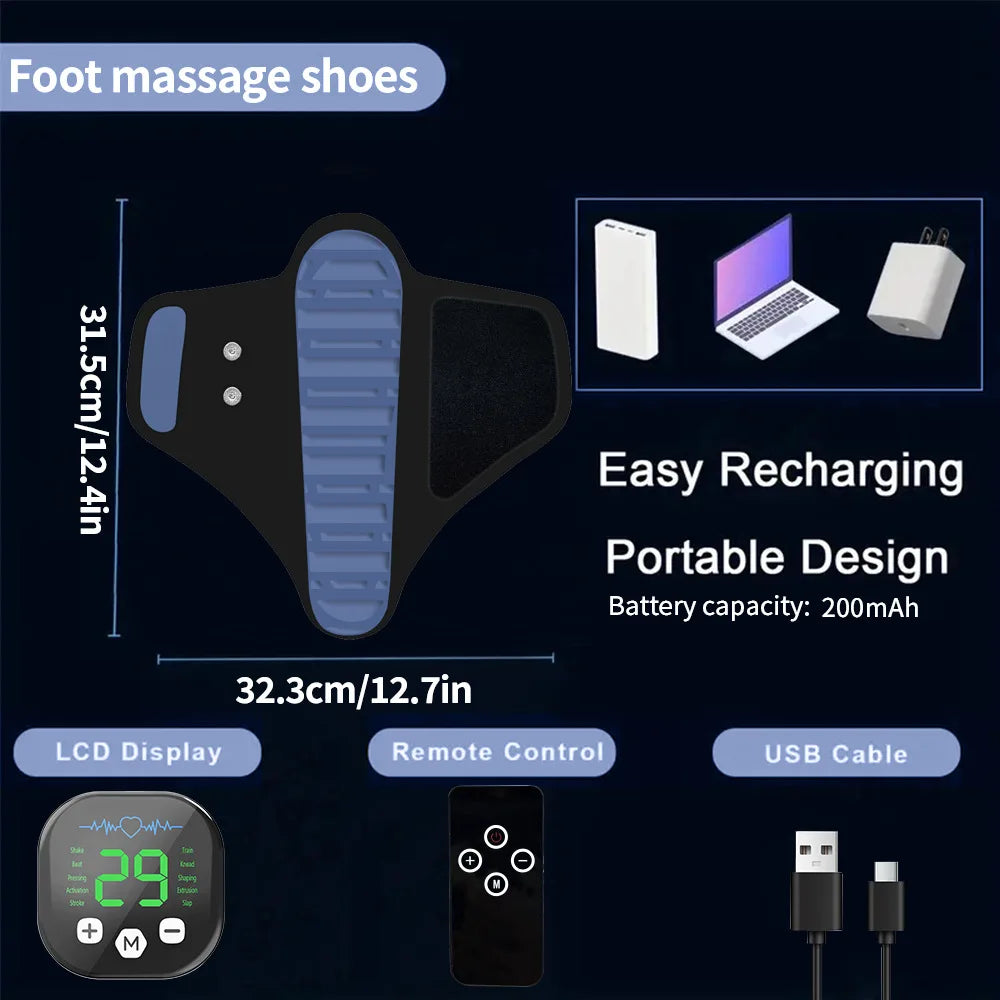
Self massage for feet made effortless — See it in action
- Provides consistent pressure across the sole.
- Helps reduce hand fatigue during longer sessions.
- Suitable for everyday recovery after work or exercise.
- Easy to use while seated.
Build the Best At Home Foot Massage Routine
A consistent routine delivers better results than occasional intensive sessions. Most people benefit from 5 to 15 minutes of massage daily or several times each week.
After Standing All Day
Focus on the arches, heels, and calves. Finish with gentle stretching to reduce stiffness.
Massage the soles after training to support recovery, followed by calf and ankle mobility exercises. Pair your recovery with guidance from the How to Improve Foot Circulation at Home Effectively guide.
For Daily Relaxation
Massage your feet after an evening shower, practice slow breathing, and create a calm environment before bed. You can also explore additional wellness ideas in the Beauty & Self-Care Blog .
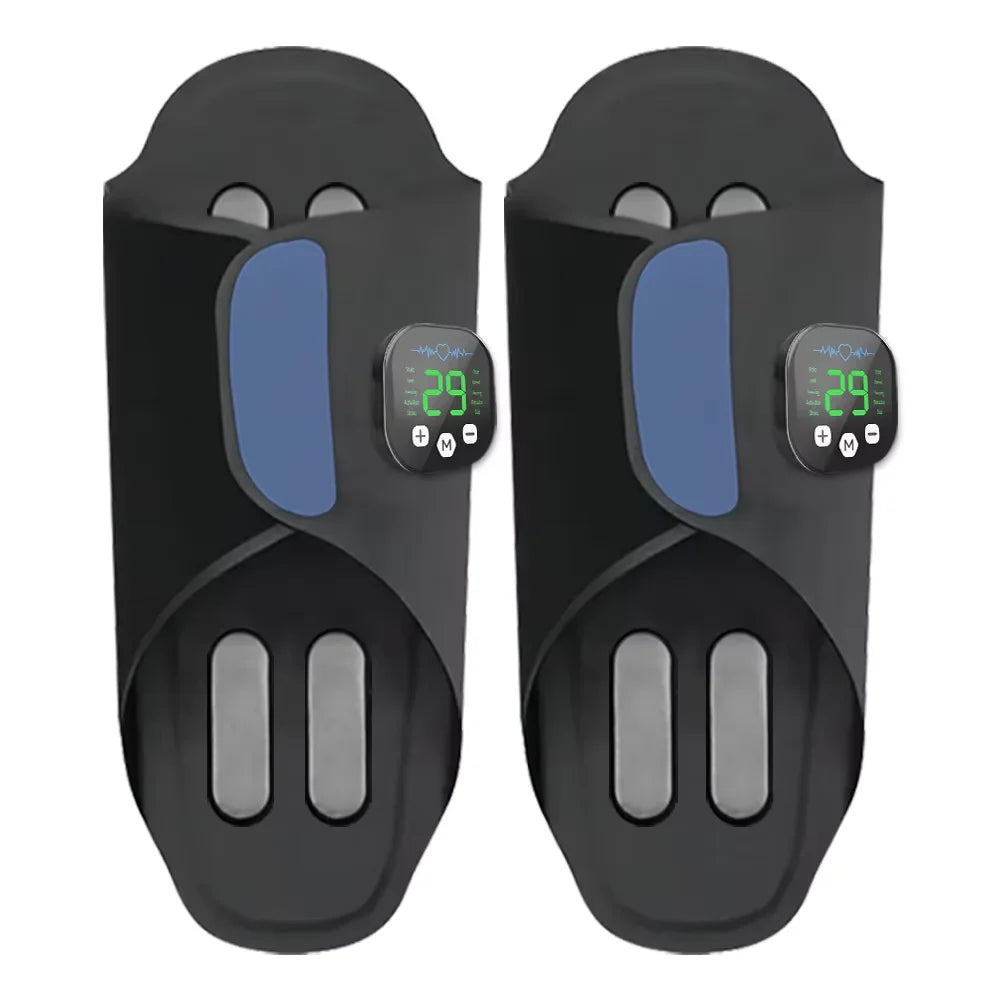
Foot massage for foot pain relief — See it in action
Common Mistakes and Safety Tips
- Avoid pressing hard enough to cause bruising or sharp pain.
- Increase pressure gradually rather than starting with deep massage.
- Do not massage directly over open wounds, burns, or active skin infections.
- If you have severe swelling, a recent fracture, or unexplained foot pain, speak with a healthcare professional before beginning self massage.
- Stop immediately if numbness, severe pain, or worsening symptoms occur.
Frequently Asked Questions
How often should I do at home foot massage?
Most people benefit from 5 to 15 minutes daily or at least three to four sessions each week.
Can foot massage help plantar fasciitis?
Gentle massage and stretching may temporarily reduce plantar fascia tension and improve comfort when combined with appropriate recovery exercises.
Can I massage sore feet every day?
Yes, provided you use comfortable pressure and your symptoms do not worsen after each session.
Can I do foot massage without tools?
Absolutely. Your hands are enough to perform effective self foot massage techniques, including thumb kneading, circular strokes, and toe stretches.
When should I avoid foot massage?
Avoid massage if you have open wounds, severe infections, recent fractures, or unexplained swelling until you have been evaluated by a healthcare professional.
How long should an at home foot massage last?
A session of 5 to 15 minutes per foot is sufficient for most people.
What pressure is best for self foot massage?
Use firm but comfortable pressure that relieves tension without causing lingering pain or bruising.
Can foot massage improve circulation?
Massage encourages healthy blood flow to the feet and may help reduce feelings of stiffness or cold feet.
Should I use oil or lotion for foot massage?
Either works well. Oils provide more glide for longer massages, while lotions absorb faster and leave less residue.
Is reflexology the same as a regular foot massage?
No. Reflexology is a specialized practice based on pressure points, while regular foot massage primarily focuses on relaxing muscles, improving mobility, and relieving tension.
Can I massage my feet if they are swollen?
Mild swelling may improve with gentle massage, but persistent, painful, or unexplained swelling should be assessed by a healthcare professional before beginning self-treatment.
Related Guide: How to Improve Foot Circulation at Home Effectively













