

Does an at home foot vein finder really work?
An at home foot vein finder uses safe light technology to improve the visibility of foot veins beneath the skin, making them easier to identify without relying on guesswork alone. For beginners, this can reduce repeated attempts, improve confidence, and make learning vein detection at home more straightforward. While these devices help visualize vein patterns, they are intended as guidance tools rather than medical diagnostic equipment.
At Home Vein Finder: Best Devices & Beginner Guide (2026)
Finding foot veins at home can be challenging, particularly if veins are small, less visible, or affected by hydration and circulation. A quality portable vein finder helps users identify vein pathways more easily, reducing frustration and improving consistency. This guide explains what an at home foot vein finder is, why foot veins can be difficult to see, and what factors to consider when comparing devices for home use.
⏱ 7 min read
Explore how this portable solution works
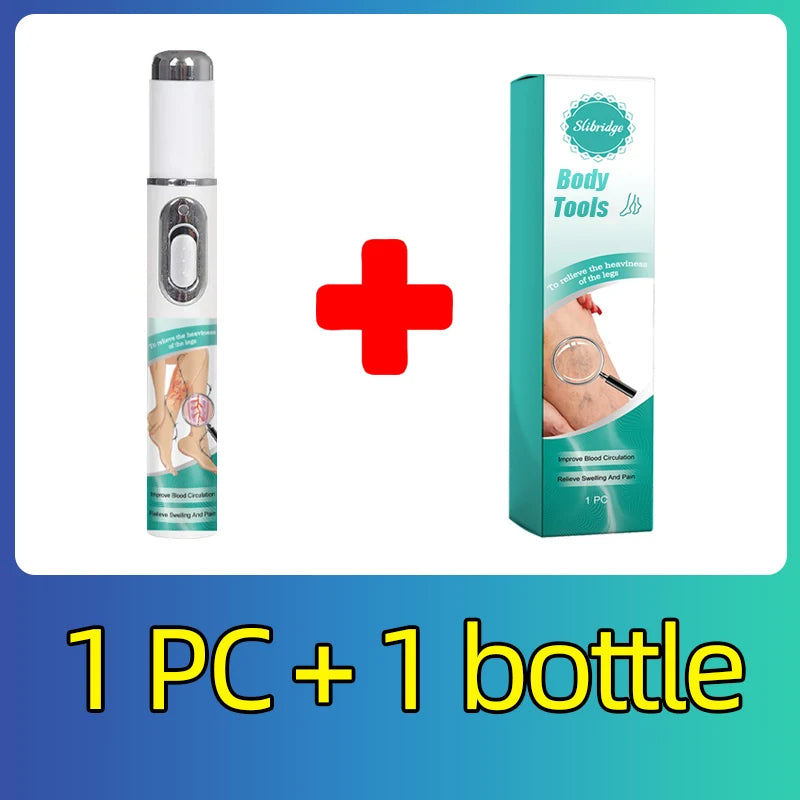
At home foot vein finder highlighting visible foot veins. See it in action.
What Is an At Home Vein Finder?
An at home vein finder is a compact handheld device that helps users visualize veins beneath the skin using safe light-based technology. Instead of relying solely on visual inspection, the device enhances vein visibility so beginners can better understand vein patterns with greater confidence and less trial and error.
Portable vein finders are commonly chosen for home wellness, personal education, and situations where naturally visible foot veins are difficult to identify. Performance varies depending on skin characteristics, hydration, lighting conditions, and the quality of the device, so results are best when the manufacturer's instructions are followed.
Why Foot Veins Are Hard to See (And How to Improve Visibility)
Foot veins are often more difficult to identify than veins in the arms because circulation is naturally lower in the feet, the skin may be thicker, and environmental factors can reduce vein contrast. Understanding these factors can improve your success before using any vein finder.
Circulation, Skin Tone & Hydration Factors
- Poor circulation: Reduced blood flow can make veins appear flatter and less noticeable.
- Skin tone and thickness: Deeper pigmentation or thicker skin may reduce natural vein visibility.
- Dehydration: Inadequate hydration may temporarily make veins less prominent.
- Cold temperatures: Cooler environments may cause blood vessels to constrict, making veins harder to detect.
Quick Ways to Make Veins More Visible at Home
- Drink water 30–60 minutes before use.
- Warm the area gently with a warm compress.
- Allow the foot to hang below heart level briefly to encourage blood flow.
- Use the device in a dimly lit room to maximize contrast.
Best At Home Vein Finder Devices (Comparison Table)
The best at home vein finder depends on how often you plan to use it, your budget, and the level of accuracy you need. Comparing the core features below makes it easier to choose a device that matches your experience and intended use.
Quick Comparison: Accuracy, Portability, Power
| Device Type | Accuracy | Portability | Best For |
|---|---|---|---|
| Near-infrared (NIR) | High | Good | Beginners, frequent home use, improved vein visualization |
| LED light models | Moderate | Excellent | Occasional use and budget-conscious buyers |
| Rechargeable handheld devices | High | Excellent | Travel and repeated use without disposable batteries |
| Compact pen-style devices | Moderate to High | Excellent | Users who prefer lightweight, portable designs |
Best Picks by Use Case (Beginners, Elderly, Kids)
- Beginners: Look for intuitive controls, lightweight construction, and consistent vein contrast rather than numerous advanced settings.
- Older adults: A brighter display or stronger projection can improve visibility when veins are naturally less prominent.
- Children: If a device is used for educational or non-medical purposes, choose one with gentle light output, quick operation, and comfortable handling. It should never replace professional medical equipment.
How to Choose the Best Vein Finder Device
Comparing a few practical features before purchasing can help you select a vein finder that is easier to use and more reliable over time.
Key Features That Actually Matter
- Detection technology: Near-infrared systems generally provide better vein contrast than basic LED illumination.
- Image clarity: Clear visualization makes vein patterns easier to interpret and reduces unnecessary repositioning.
- Portability: Compact handheld devices are more comfortable for routine home use and travel.
- Battery performance: Rechargeable models with longer operating times minimize interruptions during use.
- Ease of operation: Simple controls are especially helpful for first-time users.
What Beginners Often Overlook
- Using the device in bright sunlight instead of a dim environment.
- Choosing extra features that add complexity without improving everyday use.
- Overlooking battery runtime and charging convenience.
- Expecting identical performance across every skin tone, lighting condition, and hydration level.
How to Use an At Home Vein Finder (Step-by-Step Guide)
Before You Start
Wash and dry the target area, stay adequately hydrated, and warm the foot if necessary. Charge the device before use and adjust brightness or projection settings according to the manufacturer's instructions.
Step-by-Step Instructions
- Hold the device approximately 5–10 cm above the skin, or follow the recommended working distance provided by the manufacturer.
- Move slowly across the target area without making sudden movements.
- Observe the darker vein pathways as they become visible.
- If needed, lightly mark the location before moving the device away.
- Repeat the scan from another angle if additional confirmation is required.
Common Mistakes to Avoid
- Moving the device too quickly, which can reduce image stability.
- Using it under strong overhead lighting that decreases contrast.
- Skipping skin preparation or attempting to scan cold, dehydrated feet.
- Relying on the device as a substitute for professional medical guidance or clinical equipment.

Portable vein finder in use at home. See how easy it is.
Is a Vein Finder Safe? What Experts Say
Most at home vein finders use non-invasive light technology and are designed to improve vein visualization without penetrating or damaging the skin. When used according to the manufacturer's instructions, they are generally considered safe for routine home use. However, these devices are intended to assist with locating visible veins and should not be viewed as diagnostic or medical treatment tools.
Safety for Different Skin Types
Modern vein finders are suitable for a wide range of skin tones and skin types. Performance may vary depending on skin pigmentation, tissue thickness, hydration, and ambient lighting, but the light used by consumer devices does not normally harm healthy skin during normal operation.
- People with irritated, damaged, or highly sensitive skin should avoid directing light at affected areas until the skin has healed.
- Anyone intending to perform medical procedures should rely on trained healthcare professionals and appropriate clinical equipment rather than a consumer vein finder.
- If you have concerns about circulation or an underlying vascular condition, consult a healthcare provider before relying on any home device.
Always follow the manufacturer's operating instructions, avoid looking directly into the light source, and discontinue use if the device becomes damaged or overheats.
Real User Experiences: What Beginners Say
Many first-time users report that a portable vein finder makes identifying foot veins less stressful by providing clearer visual guidance than relying on ambient lighting alone. Individual results vary, but several themes appear consistently among beginner experiences.
- Improved confidence: Users often feel more comfortable locating veins after only a few practice sessions.
- Reduced guesswork: Enhanced vein visibility helps users better understand natural vein patterns.
- Better performance in dim lighting: Many people find the contrast is easiest to interpret when the surrounding room is not brightly lit.
- Learning aid: Portable vein finders can help beginners become more familiar with vein locations, although they are not substitutes for professional training.
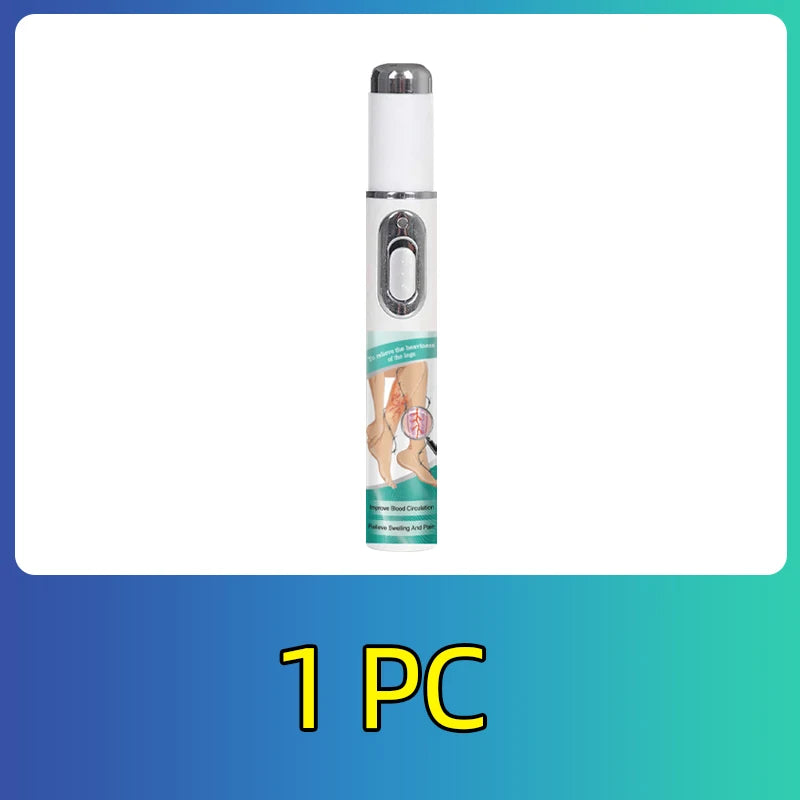
Clear visible foot veins at home. Try it yourself.
Care, Comfort & Best Practices for Accurate Results
Proper care helps maintain image quality and extends the lifespan of your at home vein finder. A few simple habits can also improve consistency each time you use the device.
- Clean the light window with a soft, dry microfiber cloth after each use.
- Store the device in a protective case away from excessive heat, moisture, and direct sunlight.
- Use the vein finder in a dimly lit room to maximize vein contrast.
- Keep your skin clean and stay well hydrated before each session for better visibility.
- Recharge the battery according to the manufacturer's recommendations to maintain reliable performance.
For a full home wellness routine, explore tools in the Body Care and Health Devices collection.
Get yours now — limited stock!
Frequently Asked Questions About At Home Vein Finders
Is an at home foot vein finder safe for beginners?
Yes. Most consumer vein finders use non-invasive visible or near-infrared light and are designed for safe home use when operated according to the manufacturer's instructions. They are intended to help visualize veins and should not be considered medical diagnostic devices.
How long does it take to locate foot veins?
With proper lighting and skin preparation, most users can identify vein patterns within a few seconds to a couple of minutes. Hydration, skin temperature, and circulation all influence how quickly veins become visible.
Do portable vein finders work on different skin tones?
Yes. Quality vein finders are designed to work across a wide range of skin tones, although image clarity may vary depending on skin thickness, lighting conditions, and the technology used by the device.
Can I use a vein finder for IV placement or other medical procedures?
No. Home vein finders are visual guidance tools only. They are not a substitute for professional medical equipment, clinical training, or healthcare advice.
What is the best vein finder device for home use?
The best choice depends on your budget, portability needs, and intended frequency of use. Portable infrared-based models generally provide better vein contrast and more consistent results than basic illumination devices, making them a popular option for beginners.
Related Guide: How to Find Foot Veins Safely at Home













