

Does hair steaming cap treatment at home really work?
Yes. A hair steaming cap treatment at home can improve the performance of deep conditioners by combining gentle heat with moisture, allowing conditioning ingredients to coat and penetrate the hair more effectively. Most people notice softer, smoother, and more manageable hair after regular use, particularly if they have dry, textured, color-treated, or low-porosity hair. While steaming cannot repair permanently damaged hair, it can increase hydration, reduce dryness, and make a healthy hair care routine more effective than using conditioner alone or relying on basic homemade hair steaming treatment methods.
Hair Steaming Cap Treatment at Home: Step-by-Step Guide for Better Results
If your deep conditioner seems to sit on your hair instead of absorbing, or your curls lose moisture within days, hair steaming may help. This guide explains how a hair steaming cap treatment at home works, what the science says about heat and moisture, and how to achieve salon-inspired hydration safely without adding unnecessary steps to your routine.
⏱ 8 min read
Discover the best options for your hair type
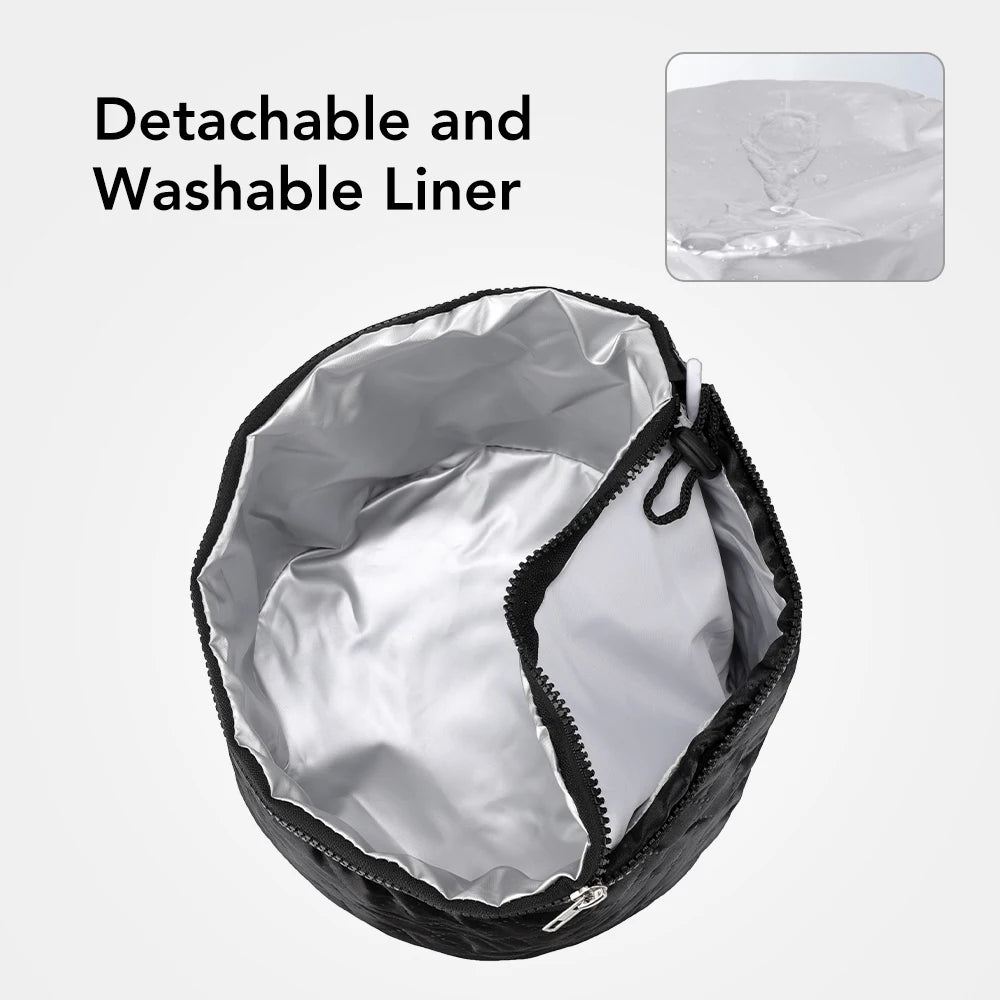
Real at home hair steaming guide setup with steam cap See it in action
What Is Hair Steaming and Why It Matters for Hair Health
Hair steaming is a moisture-based treatment that combines gentle heat with water vapor to improve hair hydration and help conditioners perform more effectively. Unlike dry heat from styling tools, steam supplies warmth and moisture at the same time, creating an environment that supports softer, more manageable hair without relying on high temperatures.
When practicing steaming of hair at home, you recreate a salon-style deep conditioning treatment using a home hair steamer, heated steam cap, bonnet steamer, or another steam-producing method. The goal is not to "repair" hair instantly, but to improve moisture retention, reduce dryness, and help conditioning ingredients spread more evenly throughout the hair.
How Steam and Moisture Improve Deep Conditioning
Deep conditioners work best when they remain in close contact with the hair long enough for moisturizing ingredients to coat the strands effectively. Steam creates gentle warmth while maintaining humidity, helping conditioners stay hydrated instead of drying on the surface.
This combination can improve softness, reduce tangles, enhance slip during detangling, and leave hair feeling smoother after rinsing. People with naturally dry, curly, coily, or low-porosity hair often notice the greatest improvement because these hair types typically struggle to retain moisture.
How Hair Steamers Differ From Dry Heat
A home hair steamer delivers moist heat rather than dry heat. Blow dryers and hot styling tools remove moisture as they heat the hair, while steam adds humidity during the conditioning process. Because of this difference, steaming is typically paired with nourishing masks or conditioners instead of styling products.
Using moderate temperatures is important. Gentle steam encourages hydration, whereas excessive heat can contribute to dryness if sessions become too long or temperatures are too high.
Does Heat Open the Hair Cuticle? (Science Explained Simply)
The belief that heat completely "opens" the hair cuticle is a common myth. Hair cuticles do not open and close like pores. Instead, warmth makes the cuticle layers become slightly more flexible and lift enough to allow water and conditioning ingredients to interact more effectively with the outer hair shaft.
What Heat Really Does to the Hair Cuticle
Gentle heat combined with moisture softens the cuticle surface, helping conditioners spread more evenly and reducing the tendency for products to remain only on the outside of the hair. This is why many deep conditioning treatments recommend using a hooded dryer, heated cap, or steam source.
Steam also helps maintain moisture around the hair throughout the treatment. Rather than rapidly evaporating, water remains available while conditioning ingredients continue working, which can improve softness and manageability after rinsing.
This is why a hair steaming cap treatment at home often delivers better hydration than applying conditioner alone. The combination of controlled heat and moisture supports more effective conditioning while minimizing the risk of overdrying associated with excessive dry heat.
Benefits of Hair Steaming for Different Hair Types
A hair steaming cap treatment at home can benefit many hair types, but the ideal frequency and steaming time vary depending on your hair's texture, porosity, and overall condition. Matching your routine to your hair's needs helps maximize hydration while avoiding over-conditioning.
Dry or Damaged Hair
Dry, brittle, or chemically processed hair often benefits the most from steaming because it typically struggles to retain moisture. Pairing steam with a rich deep conditioner can improve softness, reduce tangles, and make hair feel smoother after wash day. Weekly treatments are usually enough to maintain hydration without overwhelming the hair.
Curly and Coily Hair
Curly and coily hair naturally loses moisture more quickly because scalp oils travel less efficiently along the hair shaft. Steam supports curl definition, improves elasticity, minimizes frizz, and makes detangling easier by increasing slip during conditioning. Many people with textured hair include steaming as part of their regular wash-day routine.
Straight and Fine Hair
Straight or fine hair can also benefit from steaming, especially if frequent heat styling has caused dryness. However, lighter conditioners and shorter steaming sessions are generally more appropriate. Over-conditioning may leave fine hair feeling heavy or limp, so treatments every few weeks are often sufficient.
Color-Treated Hair
Hair that has been colored, bleached, or chemically relaxed often requires additional moisture to offset dryness caused by processing. Gentle steaming paired with moisturizing conditioners can improve softness and reduce roughness. Avoid excessive heat or overly long sessions, as damaged hair remains more vulnerable to breakage.
Low vs High Porosity Hair
Low-porosity hair often responds particularly well to steaming because the gentle warmth helps moisture reach the hair more effectively. High-porosity hair absorbs moisture quickly but also loses it faster, making shorter steaming sessions followed by leave-in conditioner or a lightweight sealing oil a better approach.
Steam Cap vs Homemade Hair Steaming Treatment: What Works Best?
Both a home hair steamer and a homemade hair steaming treatment can improve deep conditioning, but they differ in consistency, convenience, and long-term results. Choosing the right method depends on your budget, routine, and how often you plan to steam your hair.
Steam Cap
A heated steam cap provides consistent warmth across the entire head, making it easy to repeat the same routine every wash day. Most users appreciate the even heat distribution, hands-free design, and predictable treatment times. For anyone who plans to steam regularly, a reusable steam cap is typically the most practical solution.
Wrapping a warm towel around a shower cap is an inexpensive homemade hair steaming treatment that works reasonably well for occasional use. However, towels cool quickly, often requiring reheating several times during one treatment. This makes maintaining consistent warmth more difficult.
Salon Hair Steamer
Professional salon steamers generally provide the most even moisture and temperature control, making them ideal for intensive conditioning treatments. They also require more space, cost considerably more than home options, and are impractical for most people to use weekly.
| Method | Moisture Retention | Ease of Use | Consistency | Best For |
|---|---|---|---|---|
| Steam Cap | High | Very Easy | Consistent | Regular at-home treatments |
| Hot Towel | Medium | Moderate | Variable | Occasional steaming |
| Salon Hair Steamer | Very High | Professional Use | Excellent | Salon deep conditioning |
| Shower Steam | Low–Medium | Easy | Unpredictable | Quick moisture boost |
Learn step-by-step how to style at home
Step-by-Step: How to Use a Hair Steamer Cap at Home
What You Need Before You Start
- Hair steamer cap or another steam-producing setup
- A moisturizing deep conditioner or hair mask
- Optional disposable or reusable shower cap
- Clean towel for drying afterward
- Wide-tooth comb for gentle detangling
Prepping Your Hair
- Wash your hair to remove product buildup and excess oil.
- Leave hair damp rather than soaking wet.
- Apply deep conditioner evenly from roots to ends.
- Detangle gently to distribute the product thoroughly.
- If desired, cover hair with a shower cap before placing on the heated cap.
Steaming Process (Time and Temperature)
- Position the hair steaming cap securely over your hair.
- Allow the cap to warm gradually instead of using excessive heat immediately.
- Steam for approximately 15 to 30 minutes based on your hair type and the manufacturer's instructions.
- Stop the session if you experience discomfort or excessive heat.
Rinsing and Aftercare
- Remove the cap carefully and allow hair to cool for a few minutes.
- Rinse with lukewarm or cool water to help smooth the cuticle surface.
- Apply a leave-in conditioner or lightweight oil if additional moisture is needed.
- Style gently while minimizing unnecessary heat exposure.
Recommended Timeline
- 0–10 minutes: Hair warms gradually while conditioner begins working.
- 10–20 minutes: Most conditioning treatments reach peak effectiveness.
- 20–30 minutes: Suitable for thicker, curlier, or lower-porosity hair when recommended by the product instructions.
- Beyond 30 minutes: Usually provides little additional benefit and may contribute to over-moisturizing.
See the tested option here: Hair Steamer Cap for Deep Conditioning .
Common Mistakes to Avoid When Steaming Hair at Home
Steaming of hair at home is generally safe when performed correctly, but a few common mistakes can reduce the benefits or leave hair feeling overly soft, dry, or difficult to manage. Paying attention to heat, timing, and product selection helps you get consistent results.
Overheating
Steam should feel comfortably warm rather than hot. Excessive temperatures or prolonged exposure can dry the hair instead of improving hydration. Follow your steamer manufacturer's recommendations and keep most sessions between 15 and 30 minutes.
- Avoid the highest heat setting unless specifically recommended.
- Stop immediately if the cap feels uncomfortably hot.
- Never use dry heat styling tools as a substitute for steam treatments.
Steaming Too Often
More steaming does not necessarily produce healthier hair. Frequent moisture treatments without balancing your routine may contribute to over-moisturized hair that feels limp, stretches excessively, or becomes more prone to breakage.
- Adjust frequency according to your hair type.
- Reduce treatments if hair feels overly soft or lacks elasticity.
- Include occasional protein treatments when appropriate for your hair care routine.
Using the Wrong Products
Steam works best alongside moisturizing conditioners or masks designed for deep conditioning. Applying heavy oils alone before steaming may limit moisture penetration, while skipping conditioner reduces the effectiveness of the treatment.
- Choose a conditioner that matches your hair type.
- Apply products evenly from roots to ends.
- Rinse thoroughly after steaming unless the product directions state otherwise.
- Finish with a suitable leave-in conditioner or lightweight oil if additional moisture is needed.
How Often Should You Do Hair Steaming at Home?
The ideal schedule for a hair steaming cap treatment at home depends on your hair's texture, porosity, chemical history, and overall moisture needs. The goal is to maintain hydration without creating an imbalance between moisture and strength.
Recommended Schedule by Hair Type
- Dry or damaged hair: About once per week alongside a moisturizing deep conditioner.
- Curly or coily hair: Every 1–2 weeks, depending on moisture retention and styling routine.
- Low-porosity hair: Weekly or every other week to help conditioners work more effectively.
- Normal hair: Every 2–3 weeks is often sufficient.
- Fine or oily hair: Approximately once per month using lightweight conditioning products.
- Color-treated hair: Every 1–2 weeks, adjusting based on dryness and the condition of the hair.
Watch how your hair responds rather than following a rigid schedule. If it becomes increasingly dry, tangled, or difficult to manage, your hair may benefit from more frequent conditioning. If it feels overly soft, limp, or lacks resilience, extend the time between steaming sessions and consider incorporating a protein-focused treatment into your routine.
Who Benefits Most From Hair Steaming
A home hair steamer can benefit a wide range of hair types, but it is particularly valuable for people whose hair struggles to stay hydrated or absorb conditioning treatments effectively.
- Natural, curly, and coily hair: Supports long-lasting moisture, improved curl definition, and easier detangling.
- Color-treated or chemically processed hair: Helps replenish moisture lost during coloring, bleaching, or relaxing treatments.
- Low-porosity hair: Encourages conditioners and hair masks to perform more effectively.
- Dry or brittle hair: Helps improve softness and manageability when combined with a quality deep conditioner.
- People with lengthy wash-day routines: Makes deep conditioning more consistent and repeatable at home.
Who Should Avoid Hair Steaming
Although steaming is suitable for most healthy hair types, it is not appropriate in every situation. Delay treatments or seek professional advice if you have:
- An irritated, sunburned, or injured scalp.
- Active scalp infections or unexplained scalp inflammation.
- Recent medical procedures involving the scalp unless cleared by your healthcare provider.
- Fine hair that becomes limp easily, in which case shorter and less frequent sessions are generally preferable.
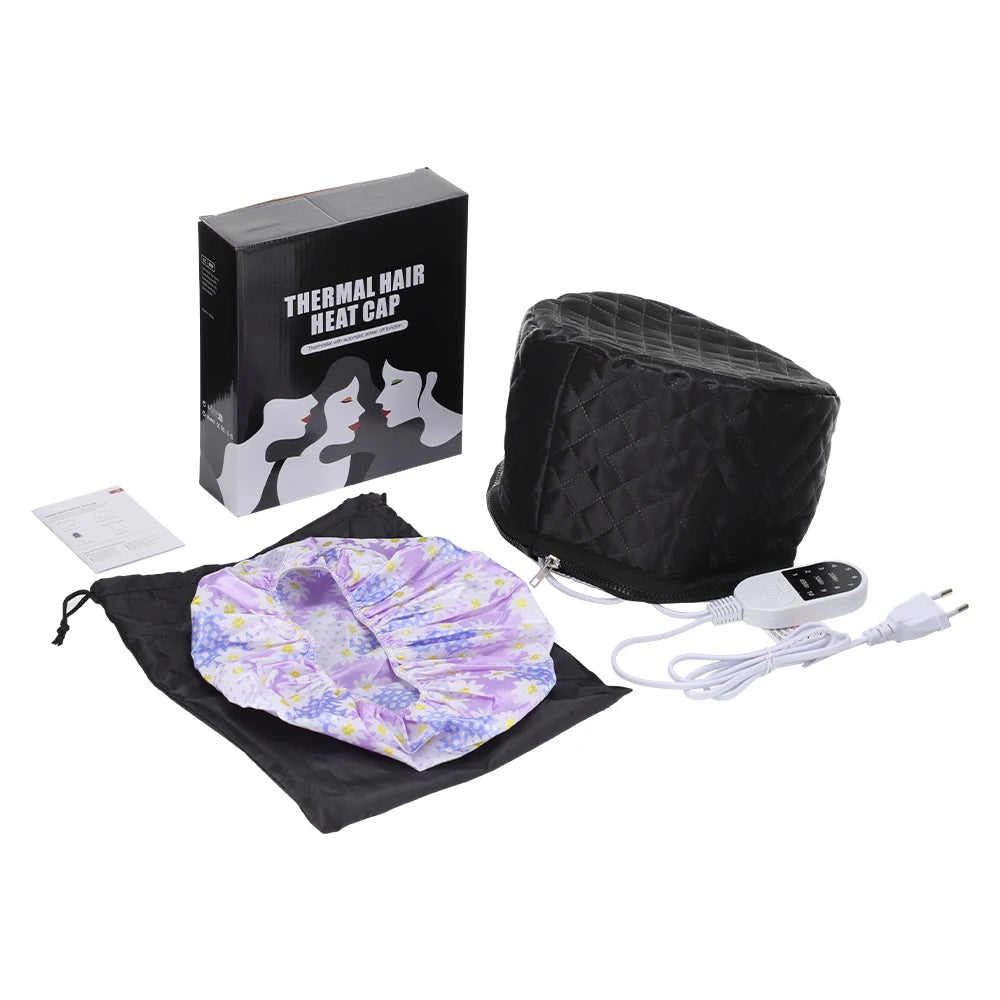
At home hair steaming guide results after 4 weeks See it in action
Final Verdict: Is a Hair Steamer Cap Worth It?
A hair steaming cap treatment at home is a practical way to improve deep conditioning, increase moisture retention, and leave hair feeling softer and easier to manage. While it is not a cure for damaged hair, it can significantly improve the effectiveness of your existing conditioning routine when used correctly.
A dedicated steam cap is usually the best choice for anyone who deep conditions regularly because it delivers more consistent heat and moisture than most homemade alternatives. Occasional users can still benefit from homemade steaming methods, but they typically require more effort and provide less consistent results.
For the best long-term outcome, combine steaming with a balanced routine that includes cleansing, conditioning, occasional protein treatments, and gentle styling practices.
Get yours now — limited stock!
Browse more complementary tools in Beauty & Self-Care Blog or explore related options within Hair, Skin & Nai Blog .
Frequently Asked Questions About Hair Steaming Cap Treatment at Home
Can you steam hair without a steaming cap?
Yes. A warm towel wrapped over a shower cap or a bonnet steamer can provide gentle steam. These methods can work for occasional treatments, although they usually lose heat faster than a dedicated steam cap.
Should you wash your hair before steaming?
Yes. Clean, damp hair allows conditioners to spread more evenly and reduces the chance that product buildup will limit the effectiveness of the treatment.
How long should you use a hair steamer cap?
Most deep conditioning sessions last between 15 and 30 minutes. Always follow the instructions supplied with your steamer and avoid extending sessions unnecessarily.
Can you steam color-treated hair safely?
Yes. Gentle steaming can help restore moisture to color-treated hair when used with a moisturizing conditioner and moderate heat settings.
Is hair steaming good for low-porosity hair?
Yes. Low-porosity hair often benefits because gentle steam helps conditioners perform more effectively without relying on excessive heat.
Can you steam hair every week?
Weekly steaming is appropriate for many people with dry, damaged, curly, or low-porosity hair. Fine or oily hair generally benefits from less frequent treatments.
What conditioner works best with a hair steamer cap?
Choose a deep conditioner formulated for your hair's needs. Moisturizing formulas work well for dry hair, while lightweight conditioners are often better suited to fine hair.
Can too much steaming damage hair?
Excessive steaming or overly frequent moisture treatments can leave hair over-moisturized and more prone to breakage. Follow a schedule that matches your hair type and balance moisture treatments with strengthening care when needed.
Related Guide: Deep Conditioning Hair Mask Review After 30 Days of Use













