

Vibrating Back Massager: How It Works, Benefits, and What to Know (2026 Guide)
⏱ 7 min read — A vibrating back massager is designed to deliver rapid mechanical vibrations to muscles in the back, shoulders, and neck. Unlike a traditional massage that relies on kneading or pressure, vibration therapy uses fast oscillations to stimulate sensory nerves, temporarily reduce muscle tension, and promote blood flow. Whether you're dealing with post-workout soreness, prolonged desk work, or everyday muscle stiffness, an electric vibrating back massager can be a convenient way to support short-term relief when used as part of a broader recovery routine.
Discover top-rated massage tools
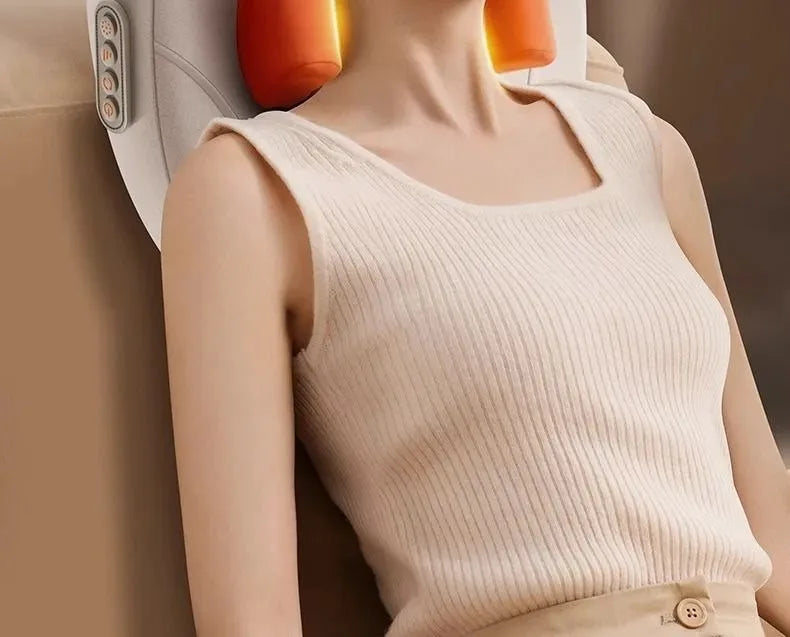
Vibration therapy targets tight muscles in the back, shoulders, and neck.
What Is a Vibrating Back Massager?
A vibrating back massager is an electric device that generates rapid oscillations to stimulate muscles and surrounding soft tissues. These devices are commonly used to help reduce temporary muscle tension, ease post-exercise soreness, and encourage relaxation. While they are not intended to diagnose or treat medical conditions, they can complement stretching, exercise, and other recovery strategies.
How Vibration Therapy Differs from Massage
Traditional massage relies on manual pressure, kneading, or rolling movements to manipulate soft tissue. Vibration therapy works differently by producing repeated high-frequency movements that activate sensory receptors beneath the skin. Rather than physically compressing deep tissue, the vibration spreads through nearby muscles, helping reduce the perception of stiffness and discomfort for many users.
Common Types of Vibrating Back Massagers
Several types of vibrating back massagers are available, each designed for different situations and muscle groups:
- Handheld vibrating back massagers for targeting specific areas of muscle tension.
- Electric vibrating back massagers with heat functions for relaxation during home use.
- Massage cushions and seat pads designed for use in office chairs or vehicles.
- Ergonomic shoulder and trapezius massagers , such as the KentDO Trapezius Electric Massage Pillow , which are shaped to fit the upper back and neck.
Choosing the right style depends on which muscle groups you want to target, how often you plan to use the device, and whether portability or hands-free operation is more important for your routine.
How a Vibrating Back Massager Works
How Vibration Stimulates Muscles
Understanding how a vibrating back massager works begins with the rapid oscillations generated by an electric motor. These vibrations travel through the skin and underlying muscles, creating repeated mechanical stimulation rather than the kneading action produced by manual massage. The movement encourages muscles to relax temporarily and may help reduce the feeling of tightness that develops after prolonged sitting, repetitive movements, or exercise.
Because vibration spreads beyond the point of contact, nearby muscle groups may also receive stimulation, making it useful for larger areas such as the upper back, shoulders, and lower back.
Pain-Gate Theory and Sensory Nerves
One reason vibrating massage for back pain may feel soothing is explained by the pain-gate theory. According to this well-established concept in neuroscience, non-painful sensory input can temporarily reduce the perception of pain by competing with pain signals traveling to the brain.
When vibration activates sensory nerves in the skin and muscles, those signals may partially "close the gate" to discomfort for a short period. This effect does not treat the underlying cause of pain, but it can temporarily improve comfort and make movement easier for some people.
Blood Flow and Muscle Relaxation
Mechanical vibration also promotes local circulation by encouraging small blood vessels to dilate. Improved blood flow increases the delivery of oxygen and nutrients to working muscles while supporting the removal of normal metabolic byproducts produced during physical activity.
Although circulation changes are generally temporary, they may contribute to reduced muscle stiffness and improved flexibility immediately after a massage session.
Mechanoreceptors and Temporary Pain Relief
Vibration stimulates specialized sensory receptors known as mechanoreceptors, which detect movement and pressure. Their activation can alter how the nervous system interprets muscle tension and discomfort, contributing to the temporary pain-relieving effects many users experience.
For this reason, a vibrating back massager is best viewed as a supportive recovery tool rather than a treatment for chronic back conditions. Persistent or severe pain should always be evaluated by a qualified healthcare professional.
Vibrating Back Massager Benefits
Research suggests that vibration therapy may provide several short-term benefits when used appropriately. Results vary depending on the individual, the intensity of the device, and the underlying cause of muscle discomfort, but many users report improved comfort immediately after a session.
Muscle Tension
One of the primary vibrating back massager benefits is helping tight muscles relax. Gentle vibration may reduce muscle guarding and make it easier to stretch areas affected by everyday stress, prolonged computer use, or repetitive movements.
Recovery After Exercise
Some athletes and active individuals use vibrating massagers after training to help manage post-exercise soreness. While evidence is still evolving, vibration therapy may support recovery by promoting circulation and temporarily decreasing muscle stiffness.
Temporary Pain Relief
If you are wondering, does vibrating massage relieve back pain? the answer is that it may provide temporary relief for mild muscle-related discomfort. Current evidence supports short-term symptom management rather than long-term treatment of chronic pain conditions.
Relaxation and Mobility
Relaxed muscles often move more comfortably, which can make everyday activities such as reaching, turning, or maintaining good posture feel easier. Many people also find vibration therapy calming, particularly when combined with heat or gentle stretching.
- ✔ Helps reduce temporary muscle tension and stiffness
- ✔ May improve local blood circulation during use
- ✔ Supports recovery following exercise or prolonged sitting
- ✔ Can temporarily decrease the perception of muscle discomfort
- ✔ Encourages relaxation and short-term improvements in mobility
Vibration Massage vs Percussion, Shiatsu, EMS, and TENS
| Technology | How It Works | Best For | Limitations |
|---|---|---|---|
| Vibration Massage | Rapid oscillations stimulate muscles and sensory nerves. | General muscle tension, relaxation, and mild soreness. | Provides temporary relief rather than deep tissue treatment. |
| Percussion Massage | Repeated tapping reaches deeper muscle layers. | Dense muscle groups and post-workout recovery. | May feel too intense for sensitive or painful areas. |
| Shiatsu Massage | Rotating nodes mimic kneading pressure. | Localized muscle tightness and relaxation. | Less suitable for broad muscle coverage. |
| EMS | Electrical impulses cause muscles to contract. | Muscle activation under professional guidance. | Different purpose from massage and not appropriate for everyone. |
| TENS | Electrical stimulation targets sensory nerves. | Temporary pain management. | Does not massage or mechanically loosen muscles. |
Each technology serves a different purpose. An electric vibrating back massager is generally best suited for everyday muscle relaxation, whereas percussion, EMS, TENS, and Shiatsu devices may be more appropriate for specific recovery or therapeutic goals.
How to Use a Vibrating Back Massager Safely
Session Duration
For most healthy adults, a session of 10 to 15 minutes per muscle group is sufficient to achieve temporary muscle relaxation without overstimulating the tissue. If you are new to vibration therapy, begin with shorter sessions of 5 to 10 minutes and gradually increase the duration as your comfort level improves.
Target Muscle Groups
Position the vibrating back massager over large muscle groups such as the trapezius, upper back, shoulders, lower back muscles, or the muscles alongside the spine. Avoid placing prolonged vibration directly over the bony spine, joints, or other sensitive areas.
- Choose the lowest comfortable intensity setting.
- Place the device on the target muscle rather than directly on bone.
- Move the massager slowly across tight or sore areas instead of holding it in one spot for extended periods.
- If your device includes heat, activate it only according to the manufacturer's instructions.
- Stop if you experience unusual pain, numbness, dizziness, or discomfort.
Recommended Frequency
Many people can safely use a vibrating back massager once or twice daily for routine muscle recovery. Individuals using the device after exercise may benefit from a short session following activity, while office workers often find relief after long periods of sitting. More frequent use is not necessarily more effective and should be guided by comfort and recovery needs.
Mistakes to Avoid
- Using maximum intensity immediately instead of increasing gradually.
- Applying vibration directly over the spine or injured tissue.
- Using the device continuously on one spot for longer than recommended.
- Ignoring persistent pain that requires medical evaluation.
- Using vibration therapy as a substitute for appropriate medical treatment.
Vibrating Back Massager Safety
Vibrating back massager safety depends on using the device correctly and understanding when vibration therapy may not be appropriate. Although these devices are generally considered safe for healthy adults, certain medical conditions require additional caution.
Who Should Avoid Vibration Therapy
Consult a healthcare professional before using a vibrating back massager if you:
- Have a recent fracture, severe muscle tear, or acute soft tissue injury.
- Have significant nerve disorders or reduced sensation in the treatment area.
- Have a bleeding disorder or take medications that increase bleeding risk.
- Have severe osteoporosis or another condition affecting bone strength.
- Have implanted electronic medical devices unless your healthcare provider confirms vibration therapy is appropriate.
- Are pregnant and plan to use vibration over the lower back or abdomen.
Possible Side Effects
Most side effects are mild and temporary. Some people may experience temporary redness, mild soreness, tingling, or muscle sensitivity after a session, particularly when using higher intensity settings or using the device for too long. These symptoms usually resolve quickly with rest.
If symptoms worsen or persist, discontinue use until you can determine the cause.
When to Consult a Healthcare Professional
Seek medical advice before continuing vibration therapy if you experience persistent back pain, pain accompanied by numbness or weakness, unexplained swelling, or symptoms that do not improve with rest. Likewise, individuals with chronic medical conditions affecting circulation, nerves, or the musculoskeletal system should discuss appropriate use with a qualified healthcare professional.
When used responsibly, a vibrating back massager can be a useful addition to a broader recovery plan that also includes regular movement, stretching, strength training, and good ergonomic habits.
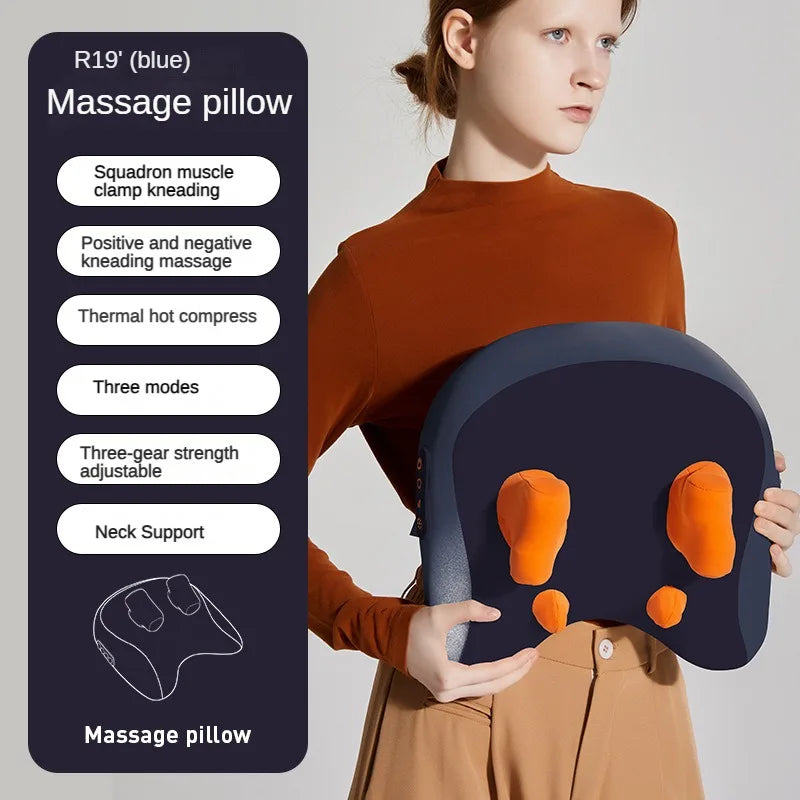
A vibrating back massager can support muscle relaxation when used as part of a healthy recovery routine.
Shop the KentDO Trapezius Electric Massage Pillow
Frequently Asked Questions About Vibrating Back Massagers
How does a vibrating back massager work?
A vibrating back massager uses an electric motor to generate rapid oscillations that stimulate muscles and sensory nerves. This mechanical stimulation may temporarily reduce muscle tension, promote local blood flow, and decrease the perception of discomfort without applying deep kneading pressure.
Does vibrating massage relieve back pain?
Vibrating massage may provide temporary relief for mild muscle-related back pain by helping muscles relax and reducing the sensation of stiffness. However, it does not treat the underlying cause of chronic or severe back pain, which should be evaluated by a healthcare professional.
Is a vibrating back massager effective for muscle tension?
Yes. Research suggests vibration therapy can be effective for temporarily reducing muscle tension, improving relaxation, and increasing comfort following exercise or prolonged periods of sitting. Individual results depend on the cause of the muscle tightness and how the device is used.
How long should you use a vibrating back massager?
Most manufacturers and healthcare professionals recommend limiting sessions to approximately 10 to 15 minutes per muscle group. Shorter sessions are appropriate for first-time users or people with sensitive muscles.
Can you use a vibrating back massager every day?
For most healthy adults, daily use is generally considered safe when following the manufacturer's instructions and avoiding excessive pressure or prolonged treatment of a single area. If soreness develops, allow the muscles time to recover before the next session.
Who should not use a vibrating back massager?
People with acute injuries, recent fractures, severe osteoporosis, certain nerve disorders, bleeding disorders, or implanted medical devices should consult a healthcare professional before using vibration therapy. Pregnant individuals should also seek medical advice before using vibration on the lower back or abdomen.
What is the difference between vibration and percussion massage?
Vibration massage uses rapid oscillations to stimulate muscles and sensory receptors over a broader area, while percussion massage delivers repeated tapping motions that generally penetrate deeper into muscle tissue. Both technologies are designed for muscle recovery but serve different purposes and comfort preferences.
Can vibration massage improve blood circulation?
Vibration massage can temporarily increase local blood flow by stimulating soft tissues and small blood vessels. Although this effect may contribute to short-term muscle relaxation and recovery, it should not be considered a treatment for circulatory disorders.
Pillar Article: Best Massager for Neck and Shoulder: Why This Design Works Better
Other Related Articles:
Explore More:













