

What is the best massager for neck and shoulder relief?
The best massager for neck and shoulder relief uses ergonomic shaping, deep-kneading nodes, and gentle heat to target the trapezius and upper-back muscles effectively. A smart design reduces tension faster, improves circulation, and delivers longer-lasting results compared with basic vibrating massagers.
- Deep-kneading 3D massage nodes
- Ergonomic U-shaped contouring
- Optional heat therapy for circulation
- Hands-free strap support for precision
Best Massager for Shoulder Blades (2026): What Actually Works for Knots & Pain Relief
Shoulder blade knots are notoriously hard to relieve because they sit deep between muscles and along the scapula. The best massager for neck and shoulder pain isn’t simply the strongest—it’s the one designed to reach those areas safely and consistently. This guide explains how massagers work, what to expect, and how to choose the right device for real relief.
⏱ 5–7 min read
Explore our curated essentials in Body Care and Health Devices .
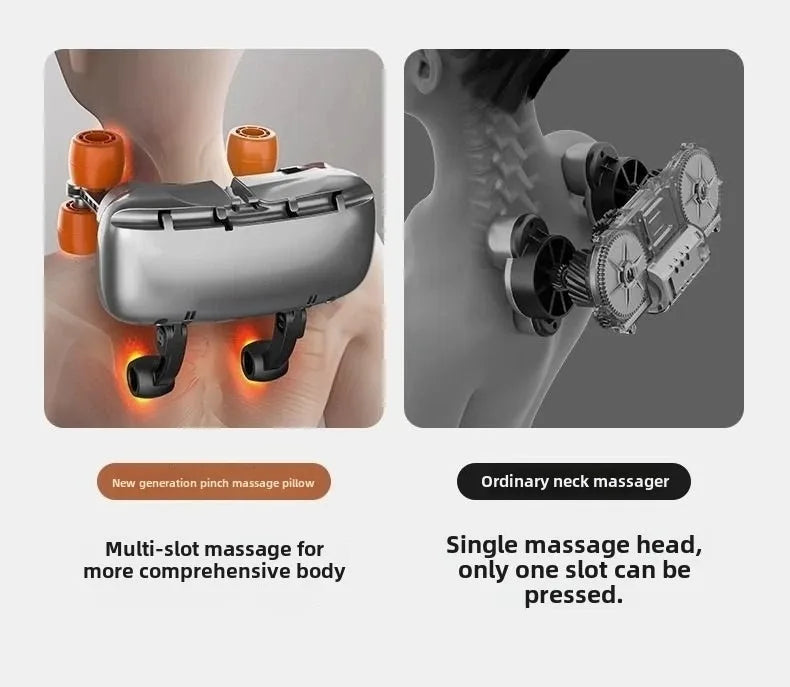
Best massager for neck and shoulder – KentDO | See it in action
Can Neck and Shoulder Massagers Help Relieve Muscle Knots?
What muscle knots are
Muscle knots—often called trigger points—are tight, sensitive bands of muscle fibers. They commonly develop around the shoulder blades due to poor posture, repetitive strain, or prolonged sitting.
How massage devices may help
Neck and shoulder massagers apply pressure and movement to these areas, helping relax tight fibers, improve blood flow, and reduce discomfort temporarily.
What the evidence says
Research on massage therapy shows that mechanical pressure and heat can reduce perceived pain and stiffness. However, most benefits are short-term and depend on consistent use and proper technique.
Realistic expectations
Massagers can relieve tension and improve comfort, but they don’t permanently “remove” knots. Long-term improvement usually requires posture correction, movement, and regular self-care.
What Is the Best Massager for Shoulder Blade Knots?
Shiatsu kneading
Shiatsu-style massagers use rotating nodes to mimic hand pressure. They are often the most effective for deep shoulder blade knots because they provide sustained, targeted pressure.
Percussion
Percussion devices deliver rapid pulses into muscle tissue. They are useful for larger muscle groups but can be harder to position precisely between shoulder blades.
Vibration
Vibration massagers offer lighter stimulation. They can help with mild tension but typically lack the depth needed for stubborn knots.
Heat-assisted massage
Heat enhances any massage type by increasing circulation and relaxing muscle tissue, making pressure more effective and comfortable.
A well-designed shiatsu-style device—such as the KentDO Trapezius Electric Massage Pillow ( /products/kentdo-trapezius-electric-massage-pillow )—combines these elements for deeper, more targeted relief.
Why Shoulder Blade Knots Happen (And Why Most Massagers Fail)
Trigger Points Around the Scapula
Knots often form in deep muscle layers around the scapula, making them difficult to reach with flat or low-pressure devices.
Posture & Desk-Related Tension
Forward head posture, rounded shoulders, and long hours at a desk overload the upper back, leading to chronic tightness.
Why Flat Massagers Don’t Work Here
Flat devices fail to follow the body’s contours. Without proper angle and pressure, they only skim the surface instead of targeting deep trigger points.
How Neck and Shoulder Massagers Work
Pressure on trigger points
Deep-kneading nodes apply consistent pressure to tight areas, helping release muscle tension and improve mobility.
Heat and circulation
Heat therapy increases blood flow, which may help reduce stiffness and support recovery after prolonged muscle tension.
Muscle relaxation response
Massage stimulates the nervous system, encouraging muscles to relax and reducing the sensation of tightness.
Pain modulation
Massage can temporarily reduce pain signals sent to the brain, making discomfort feel less intense during and after use.
How to Choose the Right Neck and Shoulder Massager
Massage Type (Shiatsu vs Vibration vs Percussion)
Choose shiatsu for deep knots, percussion for broader muscle groups, and vibration for light relaxation.
Pressure Control & Adjustability
Look for adjustable straps or intensity settings to control pressure safely and precisely.
Ergonomic Design
Wrap-around or contoured designs improve contact with shoulder blades and ensure consistent pressure.
Heat Function
Optional heat can enhance comfort and effectiveness, especially for chronic stiffness.
How to Use a Neck and Shoulder Massager for Muscle Knots
Step-by-step positioning
- Place the massager around your neck and upper back
- Align nodes with the shoulder blade area
- Adjust straps to control pressure
- Reposition slightly to target specific knots
Session length
Use for 10–20 minutes per session to avoid overstimulation.
How often to use it
1–2 times daily is generally sufficient for most users.
Common mistakes
- Using excessive pressure
- Incorrect positioning
- Sessions that are too short or too long
- Poor posture during use
Benefits and Limitations of Neck and Shoulder Massagers
Pain and stiffness relief
Massagers can reduce muscle tension and improve short-term comfort.
Stress reduction
Regular use may promote relaxation and reduce overall stress levels.
When massage is not enough
Persistent pain may require stretching, strengthening, or professional care.
How long relief may last
Relief is typically temporary and improves with consistent use and lifestyle adjustments.
When to See a Healthcare Professional
Warning signs
Seek medical advice if you experience sharp pain, numbness, or tingling.
Persistent or worsening symptoms
If discomfort does not improve with self-care, a professional evaluation is recommended.
Underlying conditions
Conditions such as nerve compression or injury may require specialized treatment beyond massage.
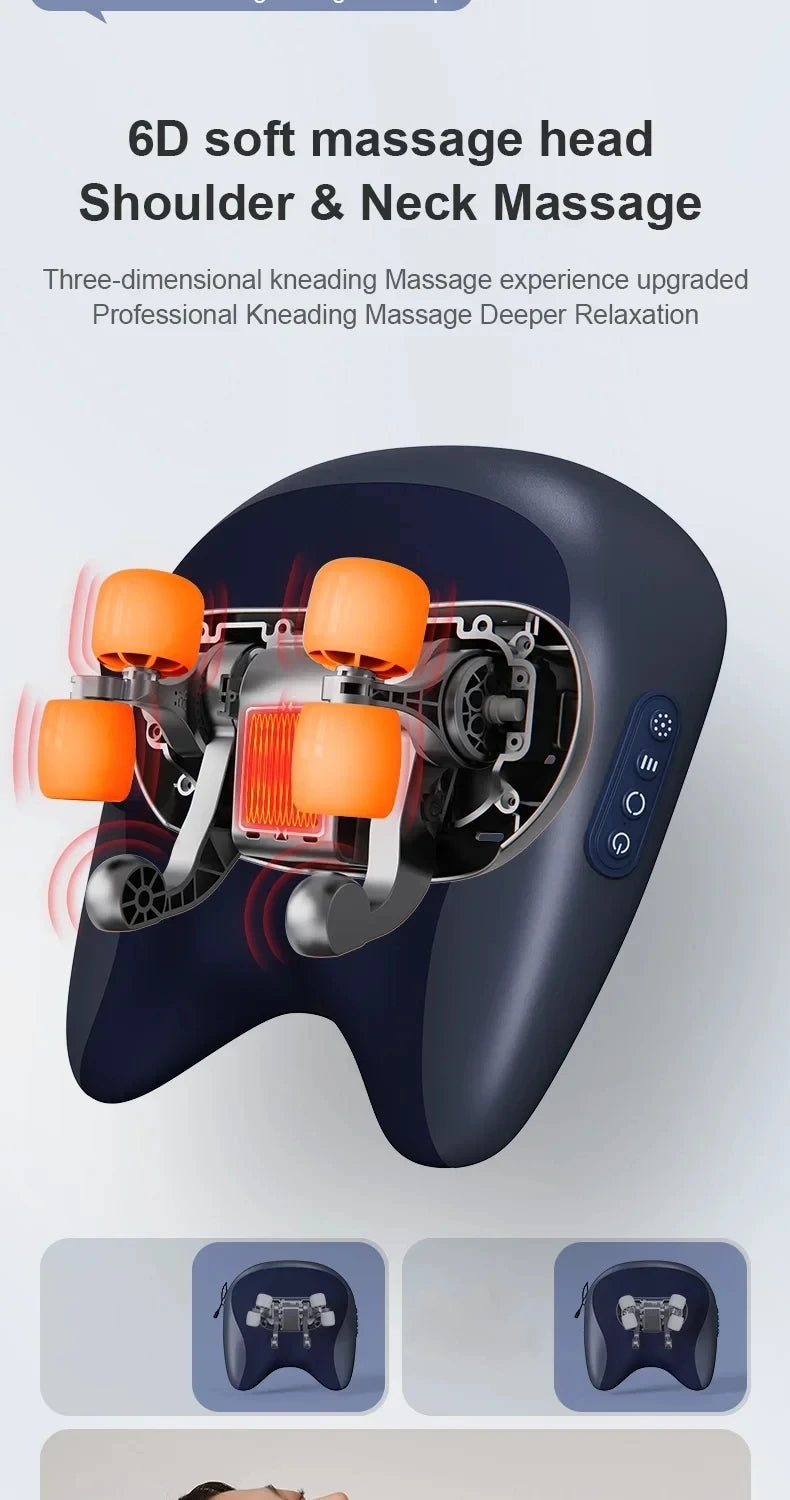
A smarter, more effective neck–shoulder solution – KentDO
Experience the difference: KentDO Trapezius Electric Massage Pillow
Frequently Asked Questions
Can neck and shoulder massagers help relieve muscle knots?
Yes, they can reduce tension and improve comfort by targeting trigger points, though results are typically temporary.
Can massage remove knots permanently?
No. Knots may return without addressing underlying causes like posture or repetitive strain.
How often should you use a neck and shoulder massager?
Most people benefit from 10–20 minute sessions once or twice daily.
What type of massager is best for shoulder blade knots?
Shiatsu-style massagers with deep-kneading nodes are generally most effective for this area.
Is heat or percussion better for muscle knots?
Heat enhances relaxation, while percussion targets larger muscles. For shoulder blades, heat plus kneading is often more precise.
Who should avoid using a neck and shoulder massager?
People with certain medical conditions, injuries, or severe pain should consult a healthcare professional before use.
Key Takeaways
- Deep-kneading, ergonomic designs work best for shoulder blade knots
- Massage provides temporary relief, not a permanent solution
- Heat can enhance comfort and effectiveness
- Proper positioning and consistent use are essential
- Seek professional care for persistent or severe symptoms
Related Articles:
- At Home Massager Features That Boost Circulation and Reduce Daily Stress
- Back Massager Vibrating Tech Explained: How It Targets Deep Tension
Pillar Articles:













