

Does a back pain pillow really help relieve discomfort?
Yes. A well-designed back pain and pillow combination can help maintain a neutral spine, reduce pressure on the neck and shoulders, and improve overall sleep comfort. Choosing a supportive back pain pillow for sleeping or an orthopedic pillow for neck pain may ease morning stiffness, encourage healthier sleep posture, and provide consistent support for people with mild to chronic back discomfort. While a pillow cannot treat every cause of back pain, the right design can be an important part of a better sleep routine.
Back Pain and Pillow Reviews: Top 7 Picks That Actually Work
Waking up with neck stiffness, sore shoulders, or persistent lower back pain often starts with poor sleep support rather than poor sleep alone. An unsupportive pillow can place your head and spine out of alignment for hours every night, increasing muscle tension and making it harder to wake up refreshed. Finding the right back pain pillow for bed means matching your sleeping position, preferred firmness, and support needs—not simply choosing the most expensive option.
In this guide, you'll discover pillows designed for different sleep styles, compare their strengths and limitations, and learn which features actually matter for long-term comfort. Whether you're looking for a contour pillow, adjustable loft, cooling design, or an orthopedic pillow for neck pain , this review highlights practical choices backed by ergonomic design principles and real-world usability.
⏱ Reading time: 12 min

Experience how the back pain pillow for sleeping transforms your nights. See it in action.
Why a Back Pain Pillow Matters
A pillow does more than cushion your head—it helps determine whether your spine stays in a neutral position throughout the night. When the neck bends too far upward or downward, muscles and ligaments remain under tension for hours, often leading to morning stiffness, headaches, shoulder discomfort, or worsening back pain. A supportive orthopedic pillow for neck pain helps distribute pressure evenly while keeping the head, neck, and upper spine properly aligned.
Although a pillow cannot correct structural spinal conditions on its own, choosing the right back pain pillow for sleeping can reduce unnecessary strain, improve sleep quality, and complement other healthy habits such as good mattress support, stretching, and proper sleep posture.
- Supports spinal alignment: Helps maintain the natural curve of the cervical spine, reducing unnecessary stress on the neck and upper back.
- Relieves pressure points: Cushions the shoulders, neck, and upper body to minimize discomfort caused by prolonged pressure.
- Promotes deeper sleep: Better support often means fewer position changes and less interrupted sleep during the night.
- Reduces morning stiffness: Proper alignment may decrease muscle tightness that commonly occurs after sleeping on an unsupportive pillow.
- Provides lasting comfort: Quality materials retain their shape longer, delivering more consistent support over time.
Top 7 Back Pain Pillows for Sleeping
Different types of back pain require different levels of support. The pillows below are selected based on comfort, pressure relief, durability, breathability, and suitability for common sleeping positions. Rather than looking for a one-size-fits-all solution, choose the option that best matches your sleep habits and the area where you experience discomfort.
| Pillow | Type | Best For | Pros | Cons | Link |
|---|---|---|---|---|---|
| KentDO Ergonomic Cotton Pillow | Memory Foam / Cotton | Back, side, and combination sleepers |
✅ Ergonomic neck support
✅ Breathable cotton cover ✅ Hypoallergenic materials ✅ Balanced comfort and stability |
❌ May feel firm during the first few nights | View Product |
| Contour Memory Foam Pillow | Memory Foam | People with recurring neck pain |
✅ Supports natural cervical curve
✅ Excellent shape retention ✅ Consistent pressure relief |
❌ Can retain more heat than latex or fiber pillows | Explore Collection |
| Cooling Gel Pillow | Gel-Infused Foam | Hot sleepers |
✅ Better temperature regulation
✅ Medium-firm support ✅ Comfortable throughout warm nights |
❌ Heavier than traditional pillows | Explore Collection |
| Adjustable Loft Pillow | Shredded Memory Foam | People wanting customized support |
✅ Adjustable height and firmness
✅ Suitable for multiple sleep positions ✅ Easy to personalize |
❌ Requires occasional fluffing and adjustment | Explore Collection |
| Neck Roll Pillow | Contour Support | Cervical spine alignment |
✅ Compact and travel-friendly
✅ Helps support the neck curve ✅ Budget-friendly |
❌ Not ideal as the only pillow for full-night sleep | Explore Collection |
| Body Pillow | Full-Length Pillow | Side sleepers and pregnancy support |
✅ Supports hips, knees, and shoulders
✅ Encourages better spinal alignment ✅ Reduces pressure on joints |
❌ Requires more bed space | Explore Collection |
| Classic Down Alternative | Fiberfill | Those who prefer plush comfort |
✅ Soft feel
✅ Lightweight ✅ Hypoallergenic options available |
❌ Provides less structured neck support | Explore Collection |
Buying tip: If you frequently wake up with neck stiffness or shoulder pain, prioritize supportive contour or memory foam designs. If overheating disrupts your sleep, a cooling gel pillow may offer better nighttime comfort. Side sleepers often benefit from higher-loft pillows, while back sleepers usually achieve better spinal alignment with a medium-loft ergonomic design.
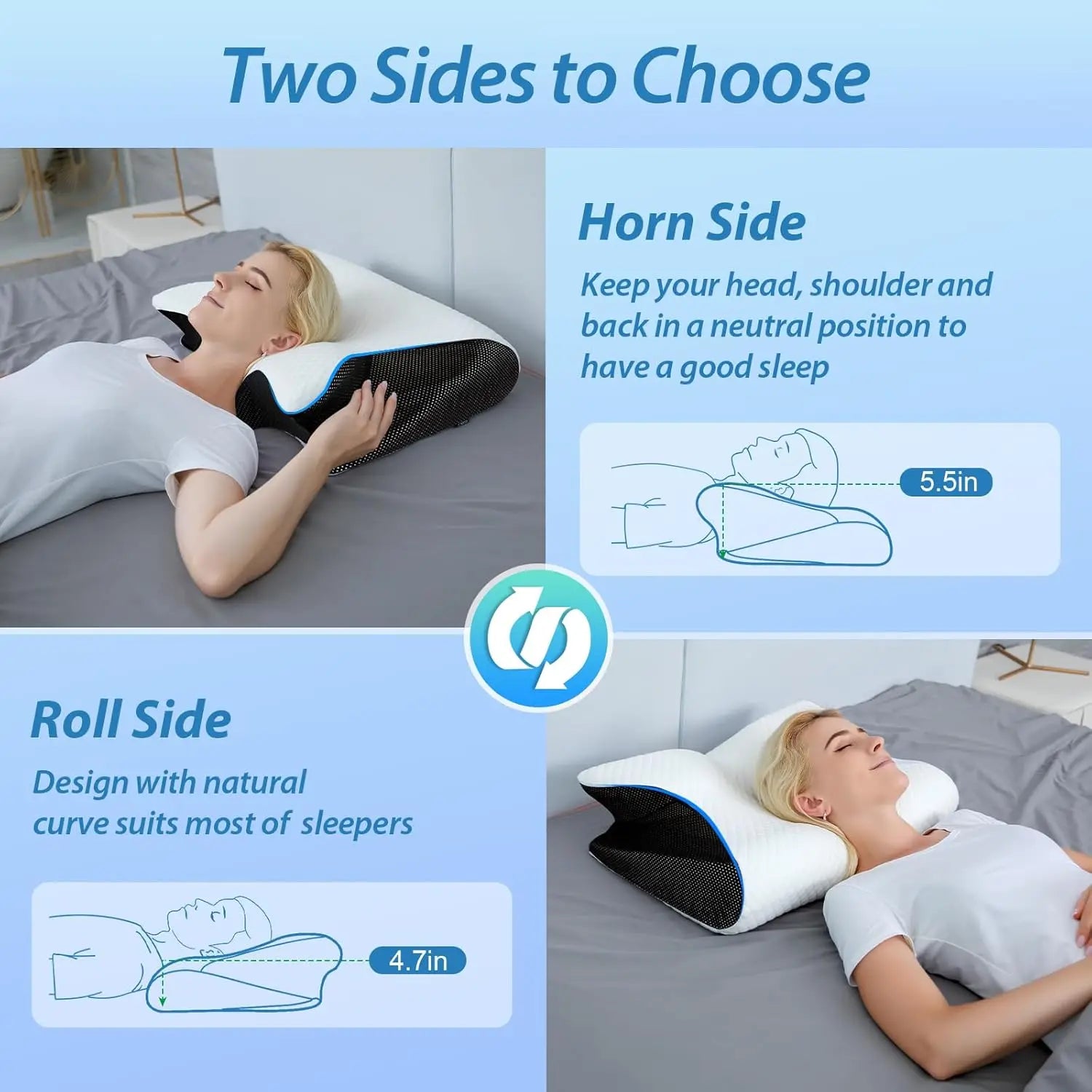
See how this comfortable neck support pillow adapts to different sleeping positions for balanced comfort throughout the night.
How to Choose the Right Pillow for Back Pain
The best back pain pillow for sleeping is the one that keeps your head, neck, and spine aligned throughout the night. Your preferred sleep position, body build, and the location of your discomfort all influence which pillow will provide the most effective support. Use the following guidelines to narrow your choice.
- Match your sleep position: Back sleepers generally benefit from a medium-loft pillow that supports the natural curve of the neck. Side sleepers usually need a higher loft to fill the gap between the shoulder and head, while stomach sleepers often require a low-profile pillow to reduce neck strain.
- Choose the right loft and firmness: A pillow should keep your head level with your spine rather than tilting it too high or allowing it to sink too low. Medium-firm support works well for many people with recurring neck and back discomfort.
- Select the best material: Memory foam provides excellent contouring and pressure relief, latex offers responsive support with good airflow, and cotton or fiberfill pillows create a softer feel but may require more frequent replacement.
- Consider adjustable designs: Pillows with removable fill or adjustable loft make it easier to customize height and firmness as your comfort needs change over time.
- Look for ergonomic support features: An orthopedic pillow for neck pain with a contoured shape can help support the cervical spine, reduce pressure on the shoulders, and encourage healthier sleeping posture.
- Avoid common buying mistakes: Choosing a pillow based only on softness or price can lead to poor support. Instead, prioritize spinal alignment, durable materials, breathable fabrics, and a design suited to your primary sleeping position.
Tips for Better Sleep and Spine Health
Even the best pillow performs better when combined with healthy sleep habits. Small adjustments to your bedtime routine and sleeping posture can reduce pressure on your spine, improve muscle recovery, and help you wake up with less discomfort.
- Maintain proper spinal alignment: Use a back pain pillow for sleeping that keeps your head and neck level with your spine. Back sleepers may also benefit from placing a small pillow beneath the knees, while side sleepers can place one between the knees to reduce hip and lower back strain.
- Replace worn-out pillows when support declines: Most quality pillows last 1–2 years depending on the material. If your pillow has flattened, developed lumps, or no longer returns to its original shape, it's time for a replacement.
- Keep a consistent sleep schedule: Going to bed and waking up at similar times each day supports muscle recovery and improves overall sleep quality.
- Stretch gently before bedtime: Light neck, shoulder, hip, and lower back stretches can reduce muscle tension and help your body relax before sleep.
- Pair your pillow with supportive bedding: A quality mattress and ergonomic sleep accessories work together to maintain healthy posture throughout the night. Explore more
- Sleep in positions that minimize strain: Back and side sleeping are generally better choices for people with recurring neck or back discomfort than stomach sleeping, which can increase stress on the cervical spine.
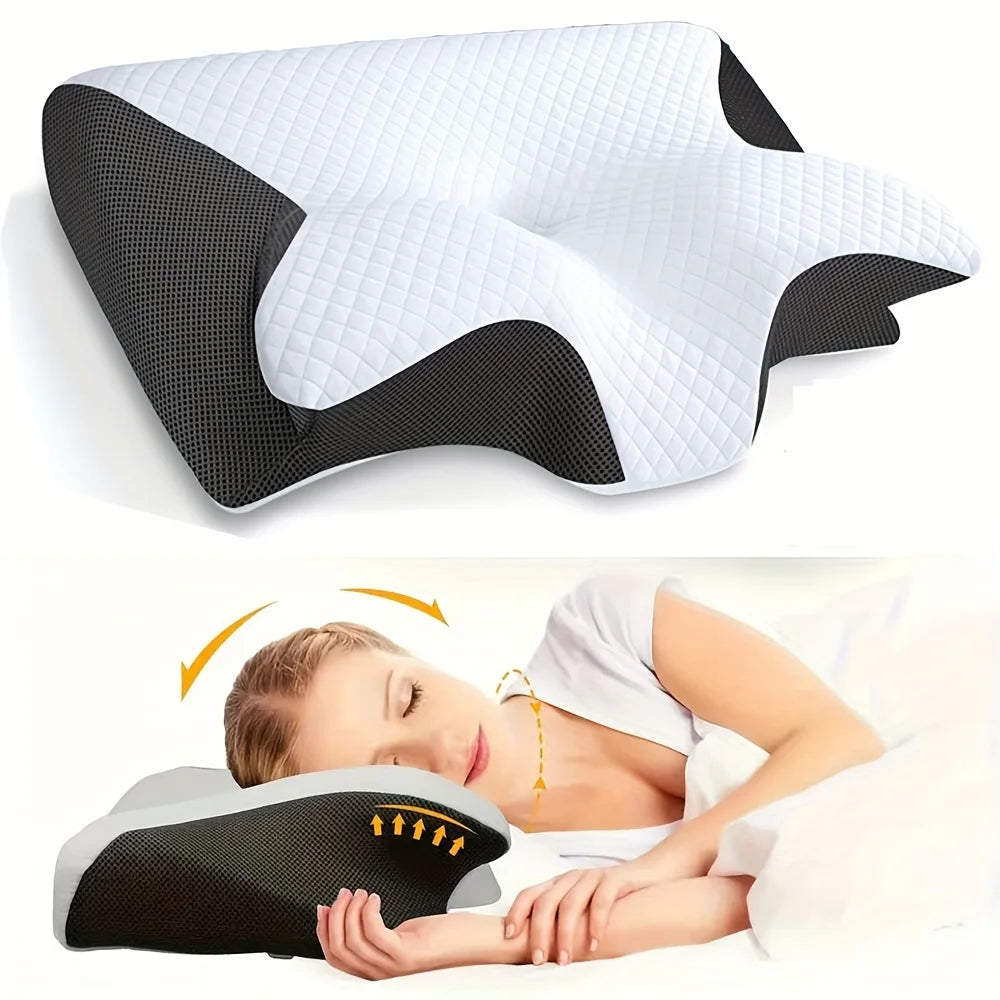
Discover how an orthopedic pillow for neck pain can provide balanced support and promote more comfortable, restorative sleep.
Frequently Asked Questions
- Q: Can a pillow really reduce back pain?
- A: A supportive back pain pillow for bed can improve spinal alignment, reduce pressure on muscles and joints, and minimize morning stiffness. While it won't treat every underlying condition, it can play an important role in improving sleep comfort and reducing strain.
- Q: What is the best product for sleeping with lower back pain?
- A: Many people benefit from combining a supportive pillow with a quality mattress. Back sleepers often find additional comfort by placing a pillow beneath the knees, while side sleepers may reduce lower back stress by positioning a pillow between the knees.
- Q: Is a wedge pillow better than a regular pillow for back pain?
- A: A wedge pillow can help some people by elevating the upper body or legs, reducing pressure on the spine and improving comfort for certain conditions. However, a traditional ergonomic pillow remains the better choice for maintaining proper neck alignment during sleep.
- Q: What pillow works best for neck and back pain together?
- A: An orthopedic pillow for neck pain with a contoured shape or adjustable loft typically offers the best balance of cervical support and spinal alignment for people experiencing both neck and back discomfort.
- Q: Can a mattress topper reduce back pain while sleeping?
- A: A high-quality mattress topper can improve pressure distribution and comfort if your mattress is too firm or beginning to wear. It works best alongside a supportive pillow rather than as a replacement for one.
- Q: How often should you replace a back pain pillow?
- A: Most supportive pillows should be replaced every 1–2 years, or sooner if they lose their shape, no longer provide adequate support, or remain compressed after use.
- Q: Are orthopedic pillows worth buying?
- A: For many people with recurring neck stiffness or posture-related discomfort, orthopedic pillows are a worthwhile investment because they are designed to promote healthier spinal alignment and reduce pressure during sleep.
- Q: Which sleep position is best for chronic back pain?
- A: Back sleeping with a pillow beneath the knees and side sleeping with a pillow between the knees are generally considered the most spine-friendly positions. Stomach sleeping may increase strain on the neck and lower back for many people.
- Q: When should back pain during sleep be evaluated by a healthcare professional?
- A: Seek medical evaluation if nighttime back pain is severe, lasts several weeks despite self-care, follows a significant injury, causes numbness or weakness, or is accompanied by fever, unexplained weight loss, or loss of bladder or bowel control.
Related Articles:
- Ways to Improve Sleep Comfort: 9 Products Tested and Ranked
- Back Pain Pillow Support Review: What You Didn’t Know Before Buying
- Best Ergo Pillow Showdown: Stop Wasting Money on the Wrong One
- Back and Side Sleeper Pillow Face-Off: 5 Top-Rated Choices Reviewed
- Best Ergonomic Pillows Compared: Which One Fits Your Sleep Style?
Pillar Articles:













