

Finding the right back pain pillow support is not just about choosing the softest option on the market. A properly designed back pain pillow for bed can help maintain a more neutral sleeping posture, reduce pressure points, and support better alignment between your head, neck, and spine. The best choice depends on your sleeping position, body shape, pillow height preference, and overall sleep setup. So which features actually matter when you are searching for reliable neck and back pillow support?

back pain pillow support – KentDO
Why Your Pillow Choice Matters for Back Pain
If you are between 35 and 60, spend long hours sitting at a desk, or regularly wake up with neck stiffness and lower back discomfort, your sleeping position may be contributing to the problem. While a pillow does not treat every cause of back pain, the wrong pillow height, firmness, or shape can affect how your spine rests for several hours every night.
A pillow that is too high can push the neck forward, while one that is too flat may allow the head to drop out of alignment. Over time, poor positioning can contribute to morning stiffness and discomfort, especially when combined with prolonged sitting, an unsupportive mattress, or poor daytime posture.
Can Pillows Cause or Worsen Back Pain?
The relationship between pillows and back pain is often overlooked. While many people focus on mattresses, your pillow directly affects the position of your cervical spine, shoulders, and upper back during sleep.
A pillow may contribute to discomfort when:
- The loft is incorrect: A pillow that is too tall or too low can move your neck away from a neutral position.
- The firmness does not match your needs: Excessively soft pillows may collapse overnight, while overly firm pillows may create pressure points.
- Your sleeping position changes: A pillow that works for back sleeping may not provide enough support for side sleeping.
- Your mattress changes your posture: A soft mattress can allow your body to sink, altering the effective height of your pillow.
The goal is not to find a pillow that works for everyone. The goal is to create a sleep surface where your head, neck, and spine remain comfortably aligned.
How the Right Pillow Supports Better Sleep Posture
How a Smart Pillow Offers Support
- Supports a more natural neck curve and helps maintain neutral head positioning.
- Reduces unnecessary twisting or tilting that can happen when your pillow does not match your sleeping style.
- Provides targeted support instead of relying only on general softness.
- Encourages consistent positioning throughout the night.
Research on lumbar support products suggests that properly designed support can influence posture and comfort. However, individual results vary depending on body type, sleep habits, and the underlying reason for discomfort.
Who May Benefit From a Back Pain Pillow Support?
- Back sleepers who need additional neck or lower back positioning support.
- Side sleepers who need a pillow that fills the space between the shoulder and neck.
- Combination sleepers who frequently change positions during the night.
- People whose current pillow feels too flat, too high, or lacks structure.
How Pillow Height Affects Spinal Alignment
Pillow height, also called pillow loft, plays an important role in pillow spine support. The correct height keeps your head from leaning forward, backward, or sideways while you sleep.
Low, Medium, or High Loft: Which Pillow Height Is Best?
- Low loft pillows: Often better suited for stomach sleepers or people with smaller shoulder width who need minimal elevation.
- Medium loft pillows: A common choice for back sleepers who need balanced support without excessive neck elevation.
- High loft pillows: Often preferred by side sleepers with broader shoulders because additional height can help fill the gap between the mattress and neck.
There is no universal pillow height that works for everyone. Your ideal loft depends on shoulder width, body size, mattress firmness, and sleeping position. Adjustable pillows can be useful because they allow you to fine-tune support instead of guessing.
Best Pillow Setup for Every Sleeping Position
Best Pillow for Back Sleepers
Back sleepers generally benefit from a pillow that supports the natural curve of the neck without pushing the head too far forward. A medium loft ergonomic design can help maintain neutral alignment.
For additional comfort, some back sleepers place a pillow under the knees to reduce pressure on the lower back and encourage a more relaxed posture.
Best Pillow for Side Sleepers
Side sleepers typically need more height because the shoulder creates a larger space between the mattress and the head. A back pain relief pillow for side sleeping should keep the neck level with the rest of the spine.
Look for:
- Enough firmness to prevent the head from sinking too deeply.
- Support that fills the shoulder-to-neck gap.
- Materials that maintain shape throughout the night.
Best Pillow for Stomach Sleepers
Stomach sleeping often places the neck in a rotated position. A thinner, softer pillow may feel more comfortable for some stomach sleepers because it reduces excessive elevation.
Best Pillow Setup for Combination Sleepers
If you switch between sleeping positions, adjustable pillows can provide more flexibility. Removable layers or customizable fills allow you to change the height depending on how you sleep.
How to Choose the Right Pillow for Back Pain
Firmness: Soft, Medium, or Firm?
The best firmness depends on your sleeping position and comfort needs:
- Soft pillows: Provide cushioning but may not provide enough structure for some sleepers.
- Medium pillows: Offer a balance between comfort and support for many users.
- Firm pillows: Can provide stronger positioning support, especially for side sleepers who need additional stability.
Material: Memory Foam vs Latex vs Down and Down Alternative
| Material | Benefits | Considerations |
|---|---|---|
| Memory Foam | Contours to your head and neck while maintaining shape | May retain more heat depending on design |
| Latex | Responsive support and durability | Usually has a firmer feel |
| Down or Down Alternative | Soft, adjustable comfort | May require more frequent reshaping |
A memory foam pillow for back pain may be helpful for people who prefer contouring support, but comfort and alignment depend on choosing the correct design and height.
Pillow Placement Beyond Your Head
Using a Pillow Under Your Knees
Back sleepers may find that placing a pillow under the knees creates a more comfortable sleeping posture by reducing strain on the lower back. This is a positioning technique, not a guaranteed treatment for back pain.
Using a Pillow Between Your Legs
Side sleepers can place a pillow between the knees or legs to encourage more balanced hip positioning and reduce twisting through the lower body.
Signs Your Current Pillow May Be Causing Back Pain
Your pillow may not be providing suitable support if you regularly notice:
- Morning neck stiffness or upper-back discomfort.
- Frequent pillow adjustments during the night.
- Your head tilting noticeably upward or downward while lying down.
- Improvement when sleeping in a different location or using another pillow.
If changing your pillow does not improve discomfort, consider evaluating your mattress, sleeping position, activity habits, and whether professional advice is needed.
Pillow, Mattress, and Spinal Alignment: Why the Whole Sleep Setup Matters
A back pain pillow for bed works together with your mattress. A mattress that sinks excessively can change your body position and affect how your pillow supports your neck.
A simple alignment check:
- Your head should remain level rather than tilted upward or downward.
- Your neck should follow the natural curve of your spine.
- Your shoulders and hips should feel relaxed rather than twisted.
How We Evaluate Pillows for Back Pain Support
When comparing pillows, important factors include:
- Loft: Does the height match different sleeping positions?
- Firmness: Does it provide structure without uncomfortable pressure?
- Alignment: Does it support neutral neck positioning?
- Material: Does it maintain shape and provide appropriate comfort?
- Maintenance: Is the cover washable and breathable?
- Adjustability: Can users customize the fit?
Comfort testing and product reviews can help compare options, but a pillow should not be considered a replacement for medical evaluation when pain is persistent or severe.
Desire — How to Evaluate and Compare Top Options
Several popular cervical support pillows are designed for different preferences:
- Core Products Tri-Core Natural Cervical Support Pillow — A traditional cervical design focused on structured neck support.
- ObusForme Neck & Neck Plus Cervical Pillow — Designed for users who prefer adjustable support.
- Osteo Cervical Pillow For Neck Pain Relief — A contour option with targeted neck positioning.
- Ergonomic Contour Memory Foam Pillow — Uses memory foam for customized head and neck support.
- Organic Washable Wool Pillow — A natural-material option with adjustable comfort.
- SHAREROOM Premium Microfiber Cervical Pillow — A softer supportive alternative.
Back Pain Pillow Selection Checklist
- Check your primary sleeping position before choosing a pillow.
- Consider shoulder width when selecting pillow height.
- Choose firmness that supports alignment without creating pressure.
- Prioritize neutral neck and spine positioning over maximum softness.
- Consider adjustable materials if you are unsure about the correct fit.
- Evaluate your mattress if discomfort continues after changing pillows.
How to Use Your Back Pain Pillow for Bed Effectively
- Place your pillow so the supportive section aligns with your neck and upper shoulders.
- Lie down and check that your head stays level with your spine.
- For side sleeping, ensure the pillow fills the gap between your mattress and neck.
- Adjust height or firmness if your neck feels strained.
- Use additional support under your knees or between your legs if it improves comfort.
- Allow time to adapt before deciding whether the pillow fits your needs.
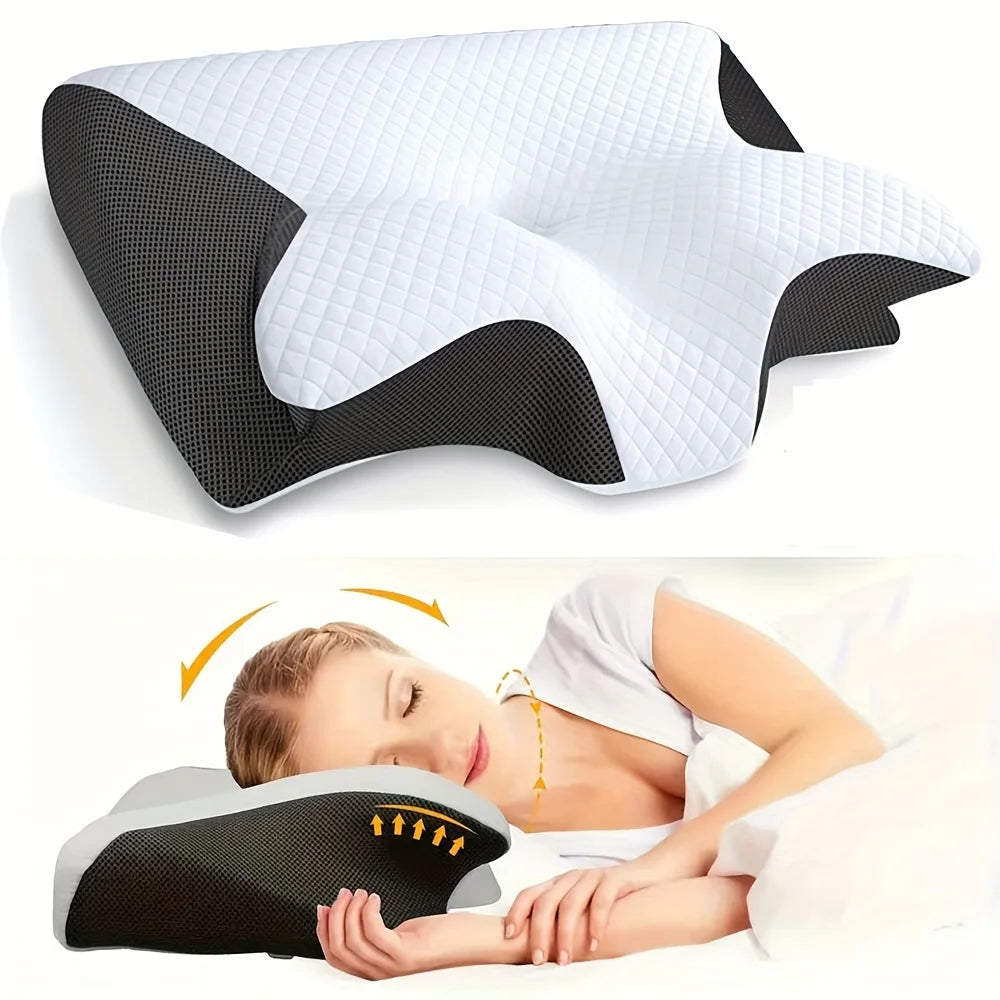
back pain pillow for bed – KentDO
When a Pillow Is Not Enough for Back Pain
A pillow can improve sleep positioning, but it cannot address every possible cause of back pain. Consider seeking professional evaluation if pain continues, becomes worse, limits normal activities, or appears with concerning symptoms.
Decision — Why This Product Link Is Worth a Look Now
The pillow at your link /products/kentdo-ergonomic-cotton-pillow is designed around the same principles discussed in this guide: comfort, support, and better alignment during sleep.
- Designed for people looking for back pain pillow support and neck comfort.
- Supports a more structured sleeping environment.
- Offers a practical option for improving everyday sleep comfort.
Frequently Asked Questions About Pillows and Back Pain
Can a pillow cause back pain?
Yes. A pillow with the wrong height, firmness, or shape may contribute to poor sleeping alignment and morning discomfort.
Can the right pillow help with back pain?
A suitable pillow can improve sleep positioning and comfort, but it does not treat every cause of back pain.
What pillow height is best for back pain?
The best height depends on your sleeping position, shoulder width, and mattress firmness. Adjustable pillows can make finding the right fit easier.
Is a firm or soft pillow better for back pain?
Neither is always better. The ideal firmness provides enough support to maintain alignment while remaining comfortable.
How often should I replace a pillow?
Many pillows need replacement after a few years, especially when they lose shape, support, or comfort.
When should I see a doctor for back pain that does not improve?
Persistent, worsening, or function-limiting back pain should be evaluated by a healthcare professional.

orthopedic pillow for neck pain – KentDO
Choosing the right pillow is about finding the balance between comfort, support, and alignment. Give your pillow time to adjust, monitor how your body responds, and create a complete sleep setup that supports healthier rest.
Pillar Article: Back Pain and Pillow Reviews: Top 7 Picks That Actually Work
Other Related Articles:
- Ways to Improve Sleep Comfort: 9 Products Tested and Ranked
- Best Ergo Pillow Showdown: Stop Wasting Money on the Wrong One
- Back and Side Sleeper Pillow Face-Off: 5 Top-Rated Choices Reviewed
- Best Ergonomic Pillows Compared: Which One Fits Your Sleep Style?
Explore More:













