

Electric Muscle Stimulation Machine: How to Choose the Right One
An electric muscle stimulation machine can look simple on the surface, but the specifications behind different systems can vary significantly. Channels, waveform, pulse frequency, intensity control, treatment areas, operating modes, cooling, accessories, and intended use all affect how a machine fits your goals. This guide explains what to compare before buying an EMS system, whether you are evaluating equipment for home body sculpting, professional muscle conditioning, or targeted muscle stimulation.
What Is an Electric Muscle Stimulation Machine?
An electric muscle stimulation (EMS) machine uses controlled electrical pulses to stimulate motor nerves and produce muscle contractions. Depending on the device design, electrodes or applicators deliver stimulation to selected muscle groups at adjustable parameters such as frequency and intensity.
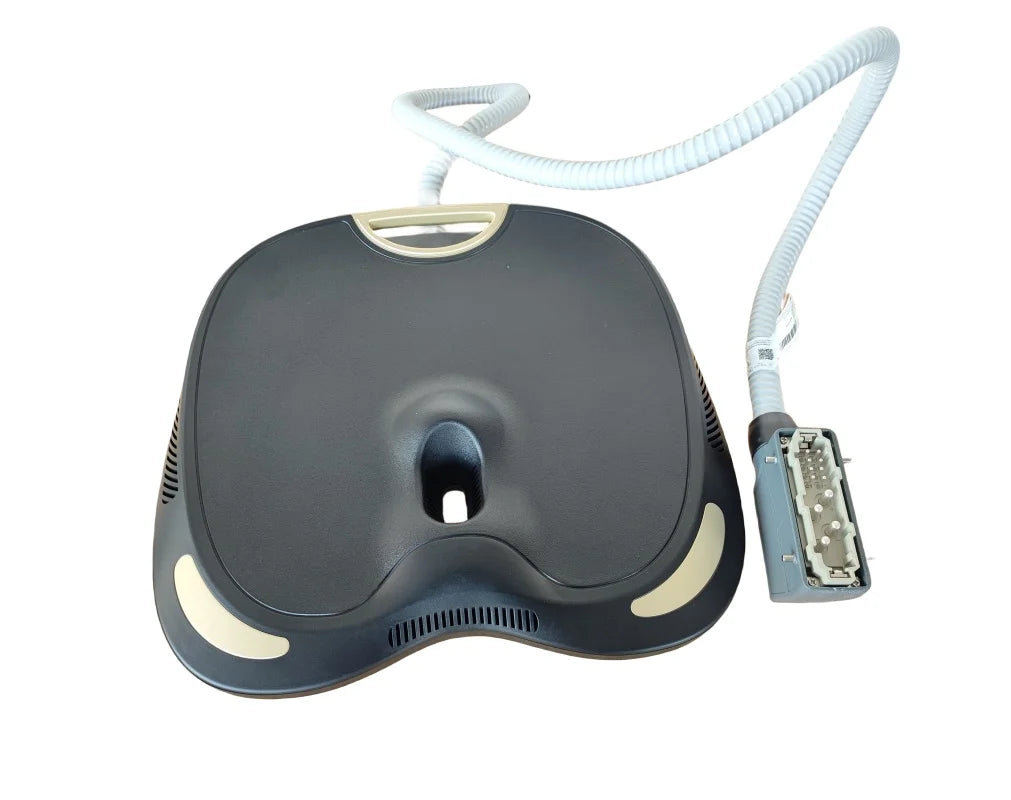
How EMS Produces Muscle Contractions
EMS systems typically use an energy source, control interface, and electrodes or stimulation applicators. When stimulation reaches the motor nerves, it can trigger controlled muscle contractions. Pulse frequency influences how frequently stimulation is delivered, while intensity determines the strength of the applied stimulation. Electrode or applicator placement also affects which muscles are targeted.
For buyers, the important point is that a higher advertised power number or a larger number of preset programs does not automatically make one device better. The useful specifications are those that match the intended muscle groups, treatment protocol, operating environment, and required level of control.
EMS vs NMES: What Is the Difference?
EMS is a broad term for electrical muscle stimulation. Neuromuscular electrical stimulation (NMES) is a related term commonly used when electrical stimulation is specifically intended to activate nerves supplying muscles. In product research, the terms can overlap, so buyers should examine the actual device specifications, intended use, labeling, and instructions rather than relying on terminology alone.
How to Choose the Right Electric Muscle Stimulation Machine
The best electric muscle stimulation machine is the one whose technology and specifications match your treatment goal. Start with the application, then compare channels, stimulation parameters, controls, treatment areas, accessories, safety documentation, and after-sales support.
1. Match the Machine to Your Treatment Goal
First determine whether your primary objective is muscle activation, training support, recovery-oriented stimulation, rehabilitation-related use under appropriate guidance, or professional body contouring. Different applications can require different device configurations.
For body-sculpting applications, look for a system designed to address the muscle groups you actually want to target. For example, a machine intended for abdominal, glute, arm, and leg stimulation should provide an applicator configuration that makes those areas practical to treat.
2. Check Channels and Electrode Configuration
Channel count describes how many stimulation outputs can be controlled. More channels can make simultaneous or multi-area treatment more practical, but channel count should be considered alongside independent controls and applicator design.
If you plan to work with several muscle groups during one session, examine whether each channel can be configured independently and whether the supplied applicators are appropriate for the intended treatment areas.
3. Compare Waveform, Pulse Frequency, and Intensity Range
Do not compare EMS machines solely by marketing claims such as “high power” or “professional strength.” Review the actual electrical specifications. Frequency, waveform, intensity adjustment, pulse characteristics, and available operating modes provide more useful information about how the machine can be configured.
For example, the EMS Body Slimming Machine for Muscle Toning & Body Sculpting lists a frequency range of 5–100 Hz and uses electromagnetic muscle stimulation technology. Its specifications should be considered together with its applicator design and intended body-sculpting applications rather than evaluated in isolation.
4. Review Modes and Preset Programs
Preset programs can simplify operation, but program count is not necessarily a quality indicator. Buyers should prioritize whether the machine provides useful adjustable parameters, practical intensity control, clear treatment settings, and an interface that makes repeat sessions easy to configure.
Adjustable operating modes can be particularly useful when a system is intended for different muscle groups or multiple users, provided the device instructions specify appropriate settings.
5. Consider Treatment Areas and Muscle Groups
Confirm that the applicators or electrodes correspond to your intended treatment areas. Common areas evaluated for muscle stimulation include the abdomen, glutes, arms, and legs, but the appropriate placement depends on the device design and manufacturer instructions.
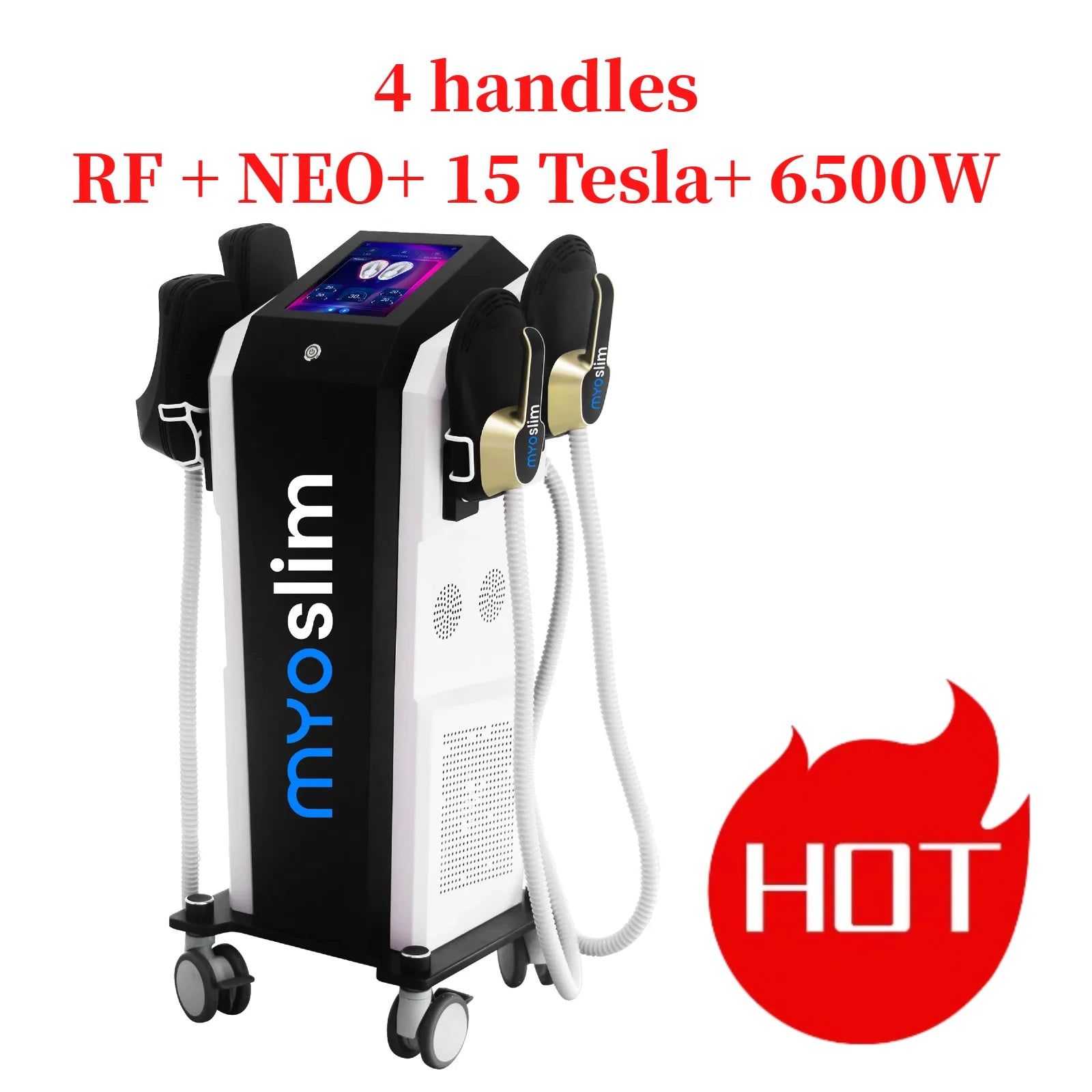
A multi-area system can provide greater flexibility than a device designed around one fixed treatment area. The four-handle configuration of the EMS Body Slimming Machine for body sculpting is designed to support flexible positioning across multiple areas.
6. Check Session Duration and Controls
A practical machine should make setup, parameter selection, treatment timing, and monitoring straightforward. Look at the display size, timer functions, control interface, portability, cooling system, and overall workflow.
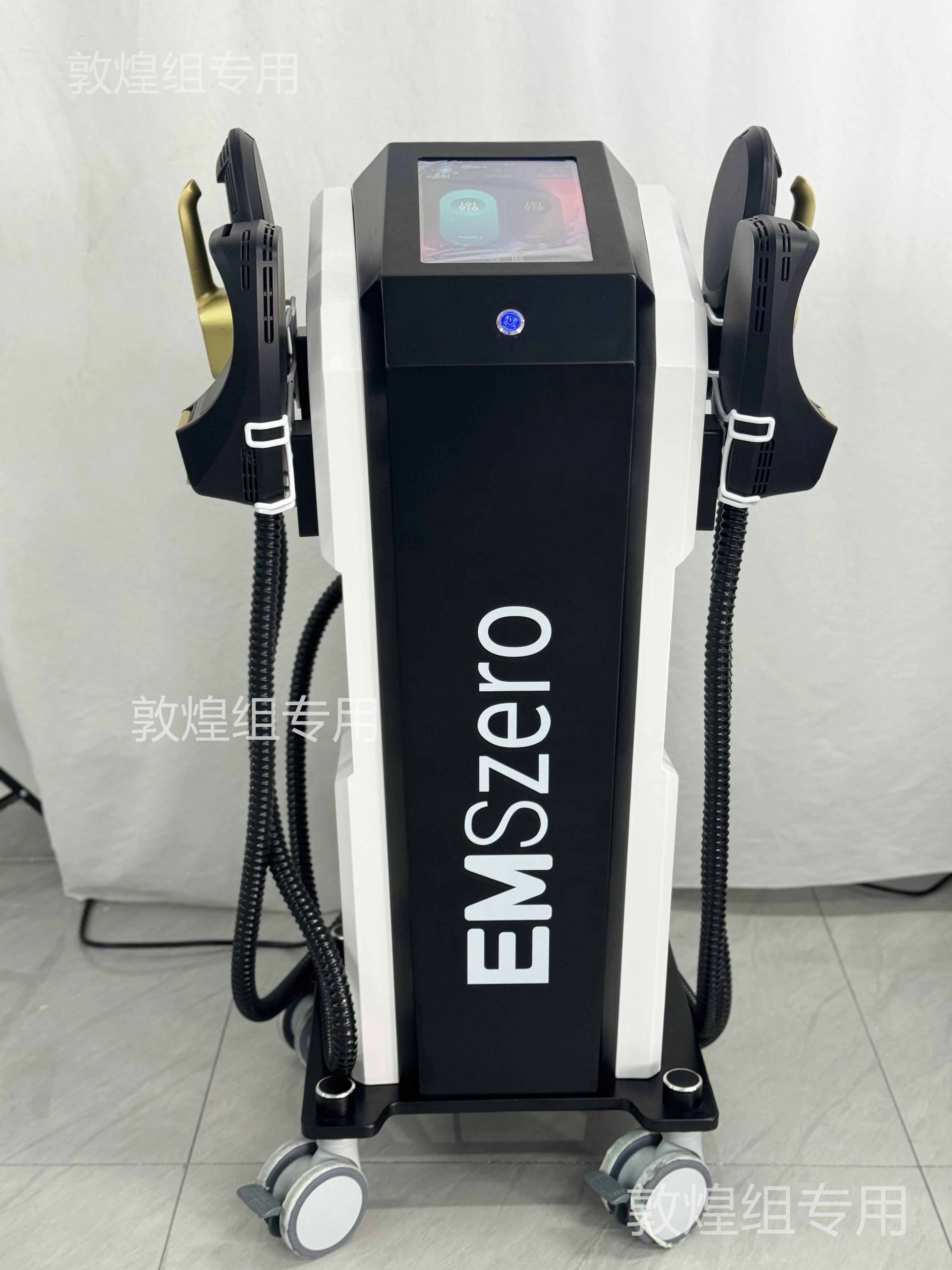
For professional environments, also consider whether the system can support repeated sessions efficiently. A 15.6-inch display and intelligent air-cooling system are documented specifications of the KentDo EMS system, which may be relevant when comparing usability and operating comfort.
For buyers exploring other body-focused technology, the Body Care and Health Devices collection provides a broader category of related equipment.
Electric Muscle Stimulation Machine Specifications: What to Compare
At-a-Glance EMS Machine Comparison
| Specification | What to Compare | Why It Matters |
| Device type | Electrical or electromagnetic stimulation | Determines the underlying stimulation approach |
| Channels | Number and independence of outputs | Affects multi-area treatment flexibility |
| Frequency | Available frequency range | Helps define available stimulation parameters |
| Intensity | Adjustment range and controls | Supports individualized operation within device guidance |
| Programs | Preset and manual modes | Affects ease of use and configuration flexibility |
| Treatment areas | Abdomen, arms, legs, glutes, etc. | Confirms whether the machine matches your goals |
| Controls | Screen, interface, timers, controls | Influences treatment workflow |
| Accessories | Handles, electrodes, applicators, cables | Determines practical treatment configuration |
| Safety documentation | Instructions, contraindications, labeling | Helps support responsible use |
| Warranty | Coverage period and service terms | Impacts long-term ownership value |
Which Specifications Matter Most?
Prioritize specifications that directly affect your intended use. Treatment area compatibility, stimulation parameters, intensity control, channel configuration, safety documentation, and support are generally more useful decision factors than a long list of preset programs.
For example, the KentDo system specifies ABS + TPR construction, a 15.6-inch display, 5–100 Hz frequency, maximum output of 6500W, AC 110–220V 50/60Hz power compatibility, electromagnetic muscle stimulation technology, and a one-year warranty. These documented specifications provide a concrete basis for comparison.
Its four handles and air-cooling design may also be relevant for buyers prioritizing multi-area body-sculpting workflows.
Review the EMS Body Slimming Machine specifications if its documented configuration matches your intended application.
Pros and Cons of an Electric Muscle Stimulation Machine
Pros
- Can provide controlled stimulation to selected muscle groups.
- Adjustable settings can support different treatment configurations.
- Multi-area systems can offer greater positioning flexibility.
- Professional systems may provide larger displays and broader operating controls.
- Electromagnetic systems can provide a different stimulation approach from electrode-based EMS devices.
Cons
- Specifications and capabilities vary substantially between machines.
- More powerful or feature-rich equipment can require greater investment and training.
- Marketing claims may exceed what the documented specifications actually establish.
- Correct placement, settings, and safety precautions remain important.
- EMS should not be treated as a guaranteed replacement for conventional exercise, nutrition, or medically indicated care.
Home EMS Machines vs Professional EMS Machines
Choosing between a home EMS machine and professional equipment depends on the intended workflow, treatment frequency, complexity, portability, and level of parameter control required.
When a Home EMS Machine Makes Sense
Home equipment can make sense when portability, straightforward controls, self-use, and a simpler treatment workflow are priorities. Buyers should select a device specifically labeled and designed for the intended home-use application and follow its operating instructions.
When Professional Equipment Is the Better Choice
Professional equipment may be preferable when a business needs broader treatment-area flexibility, multiple applicators, more extensive parameter controls, repeated-session workflows, or practitioner operation. Training, maintenance, service availability, and replacement parts become increasingly important as equipment complexity increases.
The KentDo EMS system is described as suitable for both commercial and home-use environments, with four handles, adjustable operating modes, and air cooling. Buyers should still verify the manufacturer's instructions and intended-use documentation before selecting it for a particular professional workflow.
EMS vs TENS vs EMT: Which Technology Is Right for You?
EMS vs TENS
EMS and TENS are not interchangeable technologies. EMS is designed to stimulate motor nerves and produce muscle contractions. Transcutaneous electrical nerve stimulation (TENS) is primarily associated with sensory nerve stimulation and pain-management applications.
If your purchase goal is muscle activation or body-sculpting-related muscle stimulation, investigate EMS specifications rather than assuming a TENS device provides equivalent functionality.
EMS vs EMT
Electrical muscle stimulation and electromagnetic muscle stimulation use different energy-delivery approaches. Electrode-based EMS delivers electrical stimulation through contact electrodes, while electromagnetic muscle stimulation uses electromagnetic energy to influence muscle activity without the same electrode-based delivery method.
EMS vs HIFEM
High-intensity focused electromagnetic (HIFEM) approaches represent a more specific form of electromagnetic stimulation. Because manufacturers can use different terminology for related technologies, buyers should examine the actual technical description, output specifications, applicator design, intended use, and documentation instead of comparing labels alone.
Safety, Contraindications, and Responsible EMS Use
Safety should be part of the buying decision, not an afterthought. Before using an EMS or electromagnetic stimulation machine, read the manufacturer's instructions, contraindications, warnings, and intended-use information.
Who Should Avoid or Seek Professional Guidance Before Using EMS?
People with medical conditions, implanted electronic devices, unexplained pain, damaged skin, or other circumstances identified in the manufacturer's contraindications should not assume that an EMS device is appropriate. When the instructions recommend professional guidance, follow that recommendation and consult an appropriately qualified healthcare professional.
Never infer safety from a generic certification badge or from the fact that a device is marketed online. The exact device, intended use, labeling, and applicable regulatory requirements matter.
How to Start at a Safe Intensity
Begin according to the manufacturer's recommended settings and increase intensity gradually rather than immediately selecting the strongest available output. Stimulation should remain within the device's intended operating parameters. Stop if unexpected pain, significant discomfort, skin irritation, or other concerning symptoms occur.
Electrode Placement and Skin Care
Use clean, intact skin and follow the supplied placement instructions. Avoid placing electrodes or applicators over damaged or irritated skin unless the manufacturer specifically indicates otherwise. Maintain electrodes, applicators, cables, and other accessories according to the device's maintenance instructions.
Certifications, Compliance, Warranty, and Manufacturer Support
What to Look for in FDA and CE Claims
FDA-related claims, CE marking, and other compliance statements should be evaluated carefully. A generic logo or statement is not enough to establish that a specific device is authorized, cleared, certified, or suitable for a particular medical or aesthetic purpose.
Ask the supplier for device-specific documentation and confirm that any regulatory or conformity claim corresponds to the exact model and intended use you are evaluating.
Understanding IEC 60601
IEC 60601 is a family of standards concerning the safety and essential performance of medical electrical equipment and related systems. Its relevance depends on the equipment classification, intended use, and applicable requirements. Buyers should not assume that every EMS or body-sculpting product must meet the same standard.
Warranty, Service, Training, and Replacement Parts
A good purchase decision considers the full ownership period. Review warranty duration, technical support, replacement applicators or electrodes, consumables, training requirements, maintenance procedures, and service availability.
The documented KentDo system includes a one-year warranty. Buyers purchasing equipment for repeated professional use should also confirm what the warranty covers and how replacement or technical-support requests are handled before purchasing.
What Results Can You Realistically Expect From an EMS Machine?
What EMS Can and Cannot Do
EMS can produce controlled muscle contractions, but stimulation should not automatically be equated with guaranteed muscle growth, fat loss, or dramatic body transformation. Results depend on the device technology, treatment parameters, consistency, baseline condition, and overall lifestyle.
For body-contouring applications, it is especially important to distinguish between supporting muscle definition and making claims about removing body fat or loose skin. A responsible product evaluation should stay within the outcomes supported by the device's documented technology and intended use.
How Long Does It Take to Notice Results?
There is no single reliable timeline that applies to every EMS user or machine. The frequency and intensity of use, treatment protocol, target muscle, starting condition, and combination with conventional exercise can all influence perceived results.
Be cautious of products promising a fixed transformation after a specific number of sessions. A more useful buying question is whether the device provides the controls, treatment configuration, and documentation needed for consistent use.
How to Compare EMS Machines Before You Buy
EMS Machine Buying Checklist
- Define the primary treatment goal.
- Identify the muscle groups and body areas you need to target.
- Compare electrical or electromagnetic stimulation technology.
- Check channels and whether outputs can be controlled independently.
- Review waveform and pulse-frequency specifications.
- Compare intensity controls and available operating modes.
- Review applicator or electrode configuration.
- Check display, timers, controls, and treatment workflow.
- Verify safety instructions and contraindications.
- Request device-specific certification or compliance documentation where relevant.
- Compare warranty coverage and technical support.
- Check replacement-part and accessory availability.
- Evaluate total ownership cost rather than purchase price alone.
Red Flags to Watch For
- Vague or missing technical specifications.
- Unsupported claims about guaranteed fat loss or muscle growth.
- Unclear FDA, CE, or certification language.
- No accessible contraindications or safety instructions.
- Unclear warranty terms.
- No information about replacement parts or technical support.
- Marketing focused entirely on power or program count without explaining treatment parameters.
For readers comparing body-focused equipment beyond EMS, the Body & Face Blog offers additional educational content around body and beauty devices.
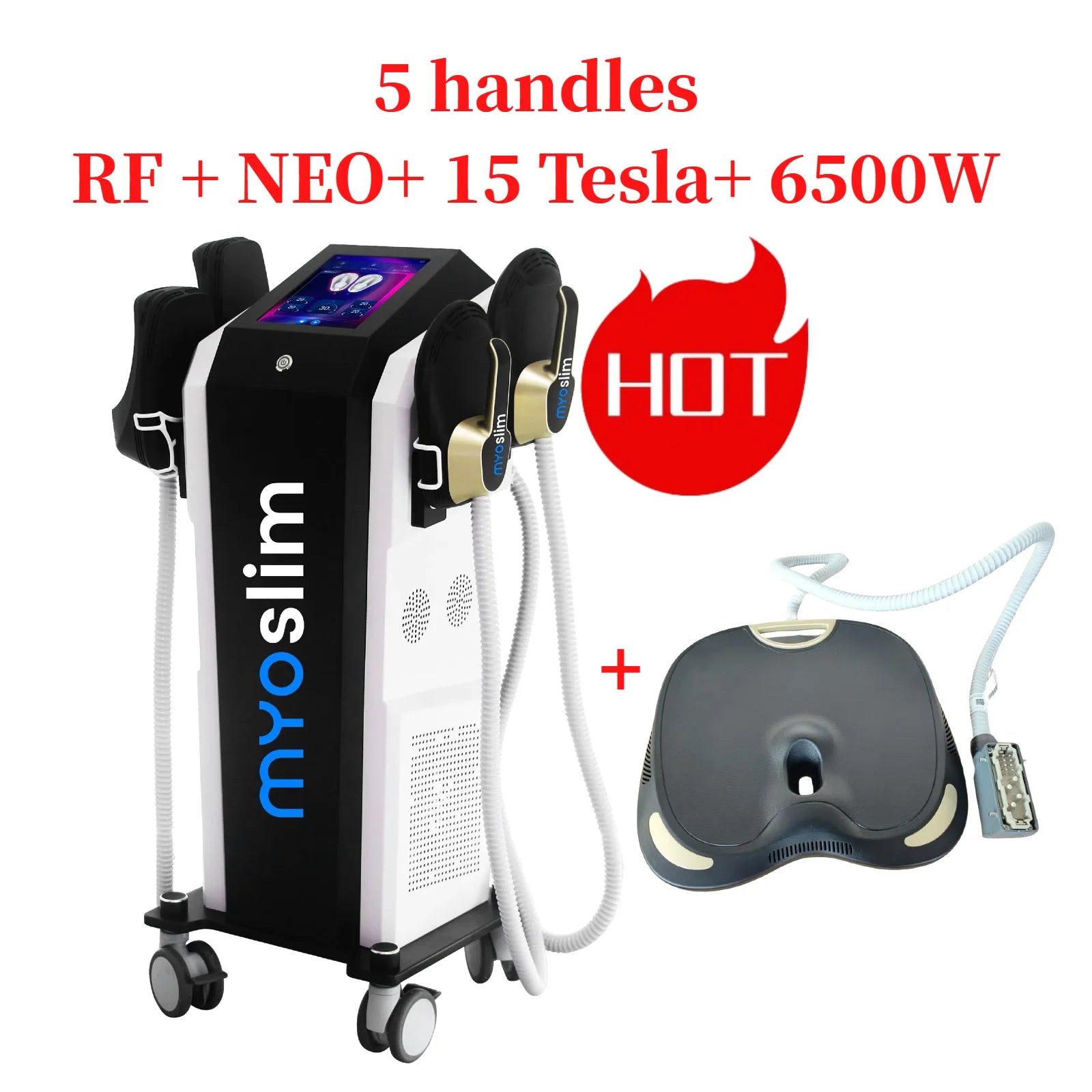
If your selection criteria point toward an electromagnetic body-sculpting system with a 15.6-inch display, 5–100 Hz frequency range, four handles, and one-year warranty, you can review the EMS Body Slimming Machine for Muscle Toning & Body Sculpting and compare its documented specifications with your requirements.
Conclusion: Choose the Machine by Specifications, Not Marketing Claims
The right electric muscle stimulation machine depends on your intended use, target muscle groups, stimulation technology, channels, frequency and intensity controls, applicator configuration, safety documentation, warranty, and support. Program count and headline power figures can be useful, but they should not replace a complete technical comparison.
For body-sculpting buyers, a system designed for multiple treatment areas and flexible positioning can be especially useful when its specifications match the intended workflow. Review the documentation carefully, set realistic expectations, and choose equipment whose technology and controls align with the results you are actually trying to achieve.
Ready to compare a documented electromagnetic muscle-stimulation system? Explore the EMS Body Slimming Machine and review its specifications before deciding whether it fits your body-sculpting setup.
Pillar Article: Abdominal Muscle Stimulation: How Devices Work and What to Know













