

What is the best eyeshadow blending brush for hooded eyes?
The best eyeshadow blending brush for hooded eyes is a small, fluffy, tapered brush that offers precision and control. It helps blend dark eyeshadow without creating a muddy finish, allowing smooth transitions even with limited lid space. A smaller brush head lets you place color exactly where you want it, making it easier to create depth while keeping your eye makeup lifted and defined.
Best Eyeshadow Blending Brush for Hooded Eyes
Finding the best eyeshadow blending brush can completely transform your routine, especially if you struggle with blending on hooded eyes. The right brush improves precision, prevents muddy transitions, and helps create dimension even when your crease disappears with your eyes open. In this guide, you'll learn which brush shapes work best, how to choose the right size, and how to blend eyeshadow for a smooth, professional-looking finish.
⏱ 5 min read
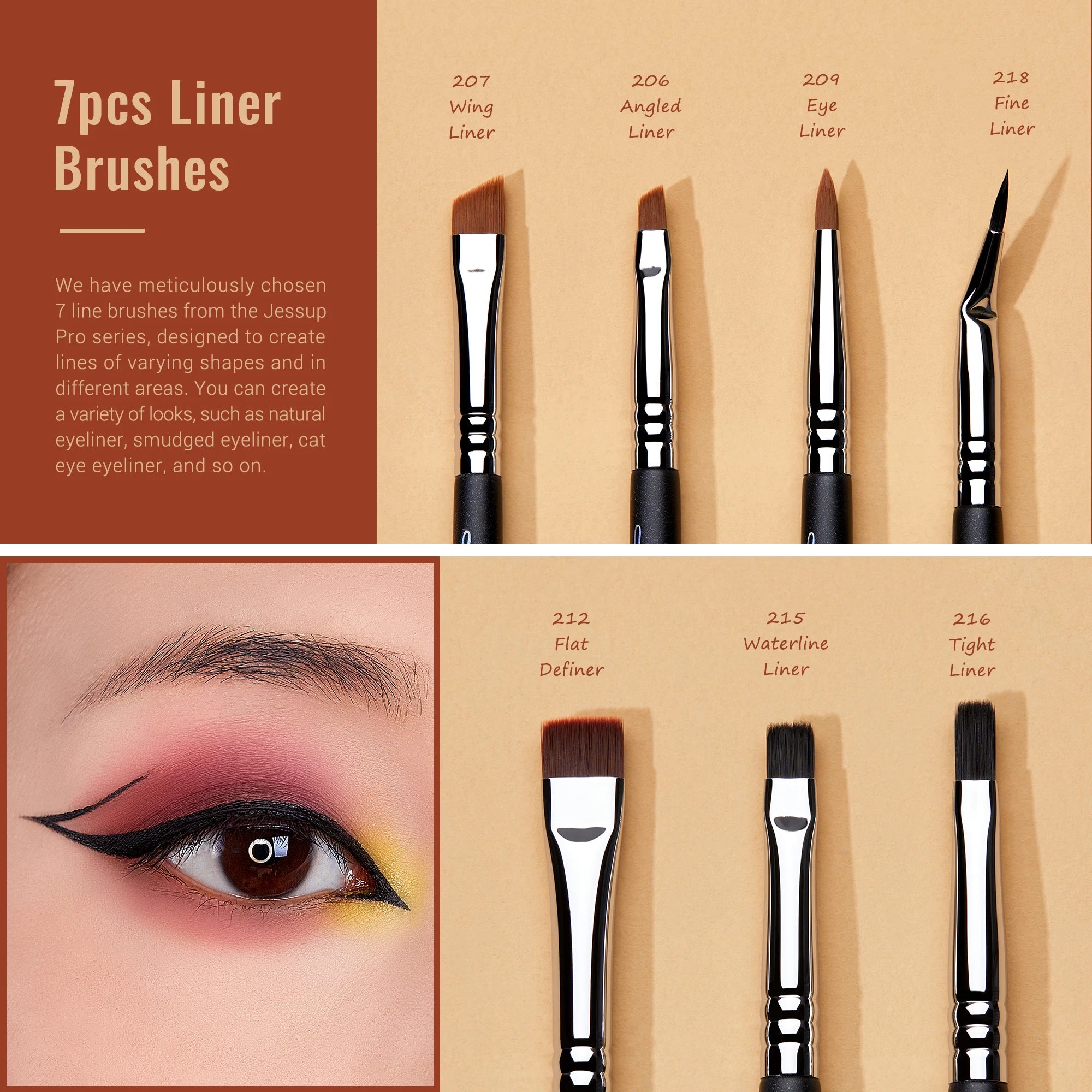
The best eyeshadow blending brush helps blend eyeshadow smoothly without harsh lines. See it in action.
Best crease brush for hooded eyes: quick recommendations
If you're shopping specifically for hooded eyes, prioritize a brush with a small head, tapered shape, and soft bristles. These features provide better control than oversized blending brushes.
Best overall
A small tapered blending brush offers the best balance of precision and diffusion, making it ideal for creating soft transitions above the natural crease.
Best budget
A complete brush kit, such as the 28pcs eye makeup brushes set , provides multiple crease and blending brushes for less than buying individual premium brushes.
Best for beginners
Choose a fluffy synthetic blending brush with a rounded tip. Soft fibers make it easier to blend without leaving harsh lines.
Best for precise crease work
A pencil-style crease brush or compact tapered brush gives excellent control for defining the crease on small or heavily hooded eyes while minimizing over-blending.
Why hooded eyes need a different crease brush
Hooded eyes have less visible lid space because part of the upper lid folds over the mobile lid. This changes where eyeshadow should be placed and how it should be blended.
Large crease brushes that work well on deep-set or prominent lids often apply too much color at once, making gradients look muddy. Smaller brushes allow you to:
- Place transition shades with greater precision.
- Create the illusion of a higher crease.
- Prevent colors from transferring into the hood.
- Maintain definition without sacrificing softness.
The goal isn't simply blending more—it is blending only where needed to create lift and dimension.
How to choose the right crease brush for hooded eyes
Brush size
Smaller brush heads work best because they fit inside the limited crease area without spreading pigment too widely.
Brush shape
- Tapered brushes: Excellent for controlled blending.
- Small fluffy brushes: Best for seamless transition shades.
- Pencil brushes: Perfect for detailed crease work and lower lash lines.
Bristle density and softness
Medium-density bristles provide enough control to place pigment while remaining soft enough to blend edges naturally.
Natural vs synthetic bristles
Synthetic brushes work well with both powder and cream eyeshadows, are easier to clean, and are often the best choice for everyday makeup users. Natural bristles can diffuse powder beautifully but generally require more maintenance.
How to use a crease brush on hooded eyes
Finding your natural crease
Keep your eyes open while looking straight into a mirror. Instead of following the hidden crease, place your transition shade slightly above it so the color remains visible.
Placement with eyes open
Use the tip of a small tapered brush to sketch the shape first before blending. This helps create a lifted appearance.
Blending technique
- Prime the eyelids to create a smooth base.
- Apply a transition shade above the crease.
- Build darker shades gradually using light pressure.
- Blend using small circular and windshield-wiper motions.
- Finish with a clean blending brush to soften the edges.
Building depth without over-blending
Apply small amounts of product and build slowly. Adding color gradually gives more control and preserves contrast between shades.
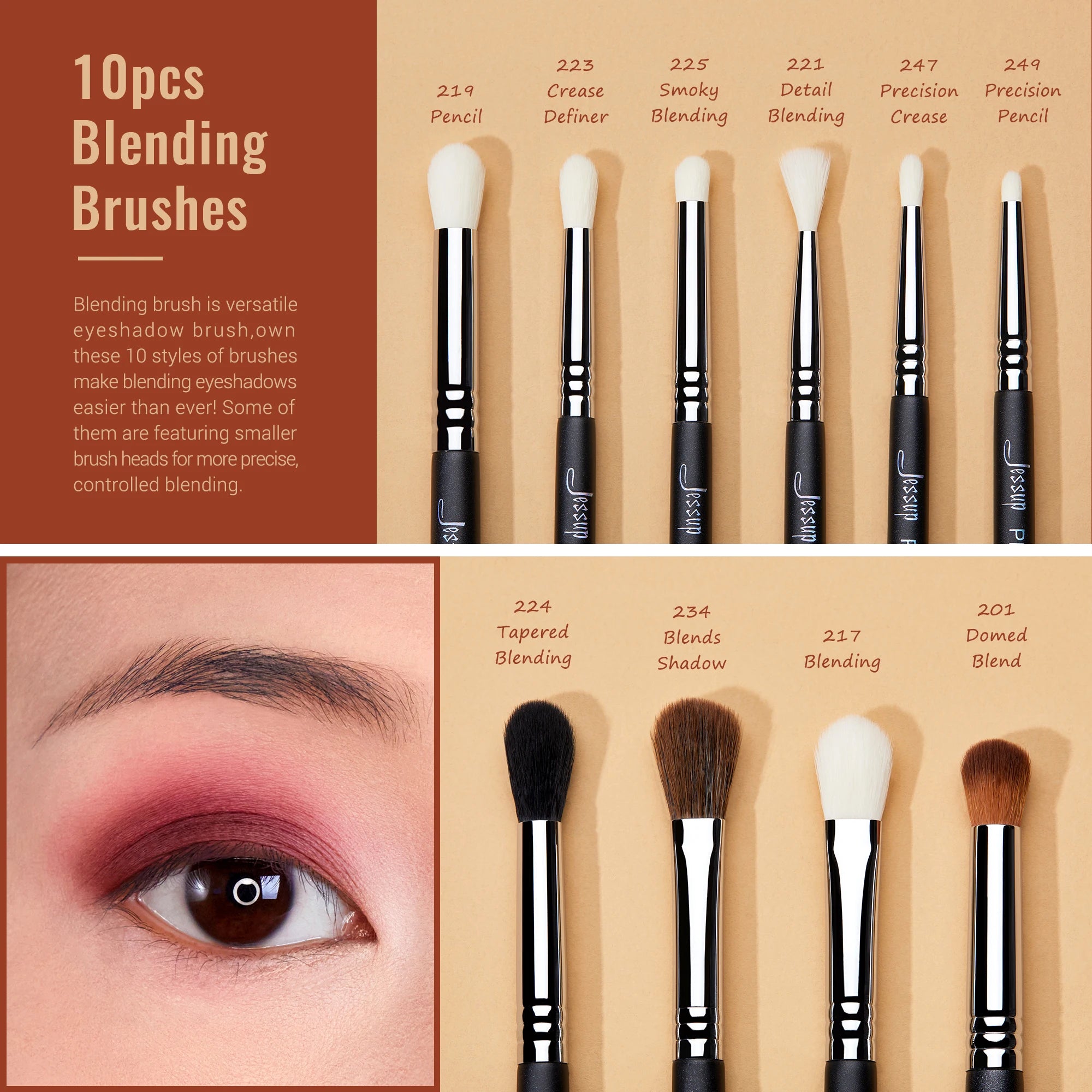
Techniques for flawless eye makeup blending start with the right tools. See it in action.
Common mistakes when using crease brushes on hooded eyes
| Mistake | Result | Solution |
|---|---|---|
| Using oversized brushes | Loss of precision | Choose smaller tapered blending brushes. |
| Applying color too low | Crease disappears when eyes are open | Blend slightly above the natural crease. |
| Over-blending | Muddy eyeshadow | Blend only until transitions are soft. |
| Ignoring eye shape | Flat-looking eye makeup | Adjust placement to suit your hood depth. |
| Using one brush for every step | Colors become muddy | Use multiple brushes from this set . |
Brush comparison for hooded eyes
| Brush Type | Best Use | Pros | Cons | Best For |
|---|---|---|---|---|
| Tapered crease brush | Creating crease definition | Excellent precision and smooth blending | Slight learning curve | Most hooded eyes |
| Small fluffy blending brush | Soft transition shades | Natural gradients | Less precise than tapered brushes | Beginners |
| Pencil brush | Detailed placement | High accuracy | Slower blending | Small hooded eyes |
| Detail blender | Outer corner blending | Excellent control | Not ideal for large areas | Experienced users |
For maximum versatility, a complete kit like this brush collection includes every brush needed for transition shades, crease work, detailed placement, and final blending.
Real results and who each brush is best for
Beginners
- Soft synthetic brushes make blending easier.
- Less risk of harsh lines.
- More forgiving during practice.
Experienced makeup users
- Smaller crease brushes provide greater control.
- Easy to build layered eye looks.
- More precise placement for smoky eyes.
Small hooded eyes
- Compact tapered brushes fit narrow crease areas.
- Pencil brushes improve definition without overcrowding the lid.
- Multiple brush sizes allow greater flexibility.
Many users also pair their routine with tools from Eye Care Devices to reduce puffiness and create a smoother canvas for makeup.
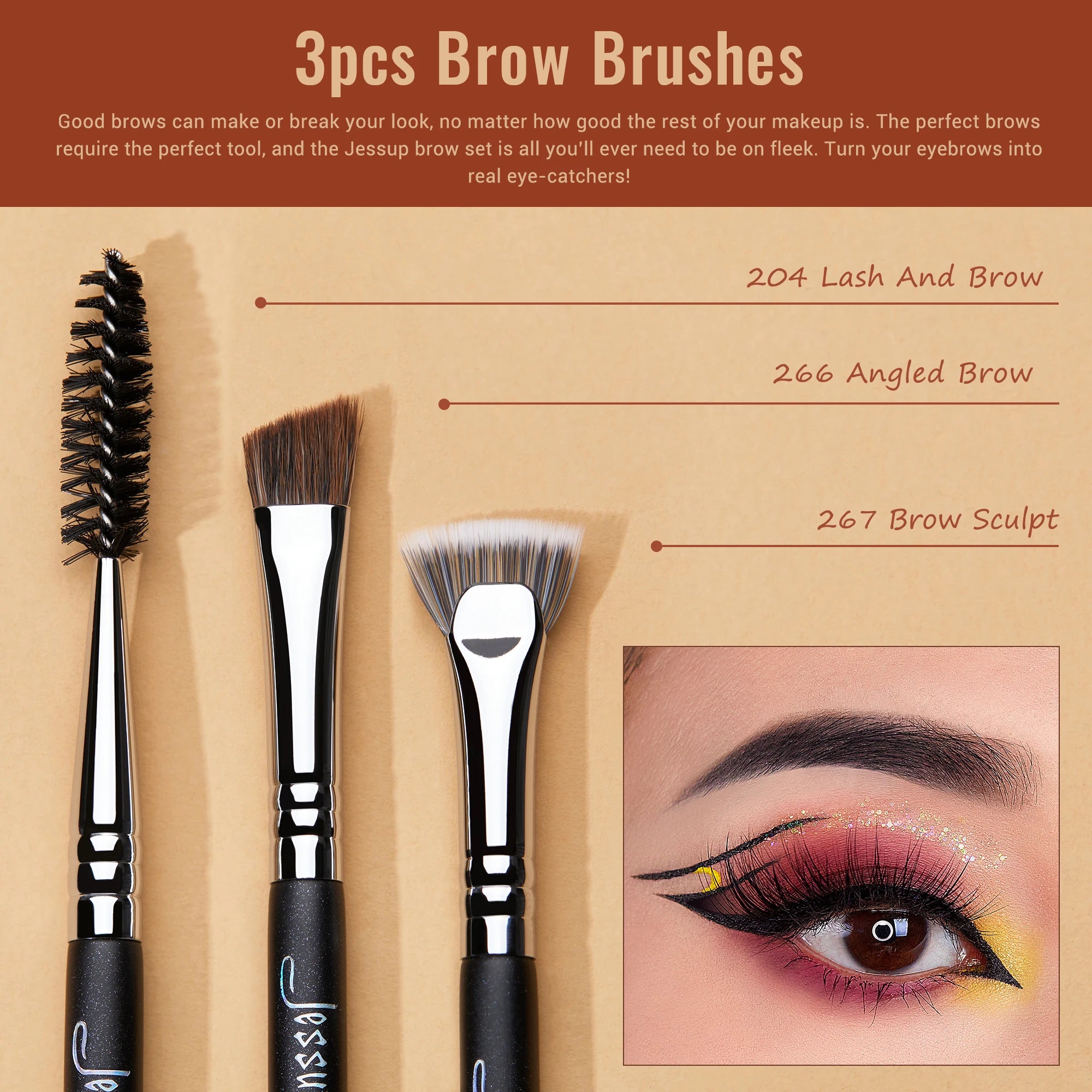
Blending dark eyeshadow without a muddy finish becomes much easier with the right brush. See it in action.
Frequently asked questions
What size crease brush is best for hooded eyes?
A small brush head provides the most control because it fits comfortably within limited crease space and allows precise placement.
Is a tapered or fluffy crease brush better for hooded eyes?
Tapered brushes generally offer better precision, while small fluffy brushes excel at softening transitions. Many makeup users benefit from owning both.
Can beginners use the same crease brush as professionals?
Yes. Beginners often find small fluffy synthetic brushes easier to control, while professionals may prefer more specialized tapered or detail brushes for advanced techniques.
Do synthetic or natural bristles blend eyeshadow better?
Both perform well. Synthetic brushes are more versatile for modern powder and cream formulas, while natural bristles are traditionally favored for diffusing powder shadows.
How many eye brushes do you need for hooded eyes?
Most people achieve excellent results with four or five brushes: a shader brush, transition brush, crease brush, pencil brush, and a clean blending brush.
What is the difference between a crease brush and a blending brush?
A crease brush is designed for placing and defining color in the crease, while a blending brush is intended to soften edges and create seamless transitions between shades.
Pillar Article: Eye Makeup Brush Sets: Which One Fits Your Skill Level
Other Related Articles:
Explore More:













