Does a therapy glove for stroke patients really work?
A therapy glove for stroke rehabilitation can be an effective addition to a comprehensive recovery program when used consistently alongside occupational or physical therapy. Rather than restoring movement instantly, these devices provide repetitive, guided hand exercises that encourage the brain to rebuild communication with weakened muscles through neuroplasticity.
It's important to set realistic expectations. A therapy glove for stroke patients is designed to assist rehabilitation—not cure paralysis. Progress depends on factors such as stroke severity, time since injury, therapy frequency, and overall health. Many users notice gradual improvements in finger mobility, grip control, coordination, and confidence with everyday activities after weeks or months of regular practice.
Best Therapy Glove for Stroke Patient Recovery (2026 Buyer’s Guide)
Recovering hand movement after a stroke or neurological injury can feel slow and frustrating, but the right rehabilitation tools can support meaningful progress. A therapy glove for stroke patients provides assisted hand movement that encourages repetitive practice, helping rebuild strength, coordination, flexibility, and functional independence through structured home rehabilitation.
⏱ 6 min read
How Stroke Affects Hand Movement (and Why Therapy Gloves Help)
After a stroke, the signals traveling between the brain and the muscles may be disrupted, making it difficult to perform precise hand and finger movements. This often results in hemiplegia or hemiparesis, affecting everyday activities such as gripping utensils, buttoning clothing, writing, or opening containers.
Common hand-related symptoms include:
- Reduced grip strength
- Difficulty opening or closing the fingers
- Muscle stiffness and spasticity
- Poor coordination and slower movement
- Limited range of motion during daily tasks
A stroke rehabilitation glove helps guide the hand through repetitive movement patterns that reinforce motor learning. Repeating these movements encourages neuroplasticity—the brain's ability to form new neural connections—which is a key principle behind modern stroke rehabilitation.
Although improvement varies from person to person, combining a therapy glove with prescribed rehabilitation exercises can help maintain joint mobility, reduce stiffness, and support long-term recovery. Learn more in our stroke recovery and rehabilitation guide.
Discover advanced recovery tools designed to support hand rehabilitation and daily independence.
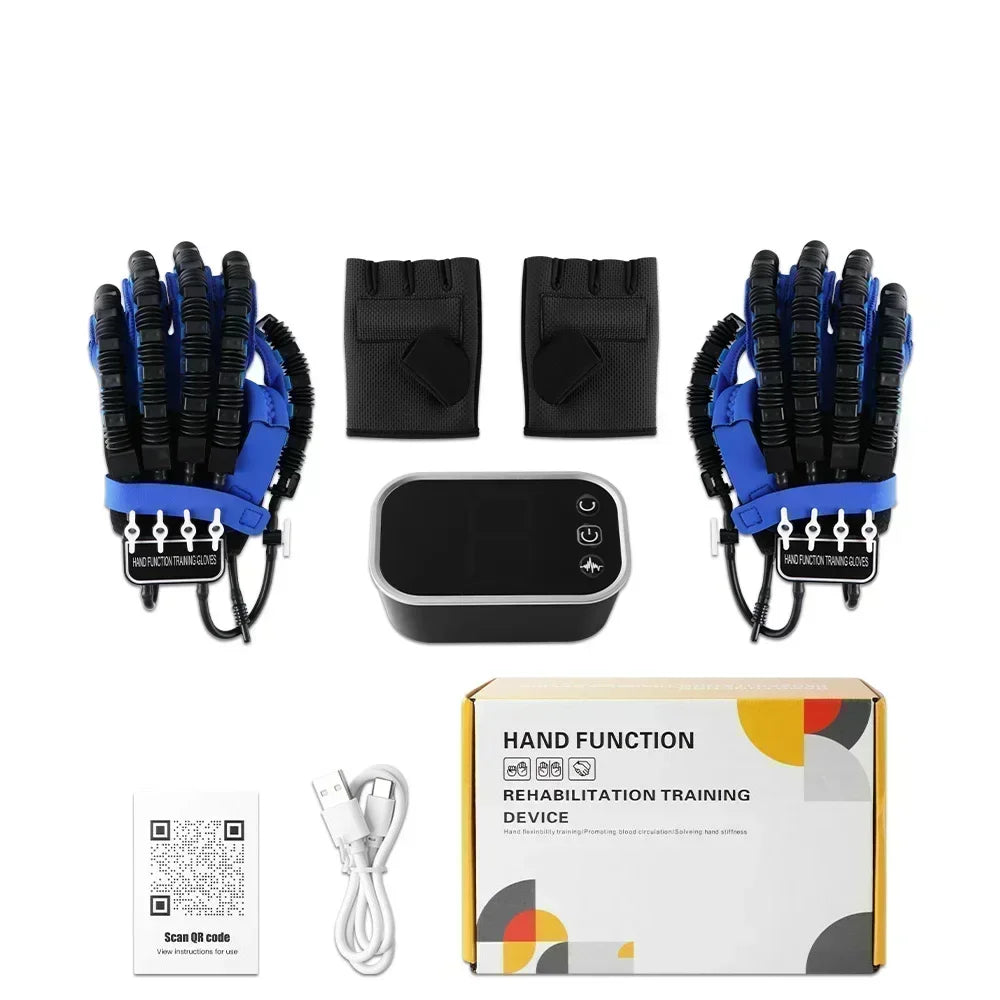
Robotic glove stroke therapy device supporting daily hand rehabilitation See it in action
How Therapy Gloves Work for Stroke Recovery
If you're wondering how does a therapy glove work for stroke recovery, the answer lies in repetitive, assisted movement. A hand therapy glove for stroke recovery gently guides the fingers and hand through controlled opening and closing motions, helping retrain movement patterns that may have been lost after neurological injury.
Regular practice helps increase movement repetitions that are often difficult to achieve with manual exercises alone. Depending on the device, therapy may focus on improving joint flexibility, reducing muscle tightness, supporting circulation, and encouraging more natural hand function over time.
Key Rehabilitation Mechanisms (Air Compression, Robotics, EMS)
- Air Compression (Pneumatic Therapy): Inflatable chambers apply controlled pressure to assist finger extension and flexion. This gentle movement can improve joint mobility and is especially helpful for patients with significant stiffness or spasticity.
- Robotic Assistance: A robotic glove stroke device uses motors or mechanical assistance to guide accurate, repeatable finger movements. High-repetition training supports motor relearning while reducing physical strain during therapy sessions.
- Electrical Muscle Stimulation (EMS): Some rehabilitation gloves integrate mild electrical stimulation to activate weakened muscles alongside voluntary movement, promoting muscle engagement during rehabilitation.
Passive vs Active Hand Assistance
Not every therapy glove functions in the same way. Understanding the difference between passive and active assistance helps patients choose the most appropriate rehabilitation approach.
- Passive assistance: The glove moves the fingers even when the user has little or no voluntary movement. This is commonly recommended during earlier recovery stages or for severe hand weakness.
- Active assistance: The device responds to the user's own movement attempts, providing only the amount of support needed to complete each motion. This approach encourages greater muscle participation as recovery progresses.
Many advanced rehabilitation gloves combine passive and active training modes, allowing therapy intensity to be adjusted as hand strength and coordination improve. You can explore more about recovery techniques in our neuroplasticity and rehab insights.
Best Therapy Gloves for Stroke Patients (Top Picks 2026)
The best therapy glove for stroke patients depends on hand function, recovery stage, rehabilitation goals, and budget. Some devices prioritize passive movement for severe paralysis, while others focus on active exercise for rebuilding strength and coordination. The following categories can help you identify the most suitable option for home rehabilitation.
Best Overall Robotic Glove
A robotic rehabilitation glove with adjustable assistance offers the most versatile solution for many users. Multiple therapy modes, customizable intensity levels, and guided finger movement make it suitable for long-term home rehabilitation and gradual recovery of daily hand function.
Patients with little or no voluntary hand movement typically benefit from gloves that provide full finger extension assistance and repetitive passive motion. These devices help maintain joint mobility while encouraging consistent rehabilitation during the early stages of recovery.
Best Budget Rehab Glove
Entry-level rehabilitation gloves provide basic assisted exercises at a lower cost. Although they may include fewer advanced features, they can still support daily hand stretching, improve flexibility, and complement therapist-guided rehabilitation programs.
Best for Home Therapy Beginners
Simple controls, lightweight construction, and comfortable materials make beginner-friendly gloves easier to use independently. These models are well suited for individuals who want to establish a consistent home therapy routine without complicated setup.
Best for Daily Hand Exercise
For users who have regained partial movement, gloves designed for repetitive hand exercises help improve endurance, coordination, and fine motor control. Adjustable resistance or assistance allows therapy sessions to progress alongside recovery.
Learn how robotic hand therapy can support your home recovery routine.
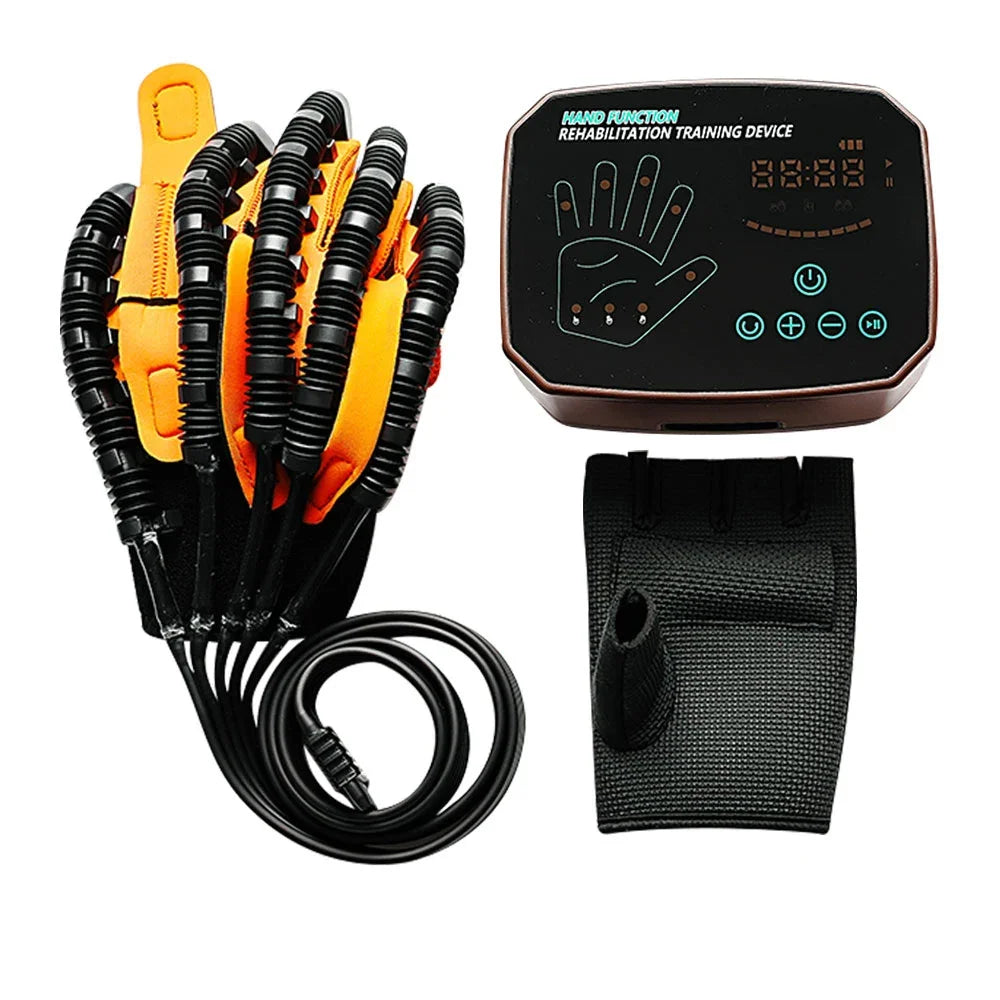
Therapy glove assisting stroke patient recovery and grip improvement See it in action
Side-by-Side Comparison of Stroke Rehabilitation Gloves
Comparing therapy gloves for stroke patients helps match the right technology to individual rehabilitation needs. Consider the following features before choosing a stroke rehabilitation glove for home or clinical use.
| Feature | Passive Therapy Gloves | Robotic Therapy Gloves |
|---|---|---|
| Assistance Level | Guided passive movement | Active and passive assisted movement |
| Best For | Early recovery and severe paralysis | Mild to severe impairment with progressive training |
| Training Options | Basic repetitive exercises | Multiple therapy modes and adjustable assistance |
| Home Use | Easy to operate | Designed for regular home rehabilitation with advanced features |
| Value | Lower initial investment | Higher functionality for long-term rehabilitation |
Patients with severe hand paralysis often require greater movement assistance, while individuals with partial hand control may benefit from devices that encourage active participation and progressive strengthening.
How to Choose the Best Glove for Hemiplegia Therapy
Selecting the best glove for hemiplegia therapy starts with understanding your current level of hand function. The right glove for stroke patient hand recovery should provide enough support to complete exercises comfortably while allowing progression as strength and coordination improve.
Choosing Based on Paralysis Severity
- Severe Paralysis: Choose robotic gloves that provide full finger extension, passive movement, and adjustable assistance for repetitive rehabilitation.
- Moderate Weakness: Look for devices offering multiple therapy modes that combine assisted movement with active participation.
- Mild Impairment: Lightweight rehabilitation gloves that emphasize coordination, grip training, and repetitive exercise are often sufficient.
Key Features to Consider Before Buying
- Proper Fit: A comfortable glove improves compliance during longer therapy sessions and reduces unnecessary pressure on joints.
- Adjustable Assistance: Variable intensity settings allow therapy to adapt as recovery progresses.
- Training Programs: Multiple rehabilitation modes support stretching, grasping, finger extension, and functional exercises.
- Ease of Operation: Simple controls are especially important for independent home use or caregiver-assisted therapy.
- Safety Features: Automatic pressure limits and ergonomic finger support help promote safe daily rehabilitation.
Choosing a device that matches both your rehabilitation stage and long-term goals can improve therapy consistency and overall comfort. You can also explore complementary exercises in our physical therapy resources.
Benefits of Using a Hand Therapy Glove for Stroke Recovery
A hand therapy glove for stroke recovery supports repetitive rehabilitation exercises that are essential for improving hand function over time. While results vary by individual, consistent training can help maintain mobility, encourage motor relearning, and make everyday activities easier to perform.
- Improves finger mobility and flexibility through guided, repetitive range-of-motion exercises.
- Enhances grip strength and coordination by encouraging controlled opening, closing, and grasping movements.
- Reduces muscle stiffness and spasticity with regular assisted stretching that helps maintain joint mobility.
- Supports neural re-education by reinforcing repeated movement patterns that promote neuroplasticity.
- Encourages consistent home rehabilitation between scheduled therapy appointments.
- Promotes therapy adherence by making daily rehabilitation more structured and easier to perform.
When used alongside therapist-recommended exercises, a stroke rehabilitation glove can contribute to gradual improvements in functional hand use, helping patients regain greater independence with activities such as dressing, eating, writing, and handling everyday objects.
How to Use a Therapy Glove for Faster Recovery (Step-by-Step)
Daily Therapy Routine
- Position the therapy glove comfortably, ensuring each finger is properly aligned without excessive pressure.
- Select the recommended assistance or training mode based on your rehabilitation goals and current hand function.
- Begin with 15 to 20 minutes of guided movement exercises, focusing on smooth, controlled repetitions rather than speed.
- Gradually increase session length or training intensity only as recommended by your healthcare professional.
- Practice consistently, ideally every day, and combine glove sessions with prescribed occupational or physical therapy exercises.
Safety Tips and Common Mistakes
- Stop using the device if you experience persistent pain, numbness, or unusual discomfort.
- Avoid setting assistance levels higher than necessary, especially during early recovery.
- Check hand positioning before every session to prevent unnecessary strain.
- Take short breaks if muscle fatigue develops during longer sessions.
- Follow the manufacturer's instructions for cleaning and maintenance to ensure safe long-term use.
Short, consistent therapy sessions are generally more effective than infrequent, lengthy workouts. Building a sustainable daily routine often leads to better long-term rehabilitation outcomes.
What Results Can Stroke Patients Expect?
Recovery after stroke varies widely based on the location and severity of the stroke, the amount of remaining hand function, overall health, and commitment to rehabilitation. A therapy glove supports this process by increasing opportunities for repetitive, structured practice, but it should be viewed as one component of a comprehensive rehabilitation program.
Factors That Influence Recovery
- Weeks 1–2: Some patients notice improved awareness of finger position, reduced stiffness, and smoother assisted movement.
- Weeks 3–6: Continued therapy may improve flexibility, voluntary finger motion, and partial grip control.
- After 2–3 months: Consistent rehabilitation may contribute to better coordination and improved ability to perform everyday tasks, depending on the individual's condition.
Recovery progresses at different rates for every patient. Regular therapy sessions, realistic expectations, and ongoing guidance from a rehabilitation professional provide the best opportunity for meaningful improvements. If progress slows or new symptoms develop, consult your healthcare provider or occupational therapist to review your treatment plan.
Are Robotic Gloves Effective for Stroke Recovery? (Evidence & Insights)
Current rehabilitation research suggests that robotic gloves can be an effective supplement to conventional stroke therapy, particularly for improving hand mobility through high-repetition, task-specific training. These devices are designed to deliver consistent movement patterns that support neuroplasticity, helping the brain strengthen or establish new pathways involved in hand function.
What Current Research Shows
Studies of robotic hand rehabilitation have found that patients who combine robotic-assisted exercises with standard occupational or physical therapy may achieve greater improvements in upper-limb function than rehabilitation alone. Outcomes vary depending on stroke severity, therapy intensity, and patient participation, but repetitive practice remains one of the strongest predictors of progress.
A robotic glove stroke device may provide several practical advantages:
- Delivers hundreds of consistent movement repetitions during a single therapy session.
- Promotes correct finger movement patterns with adjustable assistance.
- Supports home rehabilitation between supervised therapy appointments.
- Reduces caregiver workload for routine hand exercises.
- Allows training intensity to progress alongside recovery.
Despite these benefits, robotic gloves are not a standalone treatment. They are most effective when incorporated into a comprehensive rehabilitation plan developed with a physician, occupational therapist, or physical therapist.
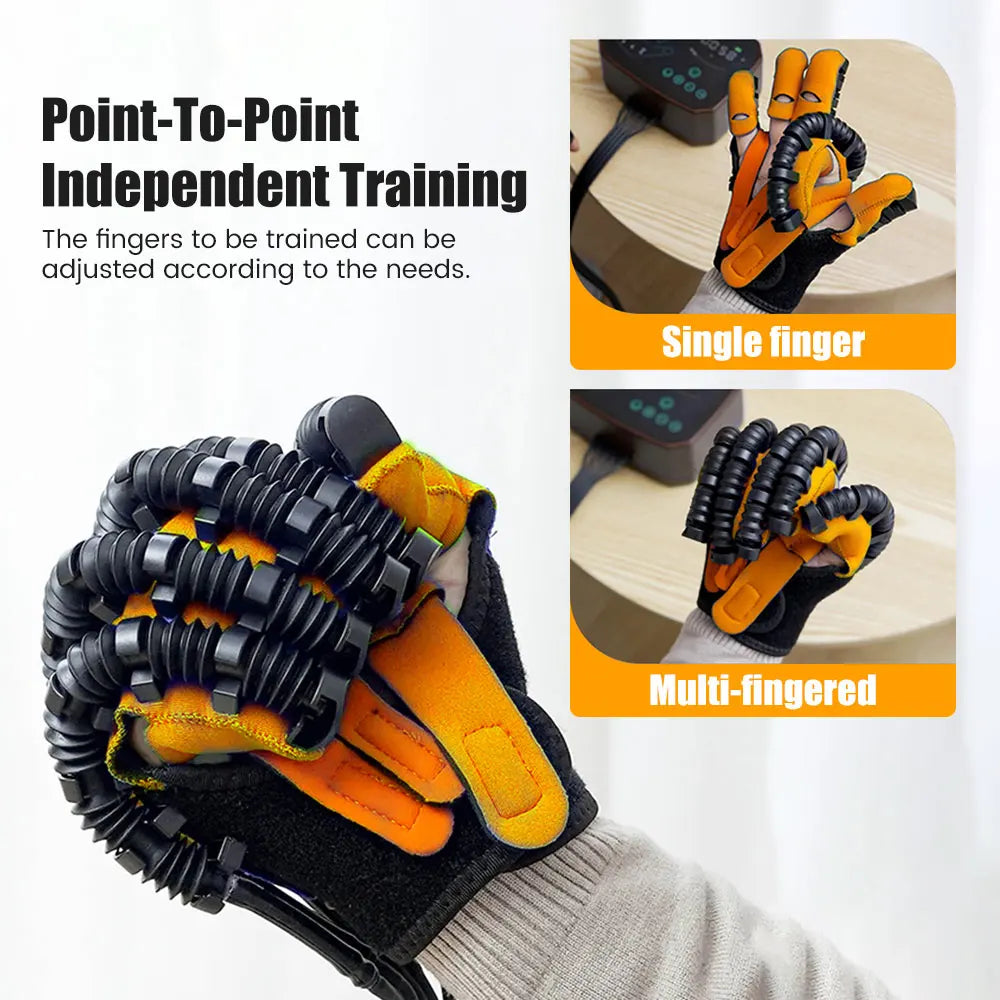
Assistive rehab glove improving stroke hand therapy outcomes See it in action
Frequently Asked Questions
Can stroke patients regain hand movement with therapy gloves?
Many stroke patients recover some degree of hand function through consistent rehabilitation. Therapy gloves can support this process by increasing the amount of guided, repetitive practice, but the level of recovery depends on stroke severity, treatment timing, and adherence to a structured rehabilitation program.
What is the best rehabilitation glove for hemiplegia?
The best rehabilitation glove for hemiplegia depends on your level of impairment. Patients with severe paralysis generally benefit from robotic gloves that provide assisted finger extension, while individuals with mild to moderate weakness may achieve good results using lighter rehabilitation gloves focused on active exercise and coordination.
How does a therapy glove work for stroke recovery?
A therapy glove assists repetitive hand and finger movements using technologies such as pneumatic air compression, robotic motors, or electrical muscle stimulation. These repeated movements encourage neuroplasticity while helping maintain joint mobility, flexibility, and muscle activity throughout rehabilitation.
What types of gloves are available for stroke patients?
Common options include robotic rehabilitation gloves, passive stretching gloves, compression gloves, and grip assistance gloves. Each type serves different rehabilitation goals depending on the patient's stage of recovery and remaining hand function.
Are robotic gloves effective for stroke recovery?
Evidence suggests robotic gloves can improve rehabilitation outcomes when combined with conventional therapy. Their ability to provide consistent, high-repetition movement makes them particularly valuable for structured home rehabilitation, although they should not replace professional medical care.
How long should you use a stroke rehab glove daily?
Many rehabilitation programs recommend approximately 20 to 60 minutes of daily glove-assisted exercise, adjusted according to the patient's tolerance and guidance from a rehabilitation professional. Short, consistent sessions are generally preferred over infrequent longer workouts.
Are stroke gloves safe for long-term use?
Most rehabilitation gloves are intended for regular long-term use when operated according to the manufacturer's instructions. Proper fit, gradual progression, and routine monitoring by a healthcare provider help ensure safe and effective rehabilitation.
Related Guide: Occupational Therapy Devices Compared: Top Picks