

What are the best makeup brushes for blending?
The best makeup brushes for blending feature soft, flexible bristles with the right amount of density to diffuse eyeshadow evenly without leaving harsh edges. A high-quality blending brush gives you better control, smoother color transitions, and a polished finish while making eye makeup easier for beginners and experienced users alike.
Best Makeup Brushes for Blending: Features That Matter
Finding the best makeup brushes for blending is one of the easiest ways to improve your eyeshadow application. Whether you're creating a natural everyday look or a dramatic smokey eye, the right brush helps blend colors seamlessly, minimizes patchiness, and gives you greater precision. In this guide, you'll learn what separates a good blending brush from a great one, the key features to look for, and how choosing the right tool can make every eye look smoother and more professional.
⏱ 6 min read
If your eyeshadow often looks uneven, muddy, or difficult to blend, your technique may not be the only reason. Brush quality has a major impact on how pigment applies and diffuses across the eyelid.
So which blending brush delivers the smooth, airbrushed finish makeup enthusiasts are after? Understanding the essential features will help you choose the right tool for your routine.
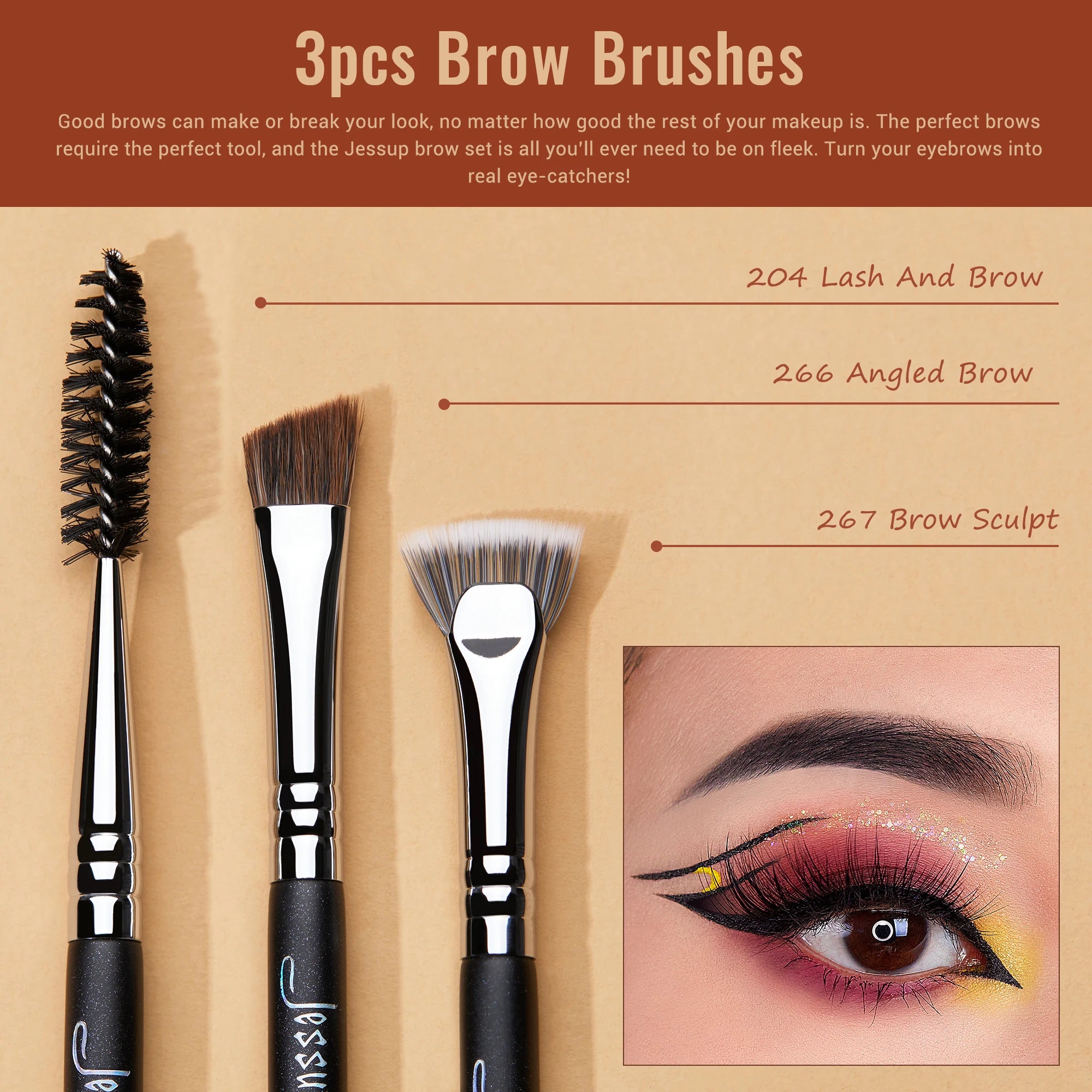
Best makeup brushes for blending for seamless eyeshadow results. See it in action.
Why the Right Blending Brushes Instantly Improve Your Makeup
Blending is the step that transforms separate eyeshadow colors into a seamless, professional-looking eye look. Even premium eyeshadows can appear patchy when paired with the wrong brush.
A well-designed blending brush improves pigment control, softens edges naturally, and allows colors to build gradually without disturbing previous layers.
Common problems caused by low-quality brushes include:
- Dragging pigment across the eyelid, resulting in uneven application.
- Stiff bristles that leave visible blending lines.
- Poorly shaped brush heads that make crease work difficult.
- Low-quality fibers that struggle to distribute color evenly.
In contrast, the best brushes for blending eyeshadow smoothly help you:
- Create soft, seamless color transitions.
- Blend faster with less effort.
- Build depth without muddying shades.
- Achieve cleaner, more polished eye looks regardless of skill level.
Features That Deliver Smooth, Professional Blending
The best makeup brushes for blending combine carefully selected materials, balanced brush density, and thoughtful design. Together, these features improve control, reduce patchiness, and create the smooth gradients associated with professional eye makeup.
1. Ultra-Soft Synthetic Bristles for Seamless Diffusion
Modern synthetic fibers are exceptionally soft, durable, and compatible with most powder eyeshadows. They glide over the skin without scratching delicate eyelids while distributing pigment evenly.
Benefits include:
- More even color payoff.
- Reduced irritation around sensitive eyes.
- Smoother transitions between multiple shades.
- Easy cleaning and minimal shedding with proper care.
2. Fluffy Dome Shape for Controlled Blending
A slightly rounded, fluffy brush head provides the ideal balance between precision and diffusion. The tapered shape fits naturally into the crease while softening harsh edges around the lid.
This design helps you:
- Blend transition shades effortlessly.
- Reach smaller areas without over-blending.
- Create smooth gradients while maintaining color definition.
3. Balanced Density for Buildable Coverage
The density of a blending brush determines how much pigment it picks up and how easily it diffuses product.
- Overly dense brushes can deposit too much color at once.
- Overly loose brushes may struggle to build intensity.
- A balanced brush offers controlled pigment pickup with soft, even blending.
The result is gradual color buildup that looks natural instead of harsh.
4. Ergonomic Handle for Better Control
A lightweight, well-balanced handle improves grip and allows comfortable circular and windshield-wiper motions during blending. Better control means lighter pressure, smoother diffusion, and less hand fatigue during longer makeup sessions.
Which Brush Types Give You Flawless Results Faster
Each blending brush is designed for a specific purpose. Using the right shape at each stage of your eye makeup routine makes blending easier, creates more dimension, and helps colors transition naturally instead of appearing muddy.
| Brush Type | Best For | Why It Works |
|---|---|---|
| Fluffy Blending Brush | Blending transition shades | Softens edges for a seamless, airbrushed finish. |
| Tapered Crease Brush | Defining the crease | Places color precisely while maintaining smooth blending. |
| Small Detail Blender | Lower lash line and outer corner | Offers greater control in smaller areas. |
| Dense Shader Brush | Packing shimmer or matte shades | Builds rich pigment before blending the edges. |
For the most polished eye looks, start by applying color with a shader brush, define the crease with a tapered brush, and finish by softening everything with a fluffy blending brush. Using several brushes instead of relying on one helps preserve color intensity while creating smoother transitions.
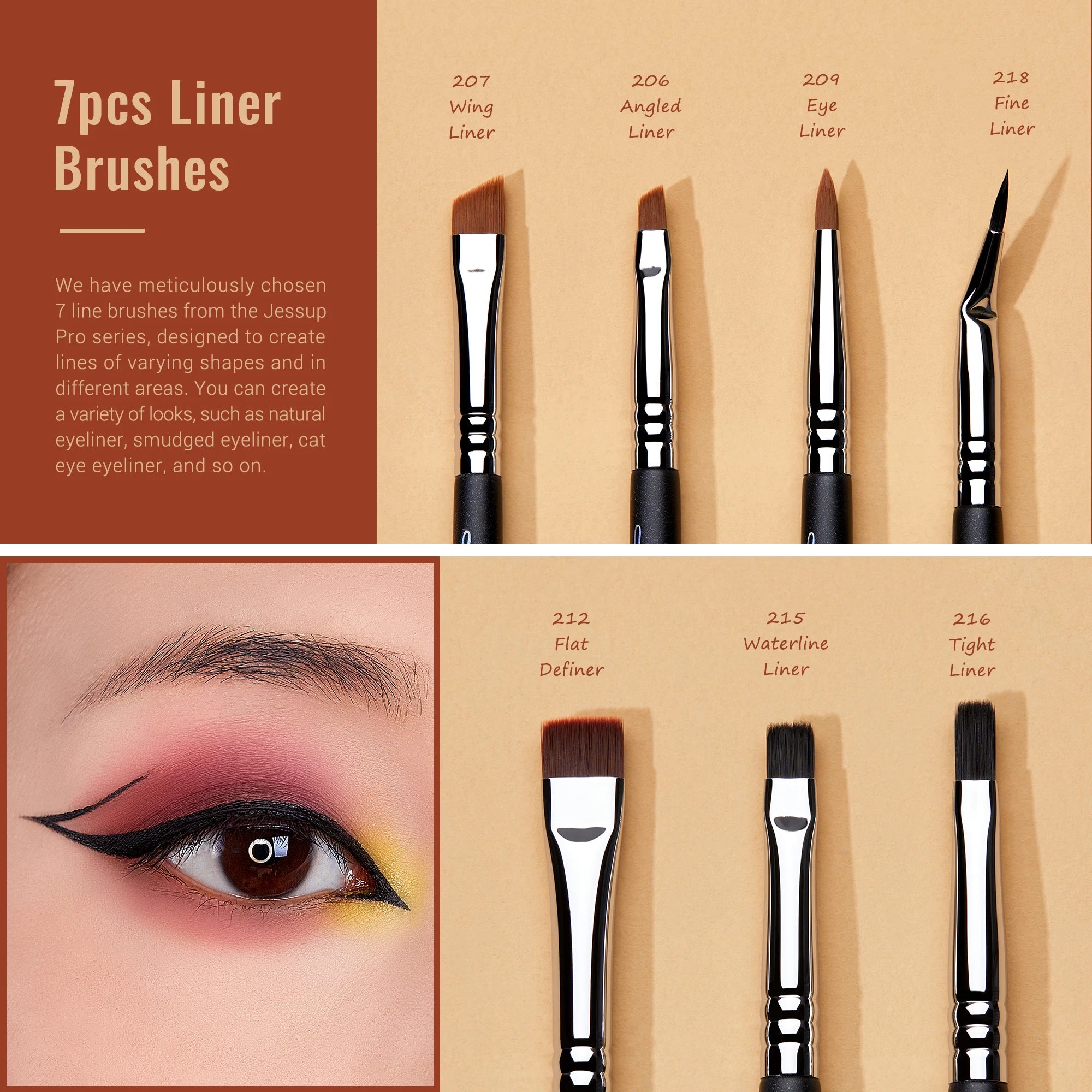
Best brushes for blending eyeshadow smoothly for professional-looking finishes. See it in action.
How to Use Blending Brush Correctly for Airbrushed Eyeshadow
Even the best blending brush performs better when paired with the right technique. Working slowly with light pressure helps create soft gradients and prevents harsh edges.
- Begin with a clean, dry fluffy blending brush.
- Dip only the tips of the bristles into your eyeshadow.
- Tap away excess powder to reduce fallout.
- Blend transition shades using small circular motions.
- Refine the crease with gentle windshield-wiper strokes.
- Build color gradually in thin layers instead of applying heavy pigment at once.
- Finish by lightly buffing the outer edges until no harsh lines remain.
Pro tip: Hold the brush closer to the end of the handle rather than near the ferrule. This naturally reduces pressure, allowing the bristles to diffuse pigment instead of depositing too much color in one spot.
- Use minimal pressure for softer transitions.
- Keep the brush moving continuously to avoid concentrated patches.
- Blend each layer before adding additional eyeshadow.
- Use a clean blending brush at the end to soften any remaining edges without adding extra pigment.
What to Look for Before Buying a Blending Brush
Choosing the best blending brush for eyeshadow comes down to more than appearance. The right combination of shape, bristle quality, density, and handle design will determine how easily you can blend, how comfortable the brush feels, and how long it lasts with regular use.
Brush Shape
A fluffy, rounded brush is ideal for diffusing transition shades, while a tapered brush provides greater precision in the crease. If you regularly create detailed eye looks, having both shapes offers the most versatility.
Synthetic vs. Natural Bristles
High-quality synthetic bristles are an excellent choice for most users. They work well with powder formulas, are easy to clean, resist shedding, and are suitable for those looking for cruelty-free options. Natural bristles can provide soft blending but typically require more maintenance.
Brush Density
The best blending brush for eyeshadows balances softness with enough density to pick up pigment efficiently. Brushes that are too dense may deposit excessive color, while overly loose bristles can make blending slow and inconsistent.
Handle Comfort
A lightweight, ergonomic handle improves control during small circular and windshield-wiper motions. Comfortable handles also reduce hand fatigue during longer makeup applications.
Size for Different Eye Shapes
Brush size should match your eye area. Larger fluffy brushes work well on spacious lids, while smaller blending brushes offer greater accuracy for hooded, deep-set, or smaller eyes.
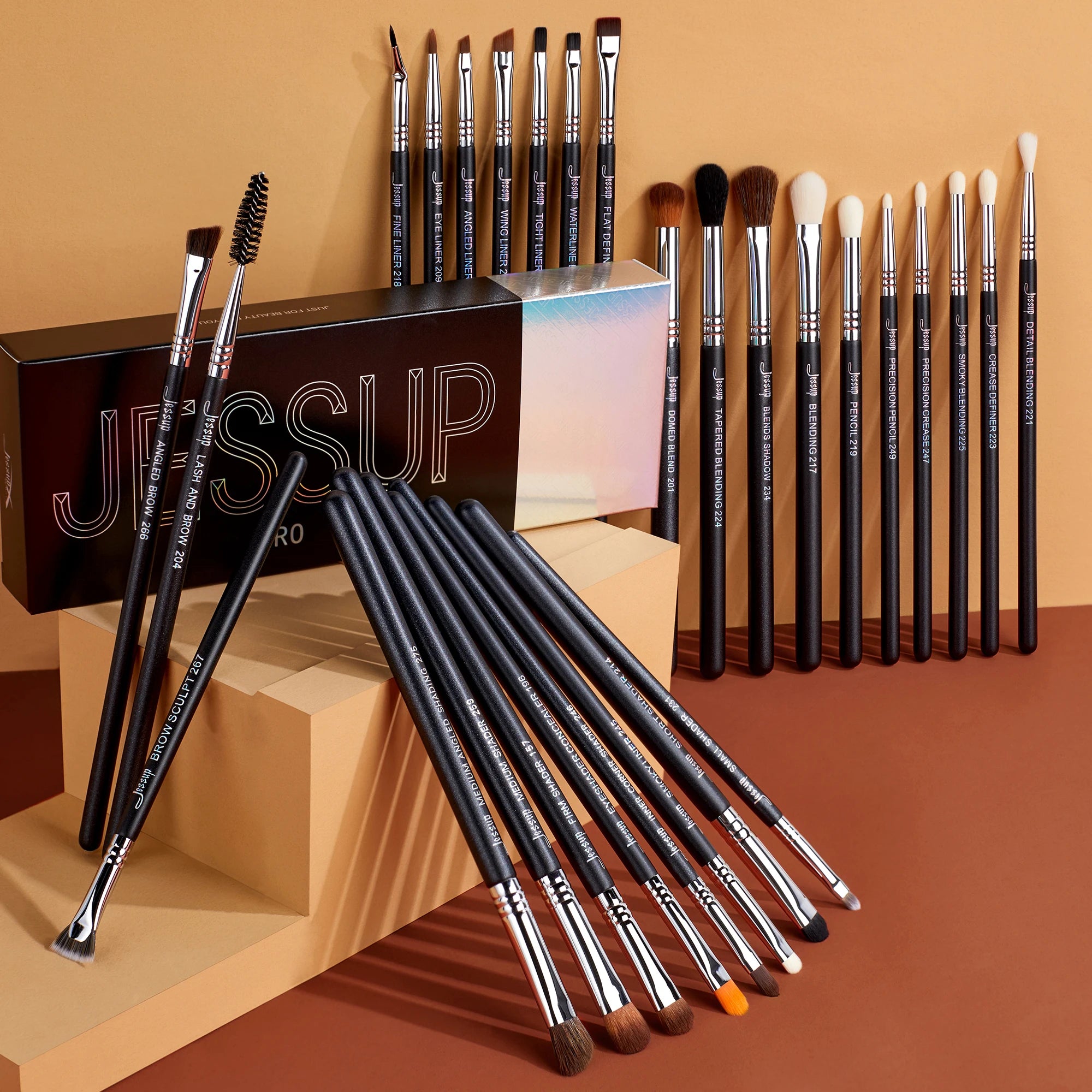
Using the right blending brush size and technique helps create smooth, professional-looking eyeshadow. See it in action.
Frequently Asked Questions
What is a blending brush used for?
A blending brush is designed to soften eyeshadow edges and create seamless transitions between colors. Its fluffy bristles diffuse pigment evenly, helping eye makeup appear smooth and professionally blended.
Which is the best blending brush for beginners?
A medium-sized fluffy synthetic blending brush is the easiest option for beginners. It offers forgiving application, blends colors quickly, and works well with most powder eyeshadows.
What is the difference between a crease brush and a blending brush?
A crease brush is typically smaller and more tapered for placing color precisely in the crease, while a blending brush is fluffier and intended to soften edges and blend multiple shades together. Many makeup routines benefit from using both.
Are synthetic or natural blending brushes better?
For most users, high-quality synthetic brushes provide the best balance of performance, durability, easy maintenance, and compatibility with modern makeup formulas. They are also a popular cruelty-free choice.
What is a large soft brush used for blending?
A large, soft blending brush is best for diffusing transition shades, softening harsh lines, and creating a smooth gradient across larger areas of the eyelid. It is especially useful for natural and soft glam eye looks.
How often should blending brushes be cleaned?
Clean blending brushes at least once a week if you wear makeup regularly. Frequent cleaning removes oil, pigment, and bacteria while maintaining soft bristles and consistent blending performance.
Can I use one blending brush for multiple eyeshadow colors?
Yes, but it's best to wipe the brush on a color-removal sponge or cloth between shades. For the cleanest gradients, many makeup artists use one brush to apply transition shades and another clean brush for final blending.
Pillar Article: High Quality Makeup Brush Set: What Makes It Worth It
Other Related Articles:
Explore More:













